Almaty in winter comes down to two things: skiing and smog. Shymbulak, the biggest resort, is 25 km from the center and open from November to April, so you can ski in the morning and have dinner in the city. In the city it is –5…–15 °C from December to February, and the air is at its worst in those months, so plan time in the mountains and stay in the upper districts.
The slopes aren’t the only reason to visit: there are museums, street art, banyas and winter hikes, and Charyn Canyon is open for a day trip. Below you’ll find short answers to the questions people search for most, then a month-by-month guide and the full list of places.
Quick answers
Is Almaty worth visiting in winter? Yes, mainly for skiing: you ski in the morning and explore the city in the evening. The main downside is smog from December to February, so spend extra time in the mountains.
How cold is it? In the city about –5…–10 °C in December, –10…–15 °C in January (the coldest month) and –5…–12 °C in February. The mountains are 10–15 °C colder, and Shymbulak can reach –25 °C in January.
Which month is best? February for skiing, because of fresh snow at the resorts. December if you want the holiday atmosphere: garlands on the pedestrian streets and the ice town on Republic Square. January is the coldest month with the worst smog, and March brings the thaw. Details are in the month-by-month section below.
When does the ski season run? Shymbulak from late November or early December to April (in 2025–26 it opened on December 6), Ak Bulak and Oi-Karagai from December to March. A day pass for an adult at Shymbulak costs about 12,000–15,500 KZT outside the New Year peak and about 26,000 KZT from December 25 to January 11. At Ak Bulak it is 22,000 KZT and at Oi-Karagai 24,000 KZT (2025–26 prices; 2026–27 prices have not been announced yet).
What about the smog? It is worst from December to February. Stay in the upper districts (Medeu, Samal, Baganashyl, Gorny Gigant), check the air quality in IQAir or AirVisual, spend time in the mountains where there is no smog at altitude, and bring masks for bad days.
What can I do besides skiing? Walk the center and the murals, visit the museums, spend an evening in the Arasan banya, or take an easy winter hike such as the Lower Butakovsky Waterfall, which partially freezes. A private city tour is an easy way to see the main sights in one day.
Can I take a day trip in winter? Yes. Charyn Canyon is open: it is about 200 km, 3–4 hours by road, almost empty in winter and cold at –15…–20 °C. The Kolsai Lakes are frozen and harder to reach, so go with an experienced driver or an organized group.
How do I get around? The metro and buses cost 120 KZT each, and a taxi starts from 1,000 KZT. Bus #12 goes to Medeu. For the mountains and nature you need a taxi or your own car, and 4WD is recommended in winter.
Is it worth visiting Almaty in winter
The main reason to come to Almaty in winter is the ski resorts close to the city. You ski in the morning and explore the city in the evening. You can also set aside a couple of days to see the nature around Almaty. This combination of mountains and city is hard to find elsewhere.
But there’s a problem — smog. The city has poor airflow, so the combined effect of power plants, heavy traffic, and coal heating in private homes makes the air unsafe. December–February are particularly bad.
How to deal with it:
- Stay in the upper districts (Medeu, Samal, Baganashyl, Gorny Gigant) — the air is cleaner there. If you want to be closer to the center — pick the “golden quad,” but above Tole Bi Street.
- Plan more time in the mountains — there’s no smog at altitude.
- Check air quality with apps like IQAir or AirVisual.
- Bring masks for bad days.
Almaty in winter month by month
Temperatures below are daytime ranges in the city. In the mountains it is 10–15 °C colder, so dress for the mountains if you plan to ski or hike.
Almaty in December
–5…–10 °C. Snow arrives and the smog starts. December has the strongest holiday mood: Republic Square has the city’s main Christmas tree and an ice town with slides and ice sculptures (free, but crowded), and Arbat and Panfilov Street are decorated with garlands and New Year installations. Ak Bulak and Oi-Karagai open for the season, and Shymbulak is already running. Book a place to stay in an upper district, because the air in the center is already getting worse.
Almaty in January
–10…–15 °C. The coldest month, and the smog is at its worst. Ski passes cost more from January 1 to 11 at Ak Bulak (27,000 KZT) and Oi-Karagai (27,500 KZT), and the resorts are busiest then. Plan more days in the mountains than in the city. At Shymbulak it can be –25 °C, so bring thermal underwear. A banya or the Chundzha hot springs (water at +39…+42 °C, a 4–5 hour drive) are a good answer to the cold.
Almaty in February
–5…–12 °C. Snowfall and fresh snow at the resorts make it the best month for skiing. The smog can still be a problem, so keep the mountain days in your plan. This is a good month for the museums and the terrenkur walks on days when the air is clear. Winter hikes are possible, but check the avalanche bulletin before you go.
Almaty in March
–2…+8 °C. The thaw begins and the snow melts in the city. Shymbulak is open until April, while the season at Ak Bulak and Oi-Karagai ends in March. Mountain trails are not safe for hiking yet because of avalanche risk, so the cable car is the way to see the mountains. The lifts close for annual maintenance in mid-April (in 2026 the Medeu gondola and Combi-1 were closed from April 13 to 30, Combi-2 from April 9 and KKD-4 from April 16), so check the schedule for late March and April. Nauryz, the Kazakh New Year, falls around March 21 and brings several days off, and the city is busy. See our Nauryz guide and our Almaty in spring guide.
Skiing and snowboarding
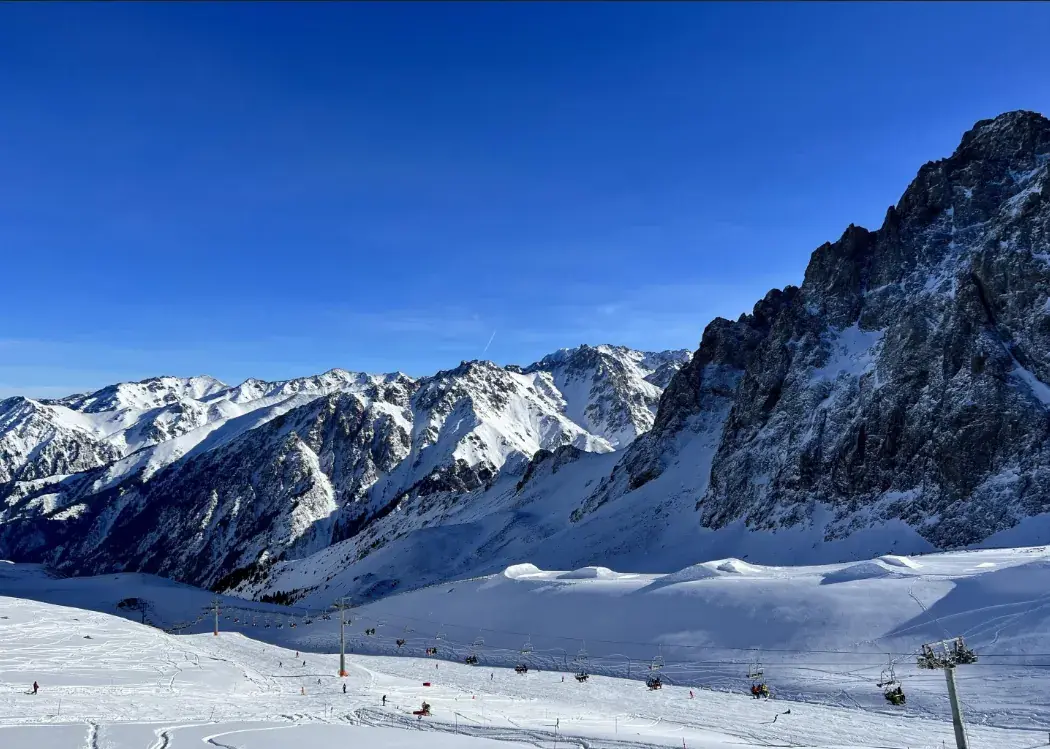
Shymbulak (Chimbulak)
Central Asia’s largest ski resort, 25 km from Almaty. Located in a gorge of the Zailiysky Alatau at 2,260–3,200 m. World record holder for the highest night skiing (Guinness, 2023).
Pros: close to the city (40–45 min by car + 20 min cable car from Medeu); longest season (Nov–Apr); 20 km of slopes (4 km beginner, 10 km intermediate, 6 km advanced); modern infrastructure (spa, restaurants, hotels, ski school); night skiing on lit slopes.
Cons: lift queues on weekends; high prices for food and rentals on site.
Ski pass (2025–2026): the price depends on the date. Outside the New Year peak a full day costs about 12,000–15,500 KZT for an adult (sources differ) and about 6,000 KZT for a child. During the peak, December 25 to January 11, it is about 26,000 KZT for an adult and 10,000 KZT for a child. Prices for 2026–27 have not been announced. Beginner (training slope) — check at the ticket office. Cable car from Medeu: in winter 2025–26 about 8,000 KZT round trip for an adult (10,000 KZT with the KKD-4 chair lift), children half price. In summer 2026 the tariff was raised to 12,000 KZT round trip, so expect different prices in winter 2026–27. Equipment rental: from 25,000 KZT/day.
Website: shymbulak.com · Instagram: @shymbulakmountainresort
 Shymbulak Mountain Resort
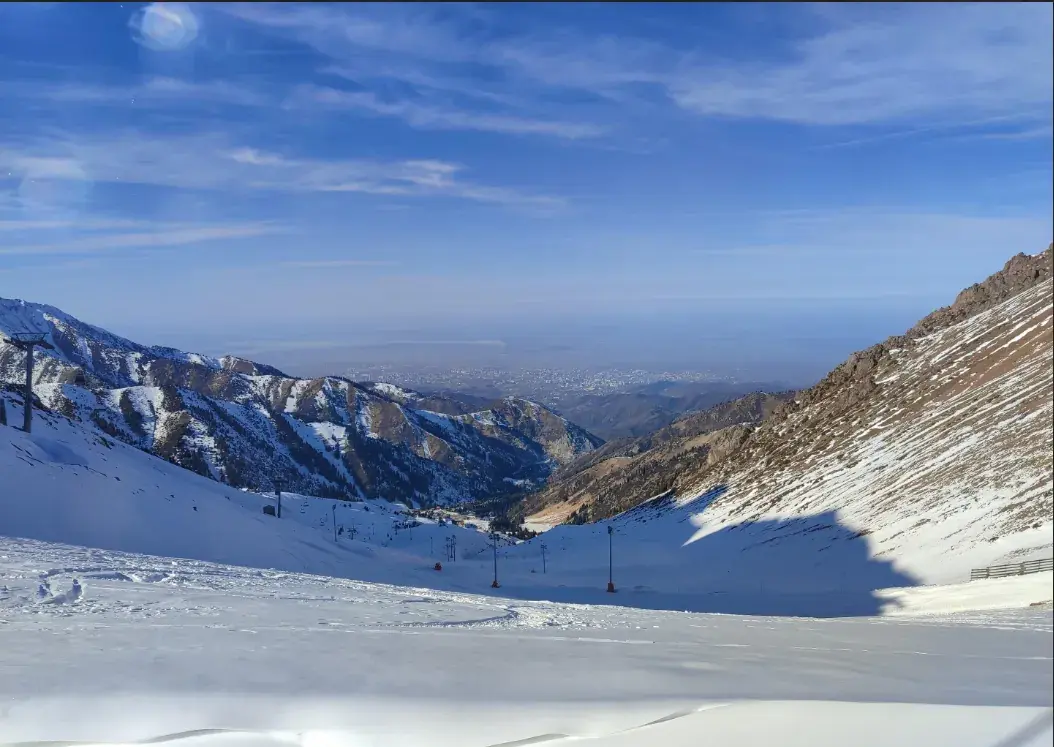
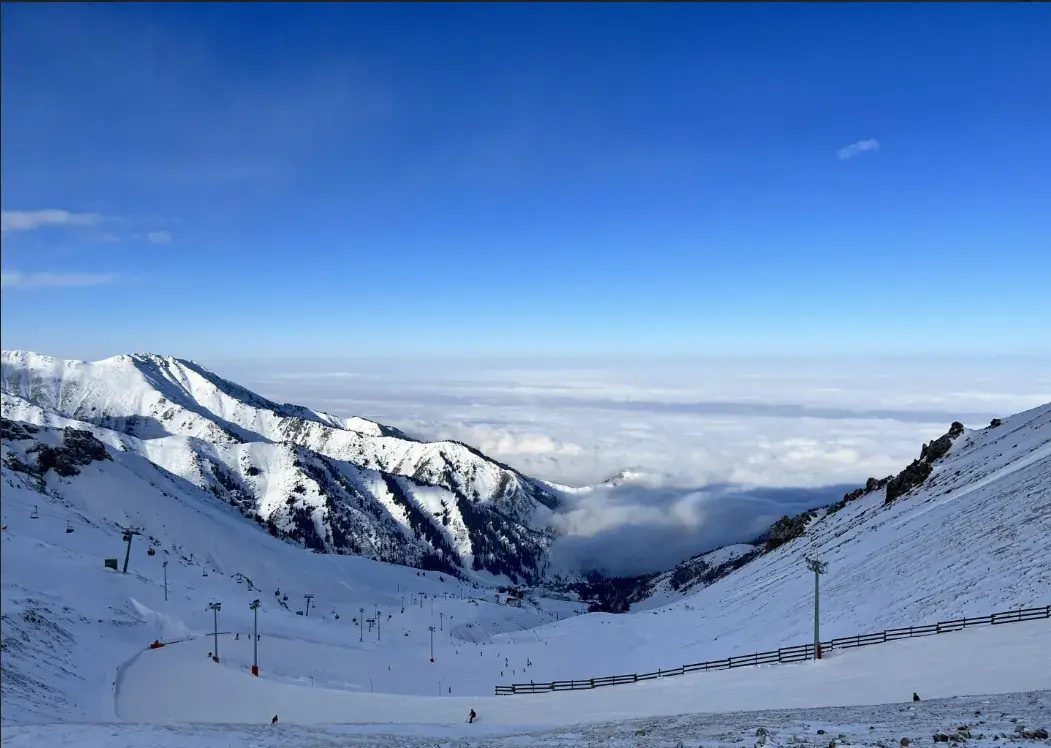
Ak Bulak
A resort for beginners 40 km from Almaty. Gentle slopes and not crowded — a good place to learn skiing or snowboarding. The single advanced “Dombra” slope only opens on weekends in January–February and is closed in March due to avalanche risk.
Pros: gentle slopes (perfect for beginners); fewer people than Shymbulak; full complex (hotel, spa, pool, ice rink); affordable rentals.
Cons: further from the city (50 min–1.5 h); shorter season (Dec–Mar); sometimes closed on Mondays.
Ski pass (2025–2026): standard 22,000 KZT; high season (Jan 1–11) 27,000 KZT + eco fee 590 KZT + ski-pass card 2,000 KZT. Equipment rental: 7,000 KZT weekdays / 11,000 KZT weekends.
Website: akbulak.kz · Instagram: @akbulak.kz
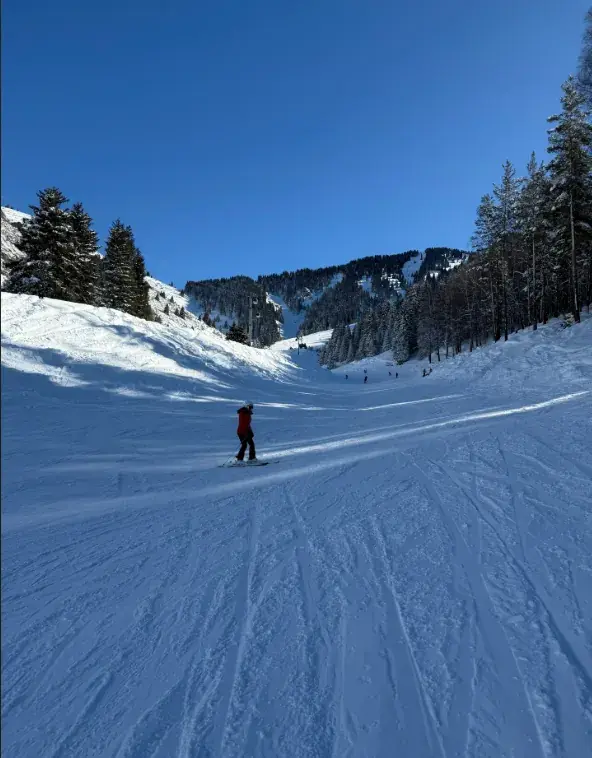 Ak Bulak Ski Resort
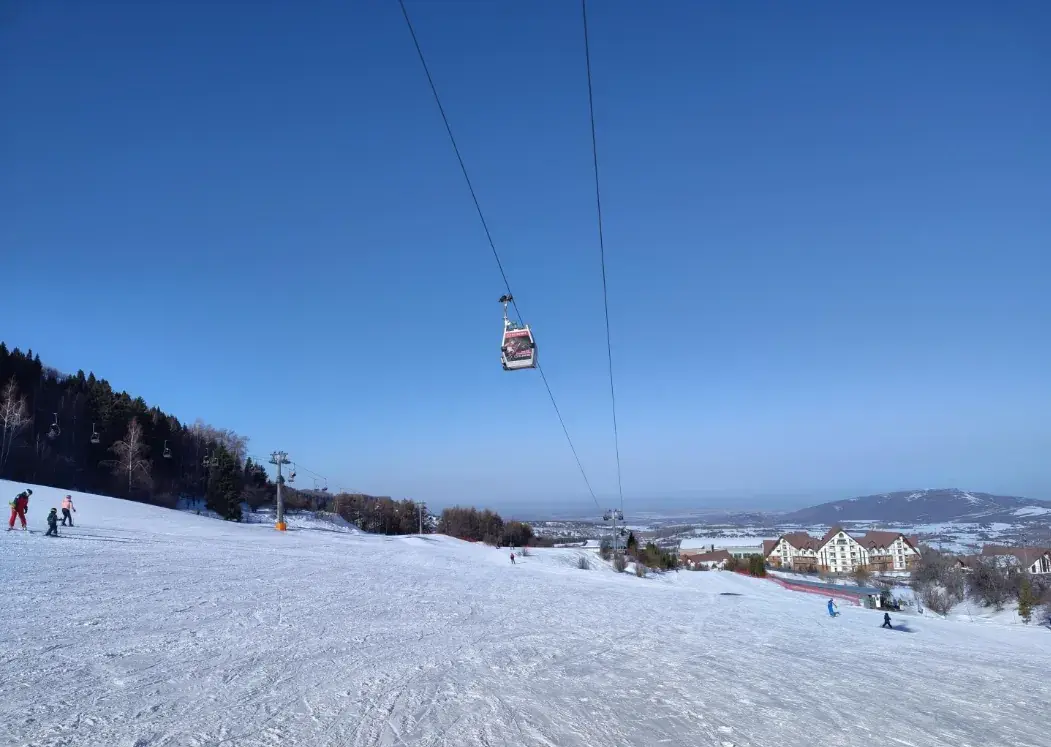
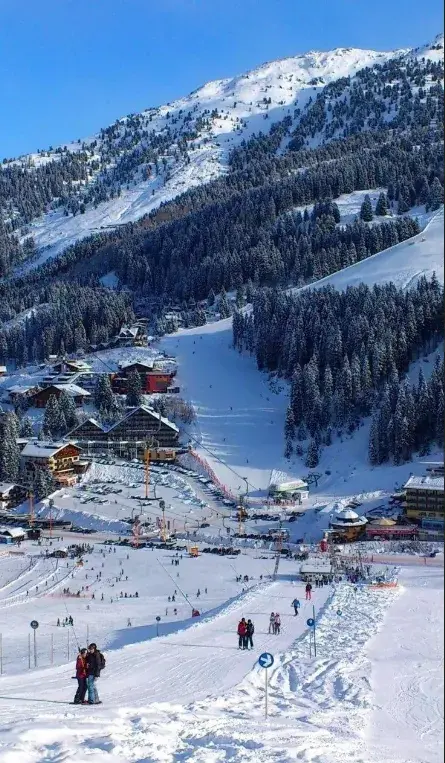
Oi-Karagai (Forest Tale)
A family resort 35 km from Almaty, set in a forest of Tien Shan spruce. Ideal for beginners and families. On the property — treehouses and a giant yurt restaurant (2015 Guinness Book record holder).
Pros: 13 km of beginner and intermediate slopes; fewer people on weekdays; activities for the whole family (zipline, rope park, tubing); UMAI spa with hot tubs in a yurt; night skiing.
Cons: almost no advanced slopes; season only Dec–Mar; 40 minutes from the city.
Ski pass (2025–2026): standard 24,000/8,500 KZT at the counter (21,818/7,727 KZT in app); high season 27,500/10,000 KZT. Rental: 4.5 hours — 13,000/8,000 KZT; full day — 16,500/10,000 KZT.
Website: oiqaragai.com · Instagram: @oiqaragai
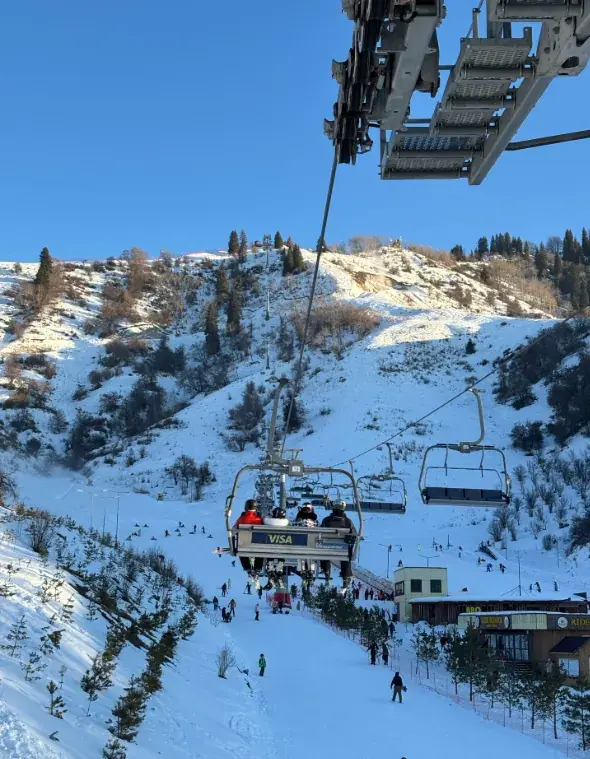 Oi-Karagai (Forest Tale) Resort
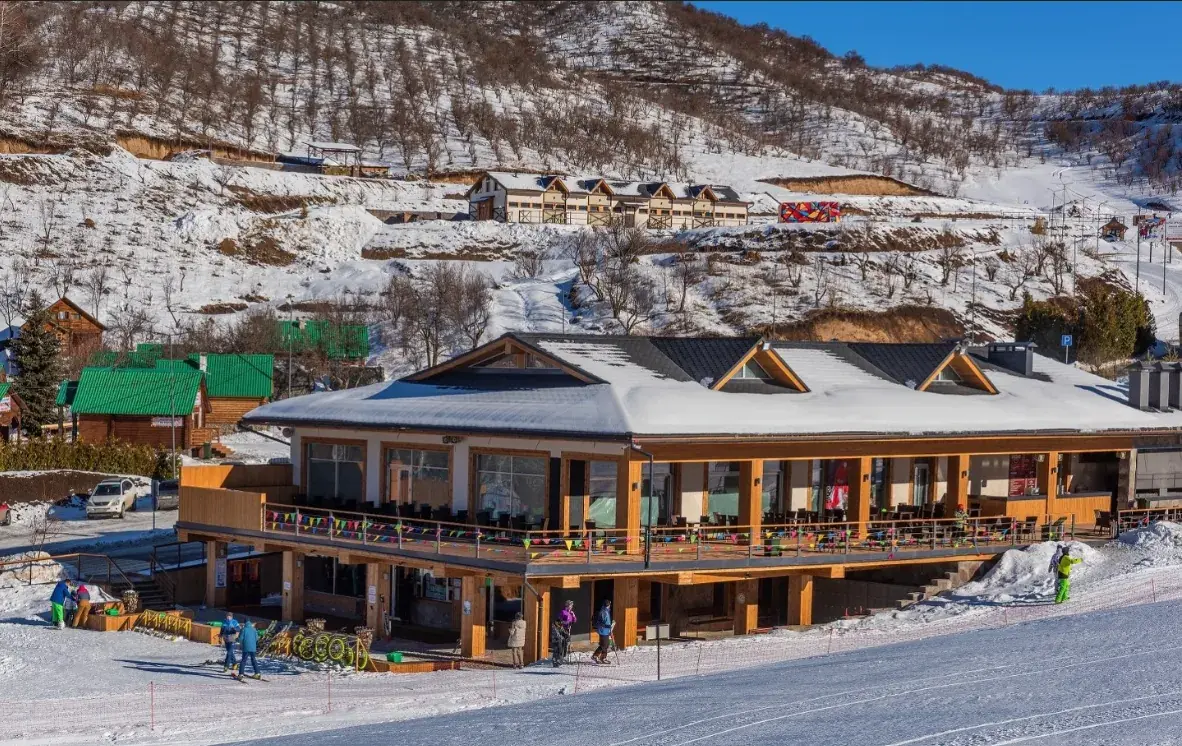
Which resort to choose
| Parameter | Shymbulak | Ak Bulak | Oi-Karagai |
|---|---|---|---|
| Distance | 25 km (45 min) | 40 km (1–1.5 h) | 35 km (40 min) |
| Altitude | 2,260–3,200 m | 1,600–2,660 m | 1,550–1,820 m |
| Slopes | 20 km | 14 km | 13 km |
| Season | Late Nov/Dec–Apr | Dec–Mar | Dec–Mar |
| Ski pass (std) | 12,000–15,500 KZT | 22,000 KZT | 24,000 KZT |
| Ski pass (peak dates) | about 26,000 KZT (Dec 25–Jan 11) | 27,000 KZT | 27,500 KZT |
| Rental | from 25,000 KZT | from 7,000 KZT | from 13,000 KZT |
| For whom | Experienced, tourists | Beginners | Families, beginners |
| Queues | High | Low | Medium |
City walks
We recommend spending 1–2 days walking around the city, no more — air quality in winter isn’t great, and long walks aren’t comfortable.
28 Panfilov Guardsmen Park
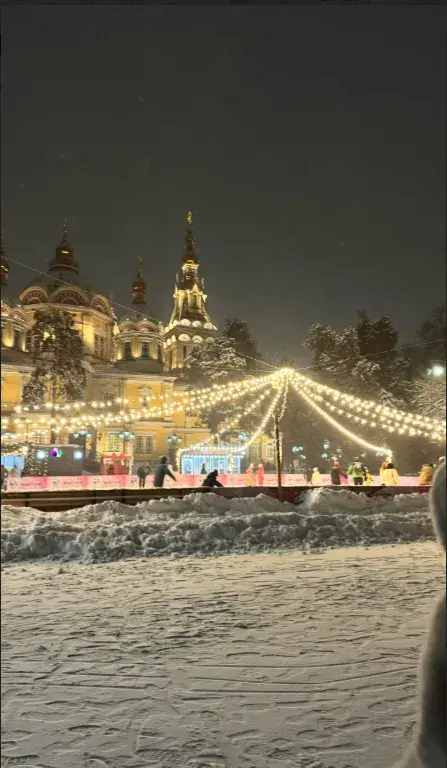 28 Panfilov Guardsmen Park
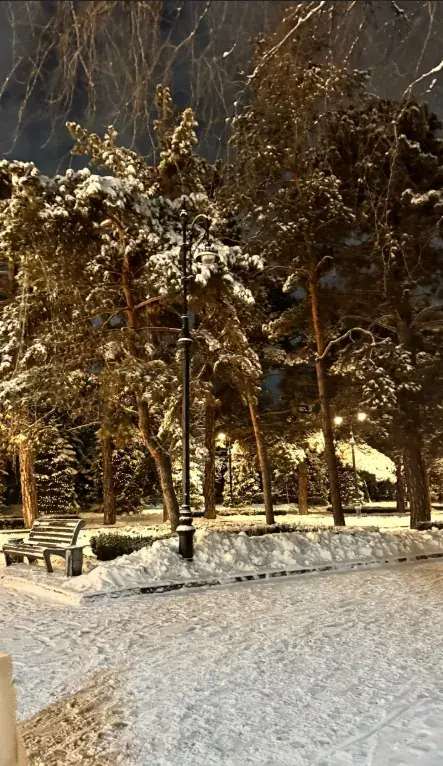
One of the city’s most historically significant and oldest parks, founded in 1872. The current name honors the 28 Panfilov heroes — soldiers of the 1075th Regiment of the 316th Rifle Division who completed the legendary defense of Moscow.
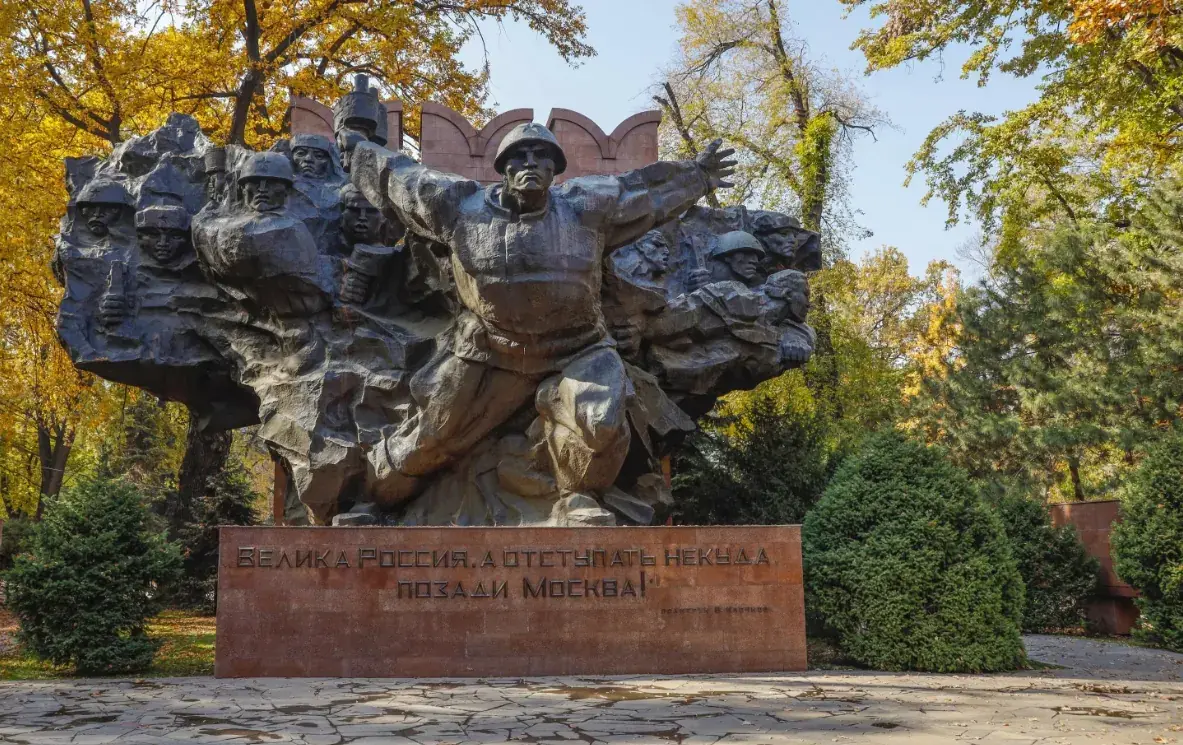
In 1968 a two-meter monument to General Ivan Panfilov was installed. In 1975, for the 30th anniversary of Victory, the Memorial of Glory was opened — a composition of three granite reliefs (“Oath,” “Feat,” “Triumph of Life”). The Eternal Flame was lit.
In the middle of the park stands the Ascension Cathedral (1904–1907) — one of the tallest wooden churches in the world (54 m). Built from Tien Shan spruce with metal fasteners. During the devastating 1911 earthquake, when many stone buildings were damaged, only one cross was bent and the windows cracked — making it a symbol of successful seismic-resistant construction.
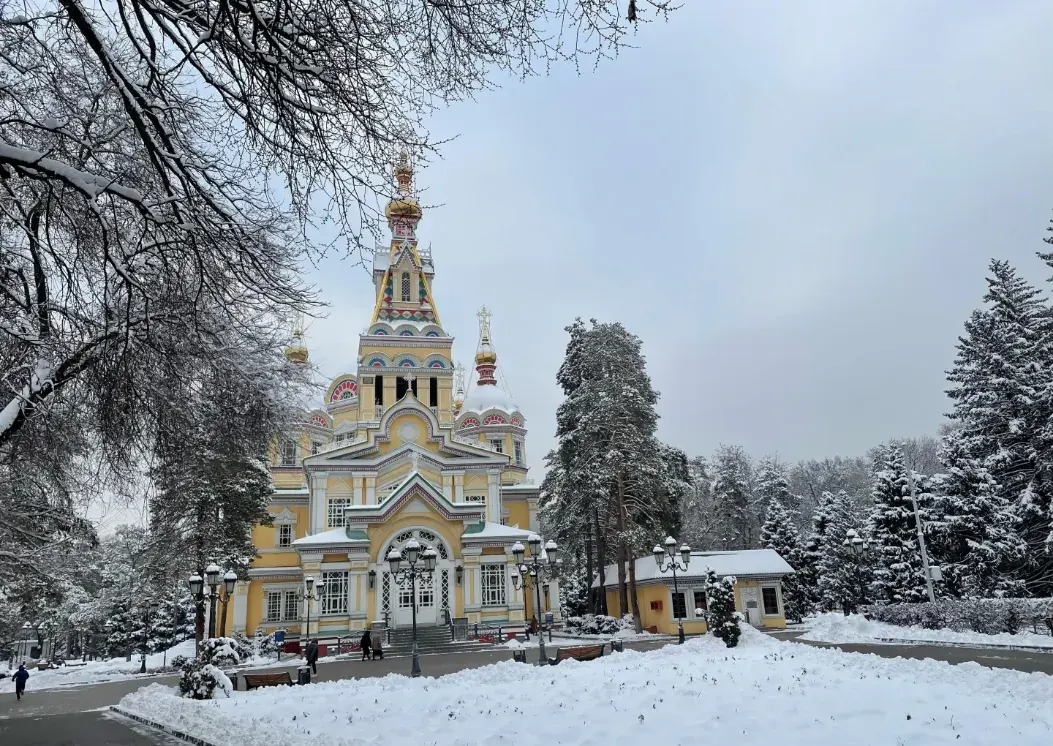
Nearby: Folk Instruments Museum (in a historic 1908 building), Arasan Banyas (across the street).
Cost: free.
Murals
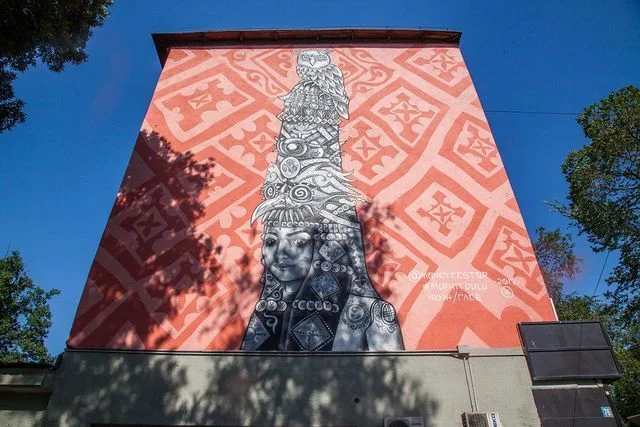
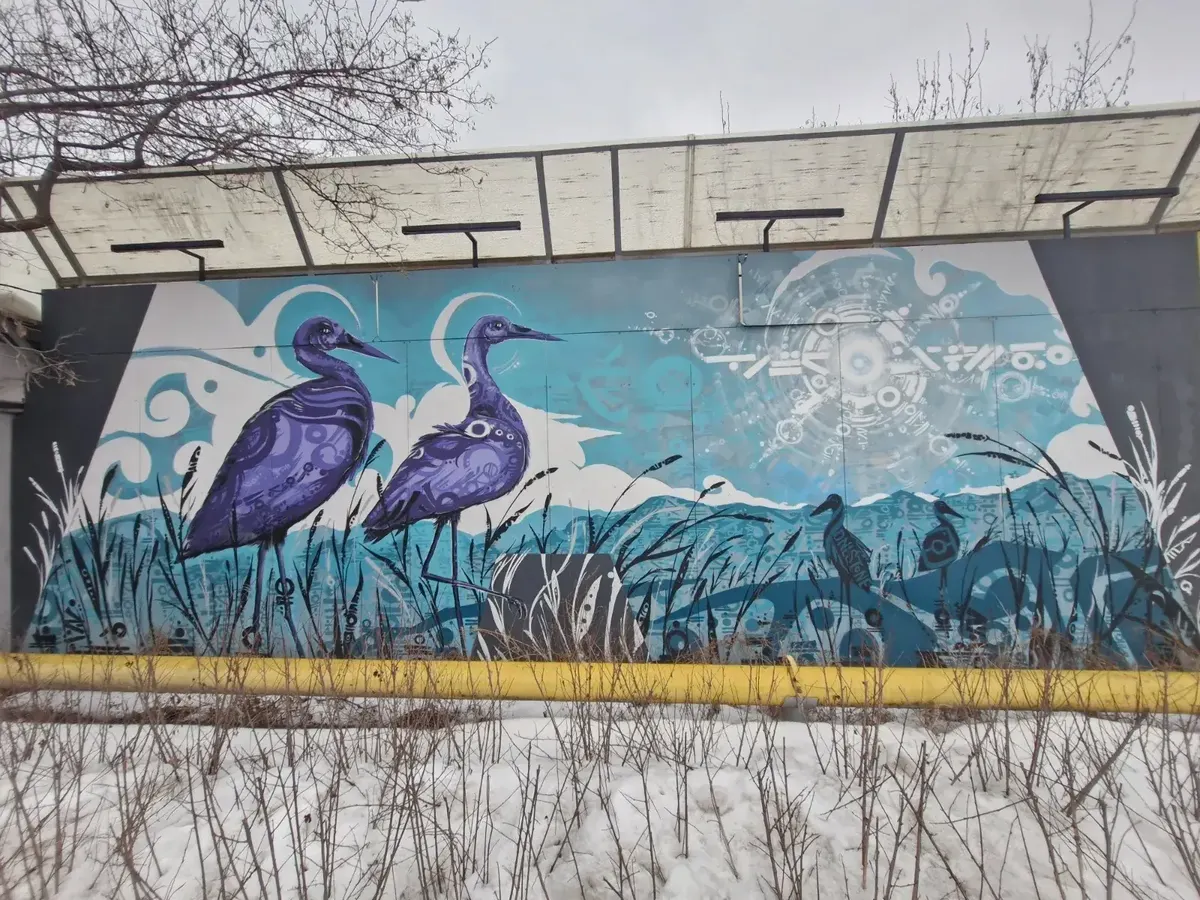
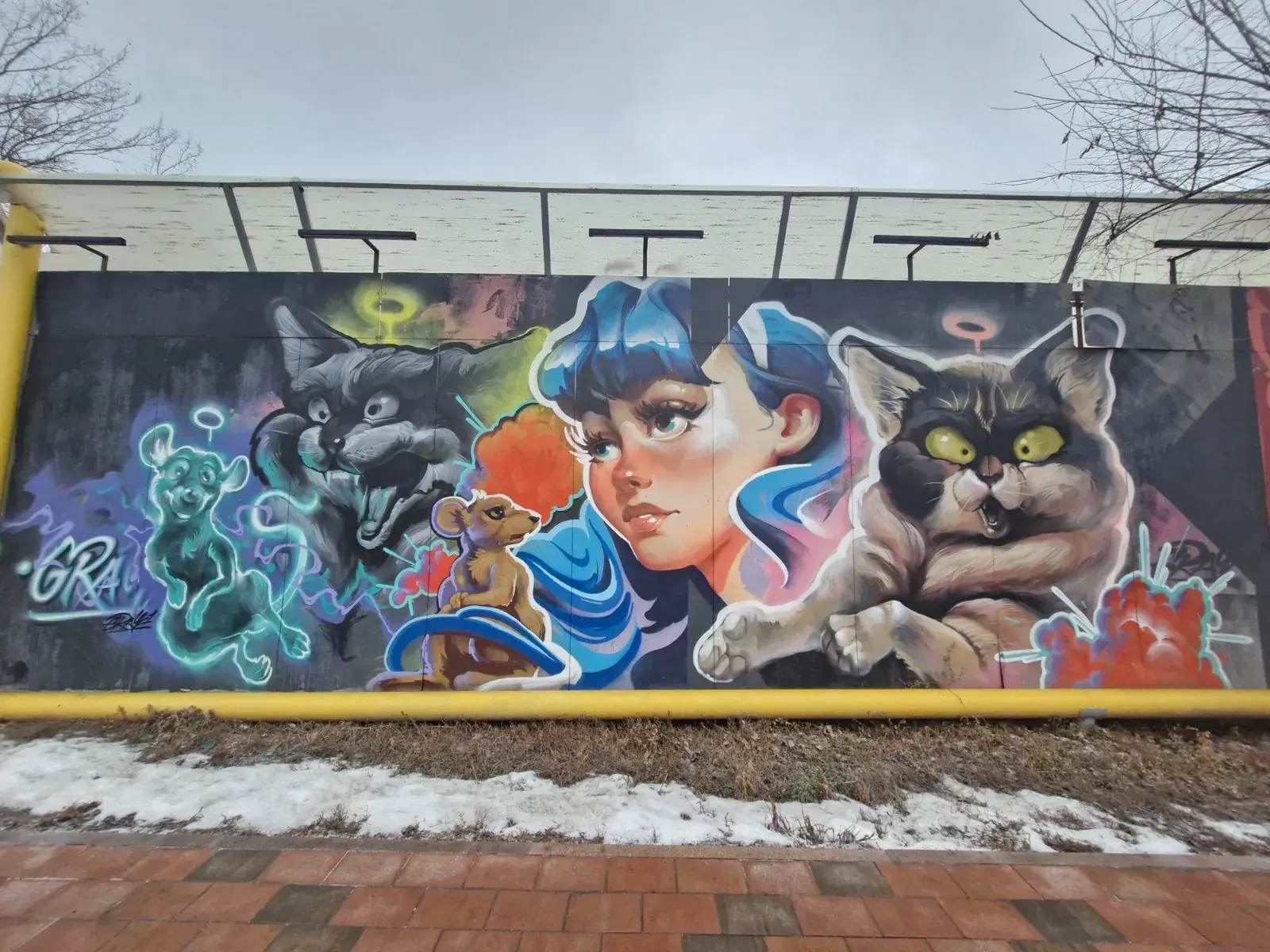
Dozens of murals on facades around the city — the result of the ARTBAT FEST festival (since 2010). Today murals are part of the city’s cultural code. The works reflect social and cultural themes — ecology, urbanization, national identity.
What you can see: a portrait of Abai in neon, Kazakh batyrs and folk epic scenes, a girl in national dress, ecological and futuristic themes.
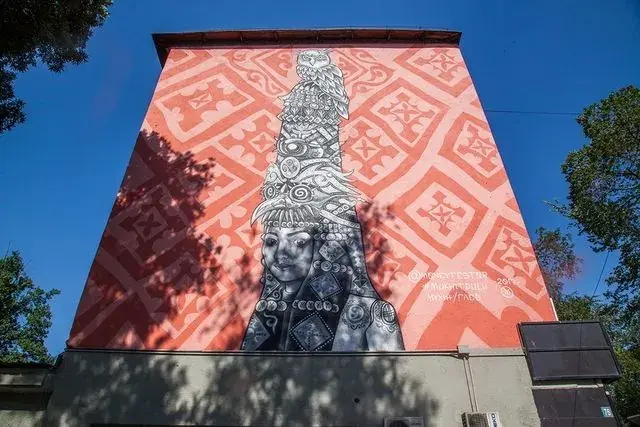 Almaty murals
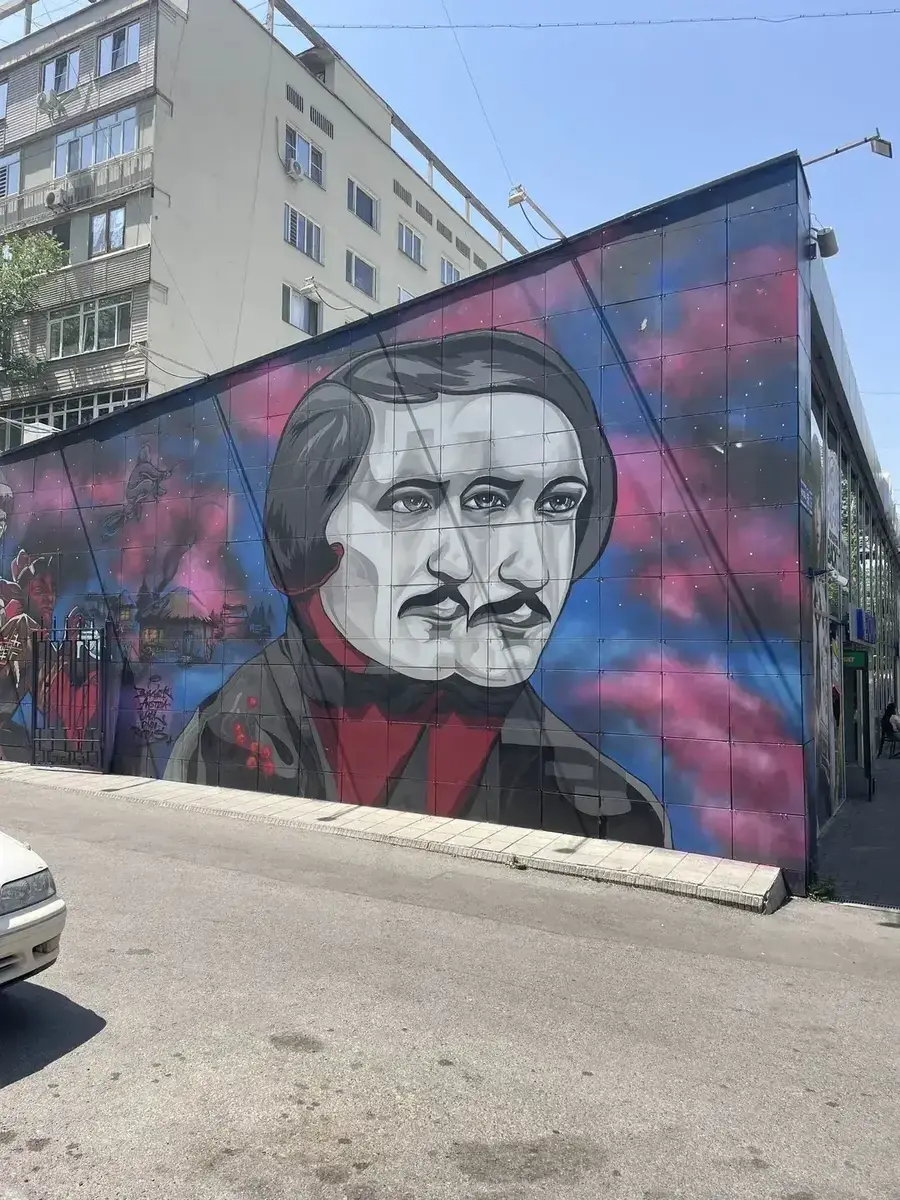
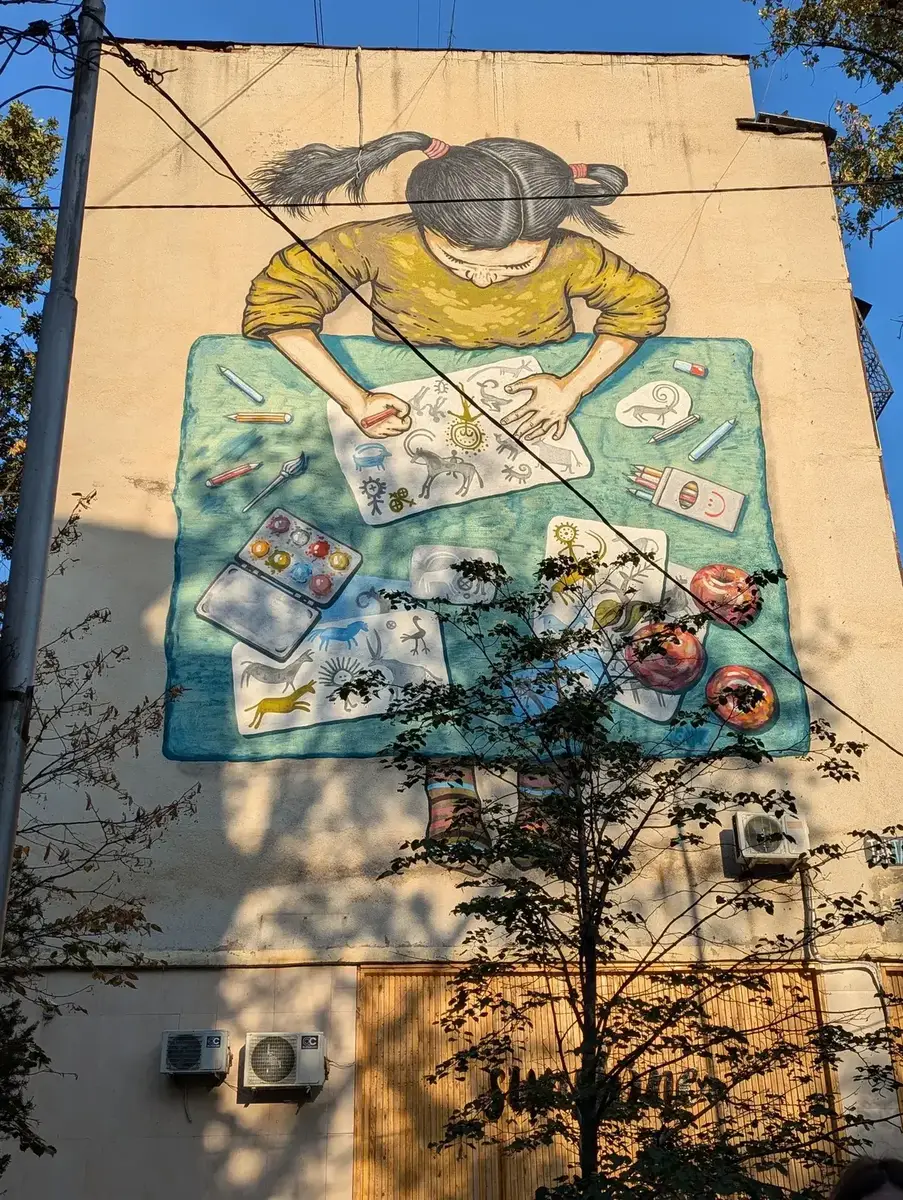
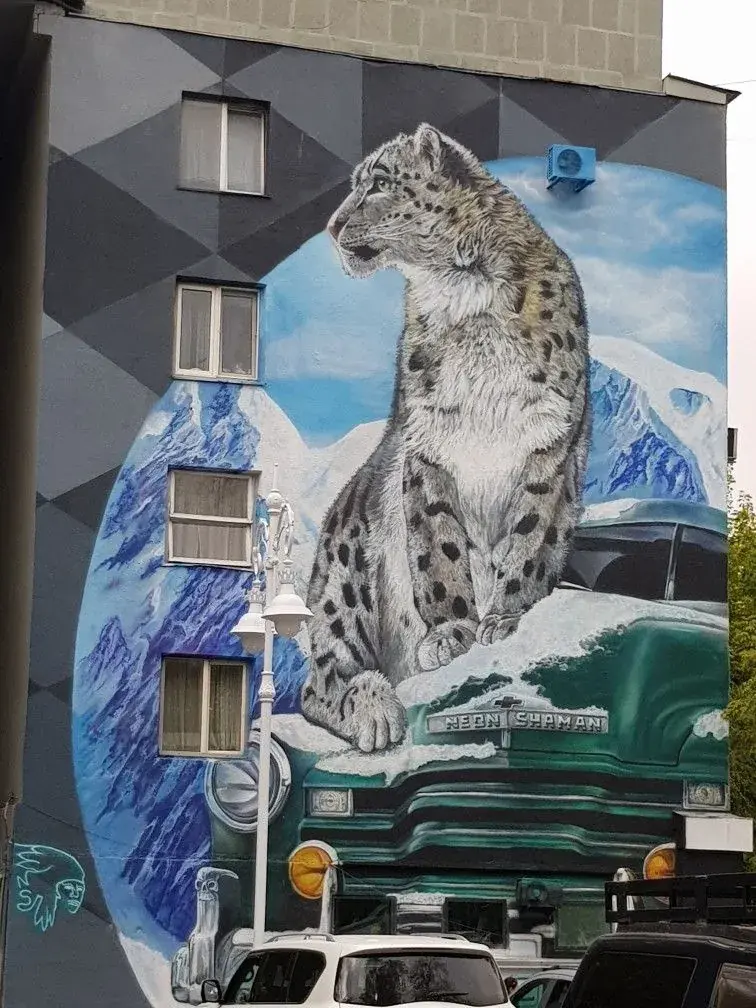
Want to actually understand the murals? On our street art tour, in 2.5 hours you can dig into the styles and techniques with a muralist.
The longest legal graffiti wall in Central Asia
The graffiti wall on Ospanova Street is an open street art space, 420 meters long and about 1,200 sq m. Created in 2023 as part of the “First Layer” project with city support.
More than 40 artists from Kazakhstan and Kyrgyzstan, including the REPAS team, painted the wall along the pedestrian zone between Dostyk Avenue and the Esentai River. It’s a living wall: works are regularly updated.
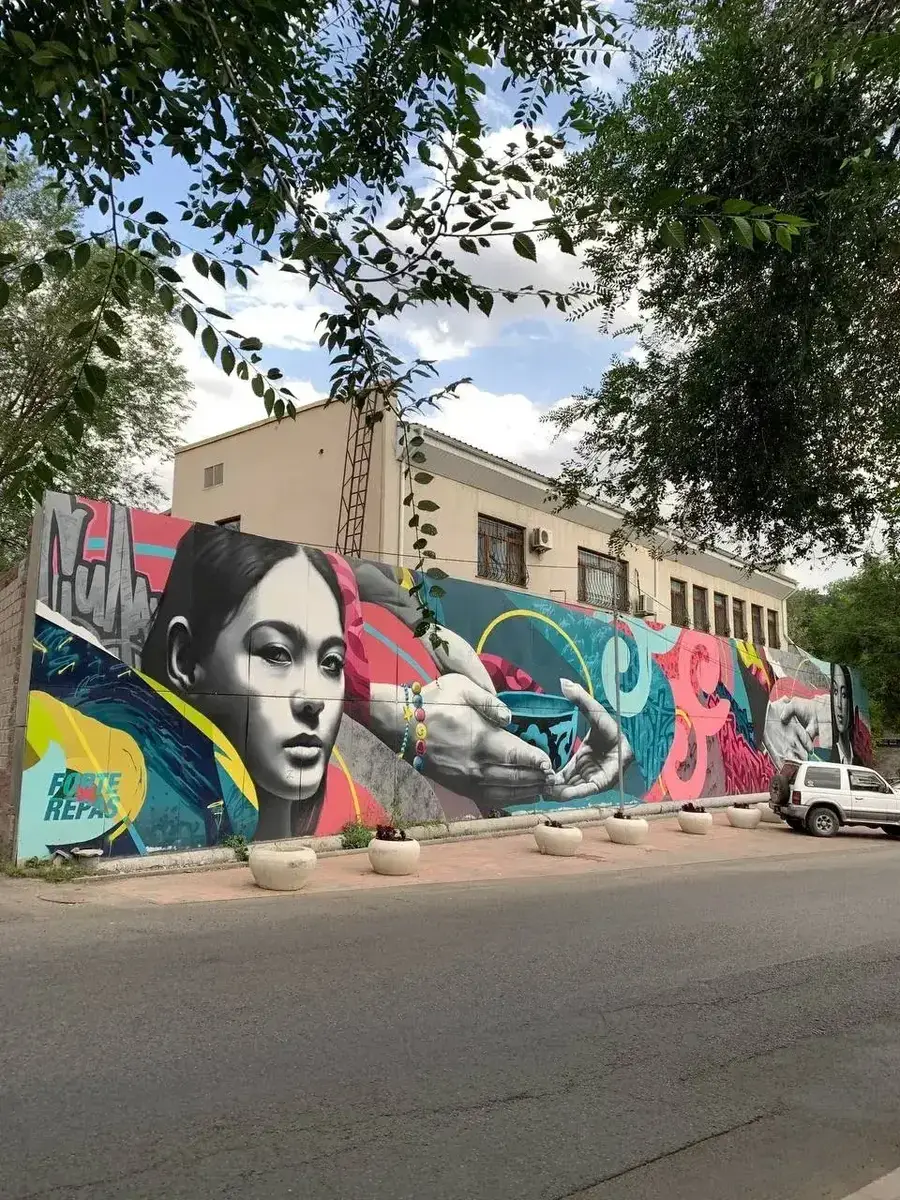 Graffiti wall on Ospanova Street
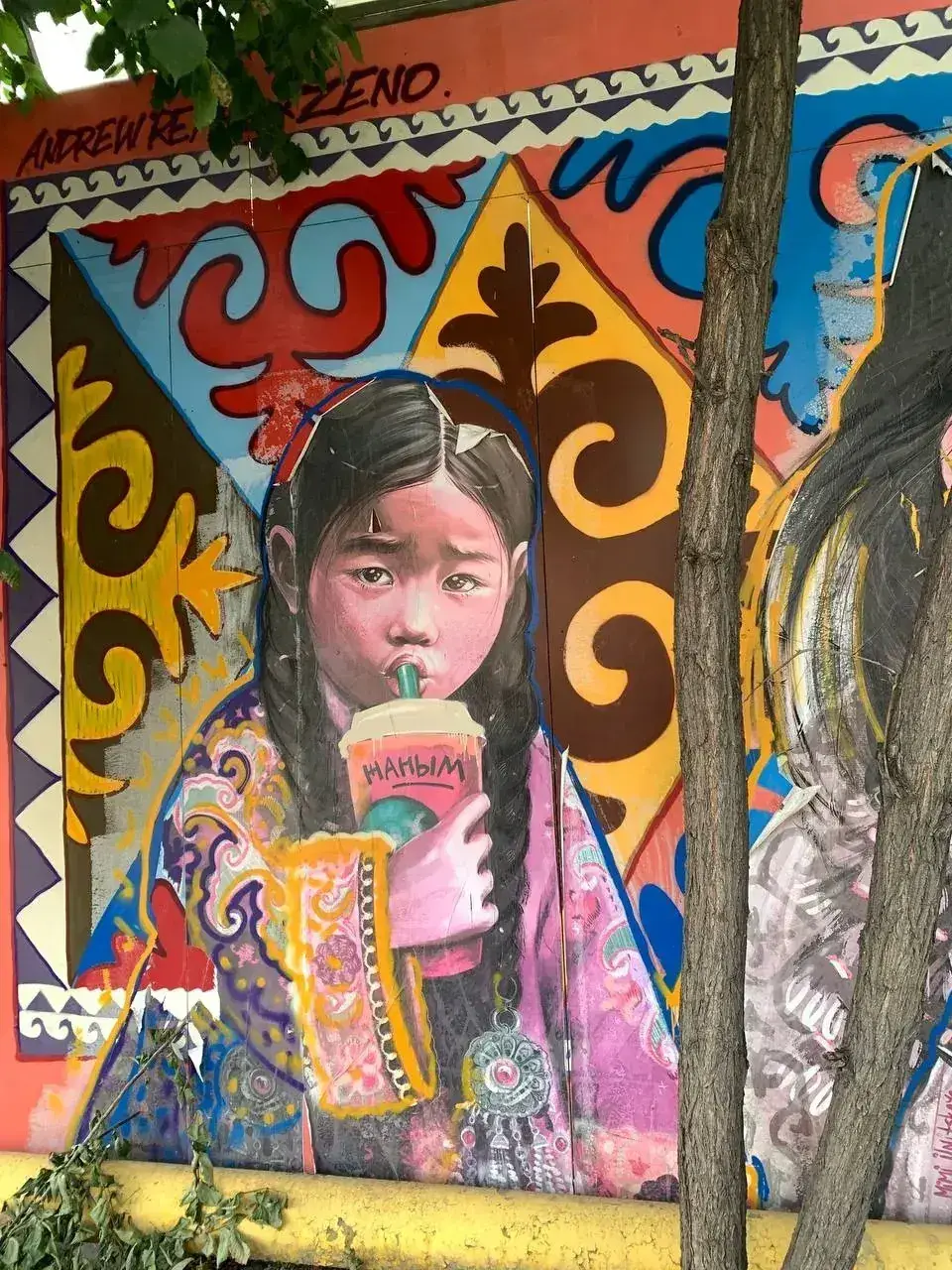
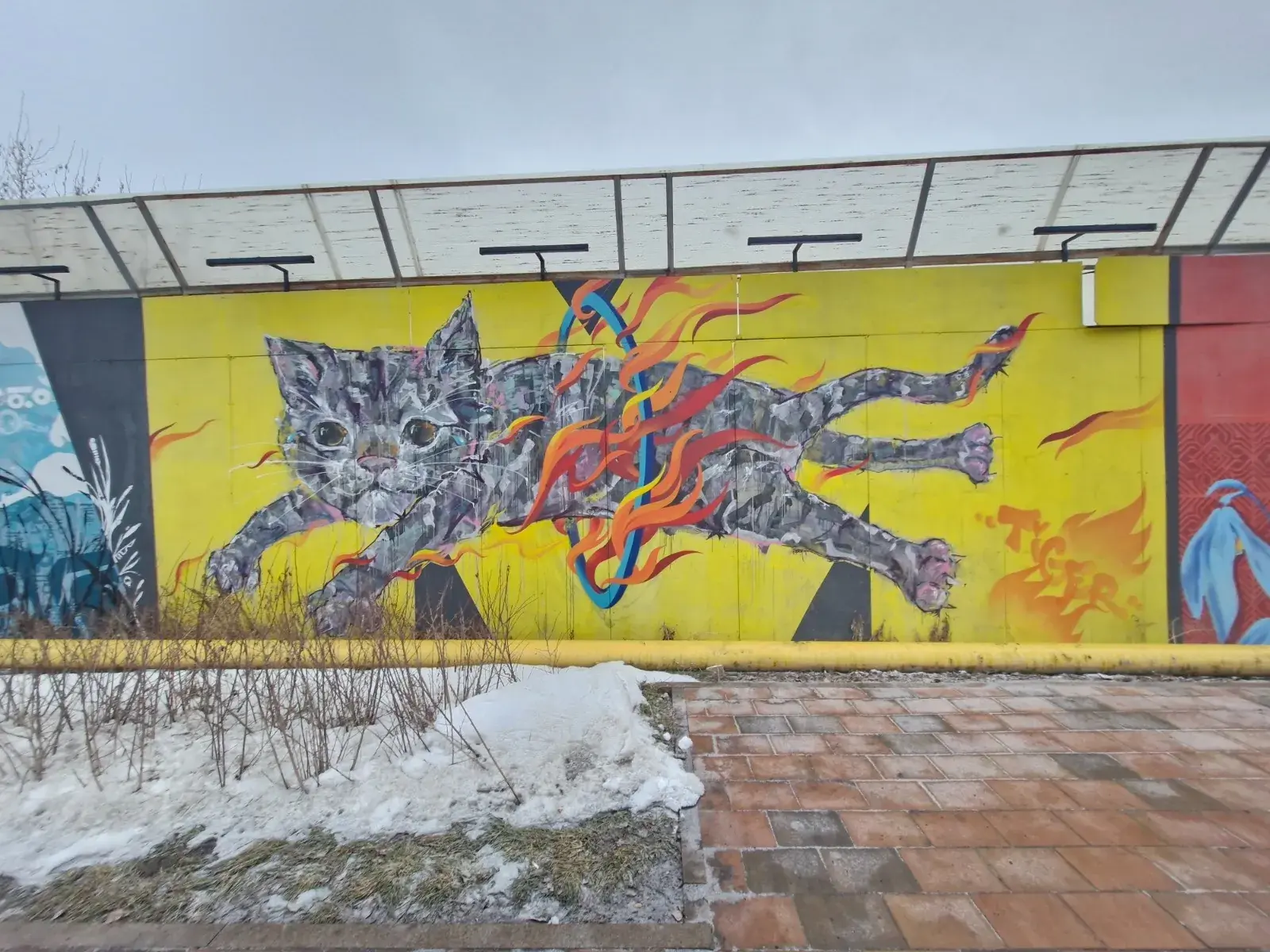
Arbat and Panfilov Street
Two pedestrian streets in the center, perpendicular to each other. Panfilov Street is “Almaty’s Arbat” with more Kazakh flavor: you’ll hear more Kazakh, street musicians play the dombra, vendors sell national souvenirs.
Zhibek Zholy is a classic pedestrian zone with cafes and shops, with performers too. In December–January both streets are decorated with garlands and New Year installations.
Green Bazaar
Worth visiting to soak up the authentic atmosphere and try national products.
Terrenkurs
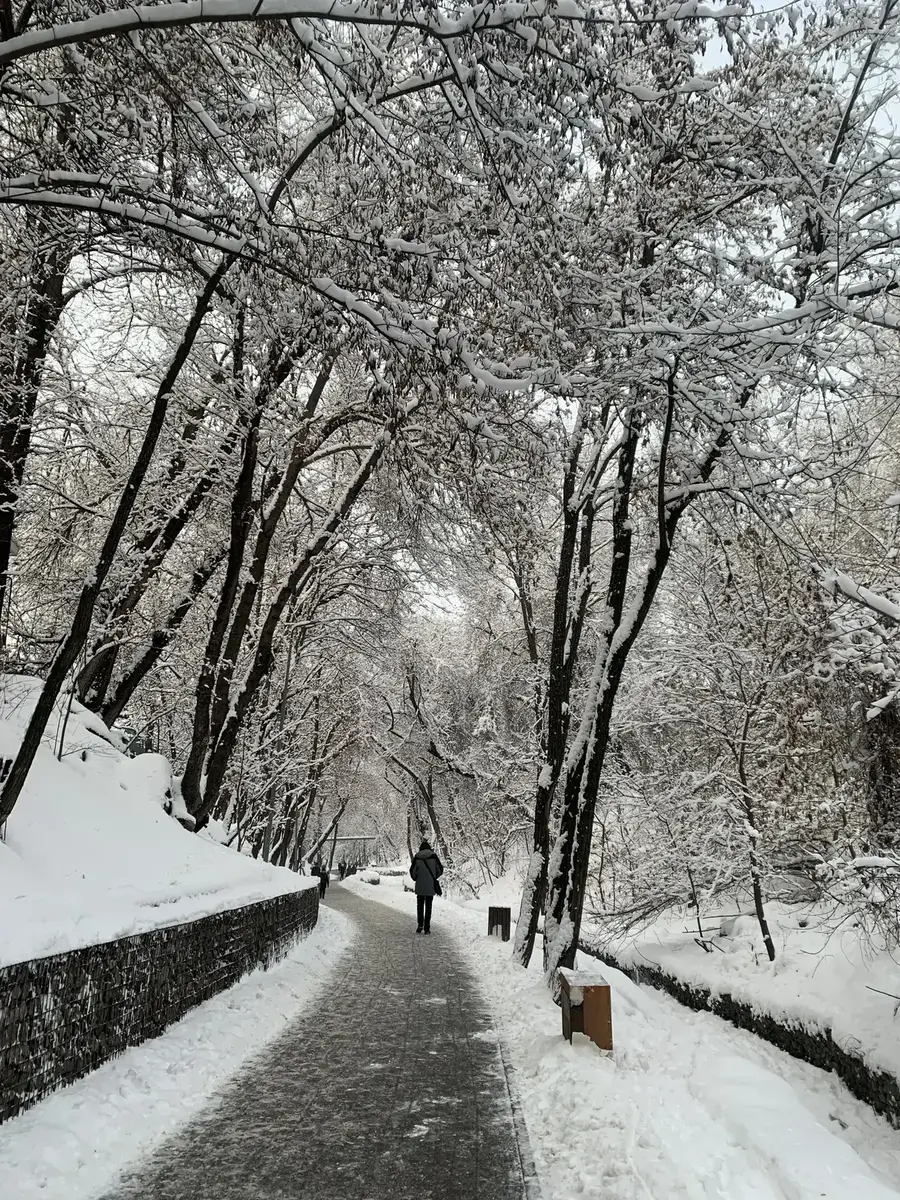
Almaty’s terrenkurs are special “health trails” for walking, originally created as part of public health work in the city. The most famous and oldest runs along the Malaya Almatinka river.
There are two ways to walk them: bottom-up or top-down. The second is easier and more pleasant: you start where the air is cleaner and gradually descend to the city.
 Almaty terrenkurs
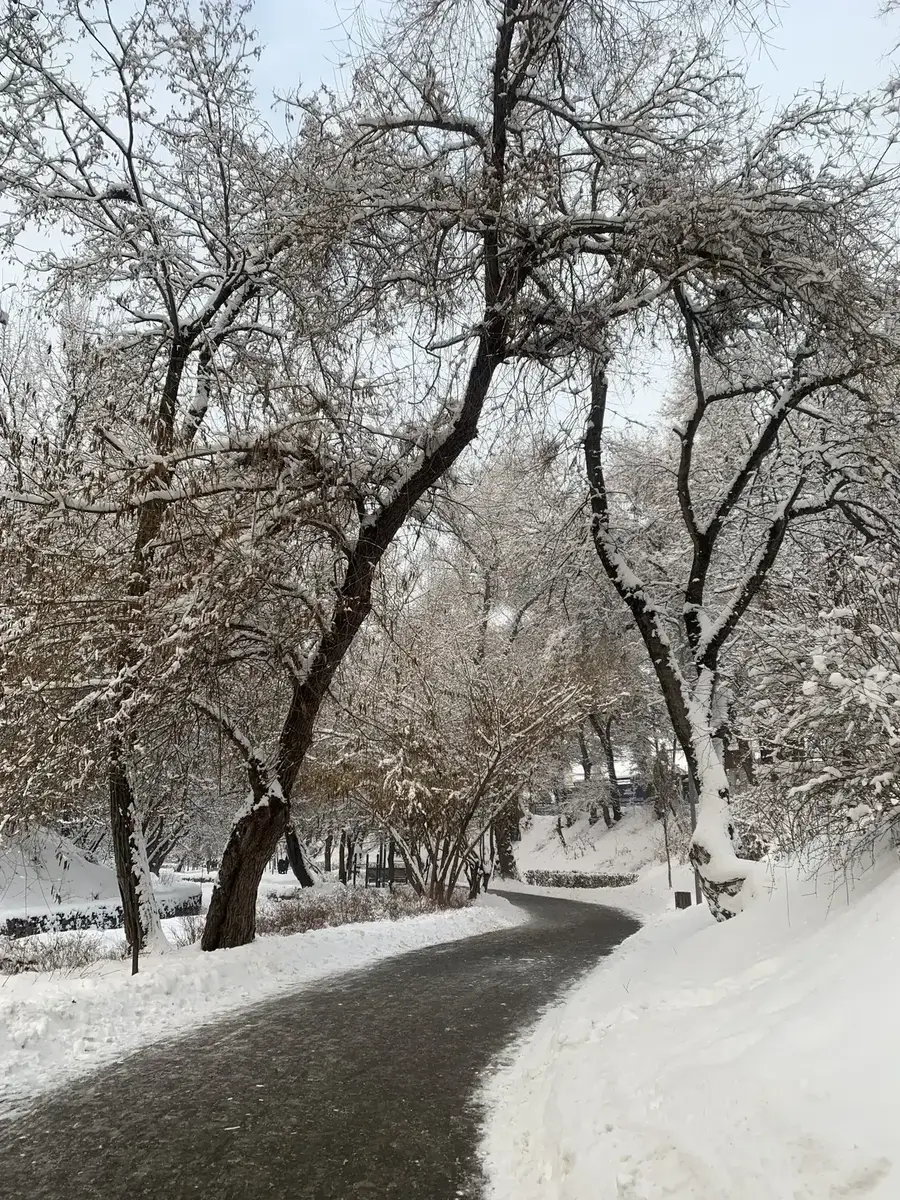
Historic terrenkur (along the Malaya Almatinka) — the main one, built in 1974. Runs parallel to Tattimbet Street and Dostyk Avenue, from “Arman” cinema up to the Royal Tulip hotel. Length 4.5 km. Elevation from 876 to 1,058 m. Lots of cafes along the route.
New terrenkur (along the Esentai) — opened in summer 2022. Runs along the Esentai River and Al-Farabi Avenue. About 7.5 km. Longer than the historic one and wilder in the upper section. Connected the city’s embankment to the foothills.
Botanical Garden
103 hectares of greenery in the city. Open year-round; in winter it’s worth coming to walk the snow-covered alleys with conifers. Pairs well with the terrenkurs.
Cost: 500–1,000 KZT.
Kok-Tobe
A hill with a view of the city. You can take the cable car from the lower station on Dostyk Avenue, ride the minibus from Omarova Street (2,000 KZT one way), or walk. Driving your own car in costs 25,000 KZT per car (since February 1, 2026), so most visitors skip it. At the top: restaurants, cafes, a Ferris wheel and a rope park. In the evening — view of the city lights. In winter it’s cold and windy at the top, dress warmer than below.
Cable car: 6,000 KZT one way, 10,000 KZT round trip for an adult (October 2026).
Republic Square
In December–January it’s the city’s main Christmas tree spot and ice town. Slides, ice sculptures, holiday vibe. Free, but crowded during the holidays.
Almaty Metro
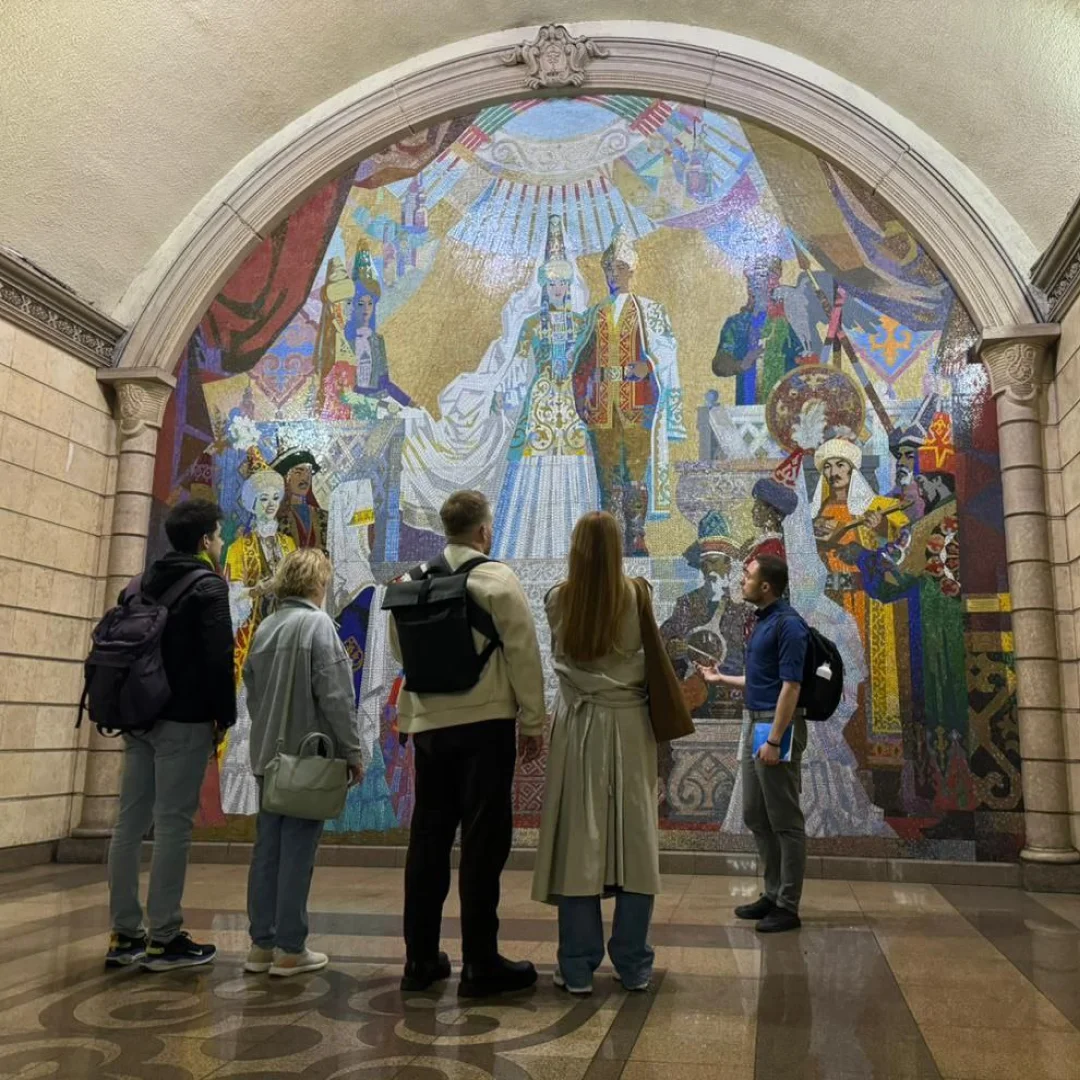
11 stations on a single line. Each with its own design: national motifs, historical references, contemporary art.
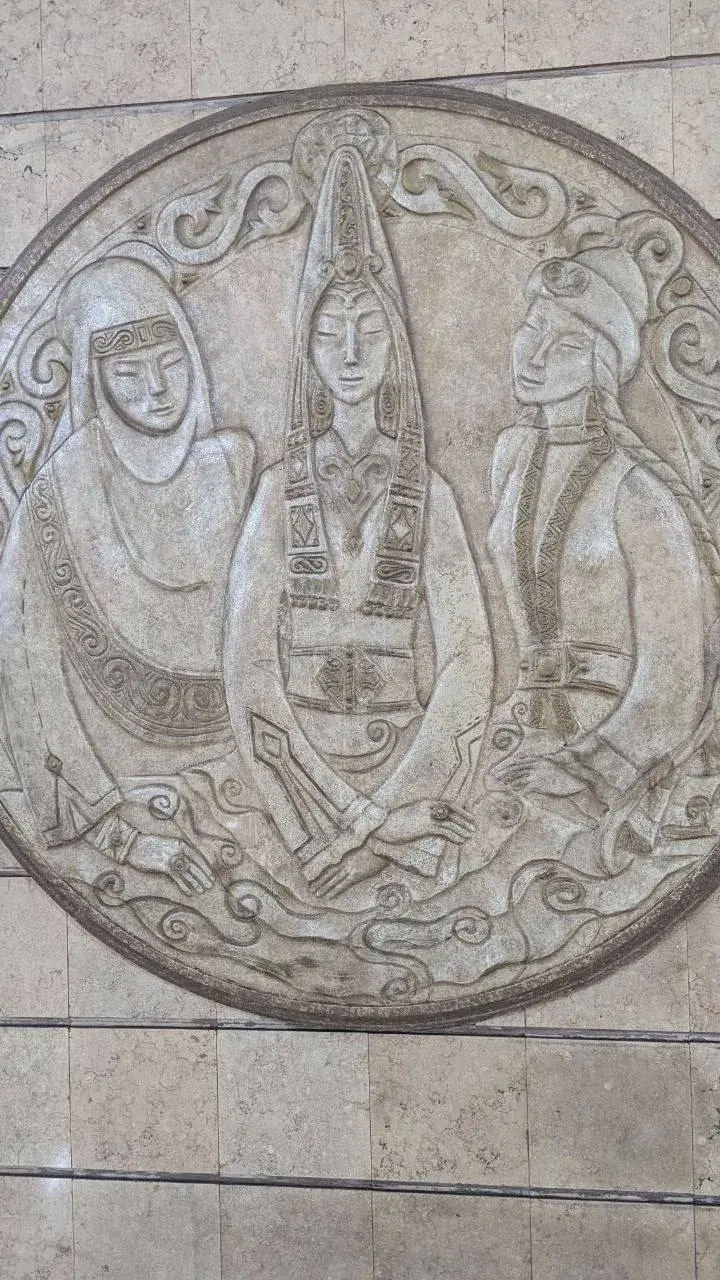 Almaty Metro
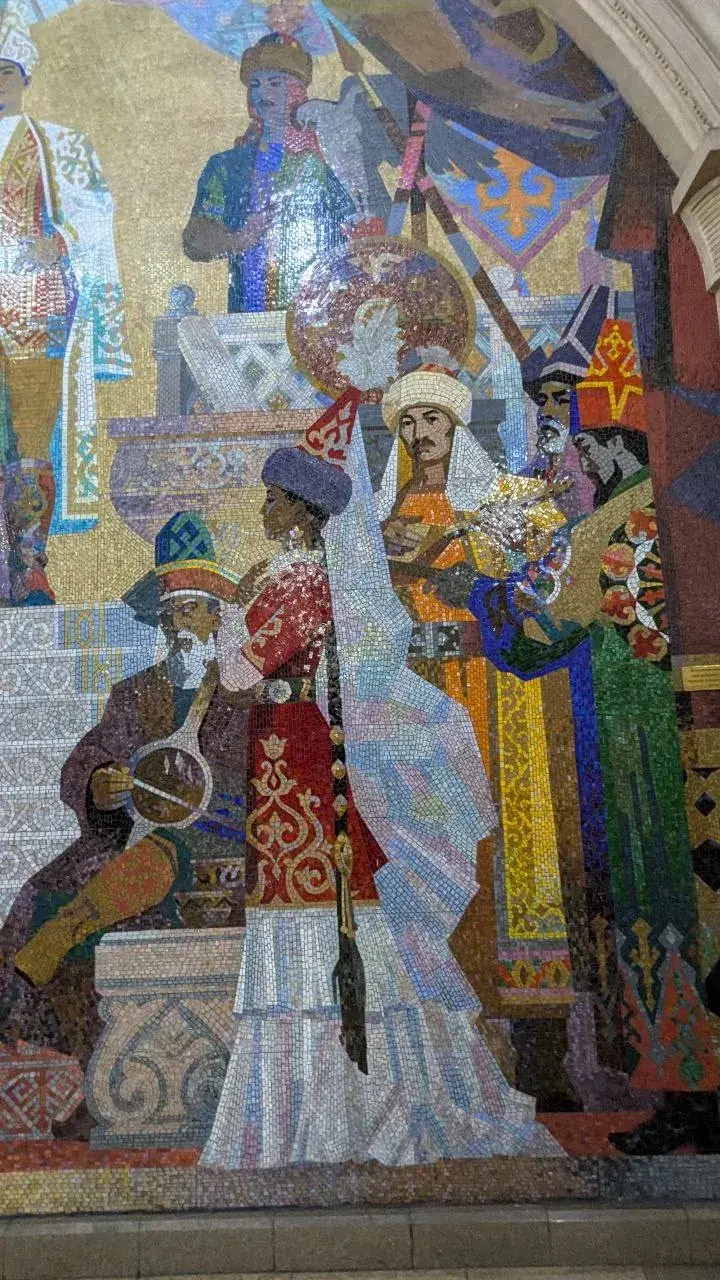
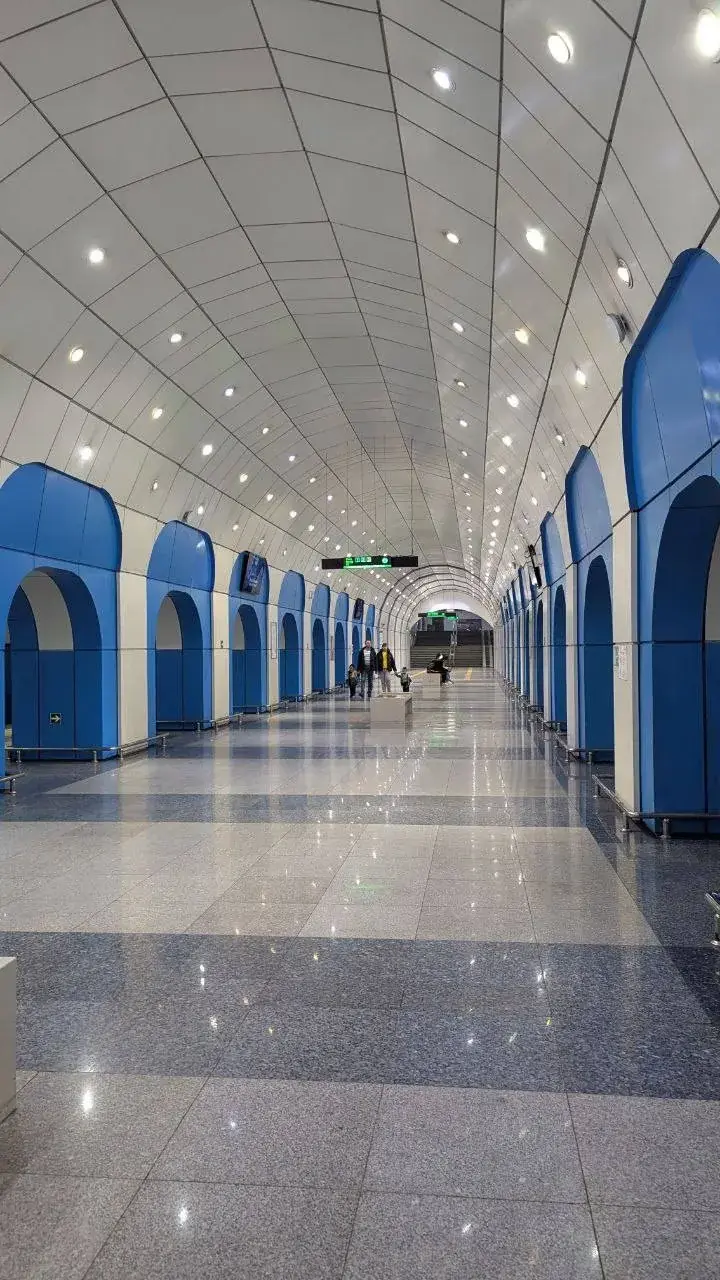
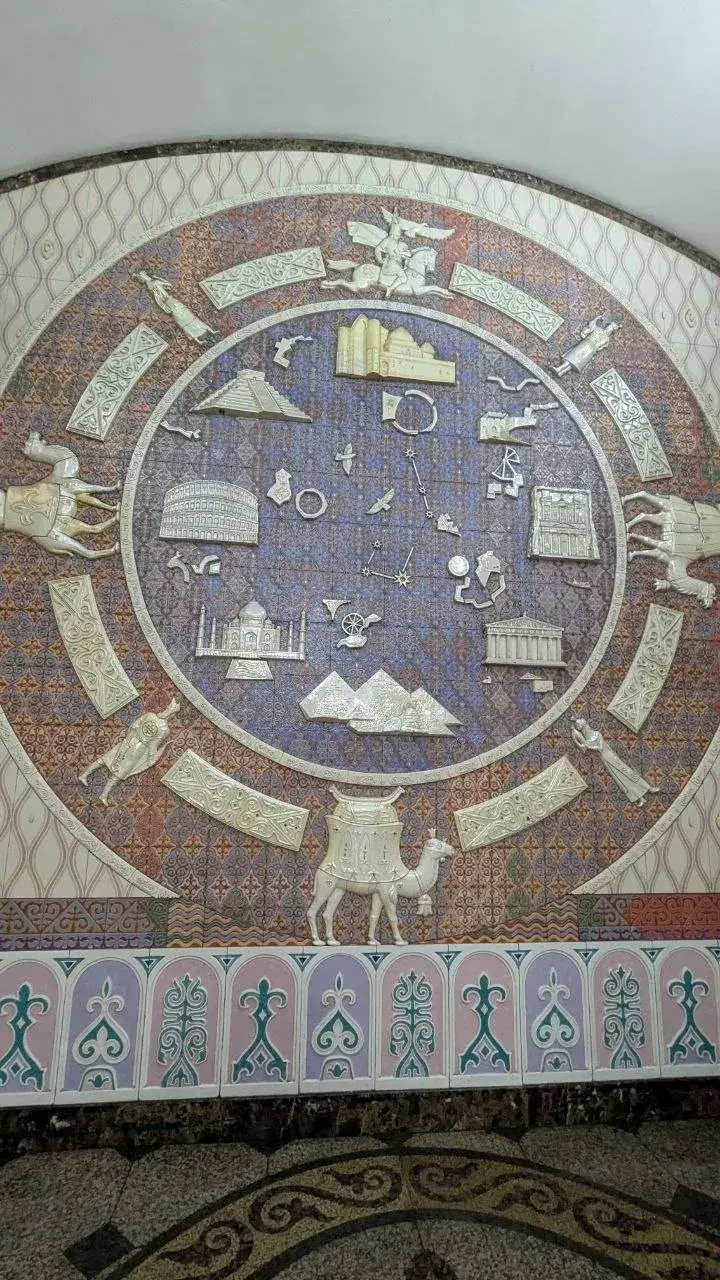
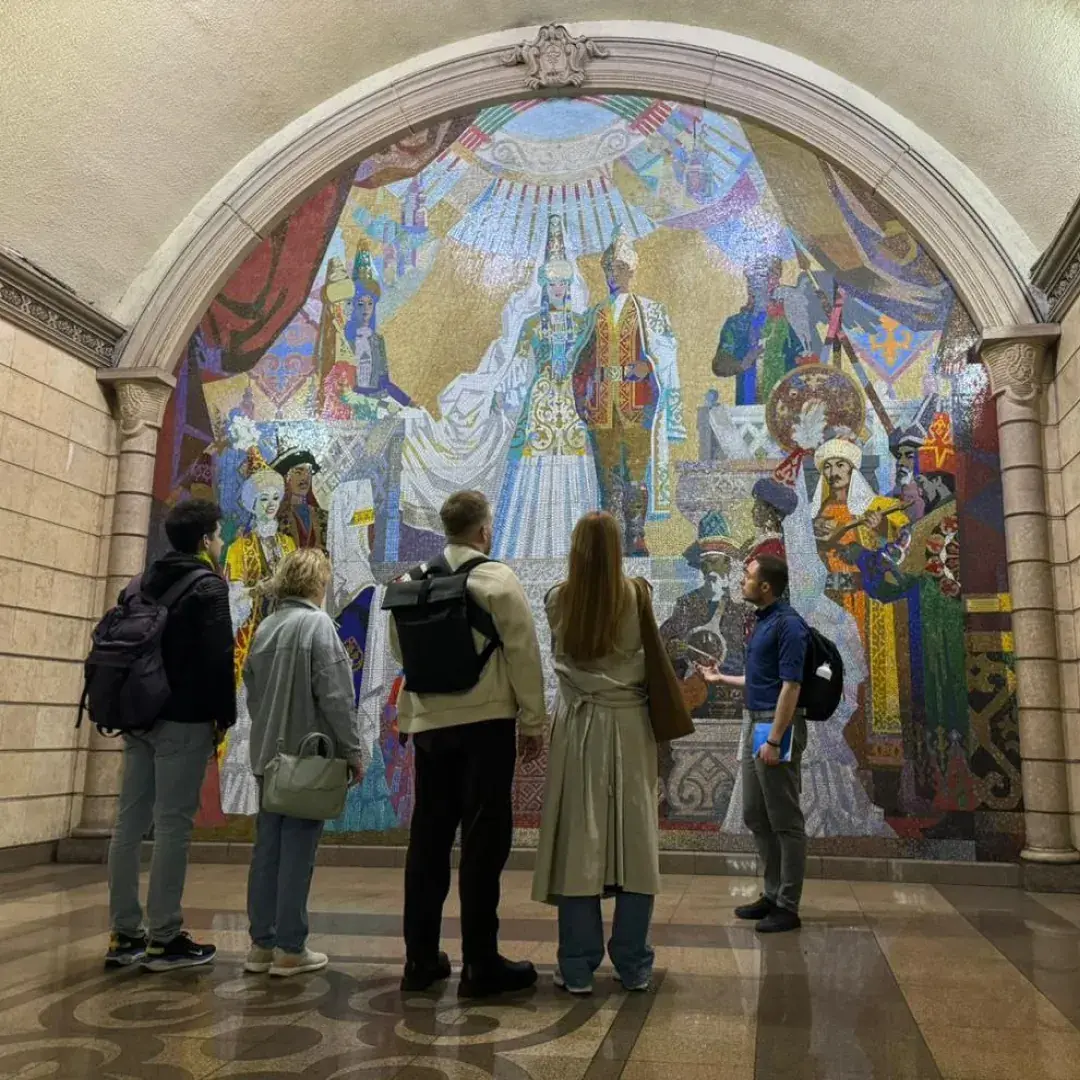
Fare: 120 KZT — one of the cheapest ways to get around. You can ride the entire line and see all the stations in 20–25 minutes.
Notable stations: “Almaly” (central, with Kazakh ornaments), “Zhibek Zholy” (a Silk Road reference), “Baikonur” (space-themed in honor of Kazakhstan’s cosmodrome).
In winter, the metro is especially convenient: warm, fast, no traffic or smog. Details on each station — on our metro tour.
Museums
Almaty Museum of Arts
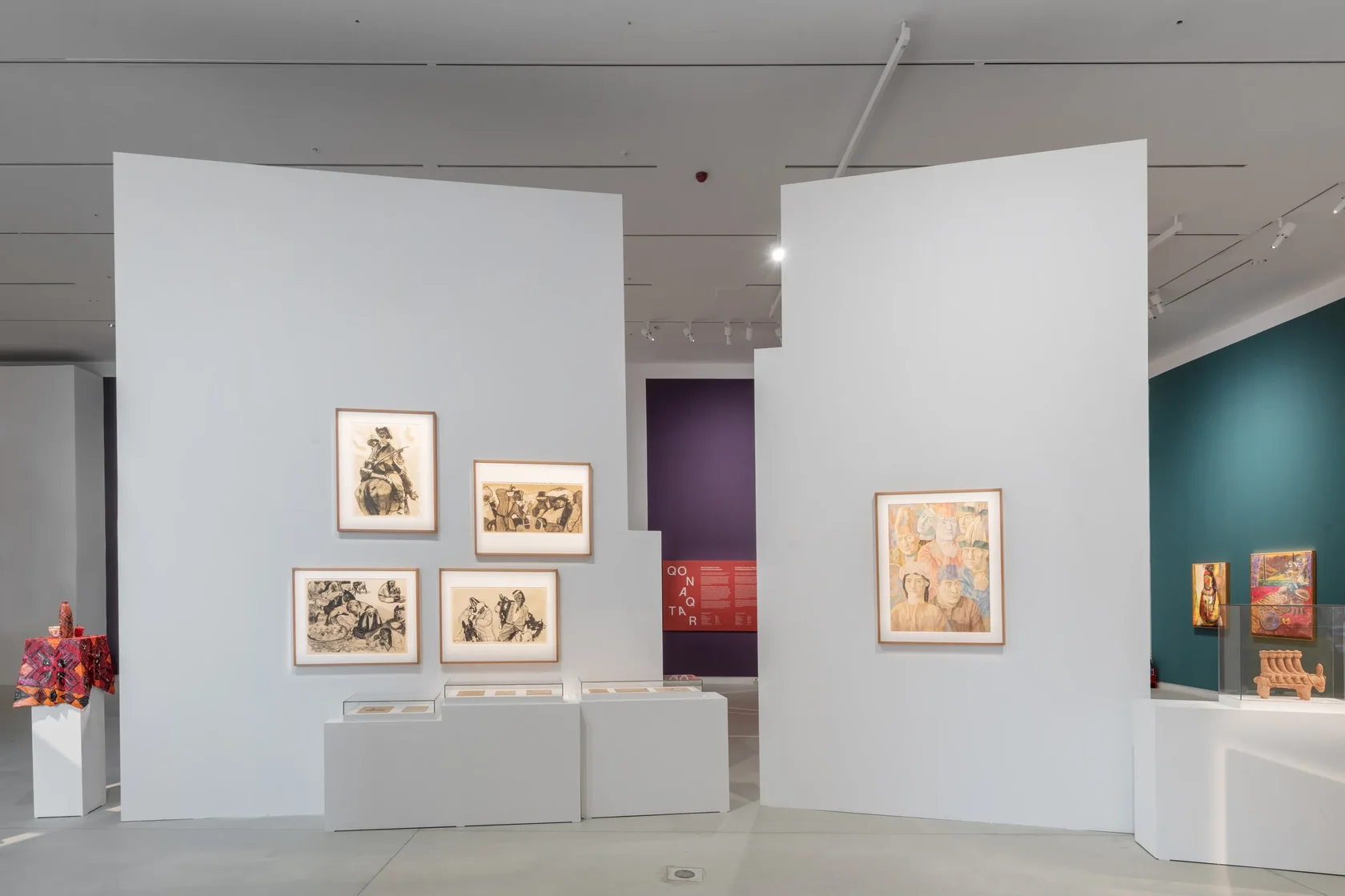
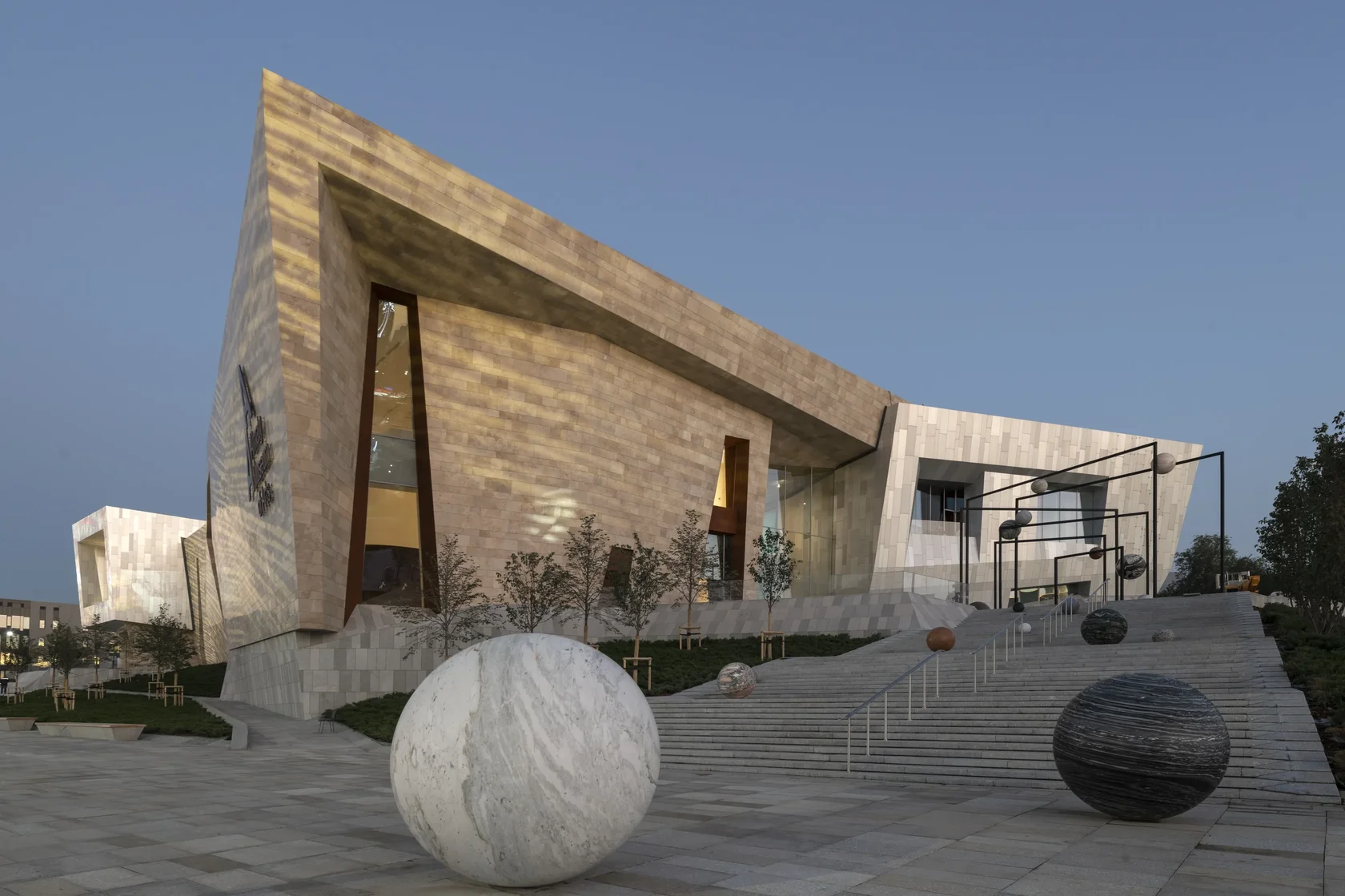
The city’s main cultural new opening. The first private museum of this scale in Central Asia, opened in fall 2025 (Nurlan Smagulov foundation).
Why go: to see world-class architecture (Chapman Taylor bureau) and contemporary art previously not exhibited in Kazakhstan. Works by world-class names (Richard Serra, Yayoi Kusama, Alicja Kwade) in dialogue with Central Asian artists. European-gallery level.
What’s interesting: the building itself is an art object at the corner of Al-Farabi and Nazarbayev. Great bookshop and cafe inside.
Price: ~2,000 KZT adult, 500 KZT reduced. Hours: 11:00–20:00 (Mon closed). Website: almaty.art
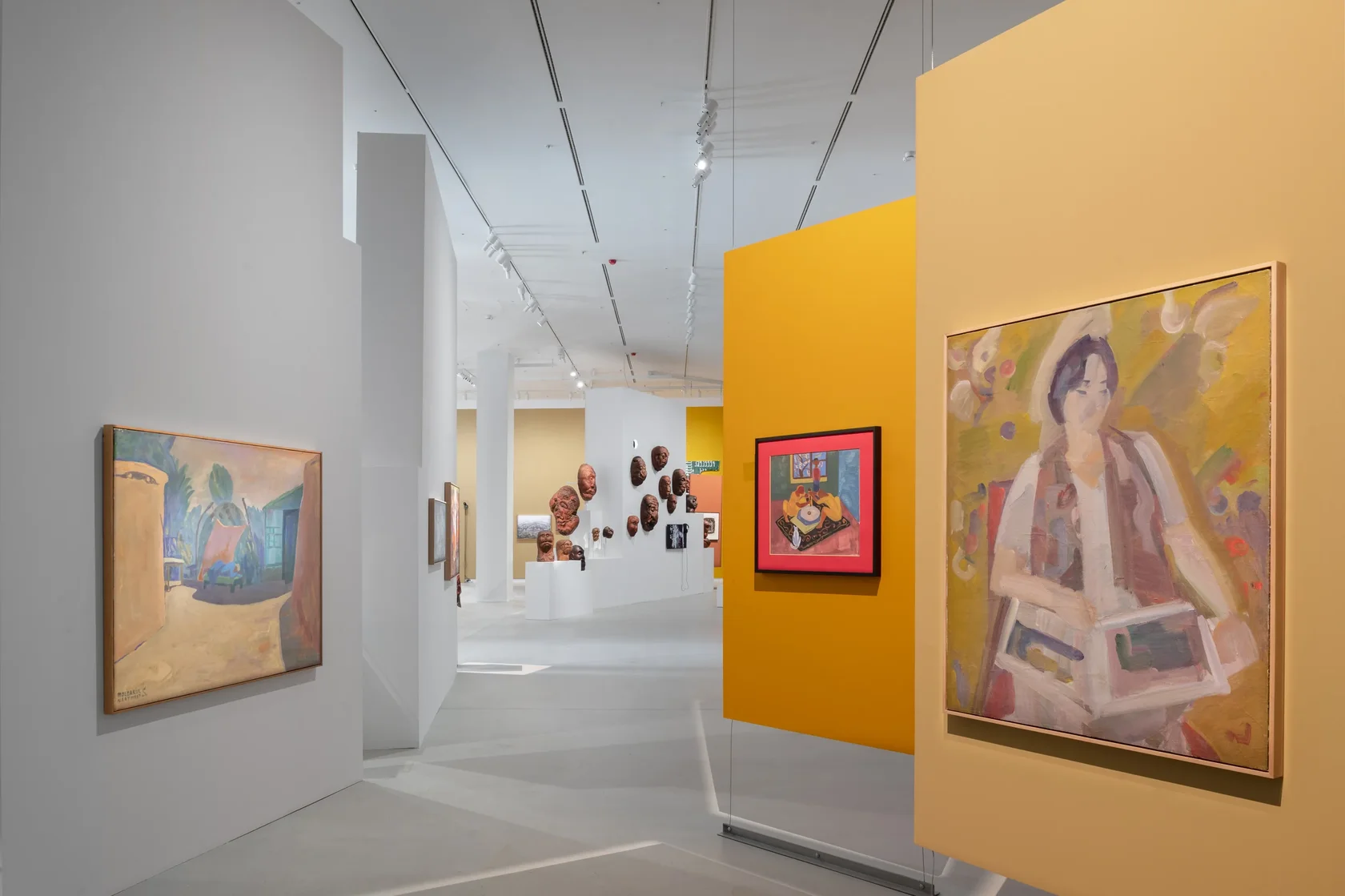 Almaty Museum of Arts
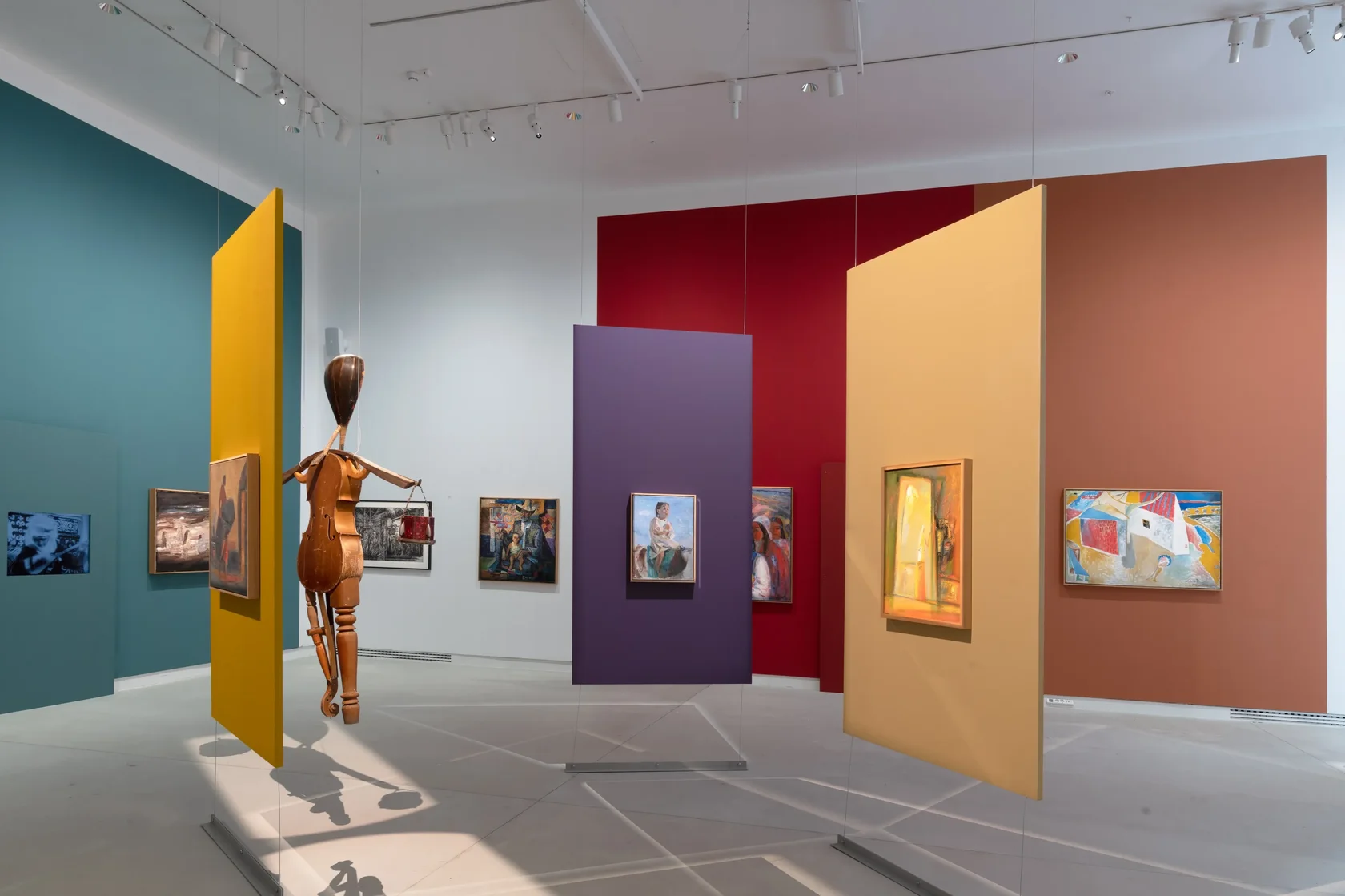
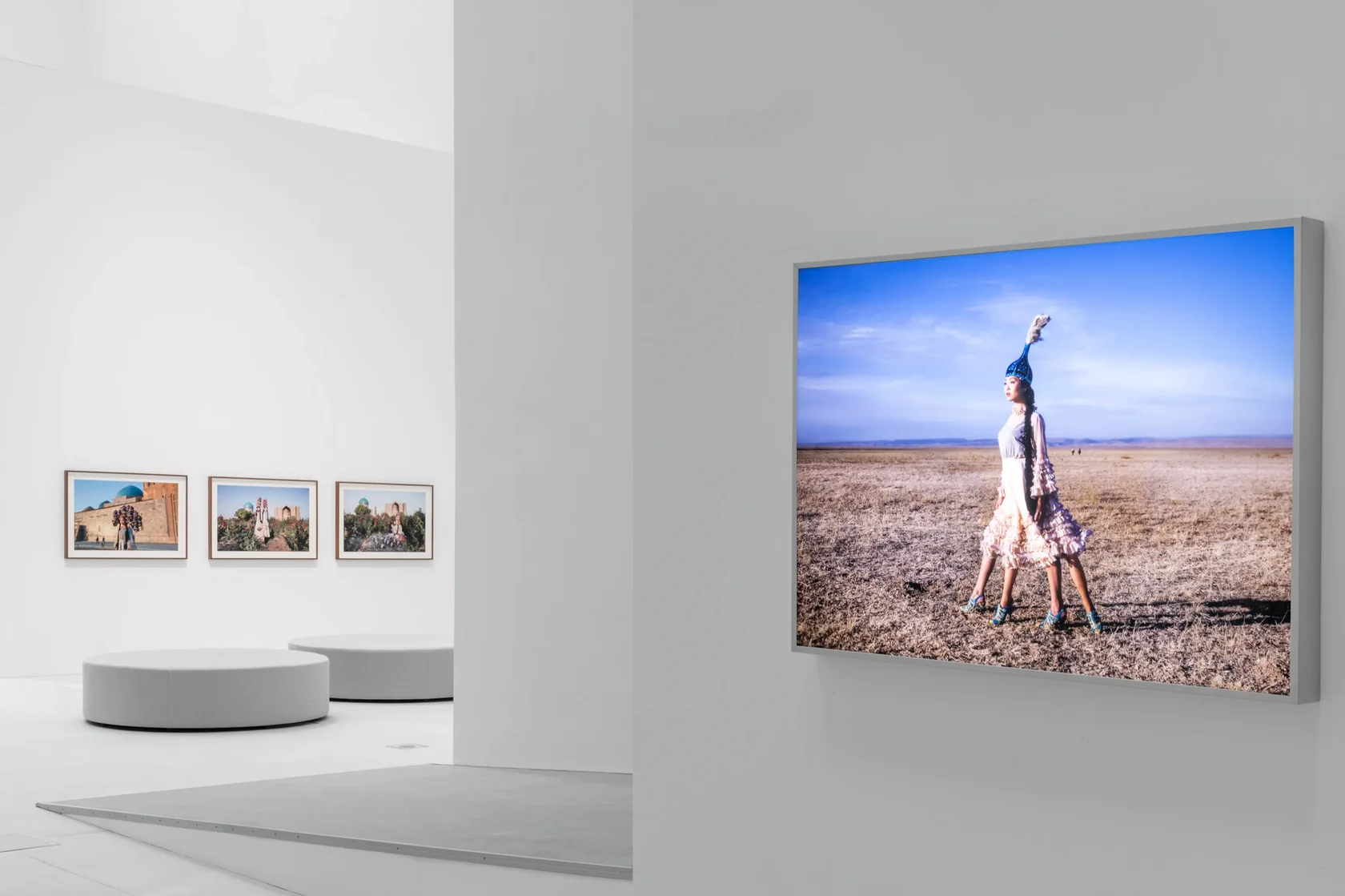
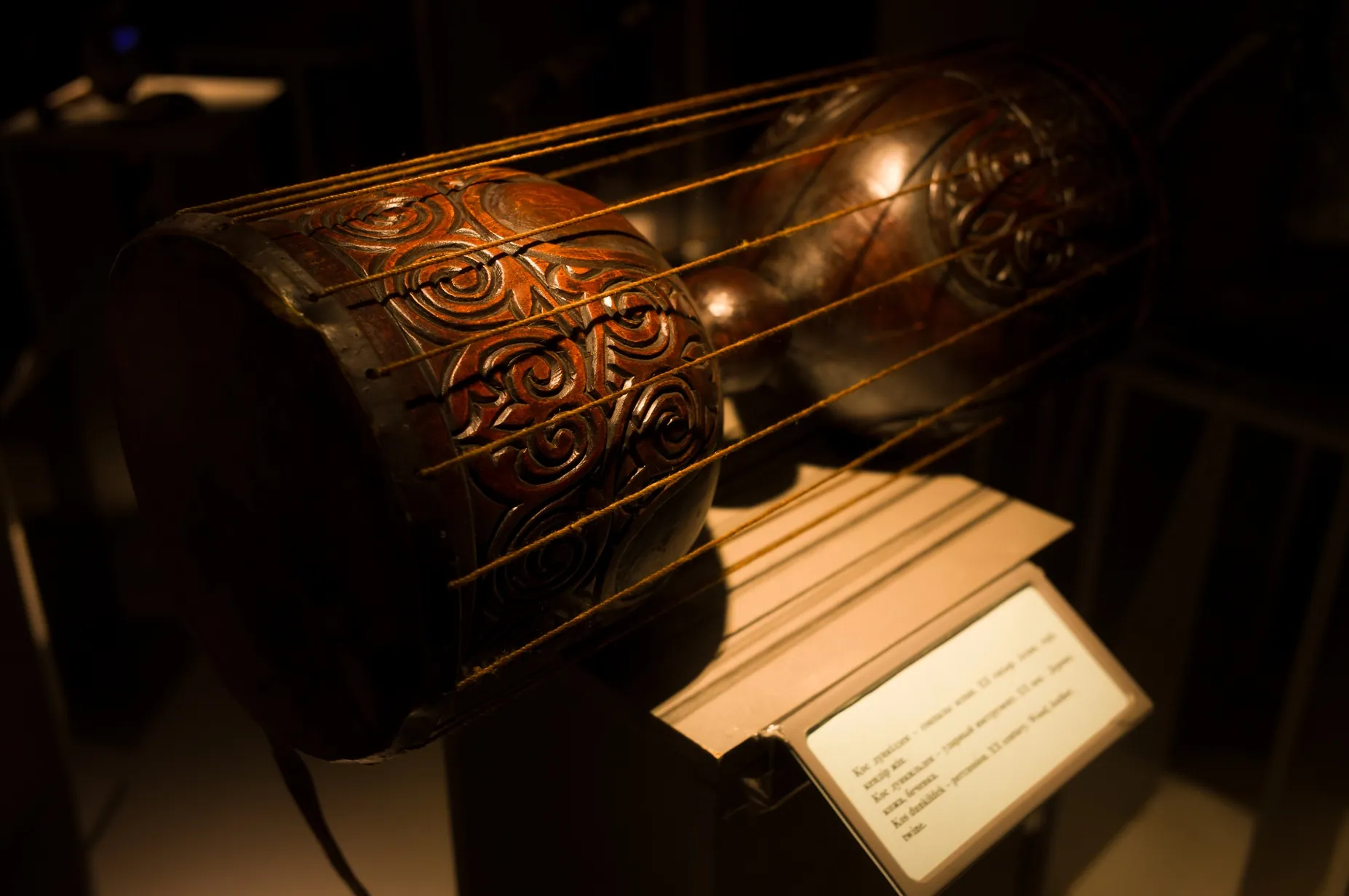
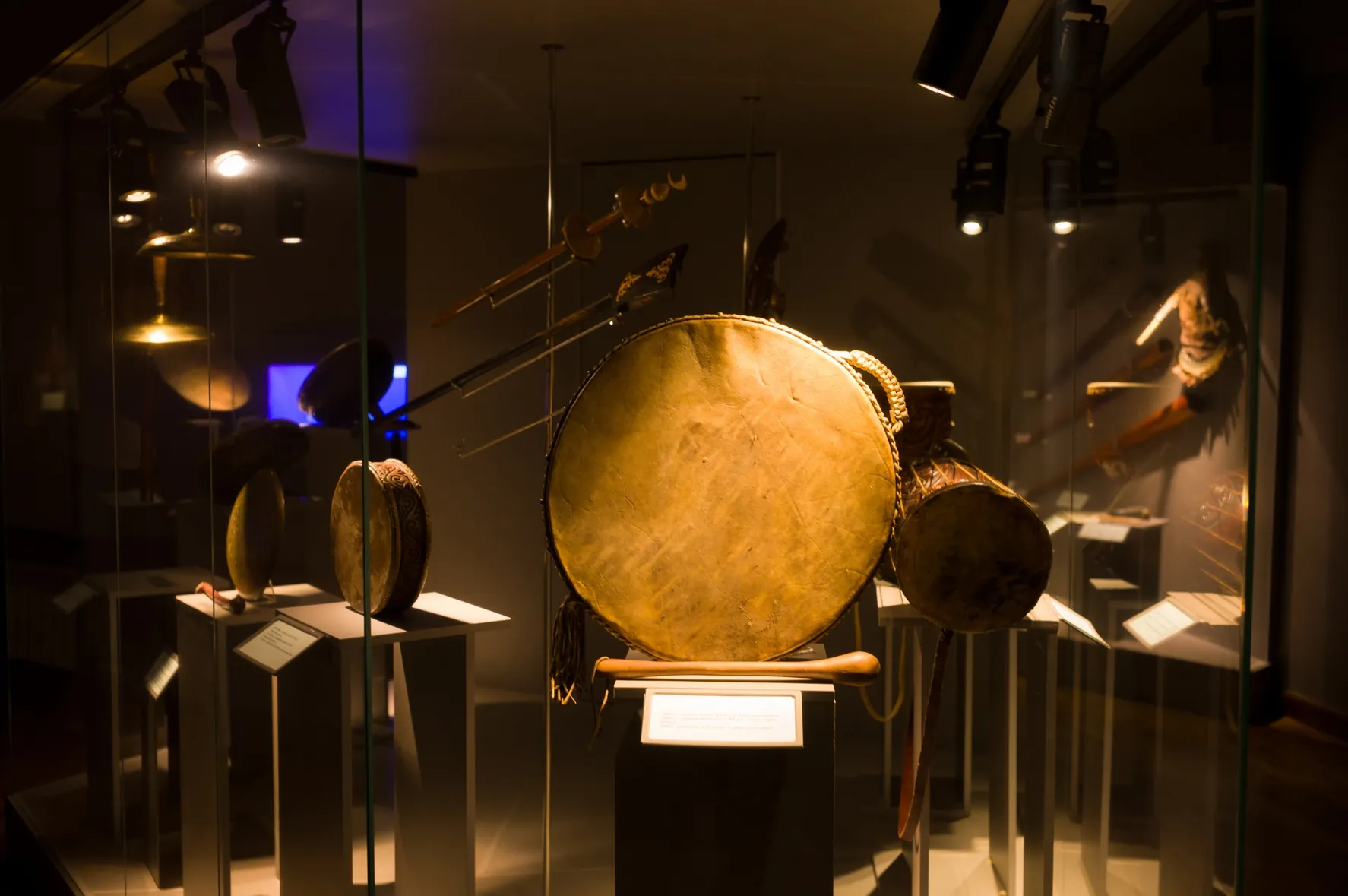
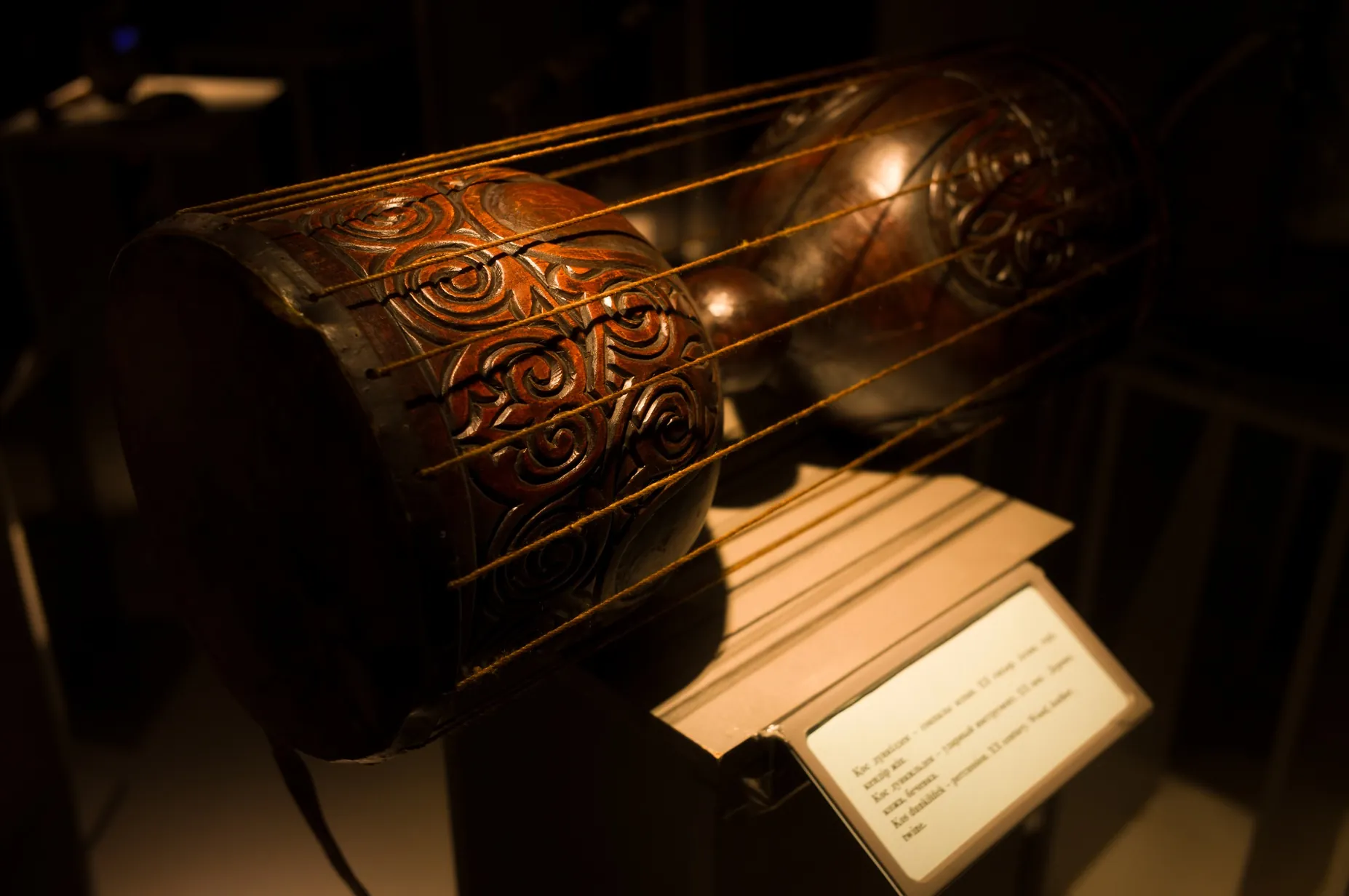
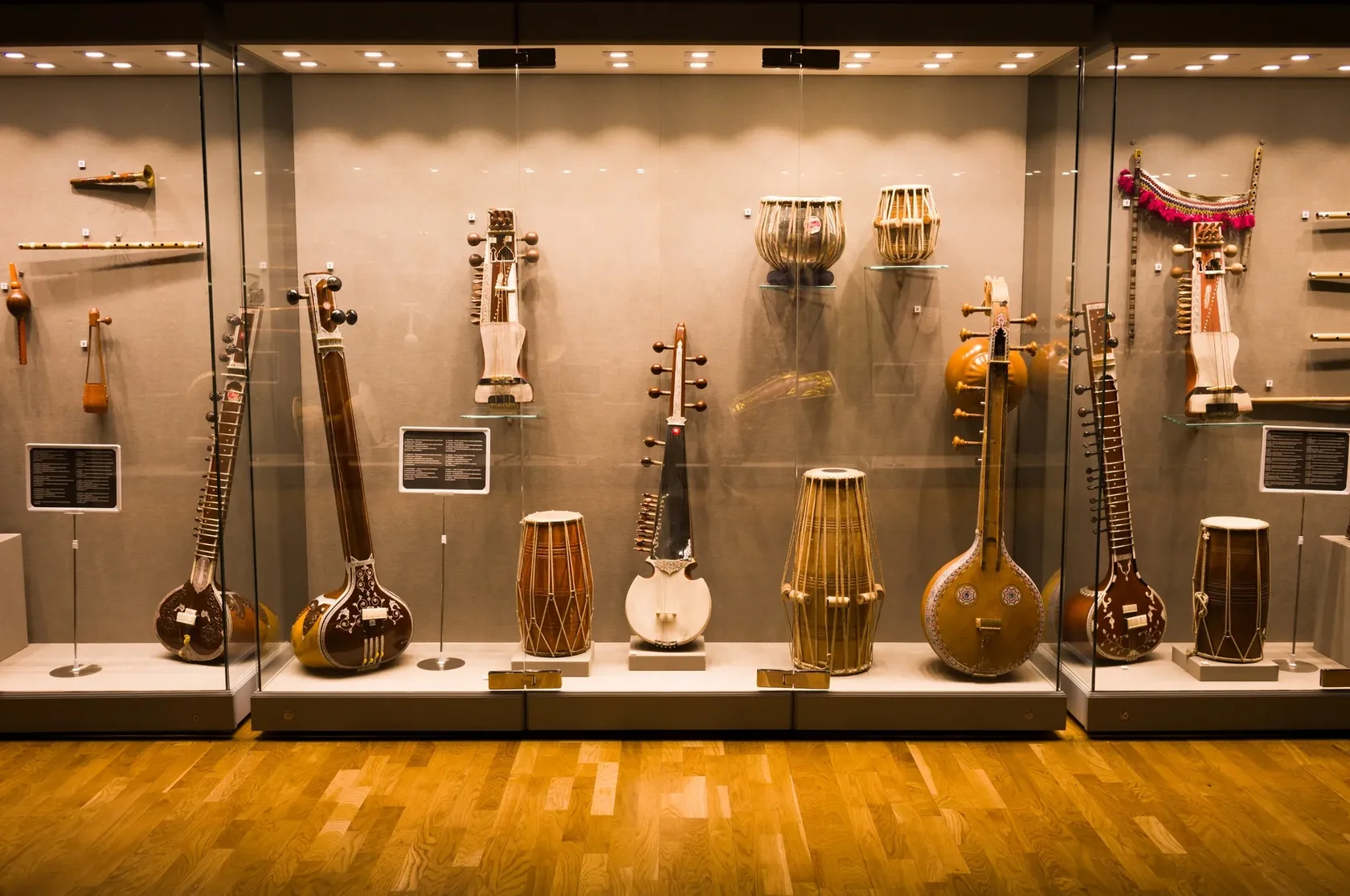
Ykhlas Folk Instruments Museum
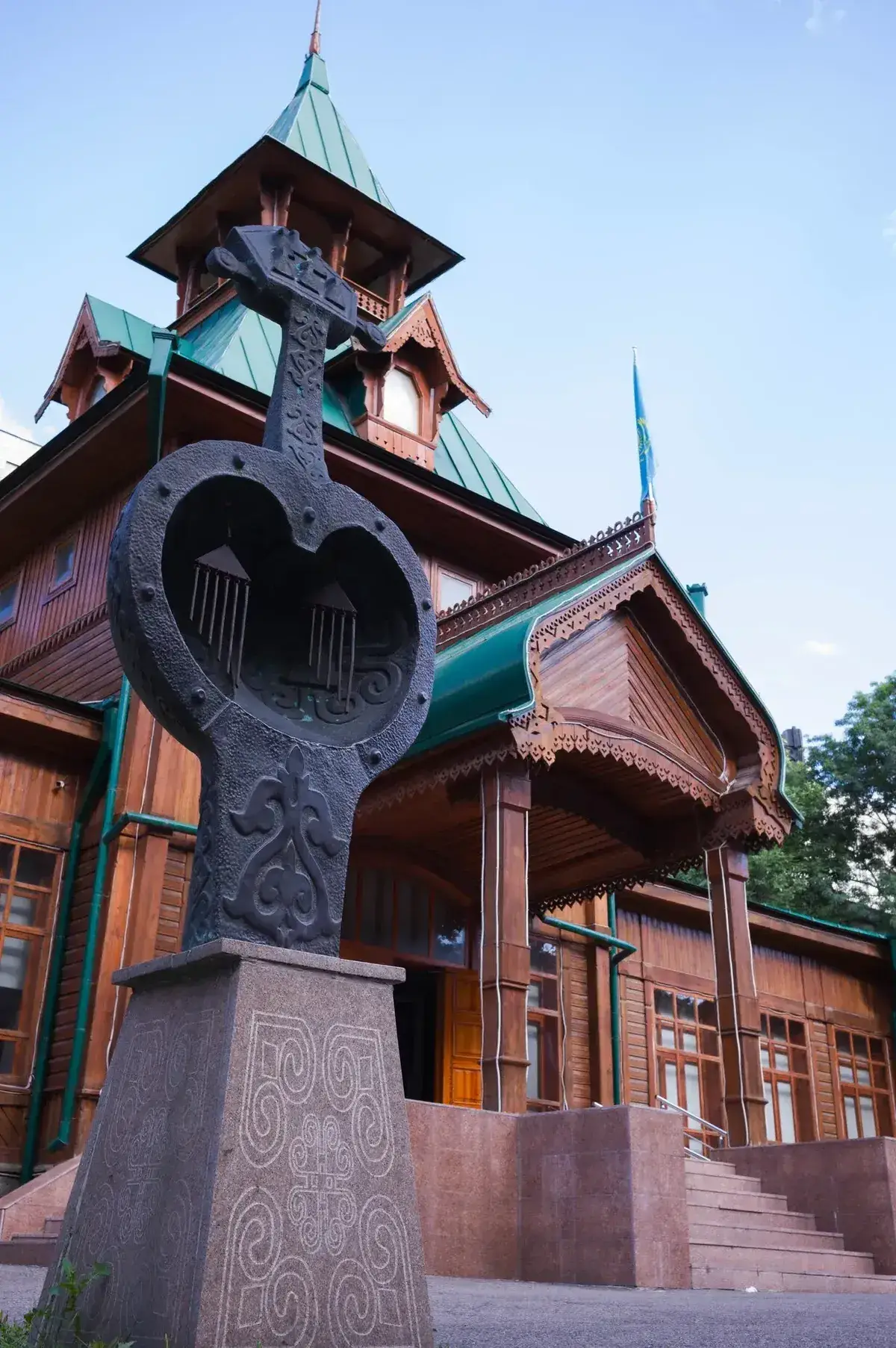
The most atmospheric museum for a tourist, located in 28 Panfilov Park.
Why go: for the building and a dive into national flavor without dry lectures. The building is a wooden mansion from 1908 (former Officers’ Assembly Hall), one of the last examples of Verny-era architecture to survive earthquakes.
What’s interesting: a collection of unusual Kazakh instruments (narqobyz, zhetygen, adyrna). Many displays have multimedia: press a button and hear how each one sounds.
Price: ~500–1,000 KZT. Pairs perfectly with a walk through the park and the Ascension Cathedral.
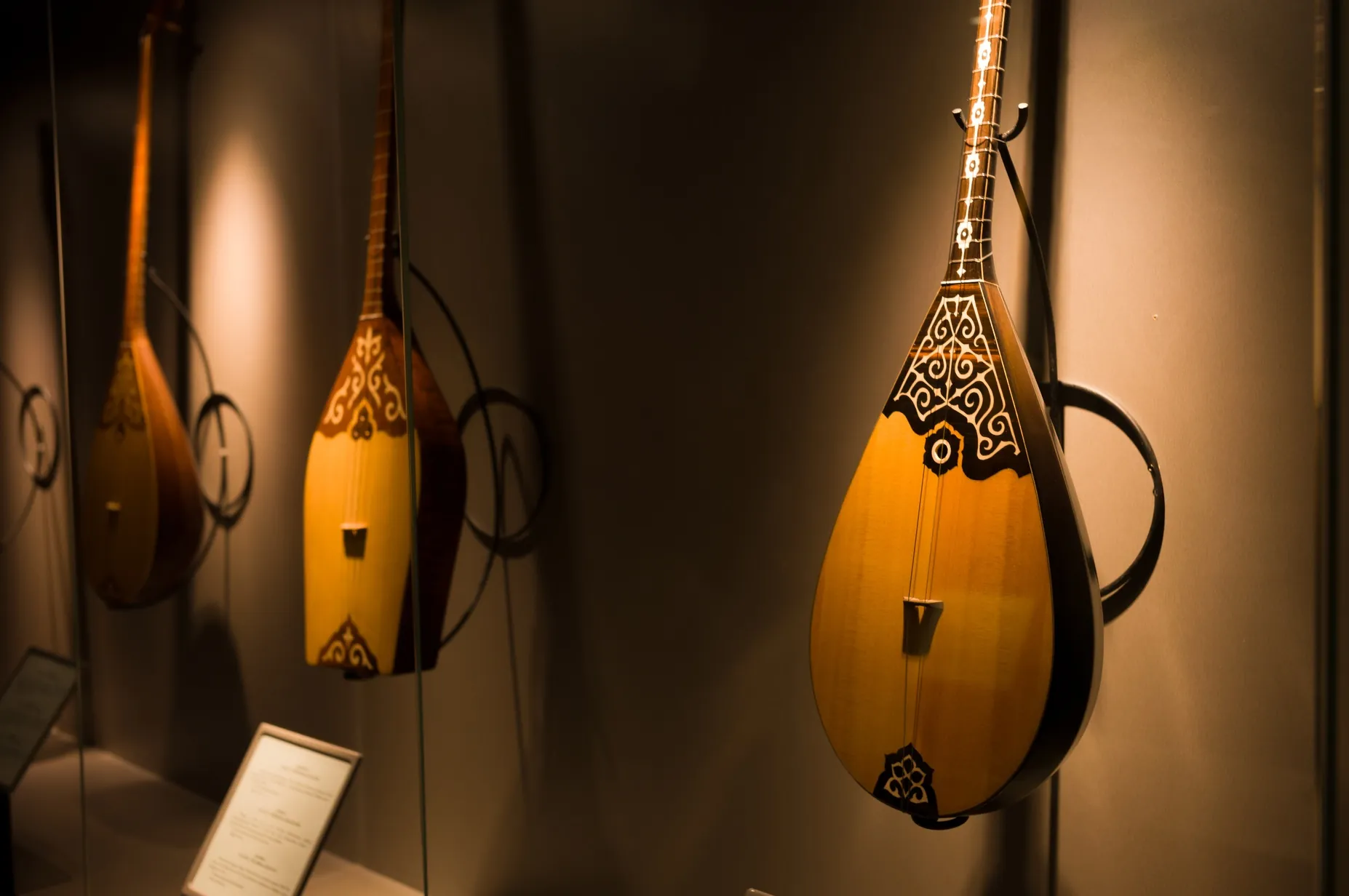 Ykhlas Folk Instruments Museum, photo from museum's site
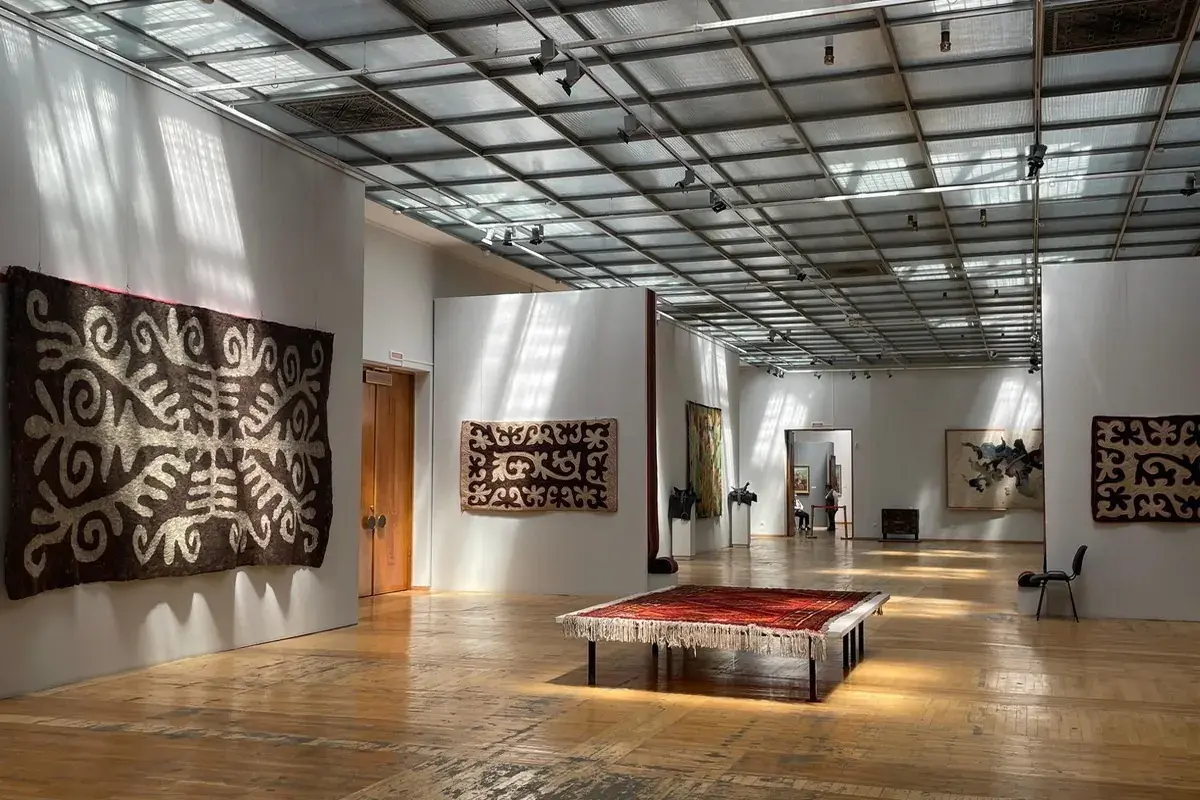
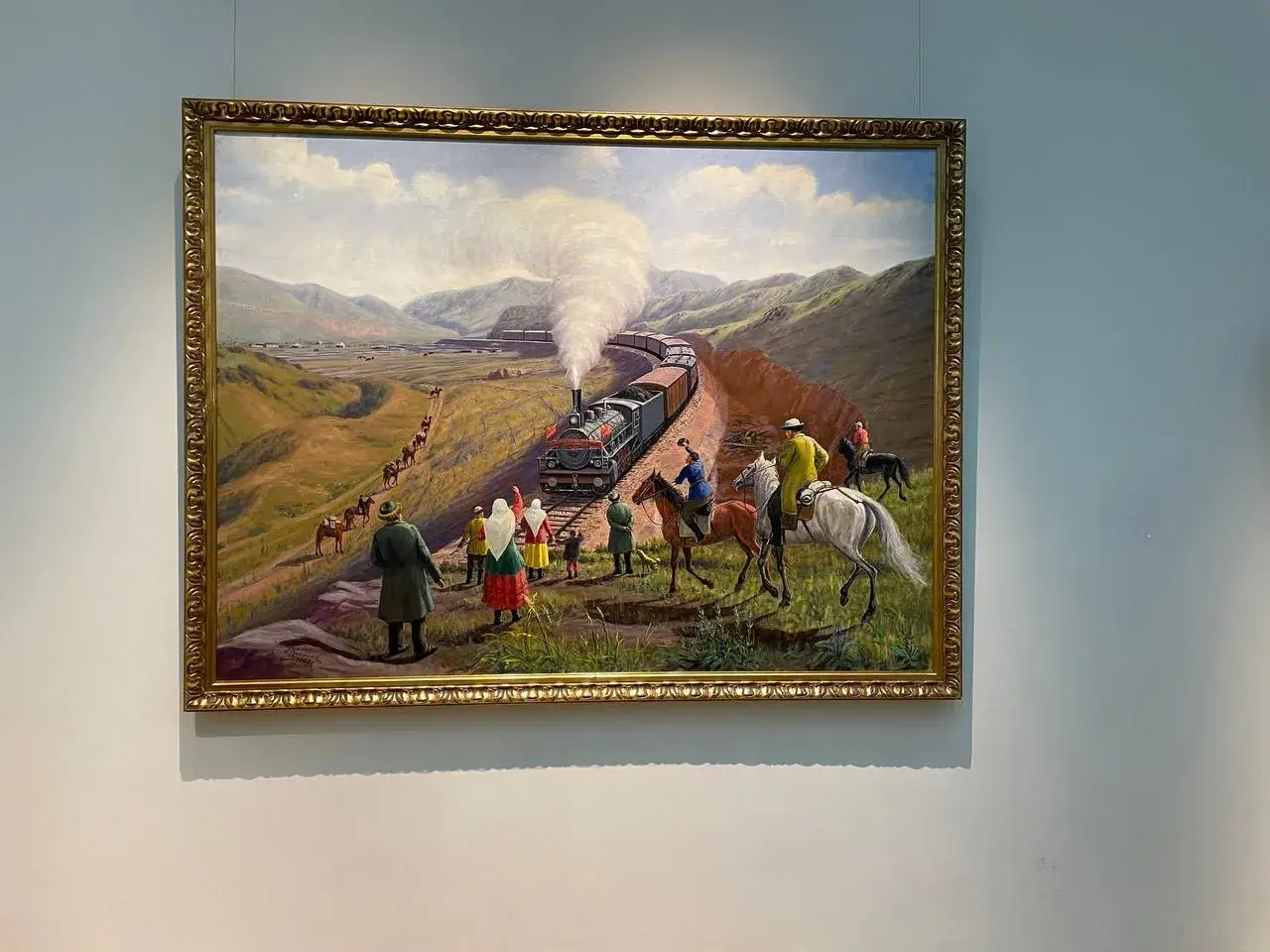
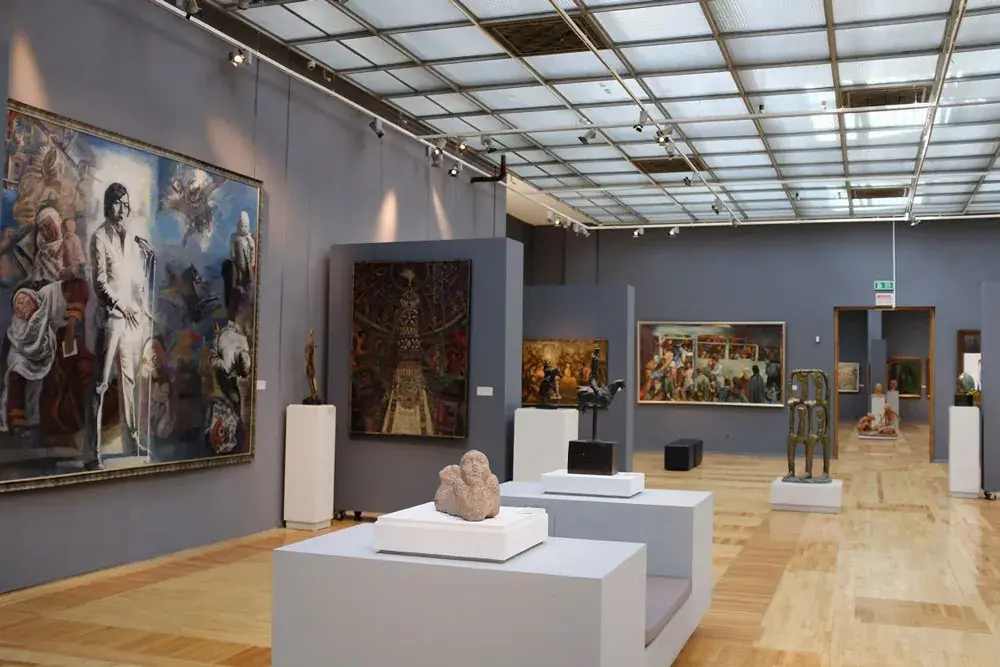
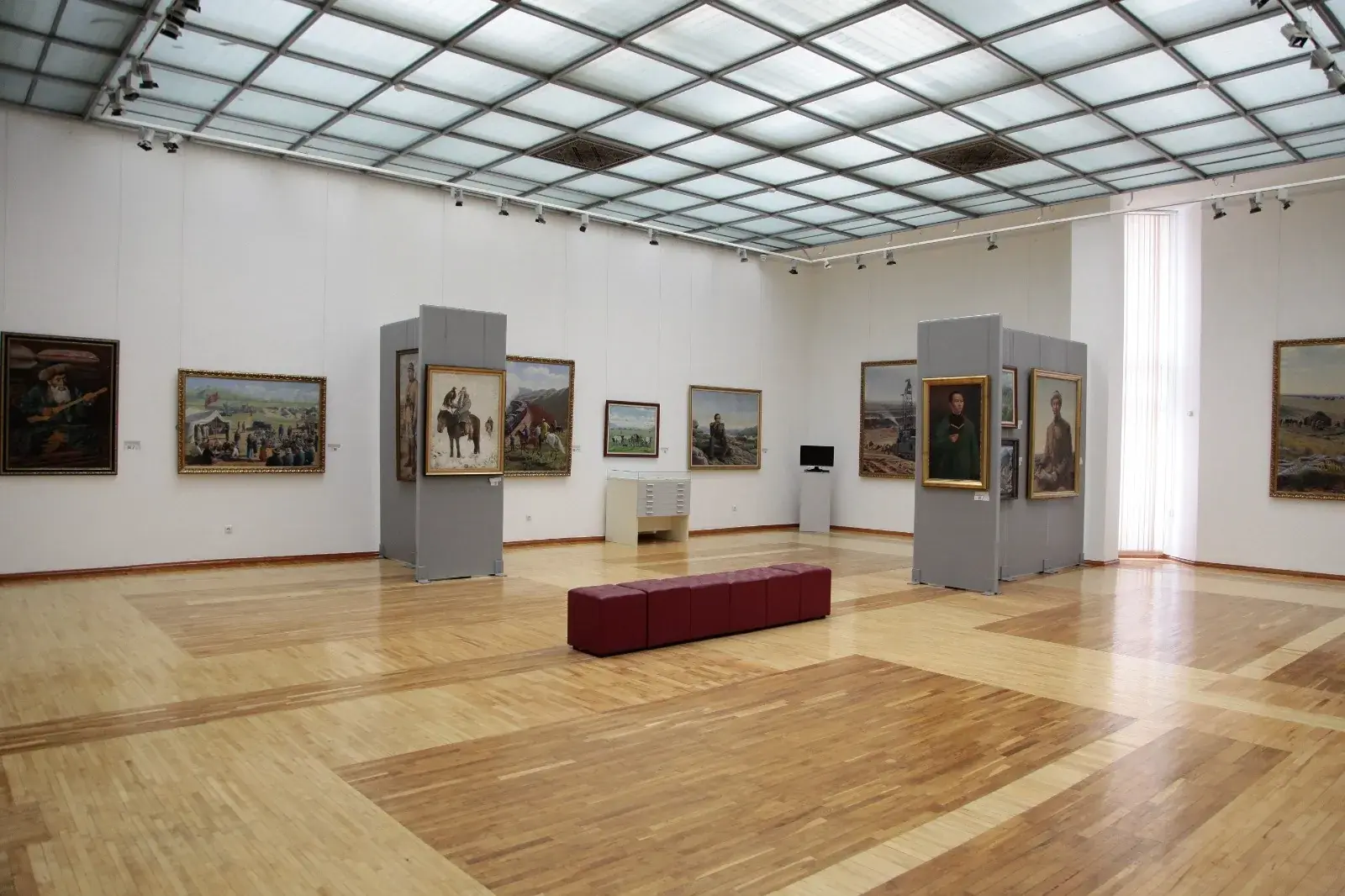
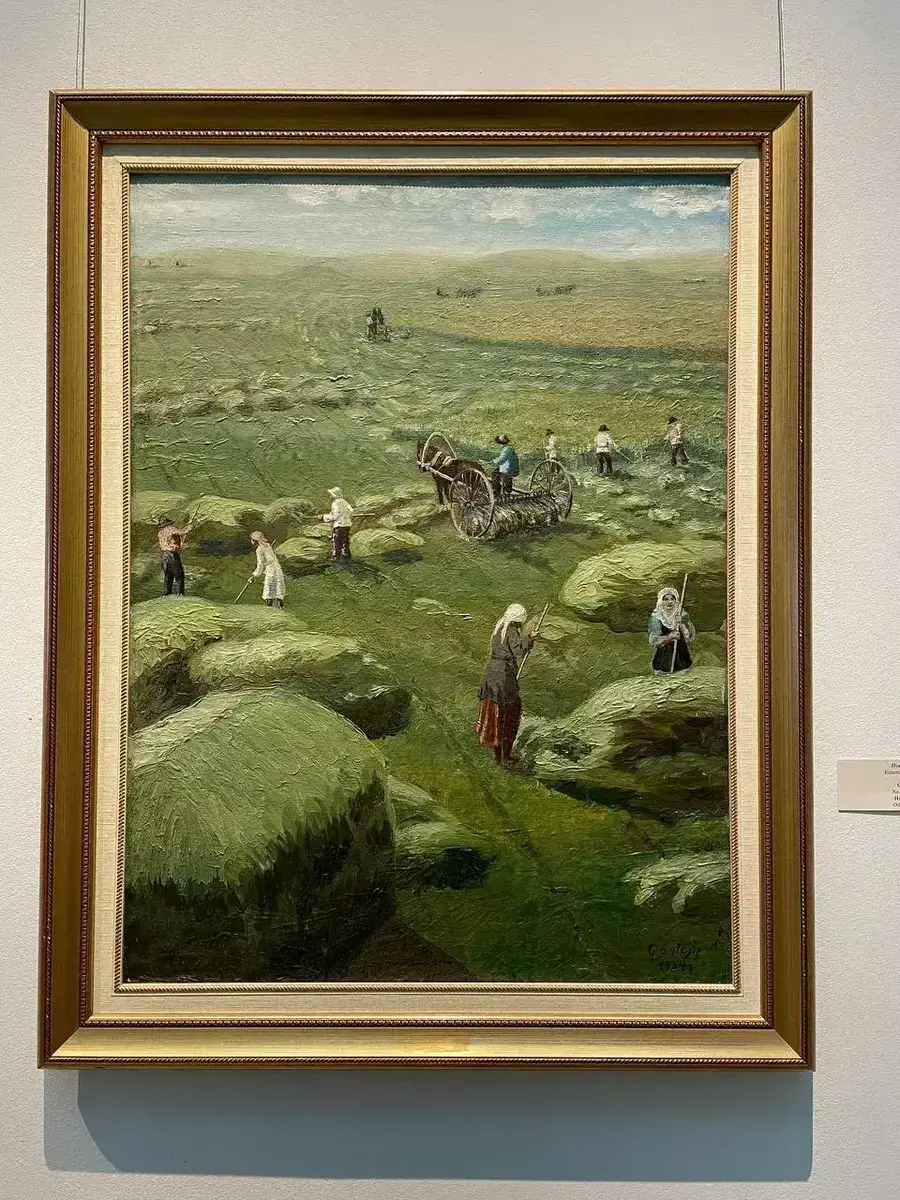
Kasteyev State Museum of Arts
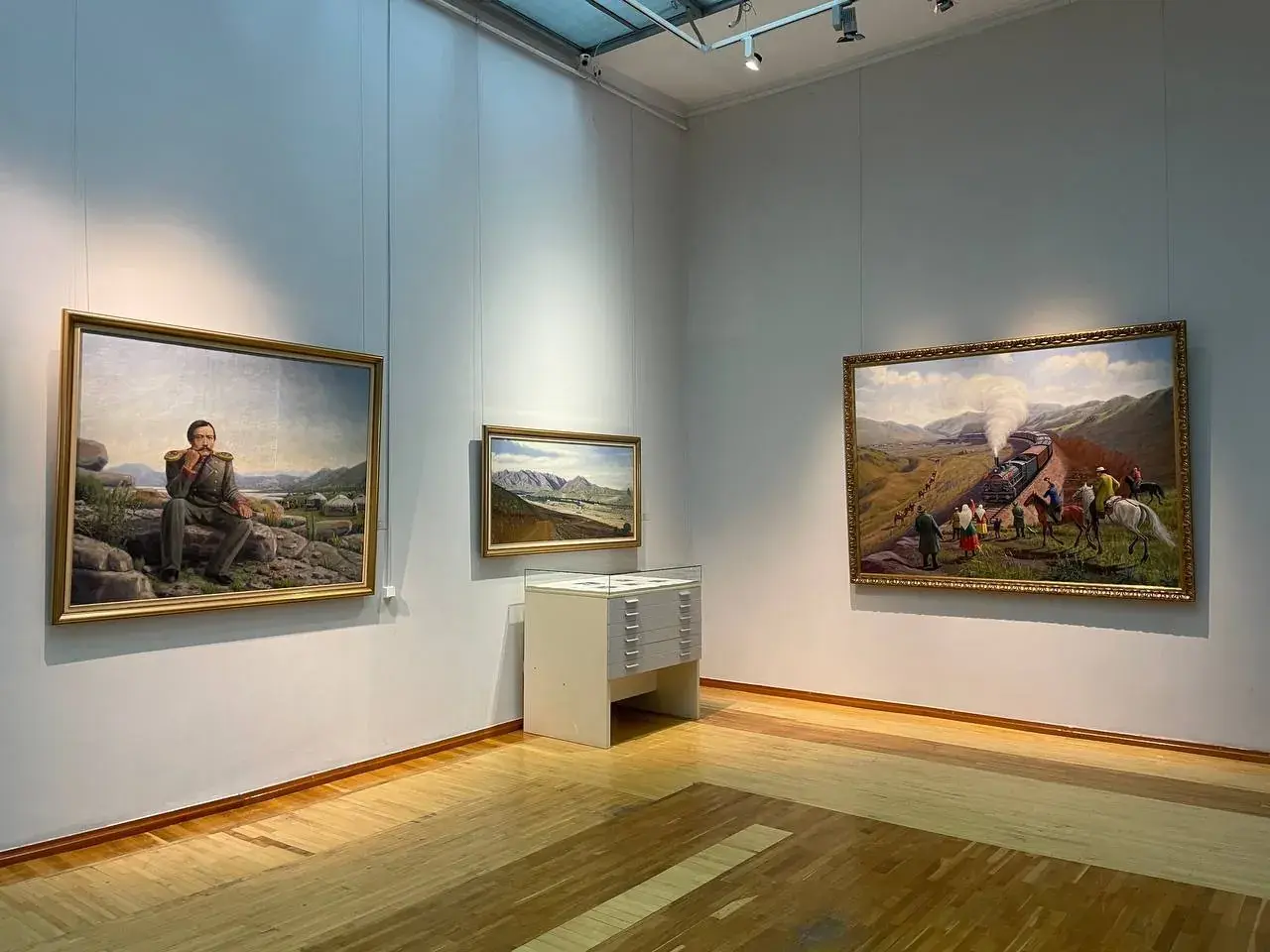
The country’s main art museum, “Kazakhstan’s miniature Hermitage.”
Why go: if you want to understand Kazakh culture through visual images. Holds the best painting collection in Kazakhstan.
What’s interesting:
- The Abylkhan Kasteyev hall — his paintings document nomadic life and Soviet history (the famous “Turksib”)
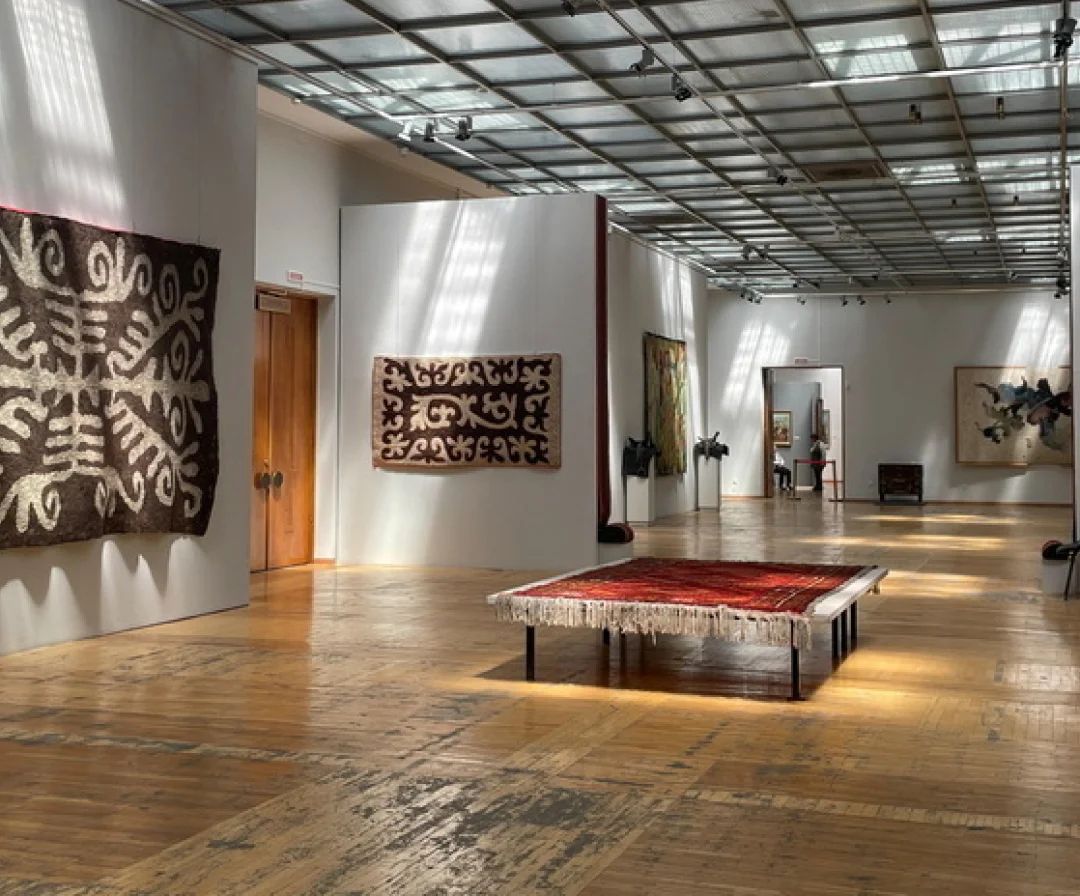
- Applied arts hall — felt, jewelry, tuskiizy carpets
- Halls of Russian avant-garde and Western European art
Price: ~500–1,000 KZT. Hours: 10:00–18:00 (Mon closed). The museum reopened in January 2026 after a major renovation (new roof, climate control and halls). Website: gmirk.kz
 Kasteyev State Museum of Arts
Central State Museum of the Republic of Kazakhstan
The huge blue building across from the Akimat. The largest museum in the region.
Why go: for a deep dive into history — from the Bronze Age to independence.
What’s interesting: the “Golden Man” (replica) — Kazakhstan’s main symbol; paleontology and archaeology (dinosaur skeletons, ancient ceramics); ethnography (a full-size yurt and rich khan costumes).
Important about prices: the entry ticket is cheap (~1,000 KZT), but for foreigners it can be higher (up to 5,000 KZT). The “Gold” and “Anthropology” halls are paid separately (~1,300 KZT). Hours: 9:00–18:00 (Tue closed). Website: csmrk.kz
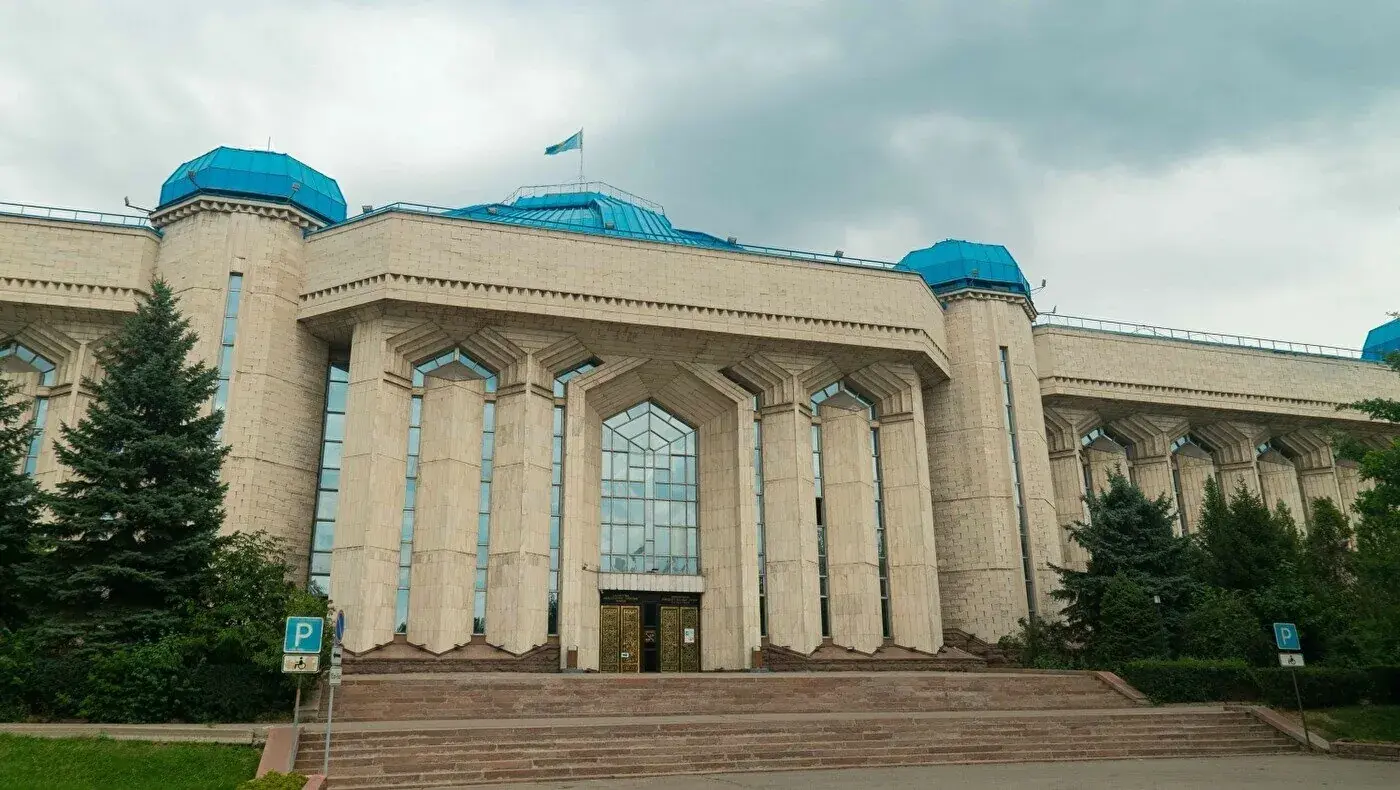 Central State Museum of Kazakhstan
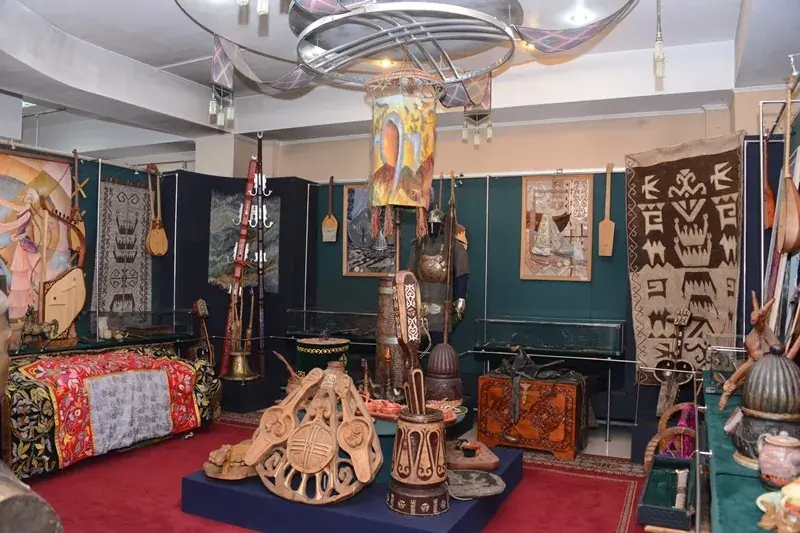
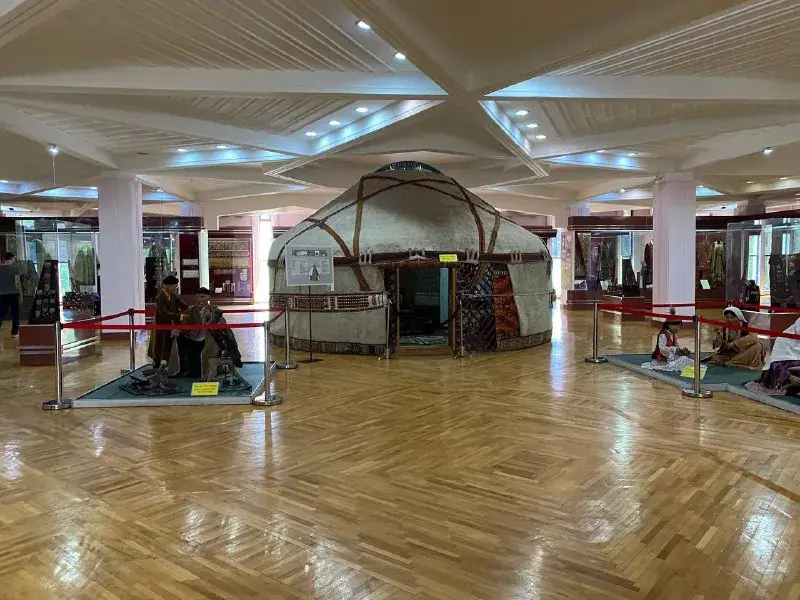
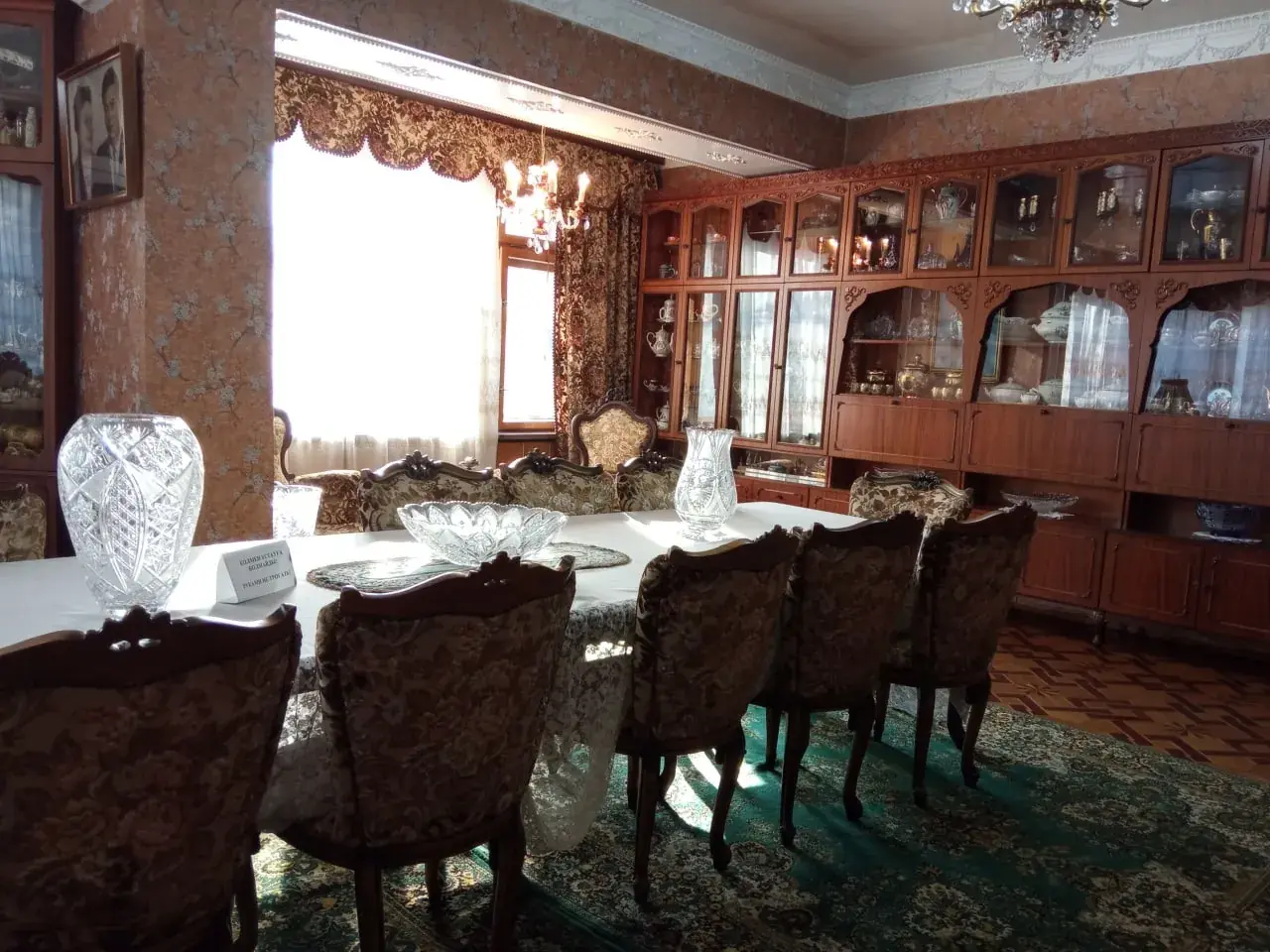
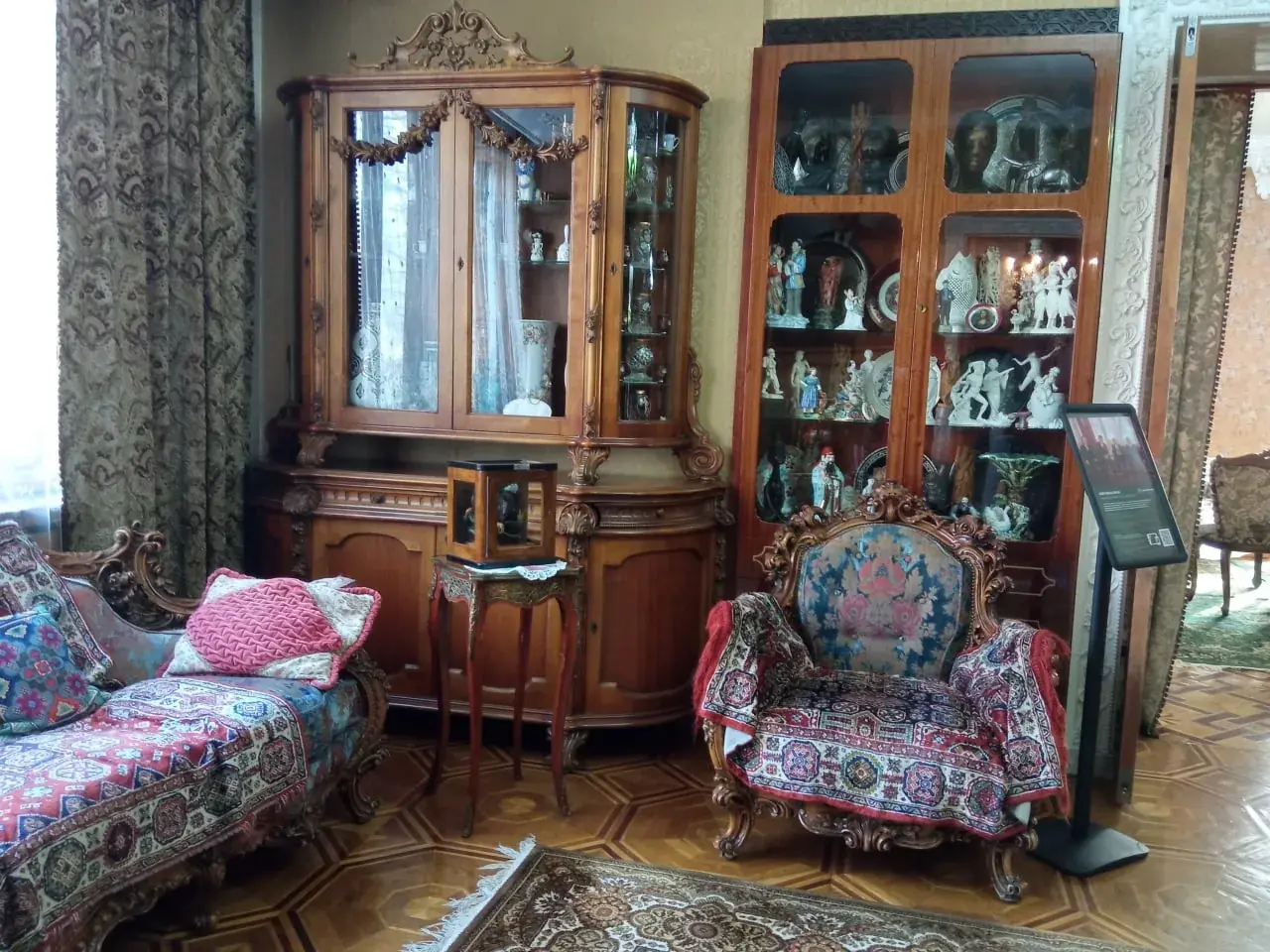
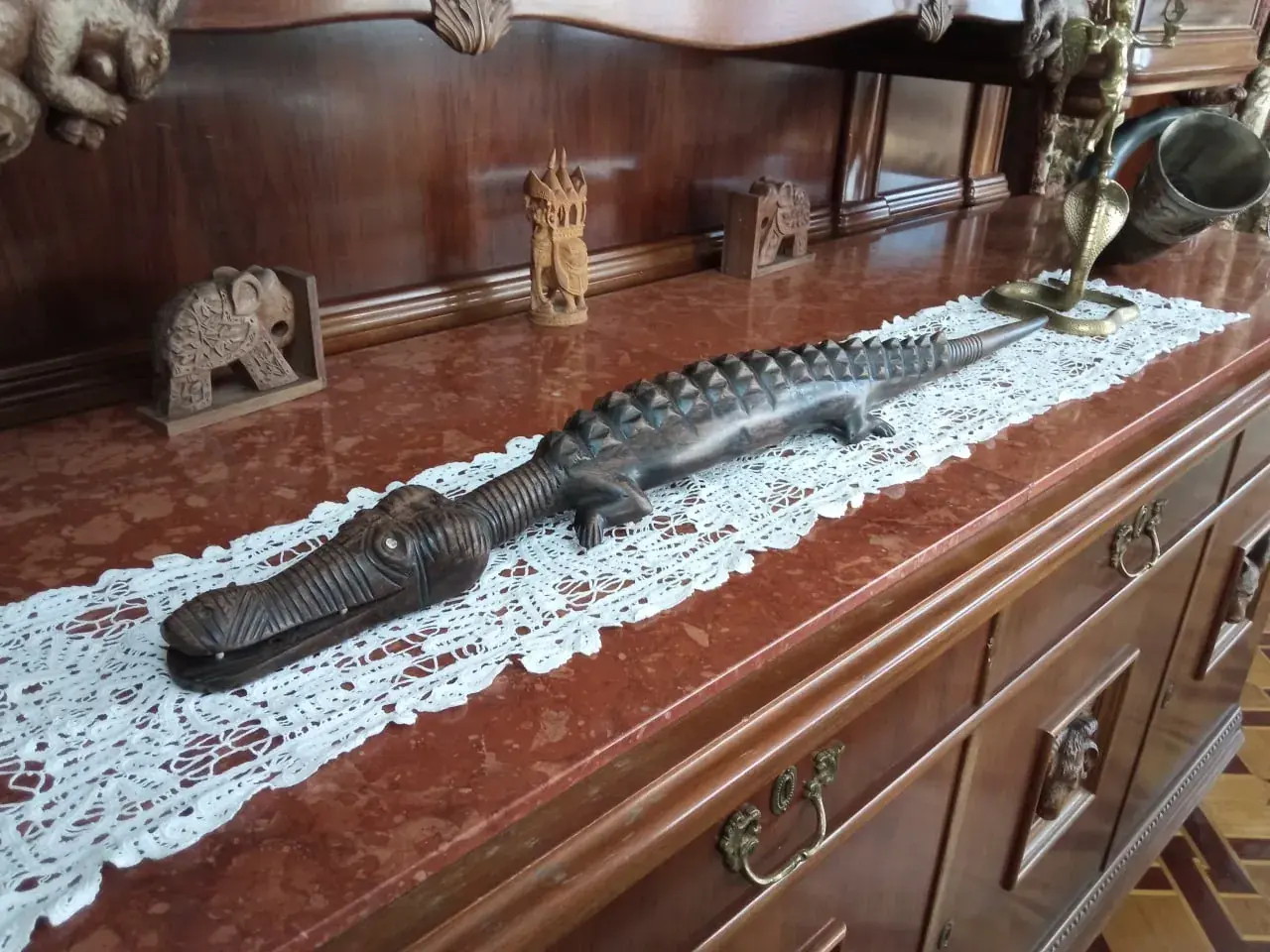
D.A. Kunaev House Museum
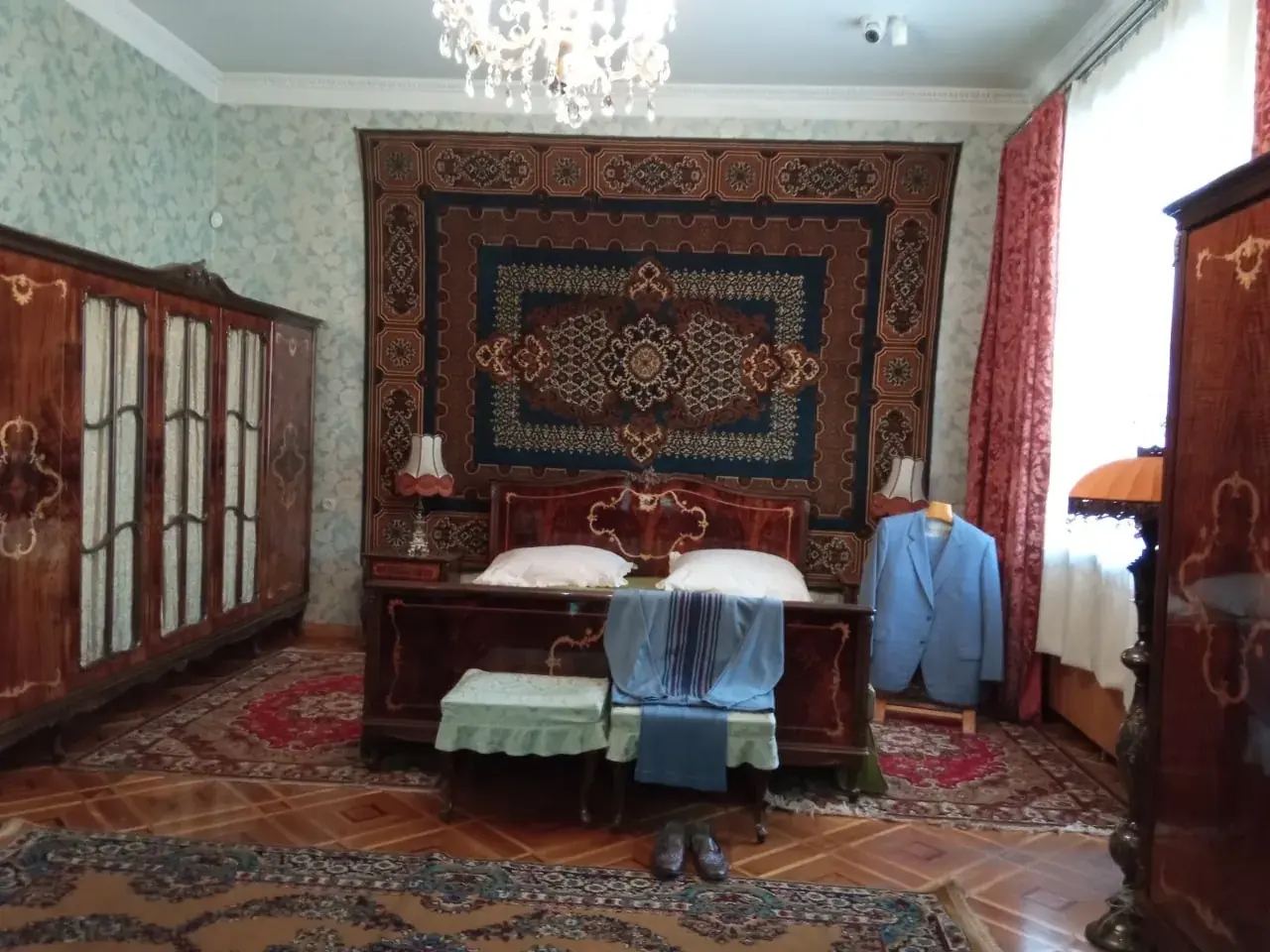
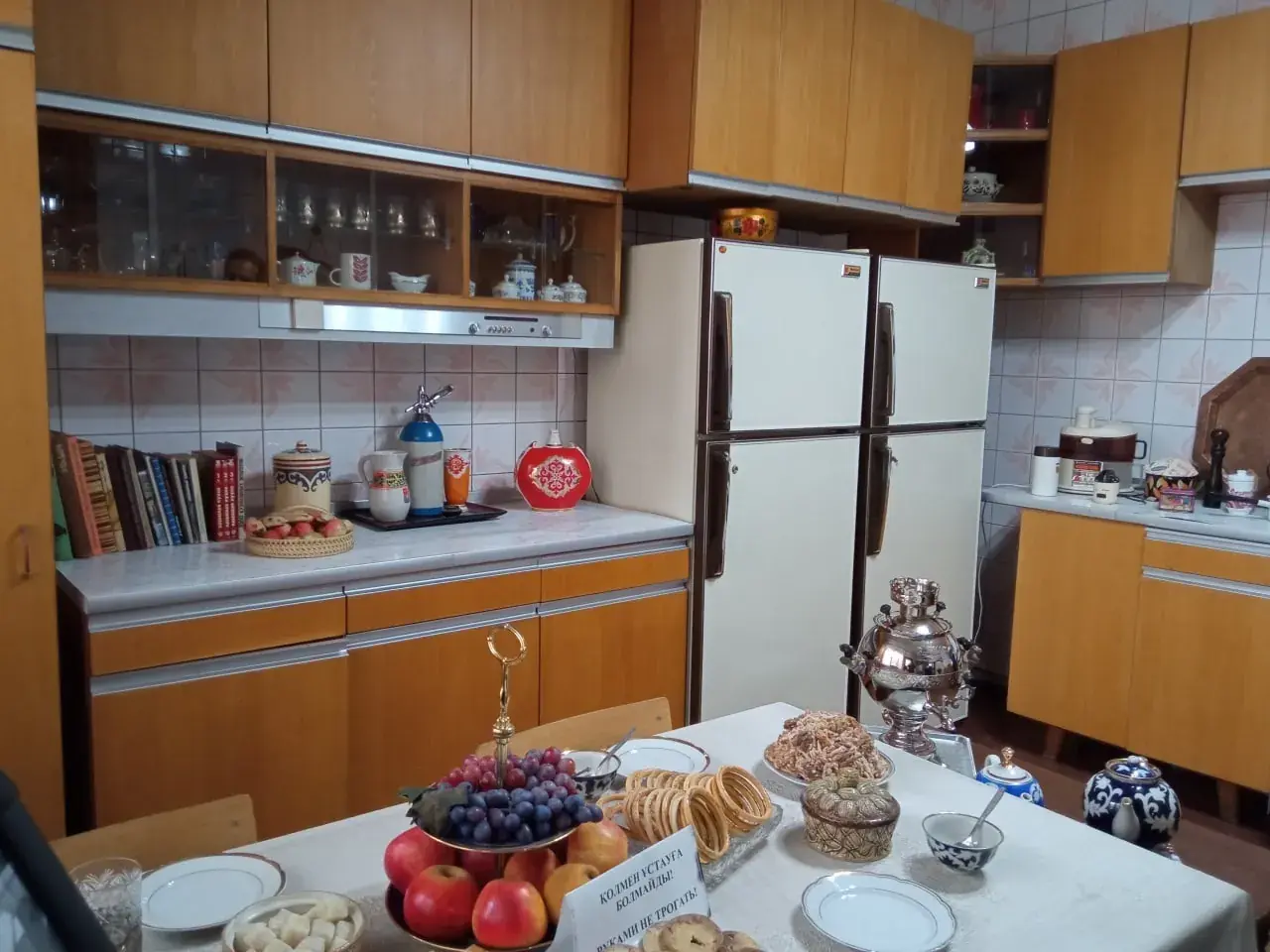
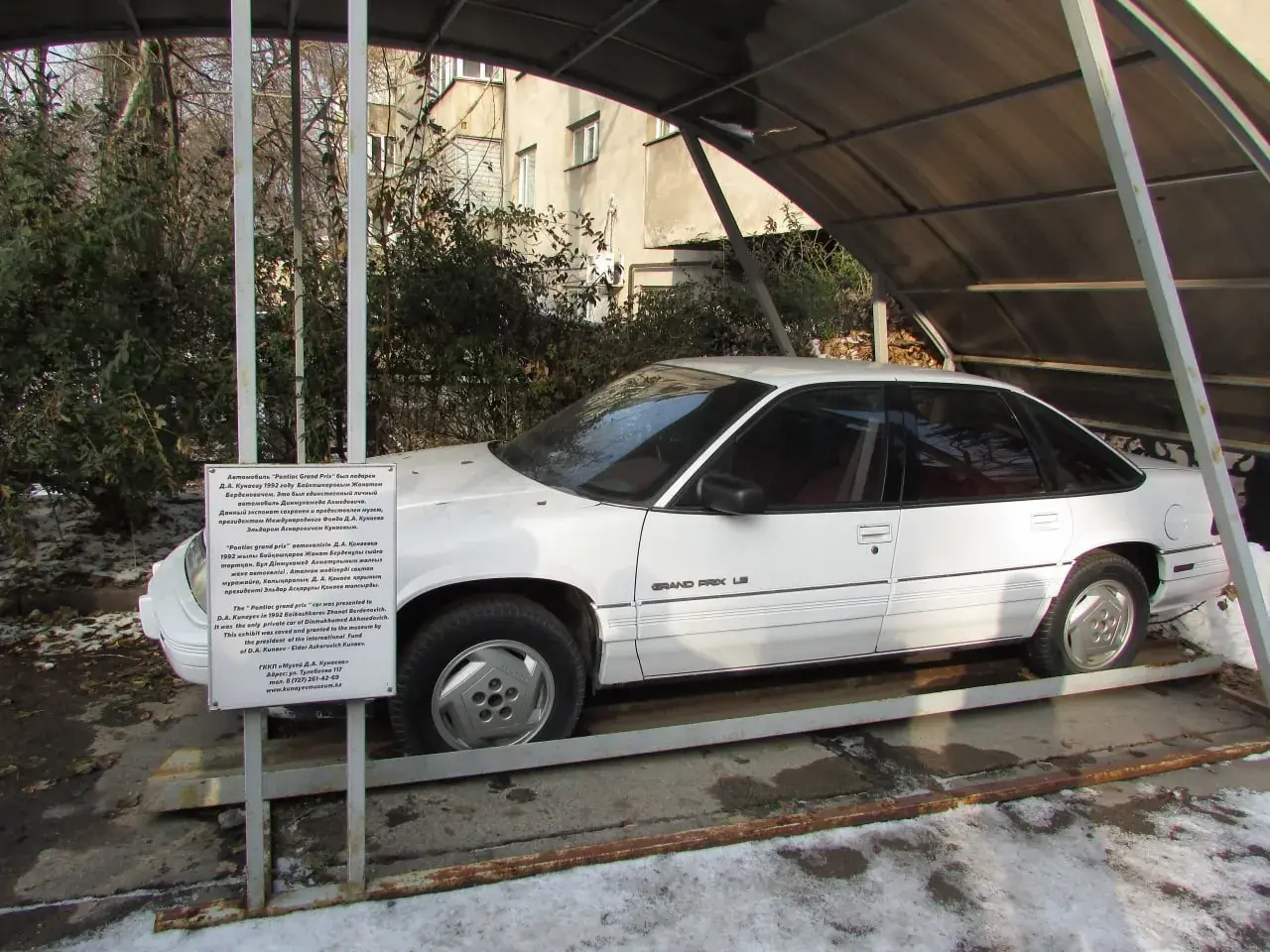
If you’re interested in the Soviet era and the personality of Dinmukhamed Kunaev (the leader of the Kazakh SSR, who was widely respected) — visit his memorial apartment.
What’s interesting: fully preserved interior of the 70s–80s. Personal library, lighter collection, gifts from world leaders. A rare chance to see how the Soviet elite actually lived — modestly and intelligently.
Price: ~800–1,000 KZT. Location: Tulebayev Street. Hours: Wed and Sat, 9:00–18:00.
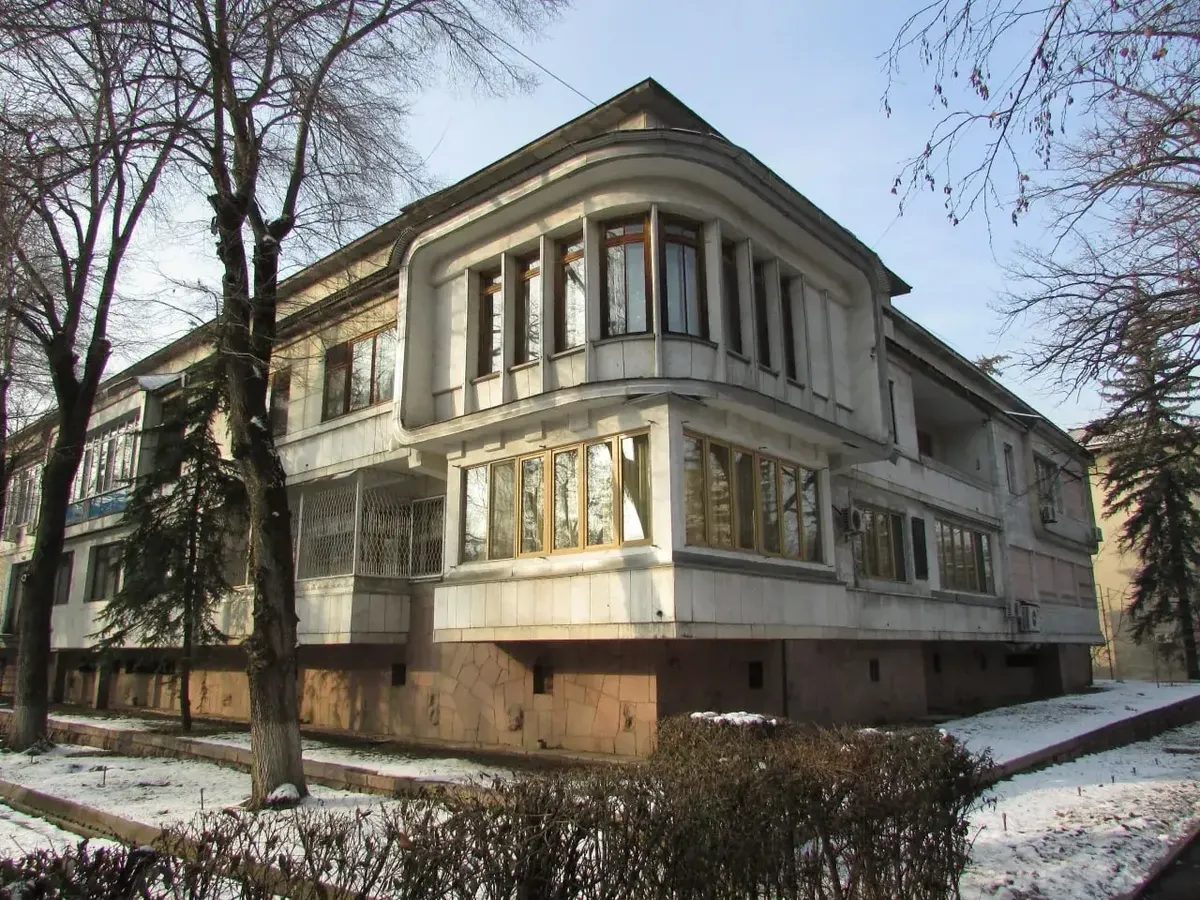 D.A. Kunaev House Museum
Banyas and spa
Arasan
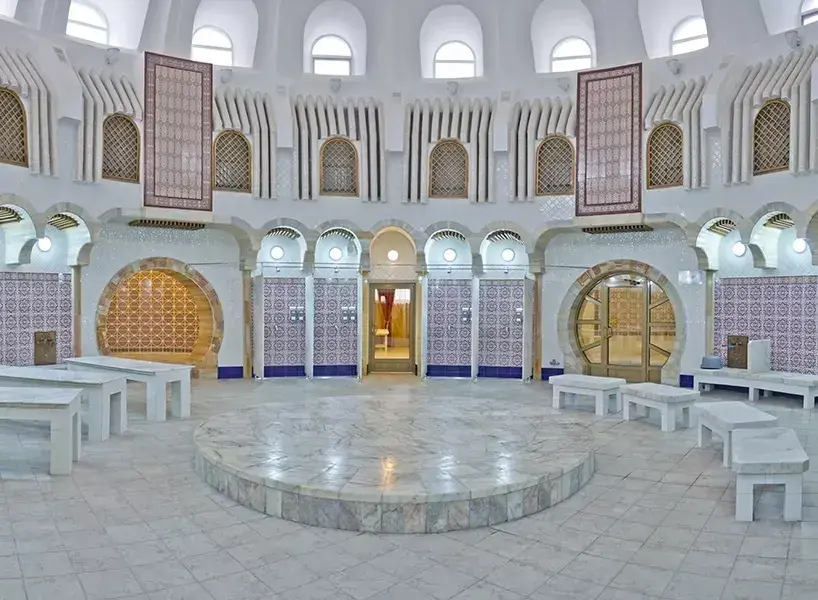
The “Arasan” complex (from Kazakh — “warm spring”) became a landmark thanks to its eastern flair: marble hammams, ceramic mosaics, Finnish saunas, Russian steam room, and special heated floors. Water is filtered and heated, the complex is divided into men’s and women’s sections.
This is Almaty’s main banya complex, lots of locals come here. Capacity: 270 in the men’s section, 230 in the women’s. Plan for at least 3 hours.
Average bill: ~7,000 KZT. Website: arasan-spa.kz
Chundzha hot springs
Thermal springs 290–300 km from Almaty (4–5 hours by car). Water temperature in the pools is +39…+42 °C year-round.
In winter it’s especially nice: you sit in hot water with snow around and steam overhead. There are resorts with pools of different temperatures.
Cons: you need a car or transfer; service isn’t great everywhere. Prices vary widely by resort, room type, and day of the week.
Nature and winter hikes
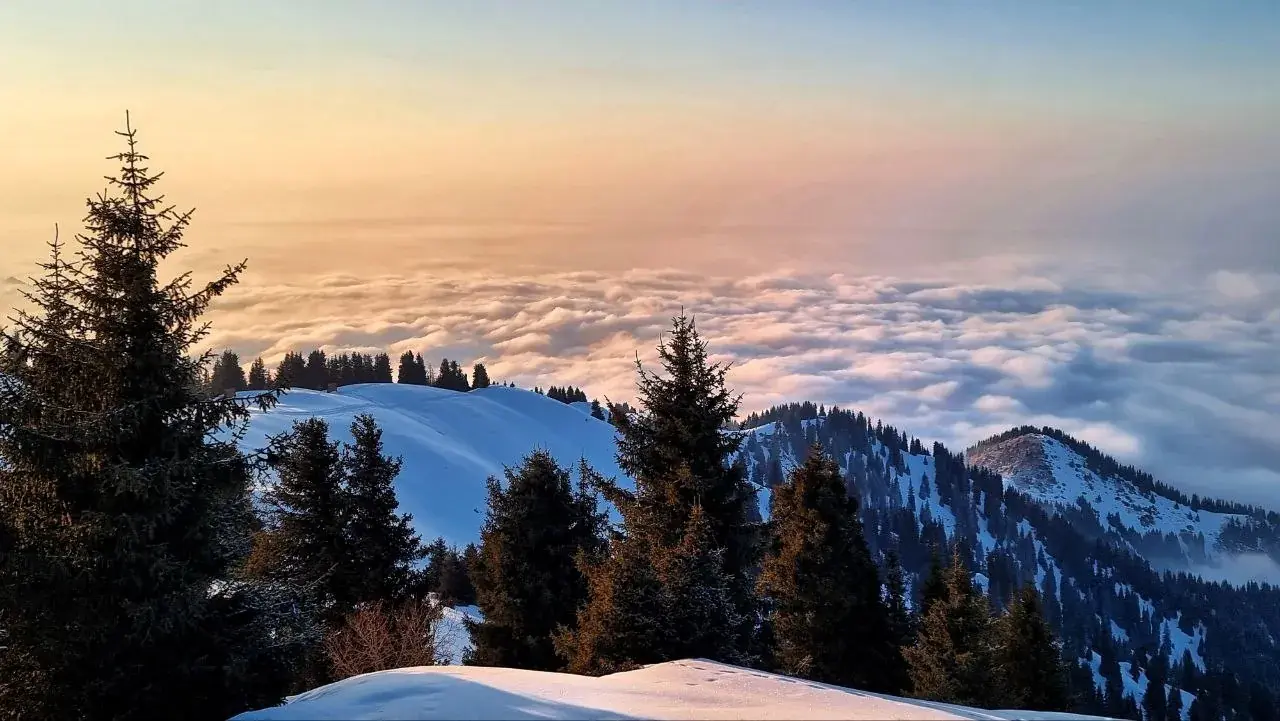
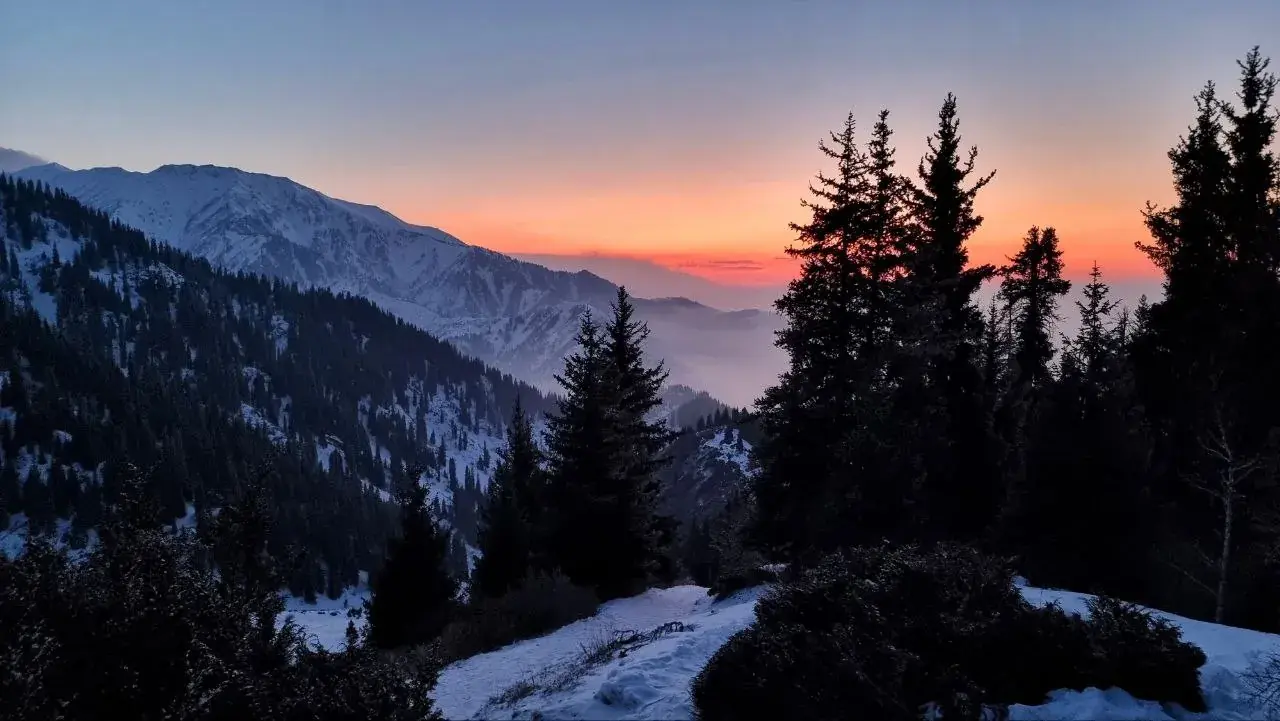
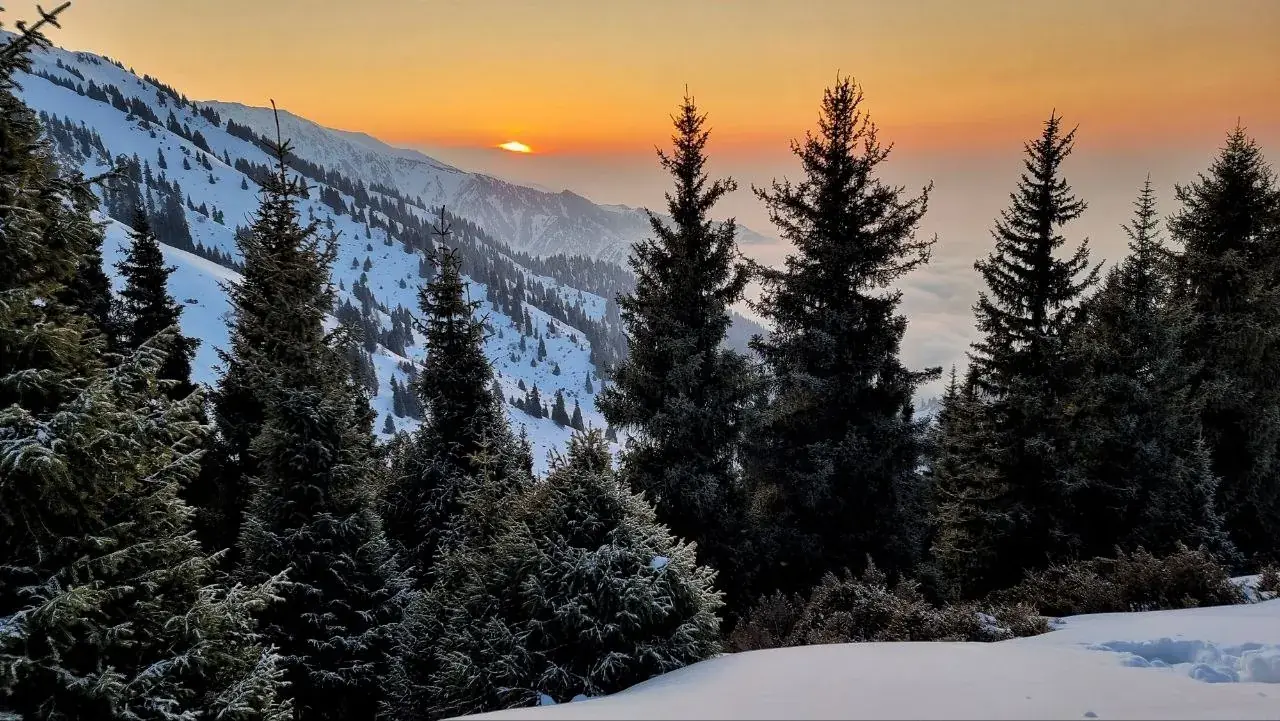
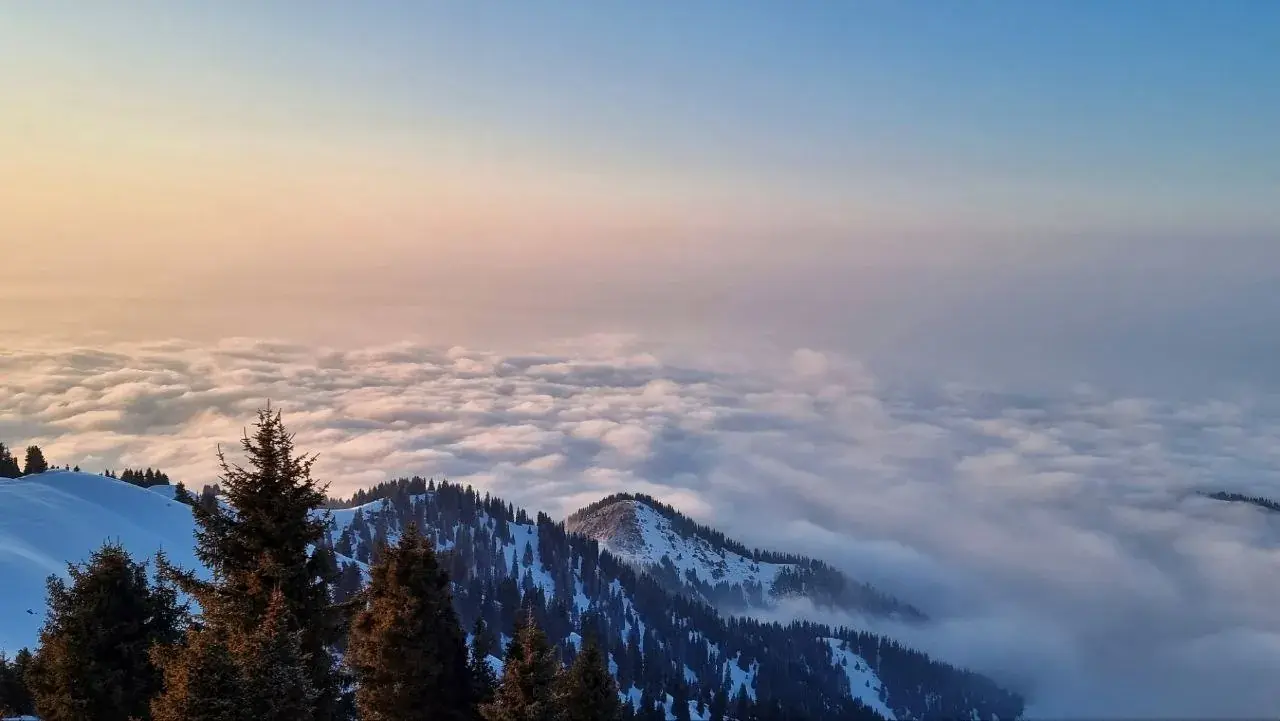
Winter hikes in the mountains aren’t a walk in the park. Slippery trails, deep snow, short daylight, avalanche risk in some areas. Without winter hiking experience, it’s better to go with a guide or as part of an organized group.
Preparing for a hike:
- Maps and tracks. Download Maps.me with offline maps. There’s no signal in the mountains. Don’t rely on the time the app shows — it’s unrealistic.
- Avalanche bulletin. Before your hike, definitely check the Almaty avalanche bulletin on Telegram — risk map by zone.
- Community. Join the hiking chat — find hiking buddies, learn the current state of the trails, ask experienced hikers.
Lower Butakovsky Waterfall
In winter the waterfall partially freezes — it looks like an ice sculpture.
- Distance: 2 km one way
- Difficulty: easy, but the trail is slippery in winter
- How to get there: taxi to the start of the trail (Butakovka)
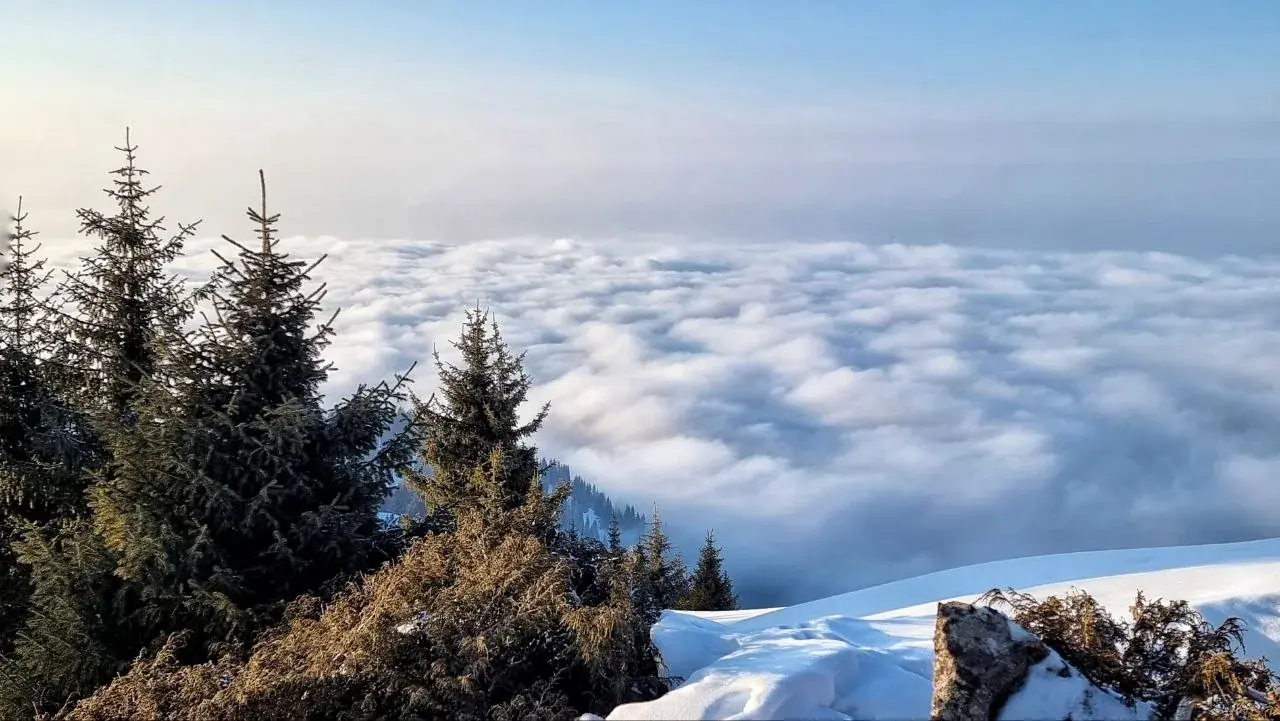
Kim-Asar Gorge
A winter route for beginners. Well-trodden trail leading to a waterfall.
- Distance: 4.5 km one way
- Difficulty: below average, 700 m elevation gain
- How to get there: bus #12 to the final Medeu stop
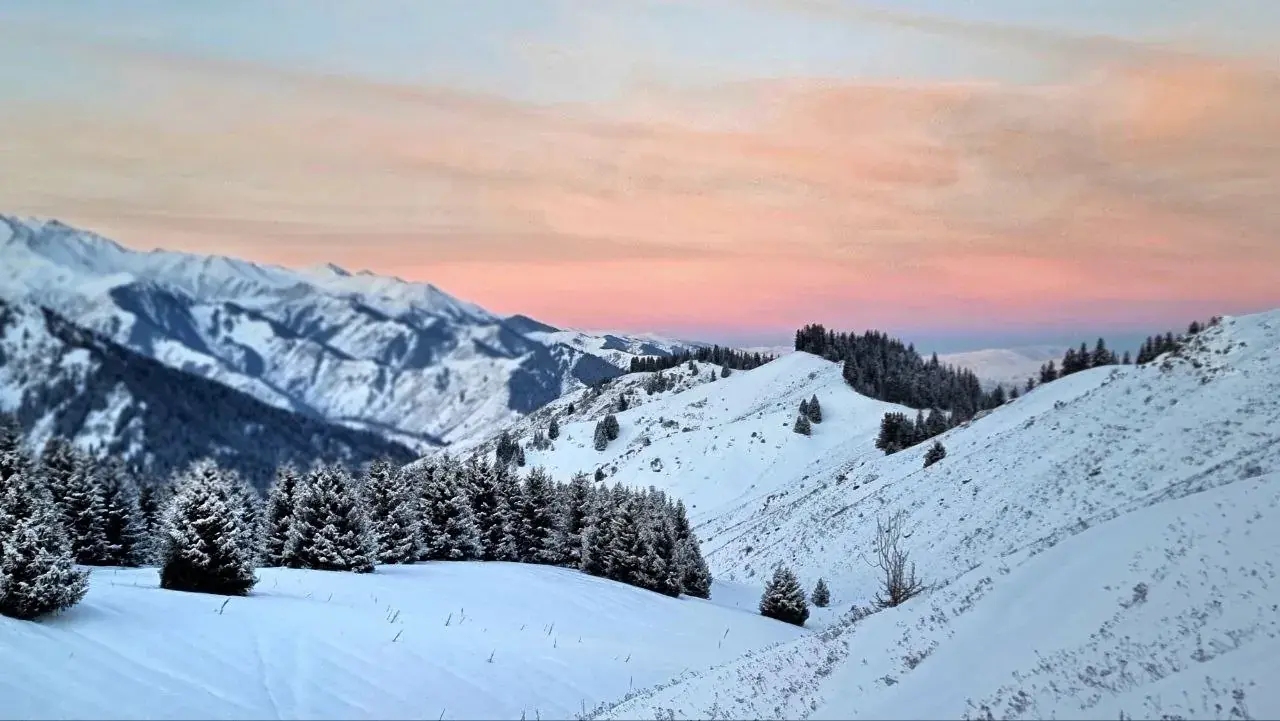
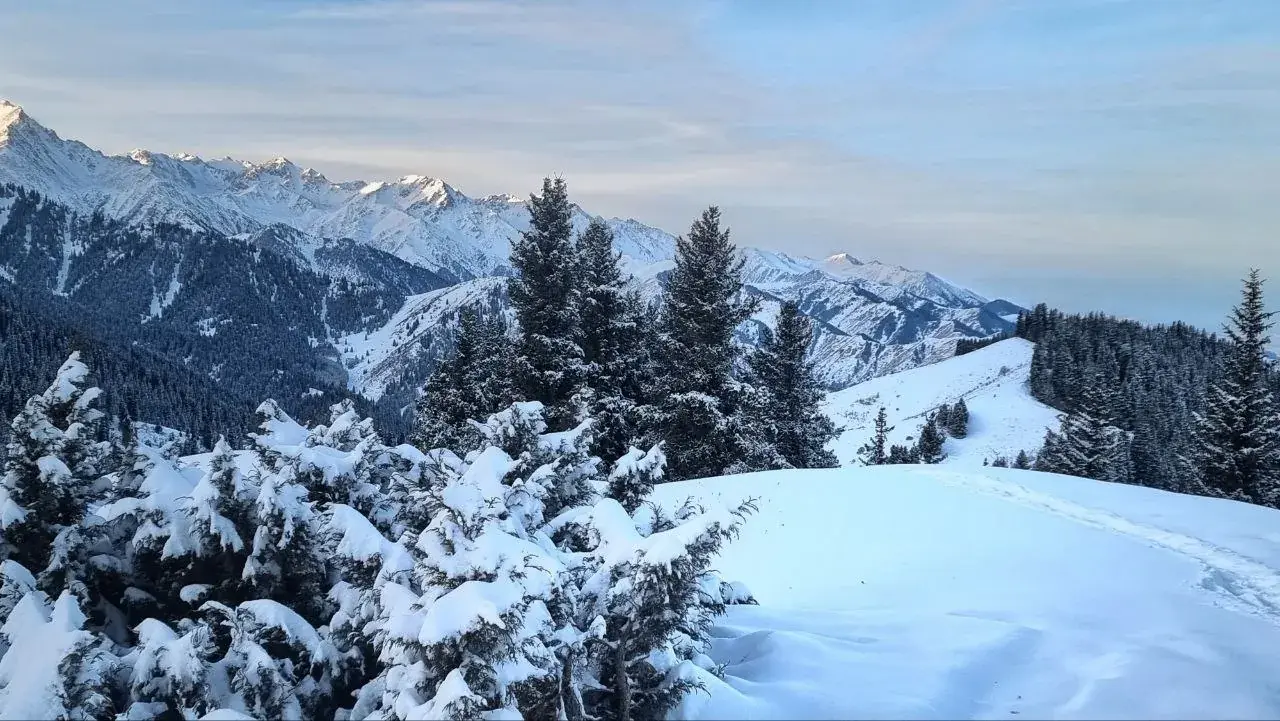
Kok-Zhailau
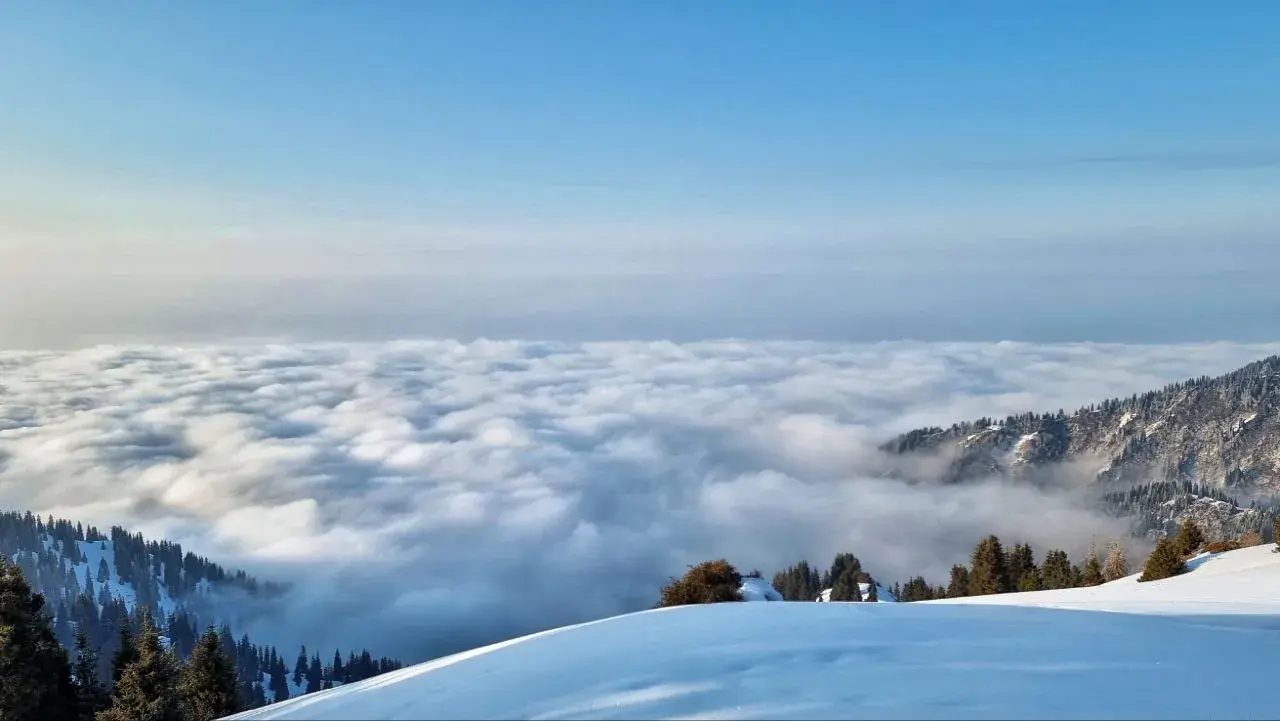
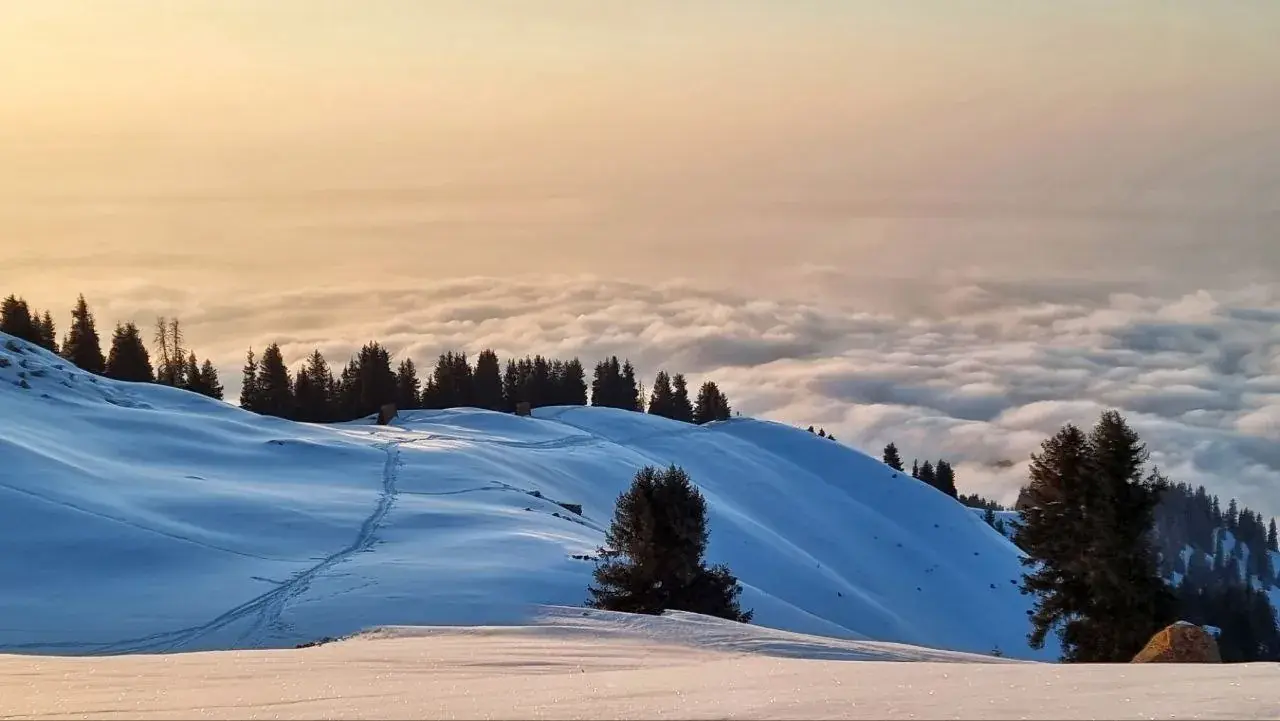
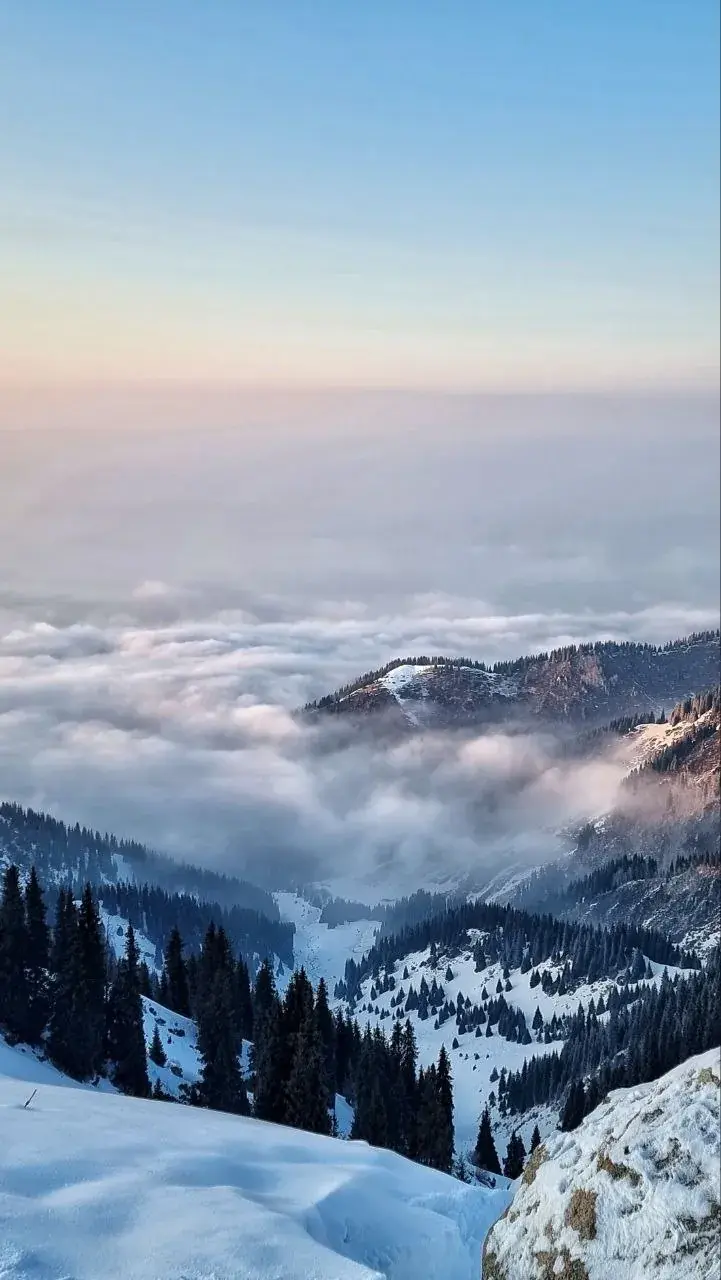
A plateau at 2,200 m with a view of the mountains.
- Distance: 5 km one way
- Difficulty: below average, 800 m elevation gain
- How to get there: bus #12 to the Prosveshchenets stop
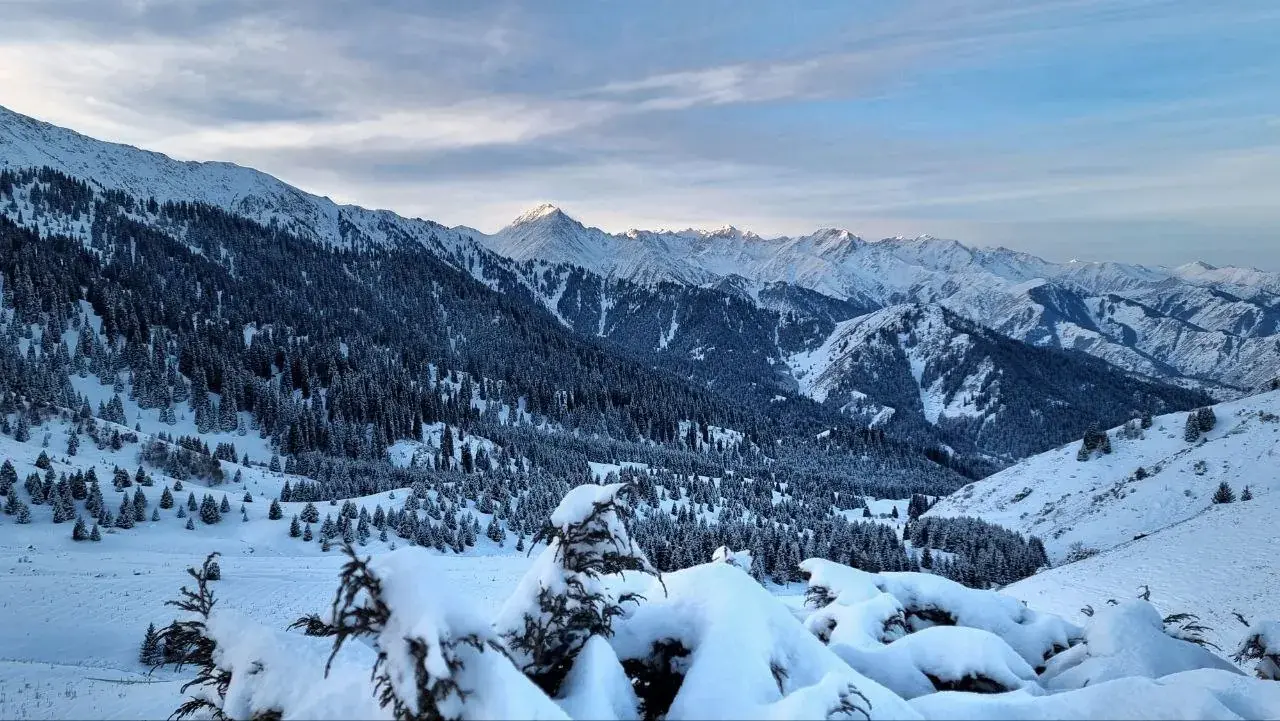
Big Almaty Lake (BAL)
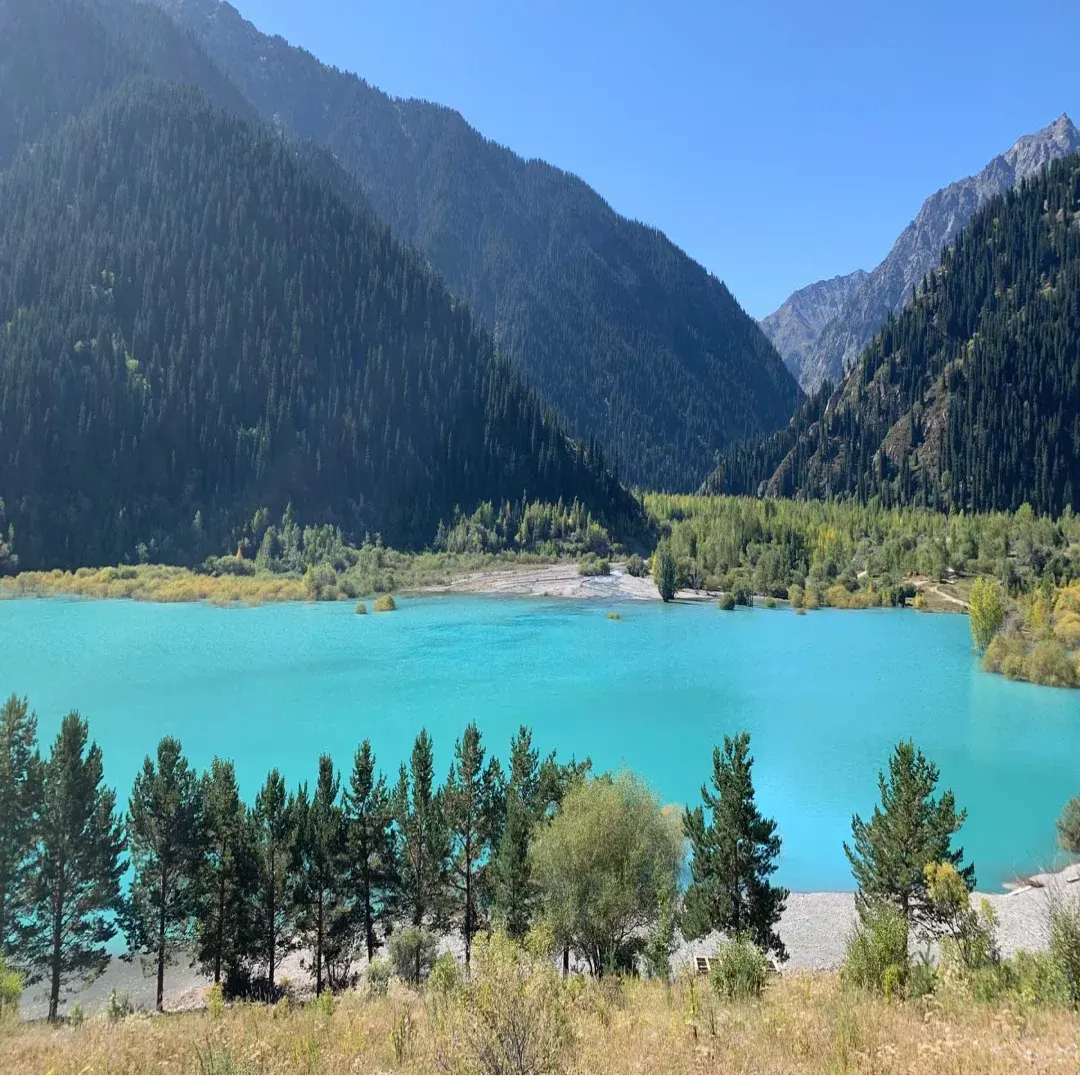
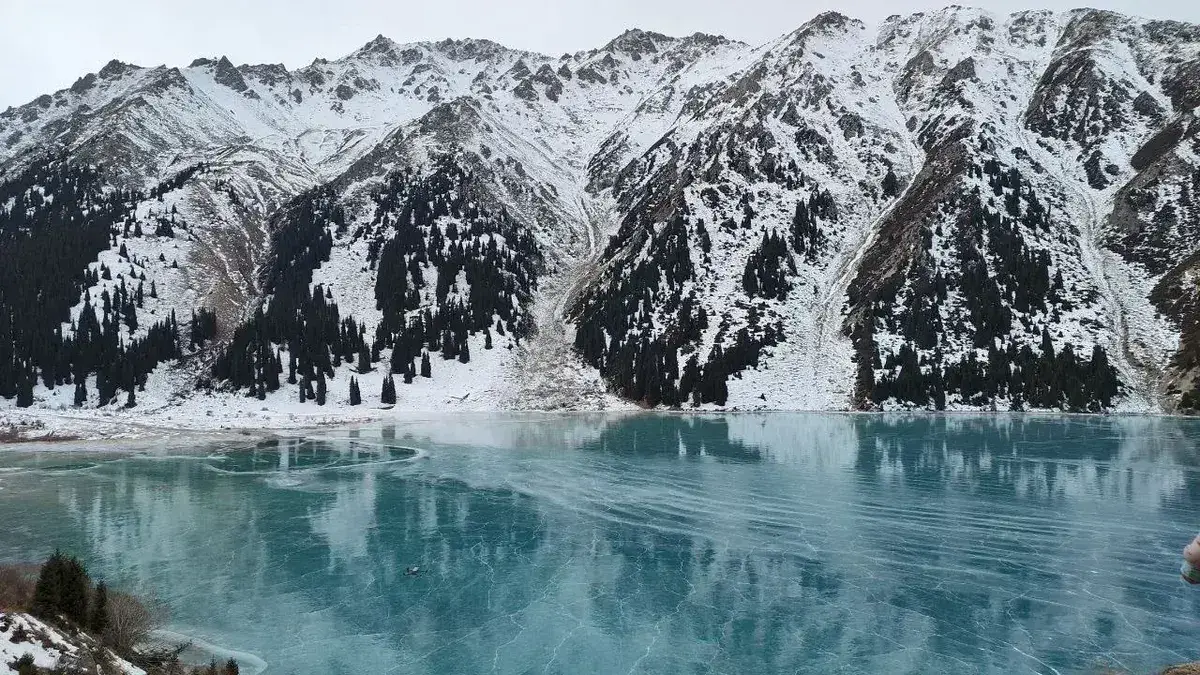
A mountain lake at 2,511 m. In winter it freezes — you can see ice in an unusual turquoise color.
Important: the road by car is closed year-round. You can only get there on foot.
- Distance: 4 km along the trail next to the pipe, or 8 km along the serpentine road
- Difficulty: moderate, ~600 m elevation gain from the eco-post (1,890 m)
- How to get there: taxi to the eco-post, then on foot
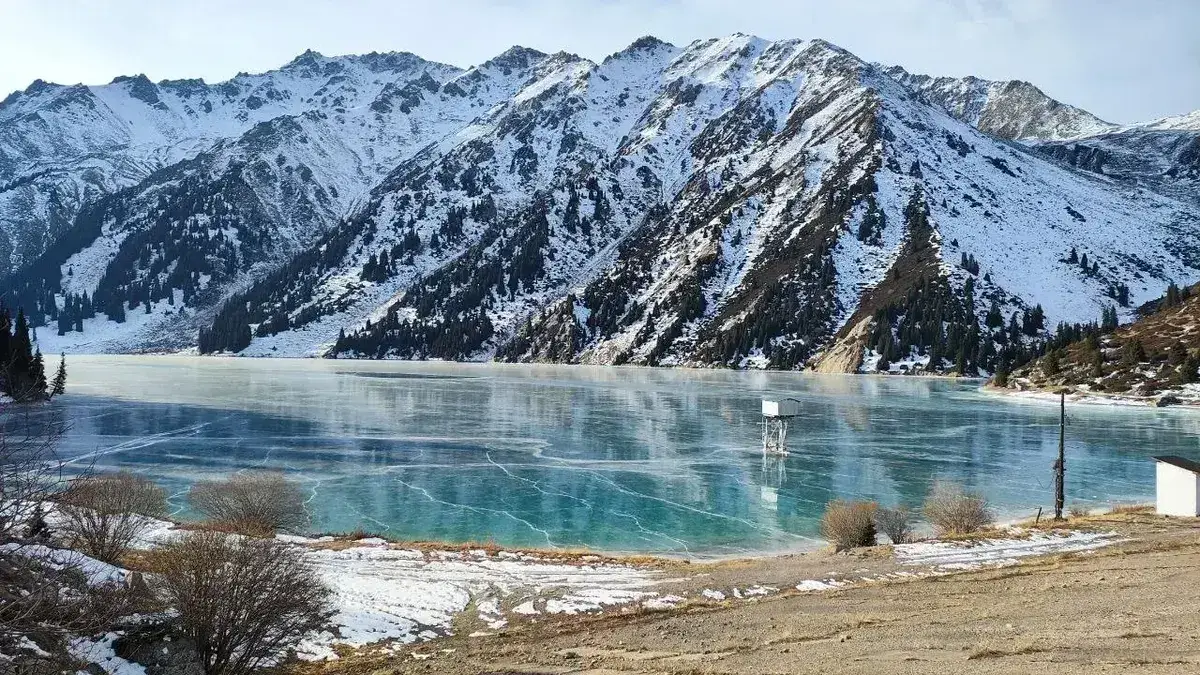 Big Almaty Lake, photos by a member of our hiking chat
Day trips from Almaty
These places are far from the city but are worth a separate full-day trip.
Charyn Canyon
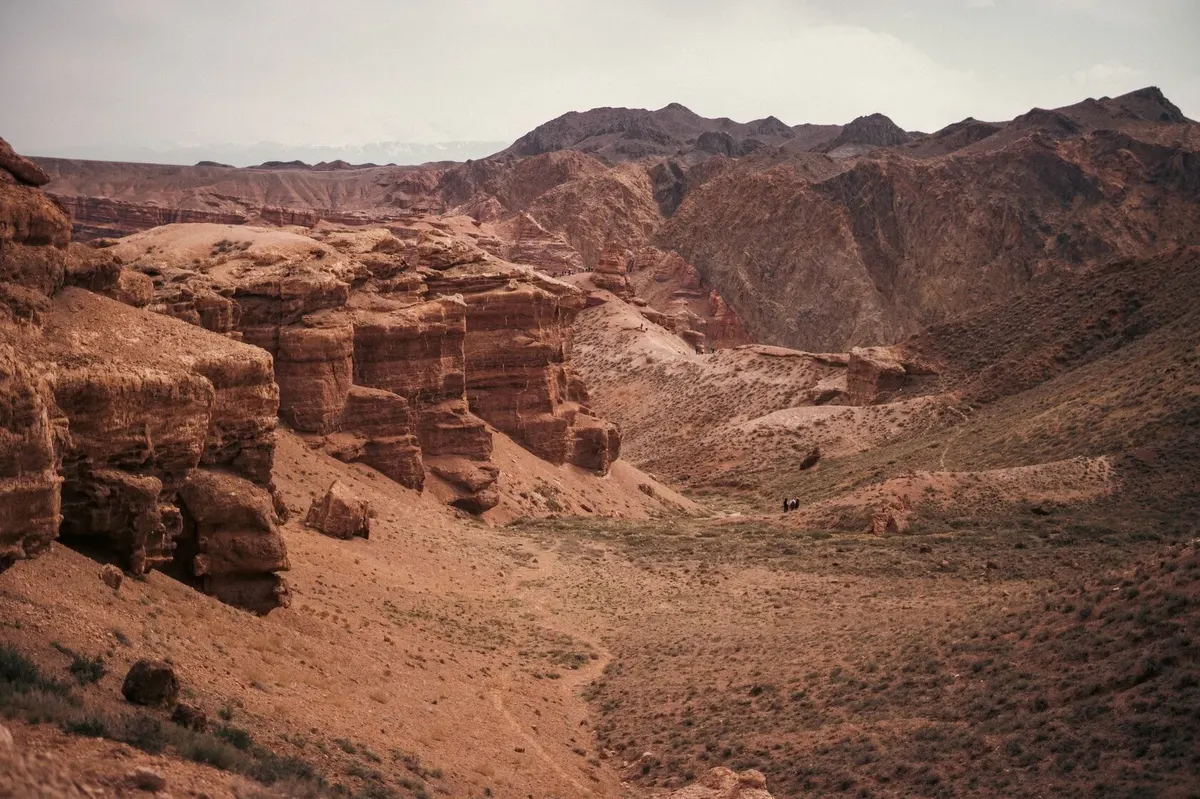
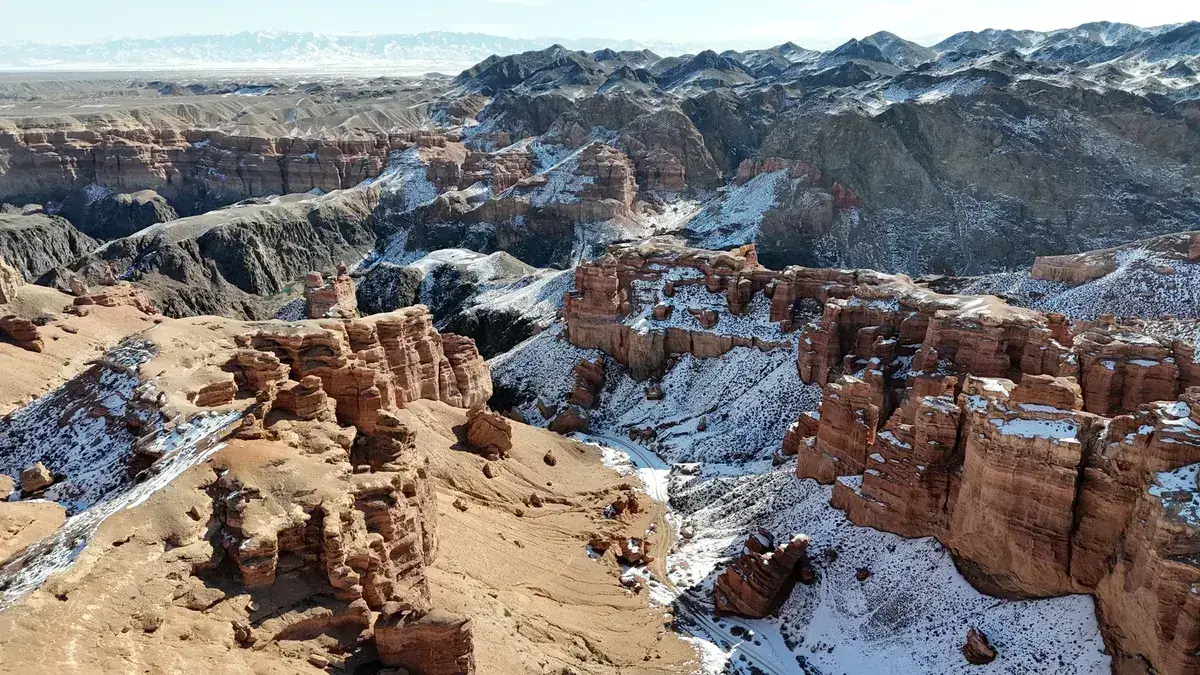
Red cliffs against the snow — an unusual sight. Fewer tourists in winter, the canyon is almost empty.
- Distance: 200 km (3–4 hours)
- Difficulty: easy walk through the Valley of Castles
- Time on site: 2–3 hours
- Entry: about 930 KZT on foot (0.1 of the monthly calculation index plus 500 KZT for an adult), about 3,000 KZT per car (to be confirmed at the gate)
- How to get there: by car, taxi, or transfer
Downside in winter: cold (–15…–20 °C), dress warmly.
More in our Charyn Canyon guide.
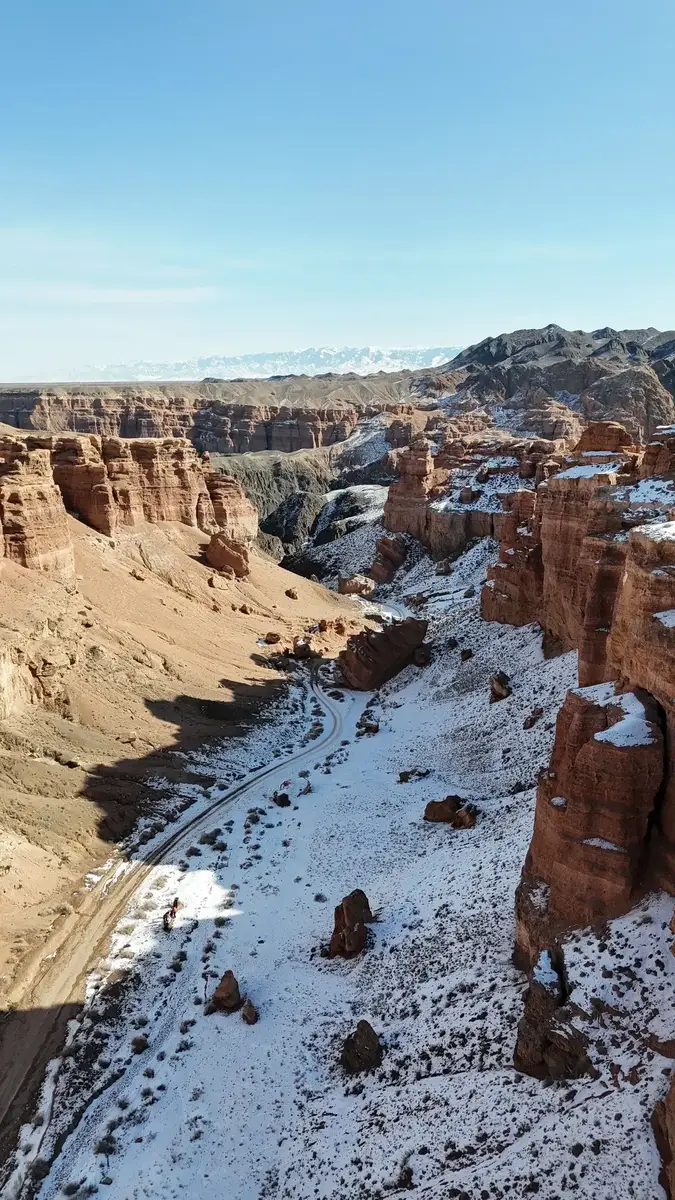 Charyn Canyon
Kolsai Lakes
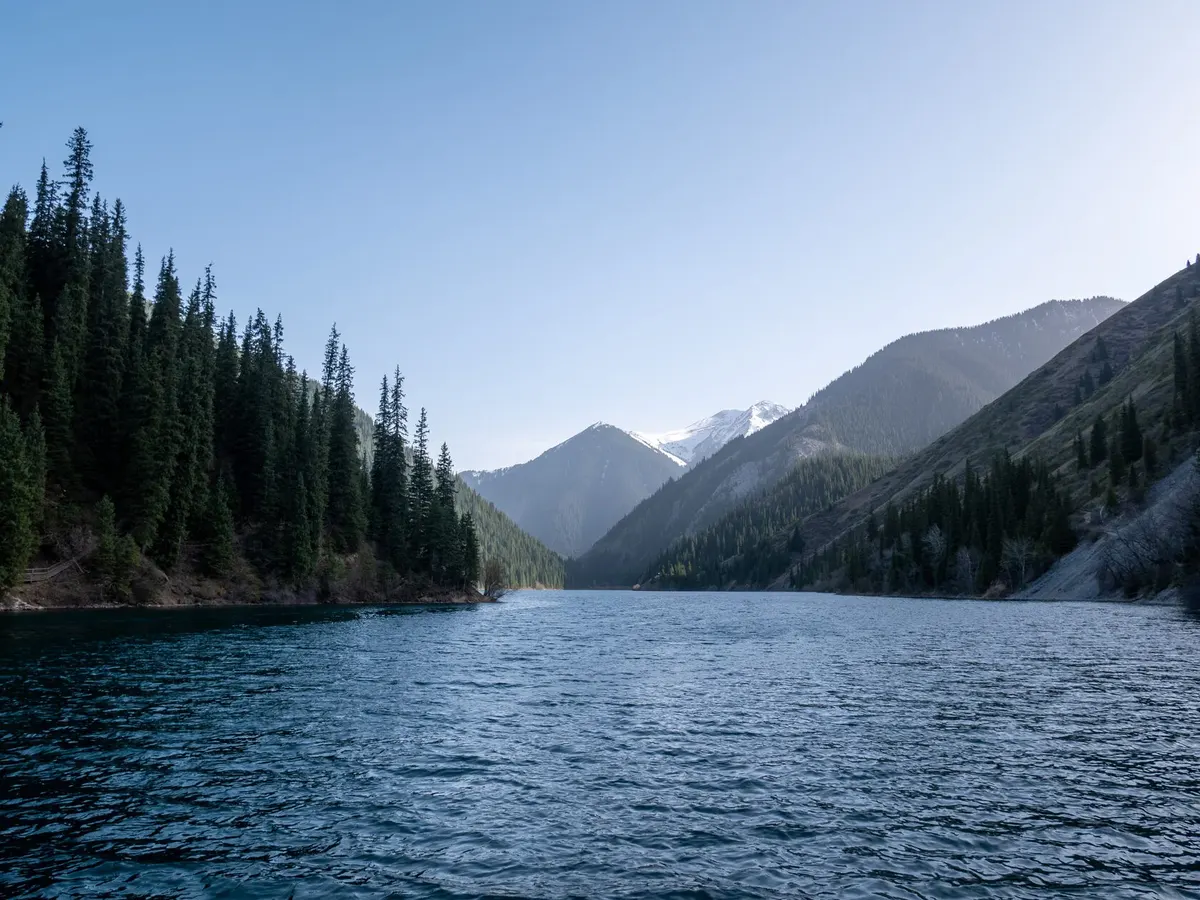
Three mountain lakes 300 km from Almaty, near the Kyrgyz border. In winter the lakes are frozen — looks magical, but harder to reach.
- Distance: 300 km (4.5–6 hours)
- What to see: Kolsai-1 (lower lake) — the main spot. Kolsai-2 — 7 km hike from there
- Entry: about 3,000 KZT per car; on foot there is a sanitary fee of about 865 KZT per person per day (confirm at the gate)
- How to get there: only by car or transfer
In winter: temperature –15 °C and below, the road can be tough. Better to go with an experienced driver or organized group.
More in our Kolsai Lakes guide.
Kazakh cuisine
Qazaq Auyl
An atmospheric complex in the Medeu mountains with a beautiful view and a focus on traditional Kazakh cuisine in a modern style. Great for the “wow effect” and out-of-town guests.
What to try: beshbarmak, plov, kazy dishes, dishes from the kazan and the grill. Average bill: 20,000–25,000 KZT.
Navat
A chain of popular chaikhanas with a cozy oriental interior. Combines Uyghur, Kazakh, and broader Central Asian cuisine. Convenient for large groups and casual meetings.
What to try: lagman, plov, manty, beshbarmak, soups and samsa; large tea and dessert selection. Average bill: 6,000–8,000 KZT.
SYDYK
A Kazakh restaurant focusing on classic dishes and dairy products, including shubat and kumys. A calm spot to get to know traditional cuisine in the city center.
What to try: beshbarmak, kuyrdak, syrne, baursak, dairy assortment, kumys and shubat, also camel meat dishes (locals often recommend Sydyk for these). Average bill: 3,000–4,500 KZT.
Practical: weather, clothing, transport
Weather by month
- December: –5…–10 °C in the city. Snow, smog starts. Holiday vibe.
- January: –10…–15 °C. Coldest month, smog at its worst.
- February: –5…–12 °C. Snowfall, fresh snow at resorts — the best time for skiing.
- March: –2…+8 °C. Beginning of the thaw, snow melts.
Due to climate change, Almaty’s winters have become less predictable: snow can come later than usual or melt earlier. Check the forecast before your trip.
In the mountains it’s 10–15 °C colder than in the city. At Shymbulak in January it can be –25 °C.
What to bring
- Warm jacket (down), hat, gloves
- Thermal underwear — for the mountains and long walks
- Hiking shoes with non-slip soles
- Sunglasses and SPF cream — bright sun in the mountains, snow reflects light
- Thermos with hot tea
- Masks — in case of heavy smog
Transport
It’s easy to get around the city — taxis, buses, and metro. For trips to the mountains and nature, you’ll need a taxi or your own car, but you can reach some trails by bus.
Important: Almaty has heavy traffic, especially at rush hour. If you’re moving inside the Golden Quad, walking is often faster than taking a taxi or bus.
- Taxi: from 1,000 KZT, Yandex Go.
- Buses: 120 KZT, cash payment cancelled since 2024. Pay with: Onay card (sold at kiosks), Onay app (QR code), Kaspi QR, SMS to 9909. Useful route: #12 goes to Medeu (start of the terrenkurs and the cable car to Shymbulak).
- Metro: 120 KZT, fast and traffic-free, one line. You can pay with a bank card.
- Car rental: from 15,000 KZT/day. Winter — 4WD recommended for mountain trips.
Summary
Almaty in winter is mountains, museums, banyas, restaurants, and relatively affordable travel. A city where you can ski in the morning, see contemporary art in the afternoon, and steam in a banya in the evening.
The main downside is smog. Plan more time in the mountains and upper districts.
Join our hiking chat — you’ll find company and answers from people who’ve already been.