People come to Almaty in winter to ski and snowboard. Shymbulak is just 30 minutes from downtown, the slopes run from December through March, and after a day on the mountain you can head back to the city for dinner. But skiing isn't the only reason to visit.
In this guide — everything worth seeing and trying in winter Almaty: from museums and street art to hot springs and winter hikes. We'll cover where to ride, what to see, where to find the best Kazakh food, and how to avoid common pitfalls.
Is Almaty worth visiting in winter
The main reason to visit Almaty in winter is the ski resorts right next to the city. You can hit the slopes in the morning and explore the city in the evening. Throw in a couple of days to check out the nature around Almaty, and you've got a trip that's hard to match anywhere — mountains and a major city this close together is genuinely rare.
But there's a catch — smog. The city sits in a valley with poor air circulation, so emissions from the power plant, heavy traffic, and coal-heated homes in the outskirts make the air unhealthy. It's worst from December through February.
How to deal with it:
- Stay in the upper neighborhoods (Medeu, Samal, Baganashyl, Gorny Gigant) — the air is cleaner up there. If you want to be closer to downtown, pick the "Golden Square" area but above Tole Bi Street
- Plan more time in the mountains — there's no smog at altitude
- Check air quality: use the IQAir or AirVisual app
- Bring masks for bad air days
Skiing and snowboarding
Shymbulak (Chimbulak)
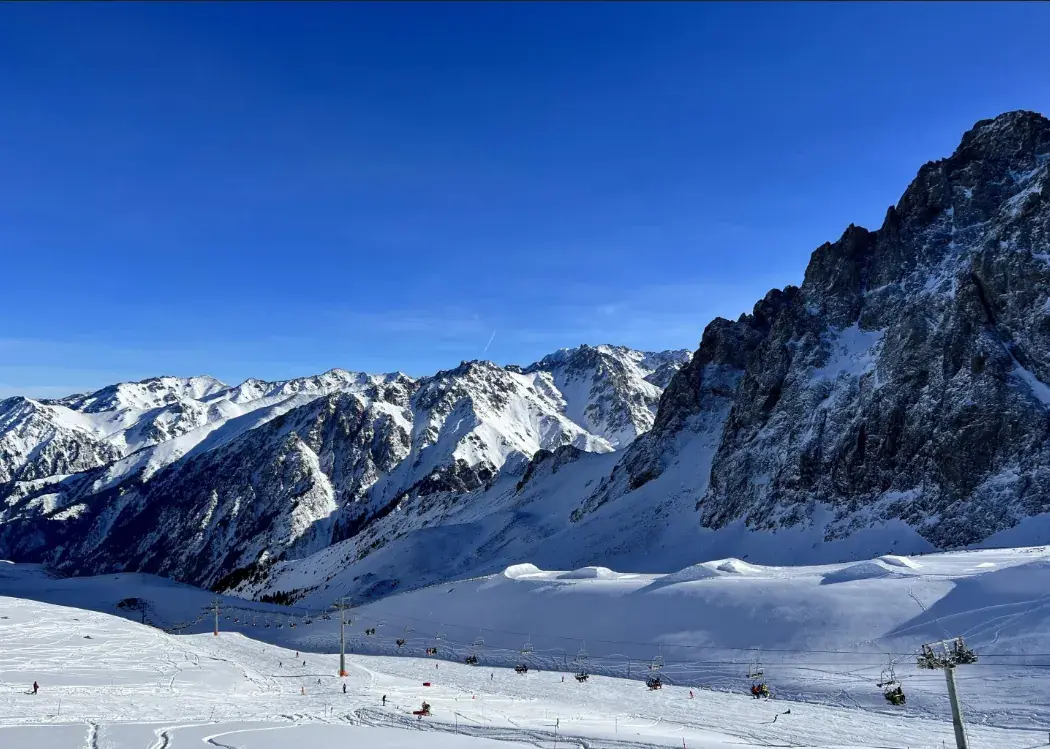
The largest ski resort in Central Asia, just 25 km from Almaty. It sits in the Zailiysky Alatau mountains at 2,260–3,200 m elevation. It holds the Guinness World Record (2023) for the highest night skiing in the world.
Pros:
- Close to the city: 40–45 minutes by car + 20 minutes by gondola from Medeu
- Longest season: November–April
- 20 km of runs: 4 km beginner, 10 km intermediate, 6 km advanced
- Modern facilities: spa, restaurants, hotels, ski school
- Night skiing on lit runs
Cons:
- Lift queues on weekends
- Pricey food and rentals on-site
Ski pass (2025–2026 season): same price on weekdays, weekends, and holidays — full day 26,000 ₸ (~$52) adult, 10,000 ₸ (~$20) child. Beginner slope — 12,000 ₸ (~$24)
Gondola round trip: 10,000 ₸ (~$20) adult, 5,000 ₸ (~$10) child
Equipment rental: from 25,000 ₸/day (~$50)
Website: shymbulak.com
Instagram: @shymbulakmountainresort
On the map: Google Maps | 2GIS | Yandex
 Shymbulak Mountain Resort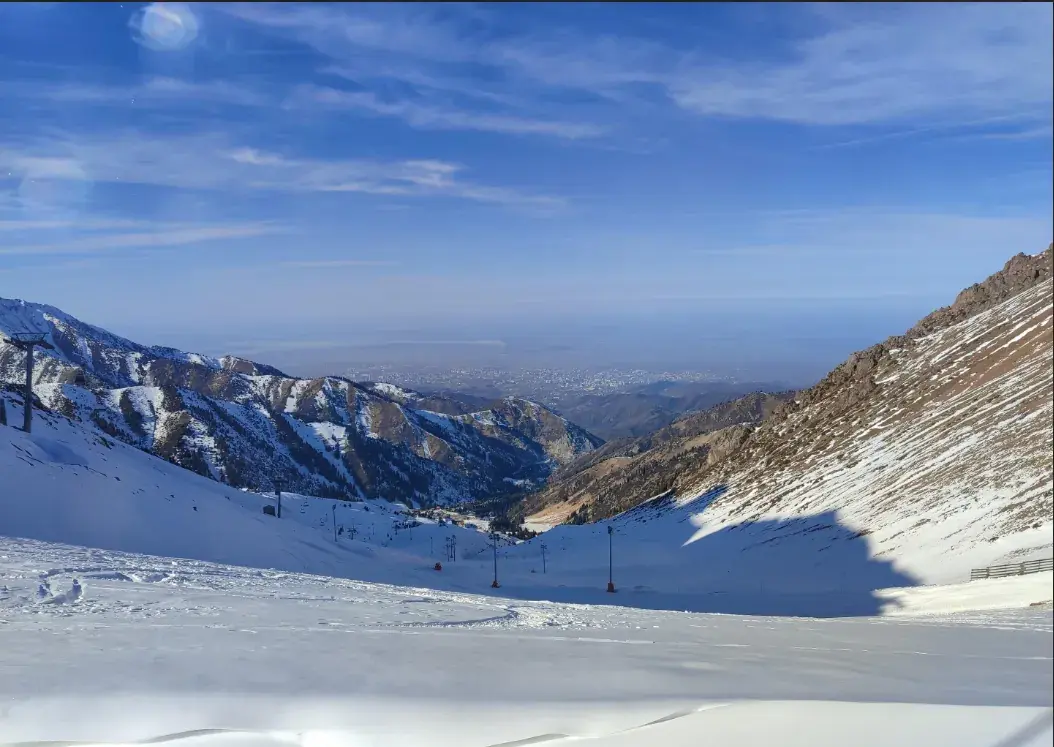
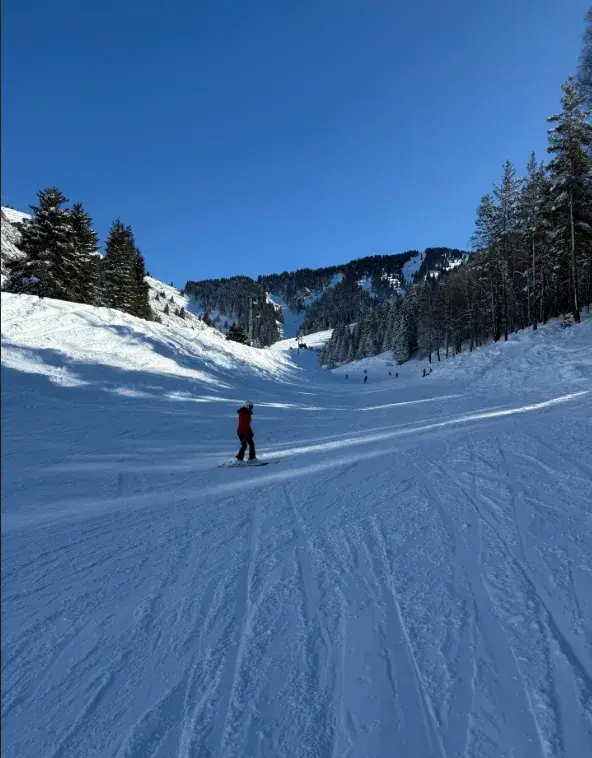
Ak-Bulak
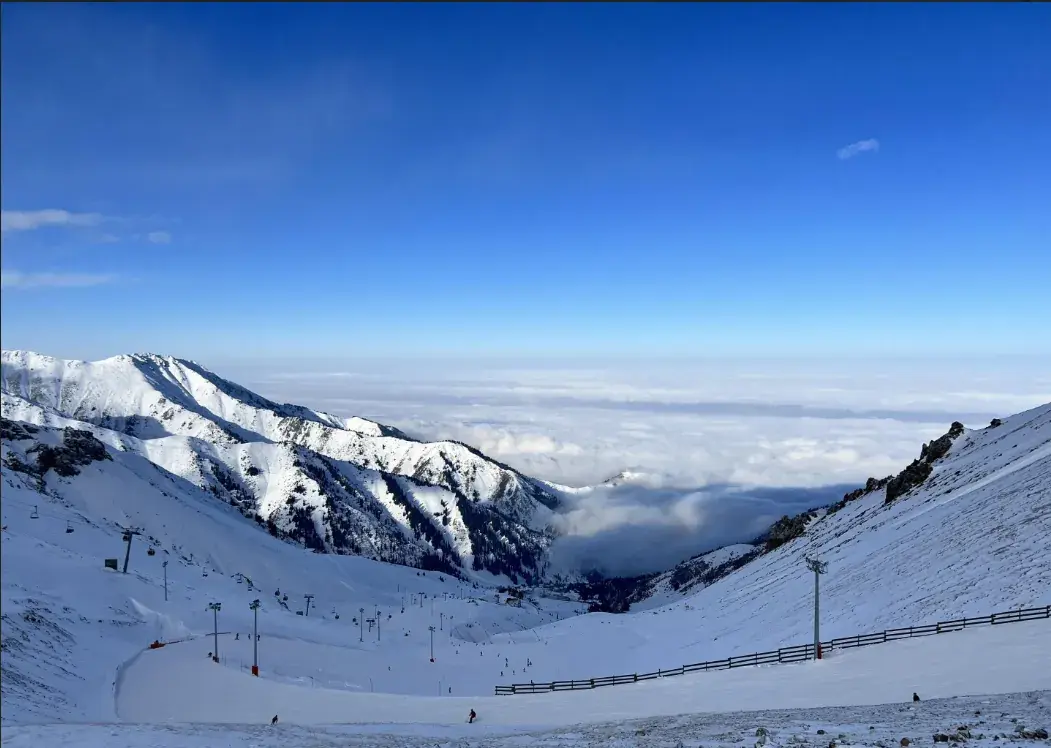
A beginner-friendly resort 40 km from Almaty. Gentle slopes and fewer crowds — a great spot to learn skiing or snowboarding. The only challenging run, "Dombra," is open only on weekends in January–February and closes in March due to avalanche risk.
Pros:
- Gentle slopes — perfect for beginners
- Fewer people than Shymbulak
- Full resort complex: hotel, spa, pool, ice rink
- Affordable rentals
Cons:
- Farther from the city: 50 min–1.5 hours drive
- Shorter season: December–March
- Sometimes closed on Mondays — check before you go
Ski pass (2025–2026 season), full day:
— Standard season: 22,000 ₸ (~$44) (weekdays and weekends, adults and kids)
— Peak season (Jan 1–11): 27,000 ₸ (~$54)
+ national park eco-fee 590 ₸ (~$1) and ski pass card 2,000 ₸ (~$4)
Equipment rental: skis/snowboard + boots + poles — 7,000 ₸ (~$14) weekdays / 11,000 ₸ (~$22) weekends
Website: akbulak.kz
Instagram: @akbulak.kz
On the map: Google Maps | 2GIS | Yandex
 Ak-Bulak Ski Resort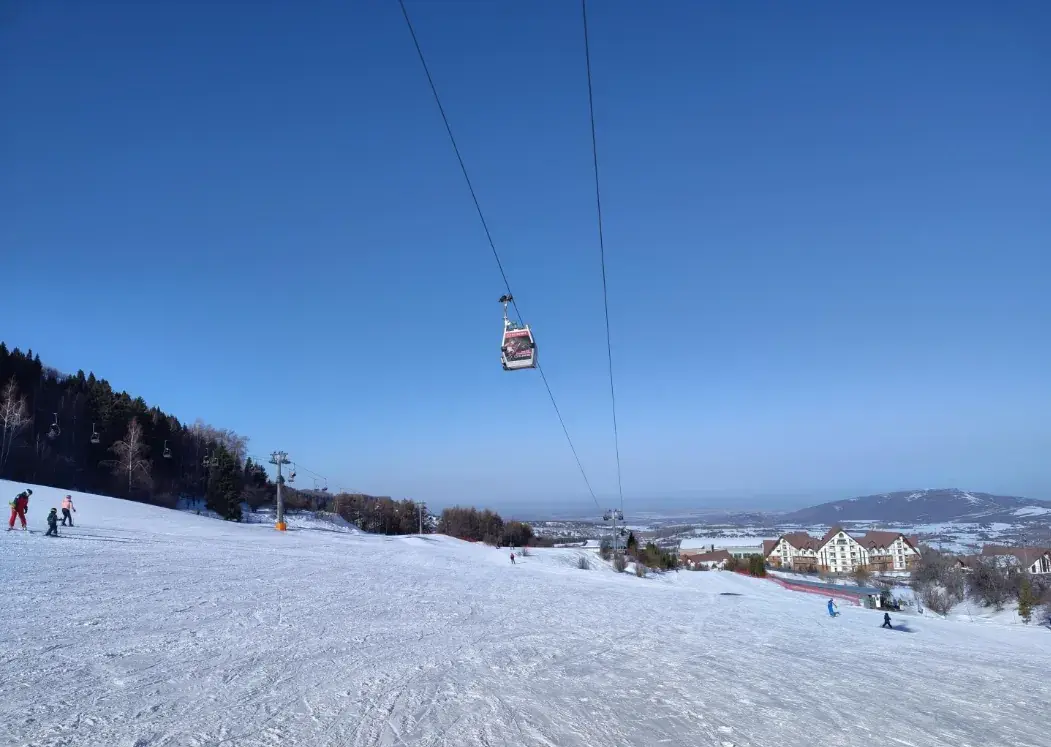
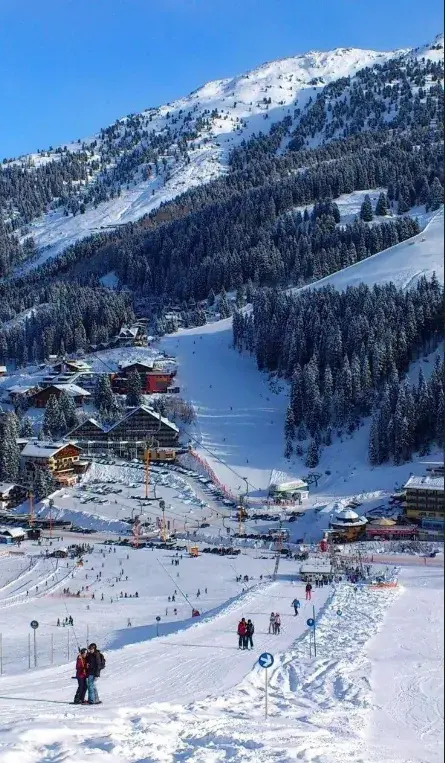
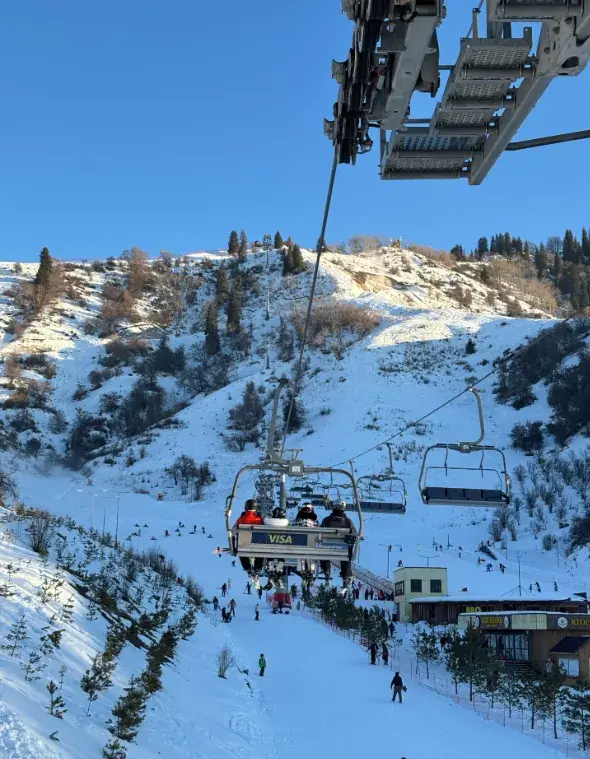
Oi-Qaragai (Lesnaya Skazka)
A family-friendly resort 35 km from Almaty, nestled in a Tien Shan spruce forest. Perfect for beginners and families with kids. On-site you'll find treehouses and a giant yurt restaurant (a 2015 Guinness World Record holder).
Pros:
- 13 km of beginner and intermediate runs
- Fewer crowds on weekdays
- Family fun: zipline, ropes course, tubing
- UMAI spa with hot baths in a yurt
- Night skiing with a magical atmosphere
Cons:
- Almost no advanced runs for experts
- Season only December–March
- 40 minutes from the city
Ski pass (2025–2026 season), full day:
— Standard season: 24,000 ₸ (~$48) adult, 8,500 ₸ (~$17) child (at the counter) / 21,818 ₸ (~$44) and 7,727 ₸ (~$15) via the app
— Peak season (Jan 1–11): 27,500 ₸ (~$55) adult, 10,000 ₸ (~$20) child (at the counter) / 25,000 ₸ (~$50) and 9,091 ₸ (~$18) via the app
Equipment rental: 4.5 hours — 13,000 ₸ (~$26) adult, 8,000 ₸ (~$16) child; full day — 16,500 ₸ (~$33) adult, 10,000 ₸ (~$20) child
Gondola round trip: 5,000–10,000 ₸ (~$10–20) adult, 2,500–5,000 ₸ (~$5–10) children 7–14 (depending on the route)
Additional fees: eco-fee 595 ₸ (~$1), plastic card 4,000 ₸ (~$8)
Website: oiqaragai.com
Instagram: @oiqaragai
On the map: Google Maps | 2GIS | Yandex
 Oi-Qaragai Resort (Lesnaya Skazka)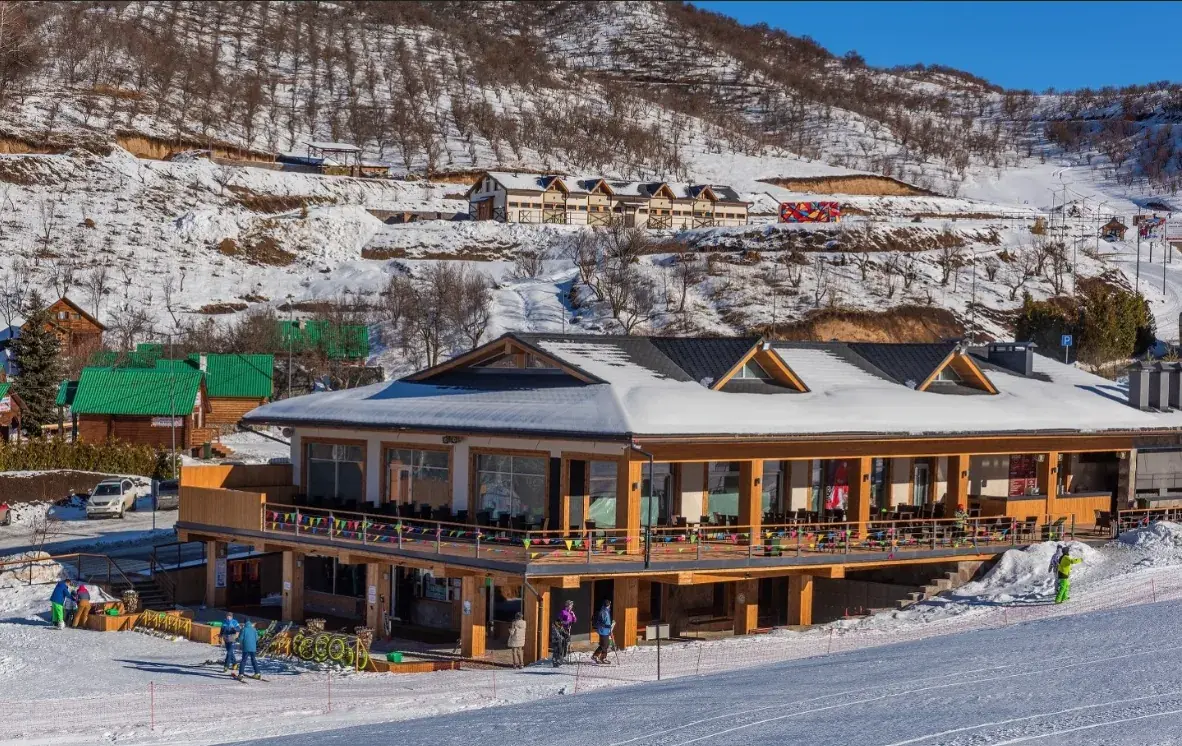
Which resort to choose
To help you pick the right resort, here's a side-by-side comparison:
| Feature | Shymbulak | Ak-Bulak | Oi-Qaragai |
|---|---|---|---|
| Distance | 25 km (45 min) | 40 km (1–1.5 hrs) | 35 km (40 min) |
| Elevation | 2,260–3,200 m | 1,600–2,660 m | 1,550–1,820 m |
| Runs | 20 km | 14 km | 13 km |
| Season | Nov–Apr | Dec–Mar | Dec–Mar |
| Ski pass (standard) | 26,000 ₸ (~$52) | 22,000 ₸ (~$44) | 24,000 ₸ (~$48) |
| Ski pass (peak, Jan 1–11) | 26,000 ₸ (~$52) | 27,000 ₸ (~$54) | 27,500 ₸ (~$55) |
| Rental | from 25,000 ₸ (~$50) | from 7,000 ₸ (~$14) | from 13,000 ₸ (~$26) |
| Best for | Experienced, tourists | Beginners | Families, beginners |
| Queues | High | Low | Medium |
Tips for beginners
We'd like to share a post from Boris, an active member of our hiking community:
On skiing/snowboarding and beginners.
Every time I'm at Shymbulak, I see loads of complete beginners who have no idea what they're doing. They're dangerous — both to themselves and everyone around them.
A mini-guide for those who want to start skiing or snowboarding:
- It really helps to have a friend who already rides and can walk you through the gear, technique, etc. And no, the shop assistant doesn't count — their job is to sell you the priciest stuff.
- You absolutely don't need to buy new, expensive equipment — as a beginner, you literally won't feel the difference. At all.
- While a fit person can get into accessible 4,000 m peak hikes fairly quickly, decent skiing takes much longer. You won't be riding well after 10 days. And after 3 years — still not guaranteed. These are technically demanding sports.
- The best place to learn in Almaty: Ak-Bulak. It has the easiest slopes, a convenient lift, and fewer people.
- The beginner's path: 2 hours with an instructor, then practice on your own. You don't need an instructor all the time, but about 10% of your time with one is super helpful. Without drills and error correction, you won't progress.
- Once you've mastered Ak-Bulak, move on to Lesnaya Skazka or Aktas.
- Only then head to Shymbulak.
- If you really want to go straight to Shymbulak, a beginner pass is enough for the first day. Plus 2 hours with an instructor. That'll be plenty.
- The dumbest thing a beginner can do is take the lift to the top (Talgar Pass) and try to ride down. It's dangerous for you and everyone else on the slope.
- Skis must have ski brakes (stoppers that prevent runaway skis) — don't bring grandpa's antique skis from the attic. Snowboards must be leashed to your leg. (Today alone I saw three boards lost from the top. One hit a woman's arm — almost certainly a double fracture. Good thing it wasn't her head — she wasn't wearing a helmet.)
- Stay safe. A helmet and properly fitted gear ADJUSTED TO YOUR WEIGHT is key to keeping yourself in one piece.
- Remember: riding fast on a crowded slope doesn't mean you're good. That's almost always a rookie and a hazard. Someone who's actually skilled is always in control and basically never falls. Pros only ride fast at 9 AM on empty runs or during competitions on fenced-off courses. No pro would ever jump off a mini-kicker onto a crowded slope (saw it today).
- And about freeride. Until you've seen a hundred avalanches — both settled and in motion — you won't truly grasp the danger of snow. Until you've seen people broken on rocks, you won't understand the importance of technique off-piste, route planning, snow testing, and everything else that goes with it.
Good luck out there!
City walks
We'd suggest spending 1–2 days on city walks, not more — winter air quality isn't great, and long walks get uncomfortable.
Most articles recommend the usual spots: Arbat, Panfilov pedestrian street, Republic Square, Green Bazaar. We've included those too, but we want to highlight some other places that our team finds more interesting.
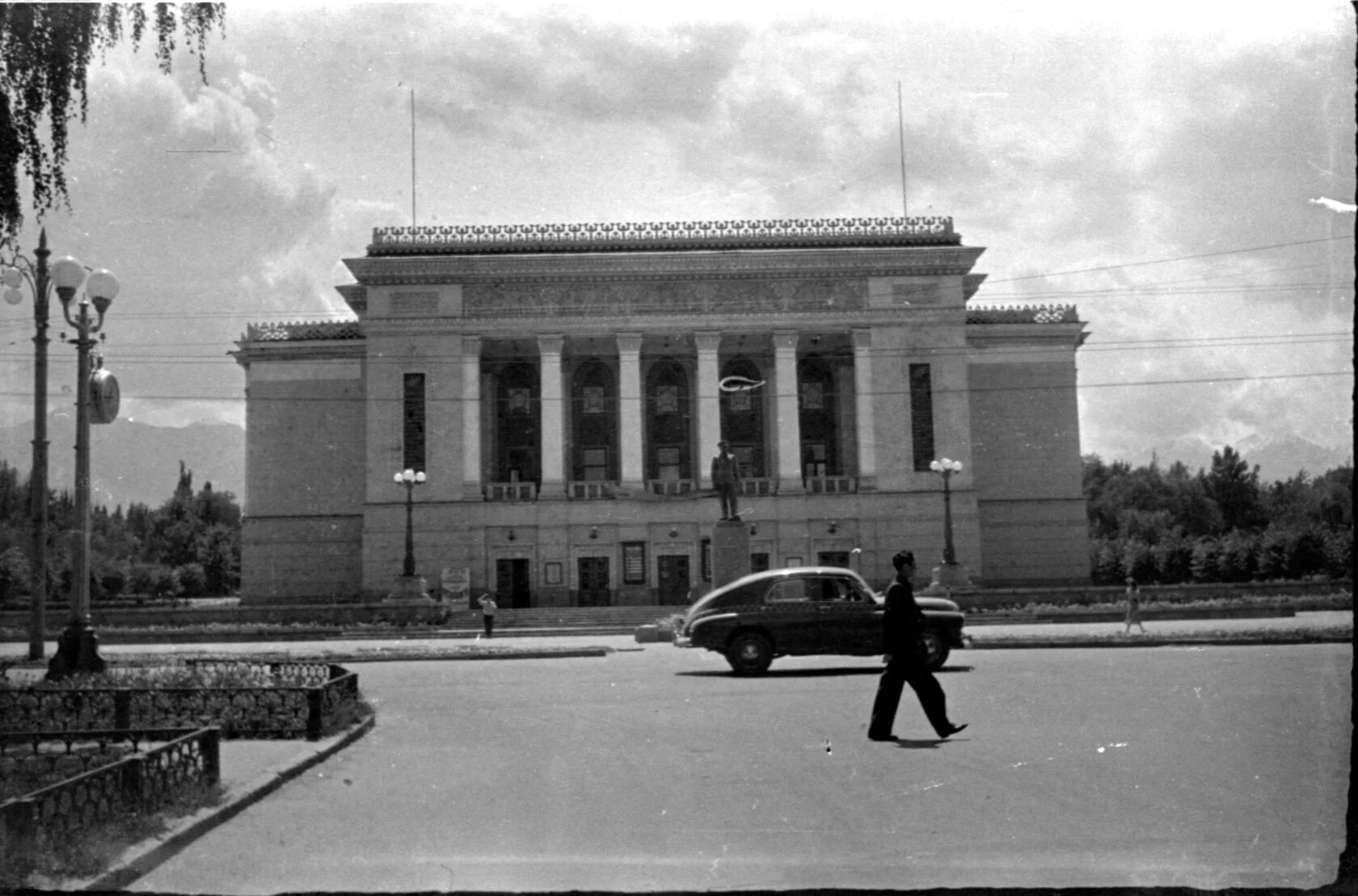
Park of 28 Panfilov Guardsmen
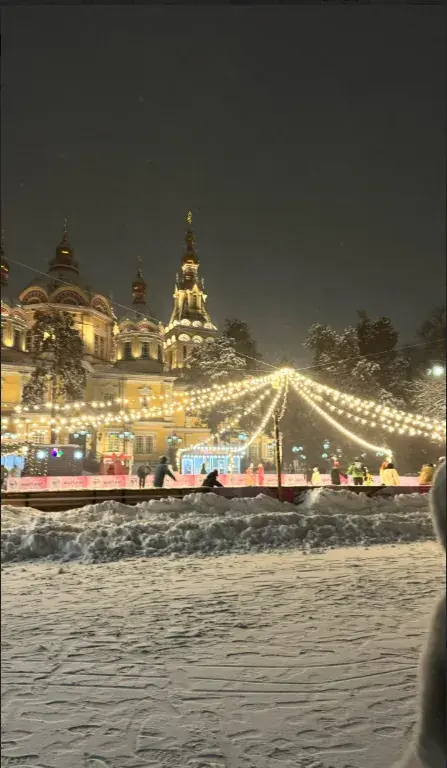 Park of 28 Panfilov Guardsmen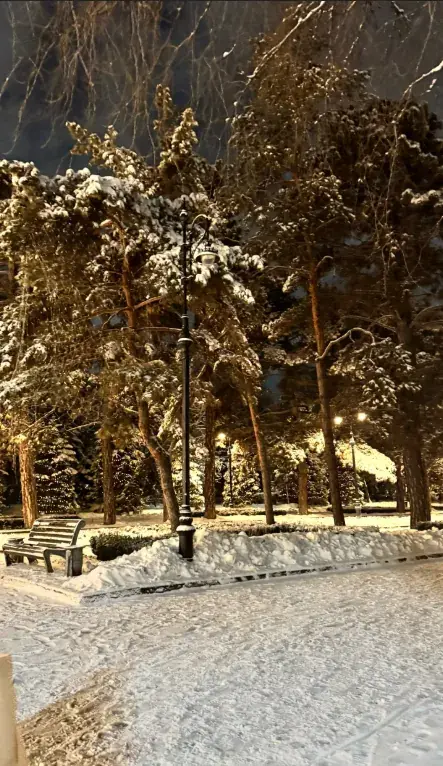
Glory Memorial
The Park of 28 Panfilov Guardsmen is one of the most historically significant and oldest parks in Almaty, honoring the heroism of Soviet soldiers during World War II.
The park was established in 1872 and has been renamed many times. Its current name dates from 1942, honoring the 28 Panfilov Heroes — soldiers of the 1075th Regiment, 316th Rifle Division, who made a legendary stand in the defense of Moscow.
On November 16, 1941, near the Dubosekovo junction outside Moscow, a group of 28 Soviet soldiers led by political instructor Vasily Klochkov engaged German tanks in fierce combat. They served in the 316th Rifle Division under General Ivan Panfilov. These young soldiers — of different nationalities from the Kazakh and Kyrgyz Soviet Republics, many without full military training — held their positions for 4 hours against vastly superior German forces and destroyed 18 enemy tanks.
In 1968, a two-meter monument to General Ivan Panfilov was erected here.
In 1975, for the 30th anniversary of Victory Day, the grand Glory Memorial was unveiled — a composition of three granite reliefs representing "The Oath," "The Feat," and "The Triumph of Life." An Eternal Flame was also lit.
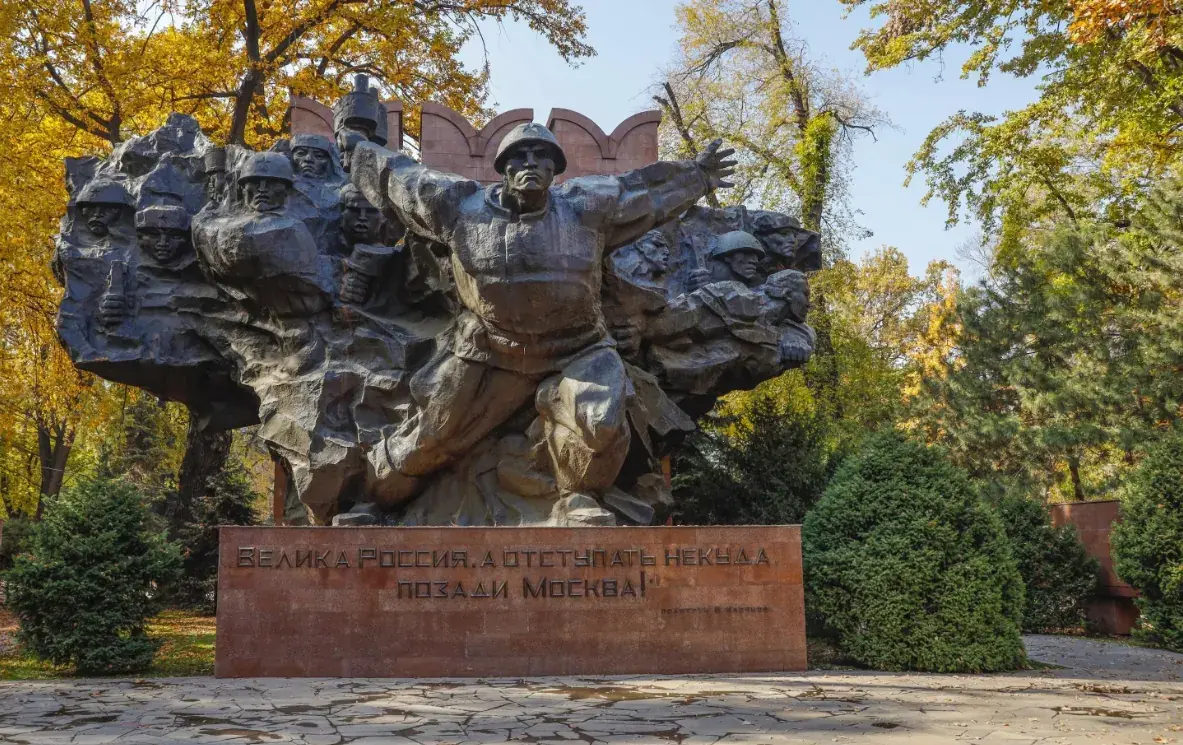 Glory Memorial
Ascension Cathedral
In the center of the park stands the Ascension Cathedral (Zenkov Cathedral), built between 1904 and 1907. It's one of the tallest wooden churches in the world — 54 m high.
The cathedral was built from Tien Shan spruce with metal fasteners. During the devastating 1911 earthquake, when many stone buildings in the city were damaged, only one cross on the cathedral bent and a few windows cracked — making it a symbol of successful earthquake-resistant design.
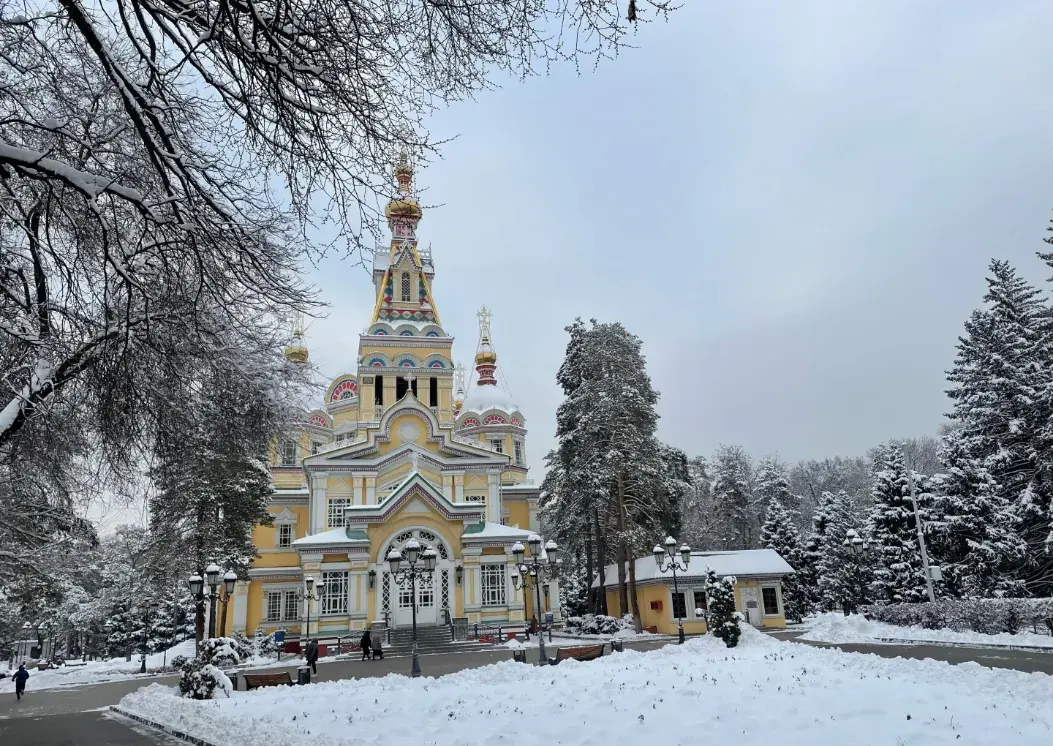 Ascension Cathedral
What to see nearby:
- Museum of Folk Musical Instruments — in a historic 1908 building
- Arasan Bathhouse — right across the street from the park
Admission: free
On the map: Google Maps | 2GIS | Yandex
Murals
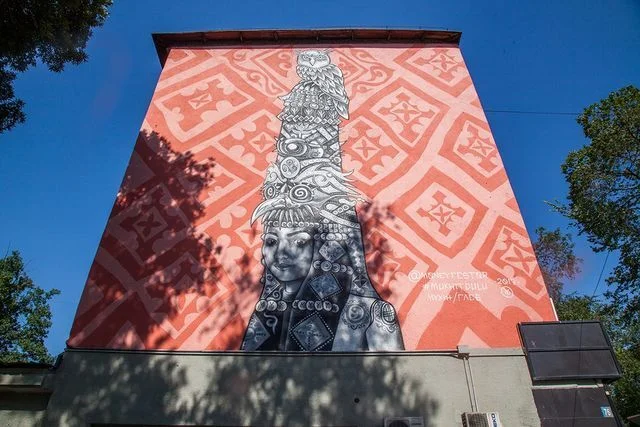
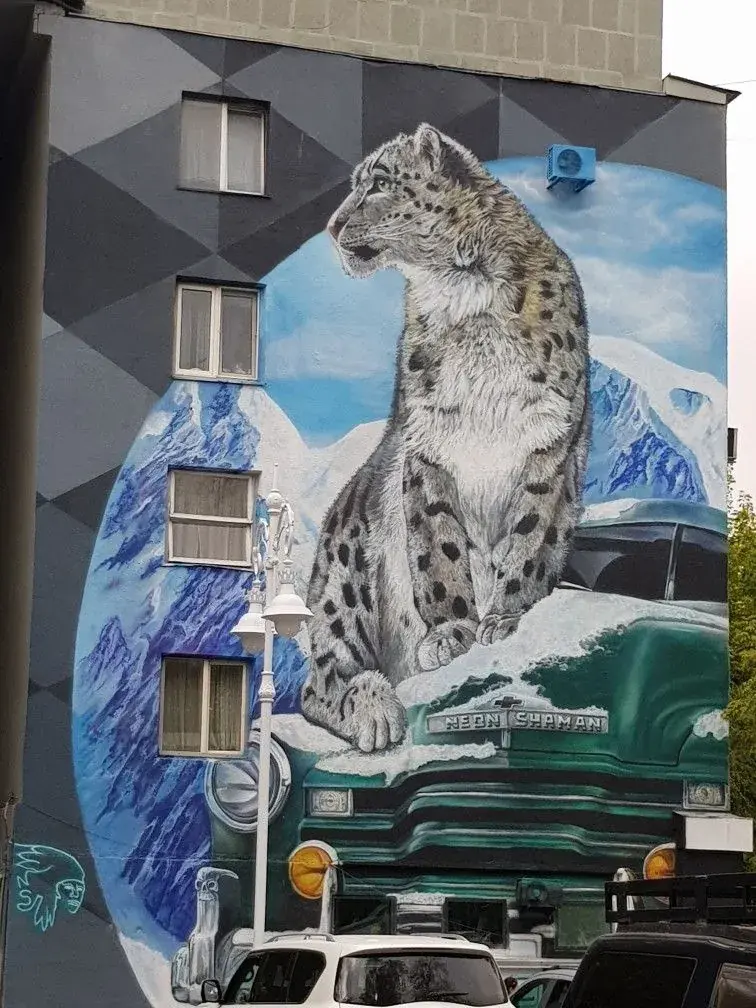
Dozens of large-scale murals on building facades across the city — the result of ARTBAT FEST, an annual street art festival running since 2010.
Today, murals aren't just decoration — they're part of Almaty's cultural identity. The works reflect social and cultural themes: ecology, urbanization, national identity.
Many pieces reference Kazakhstan's cultural heritage and important historical moments, bridging past and present.
What you'll see:
- A neon-palette portrait of Abay (Kazakhstan's most celebrated poet and philosopher)
- Kazakh batyrs (legendary warriors) and scenes from national epics
- A girl in traditional costume "with eyes full of the steppe"
- Environmental and futuristic themes
The murals cover the facades of 4–5-story buildings — massive works visible from blocks away.
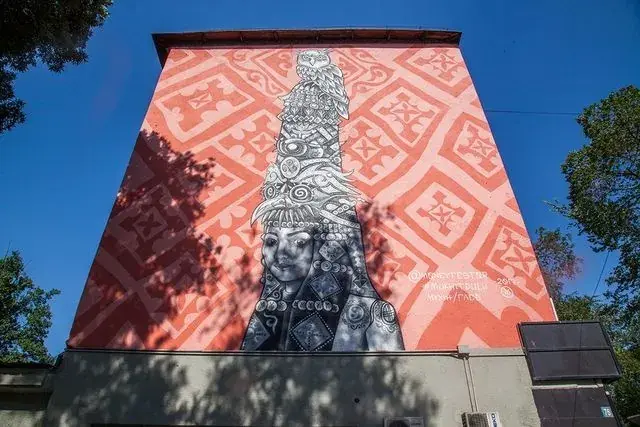 Almaty murals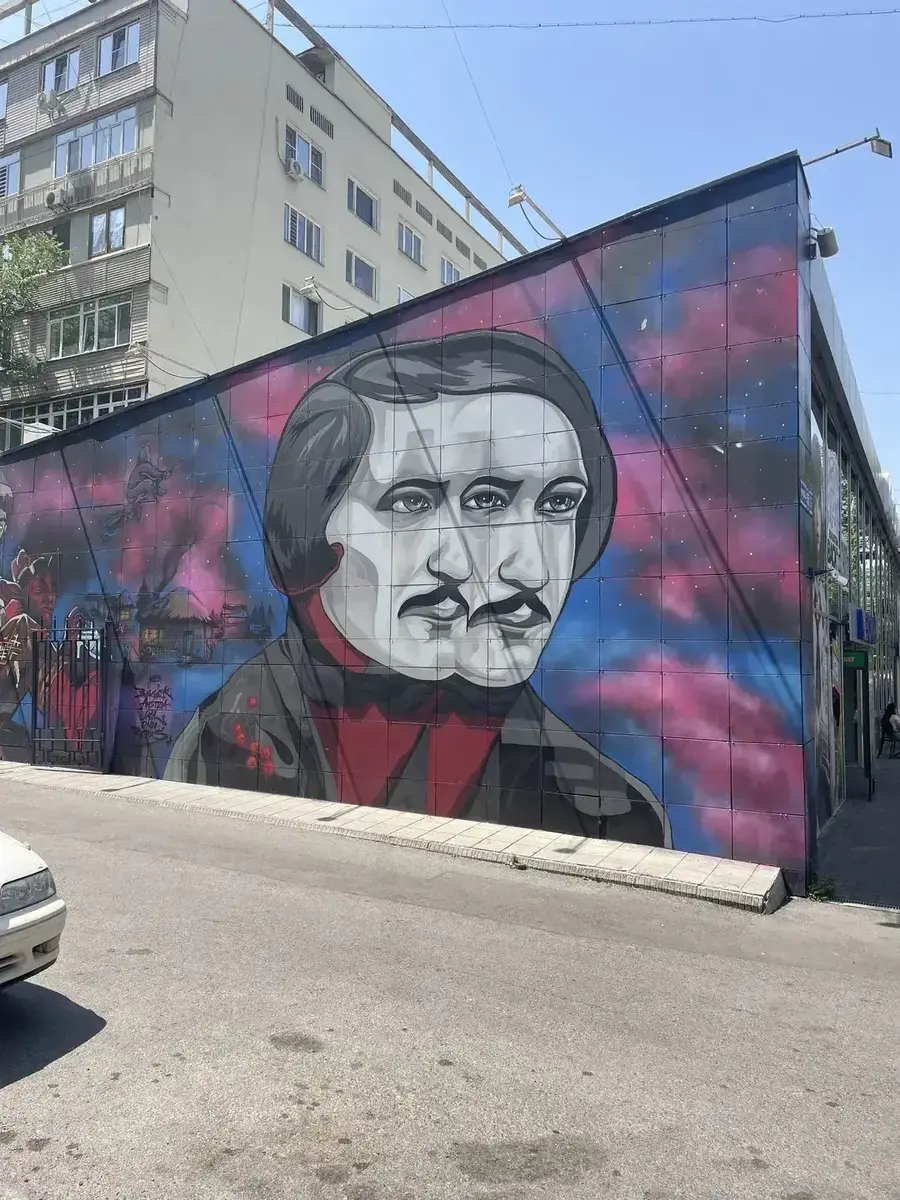
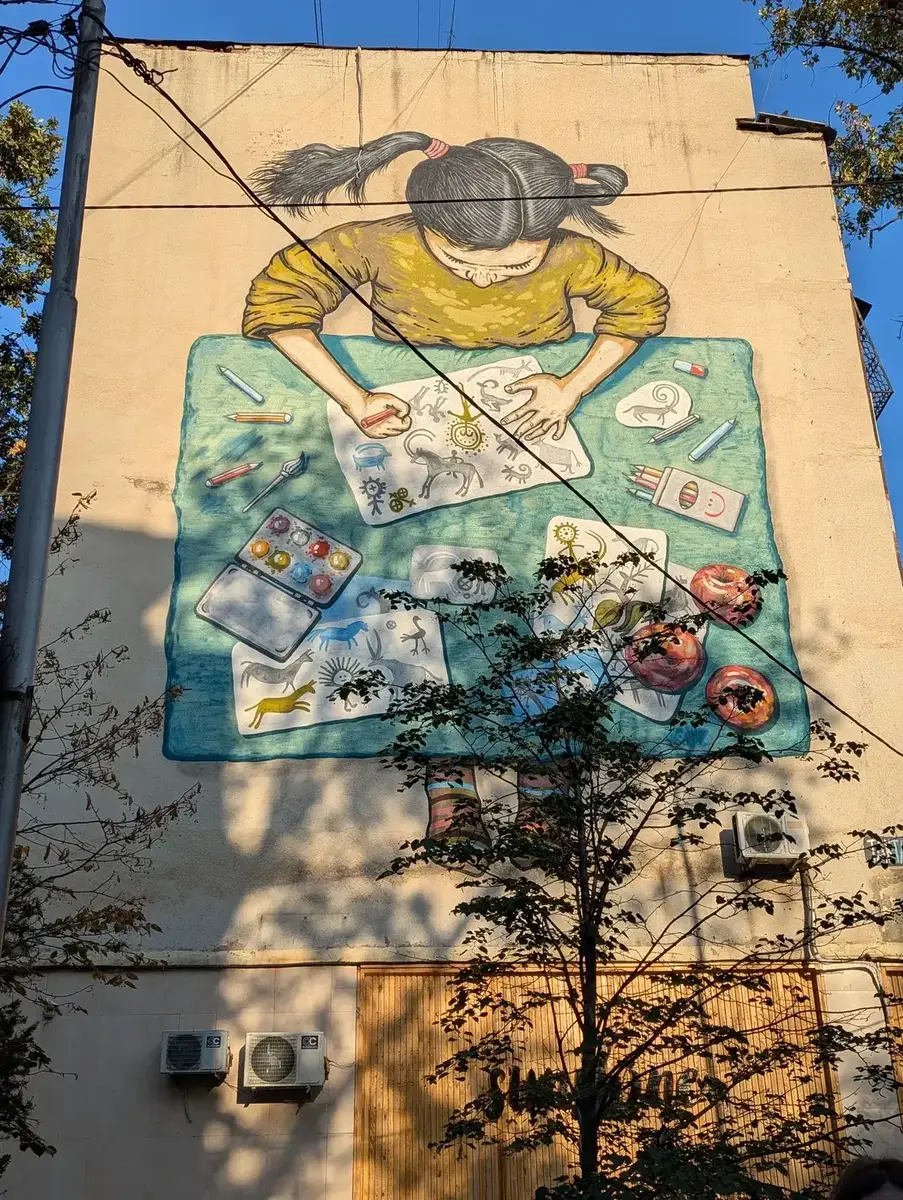
Admission: free
Want to not just see the murals but understand the stories and meaning behind them? On our street art tour, you'll explore styles and techniques with a professional muralist over 2.5 hours — book on our website.
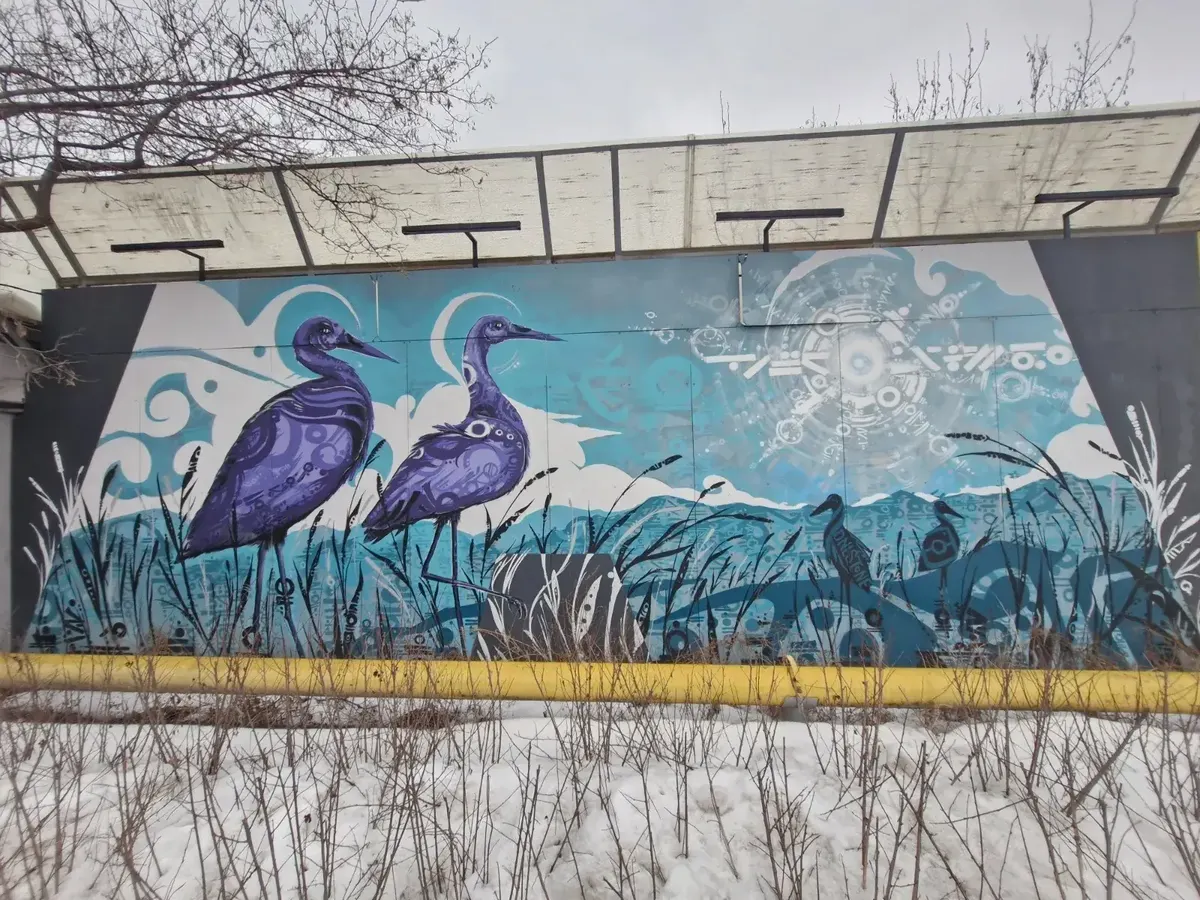
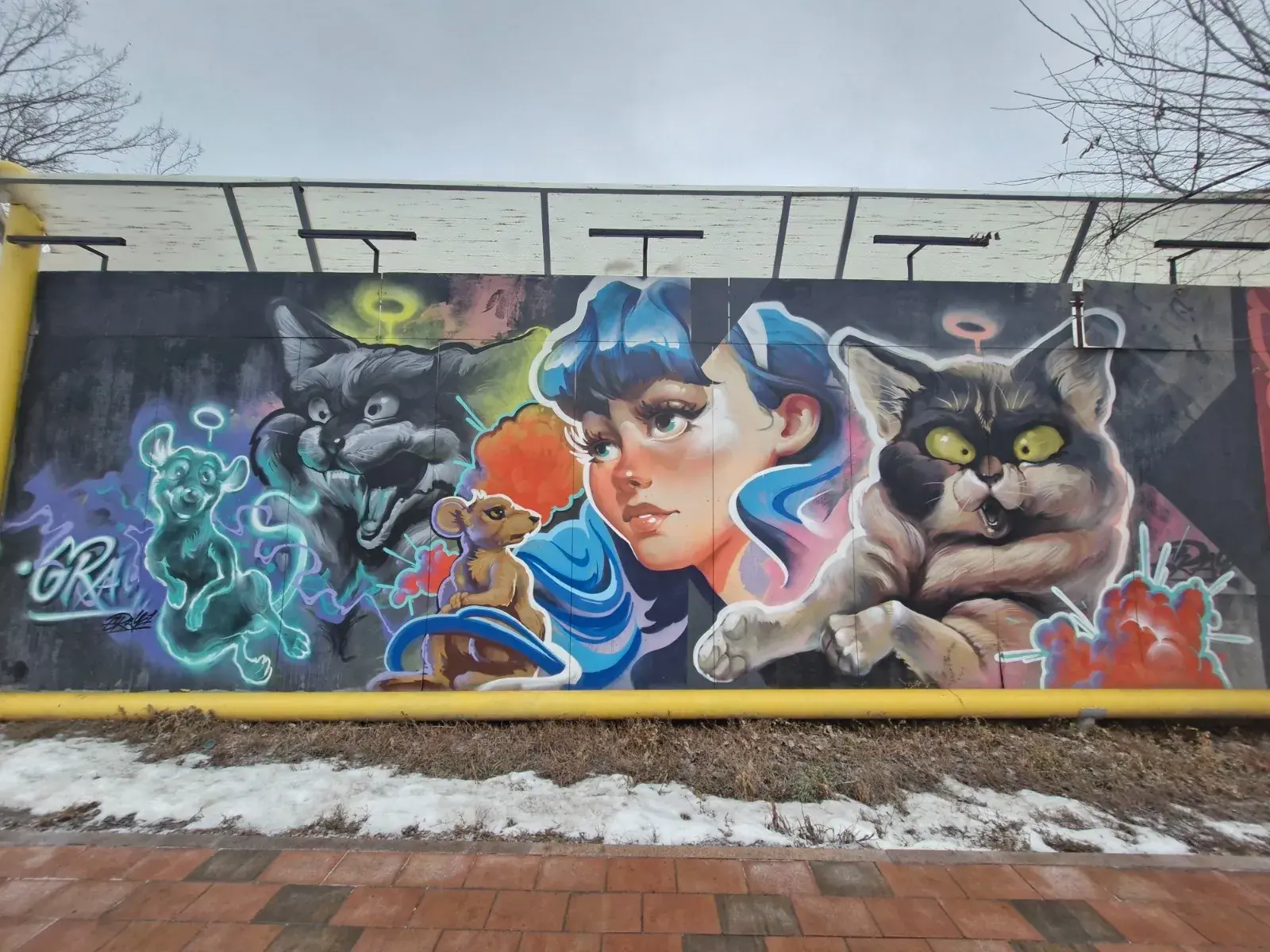
The longest legal graffiti wall in Central Asia
The graffiti wall on Ospanova Street in Almaty is an open-air street art canvas stretching 420 meters with roughly 1,200 sq. m of painted surface. It was created in 2023 as part of the "First Layer" project with support from the city administration.
More than 40 artists from Kazakhstan and Kyrgyzstan, including the REPAS crew, painted the wall along a pedestrian zone between Dostyk Avenue and the Esentai River. The original works depicted all 42 letters of the Kazakh alphabet in a single narrative composition, along with Almaty landmarks.
It's a living wall: works are regularly updated, old layers giving way to new ideas.
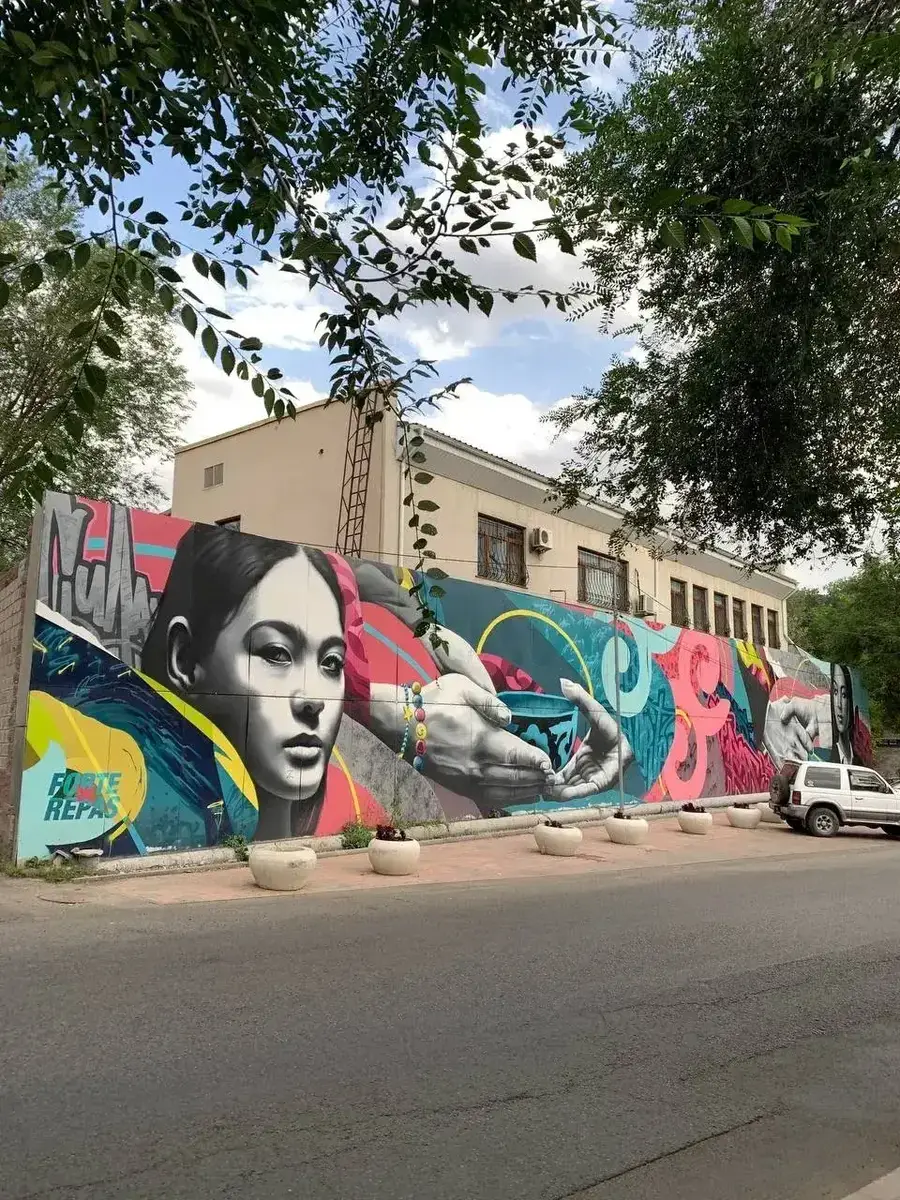 Graffiti wall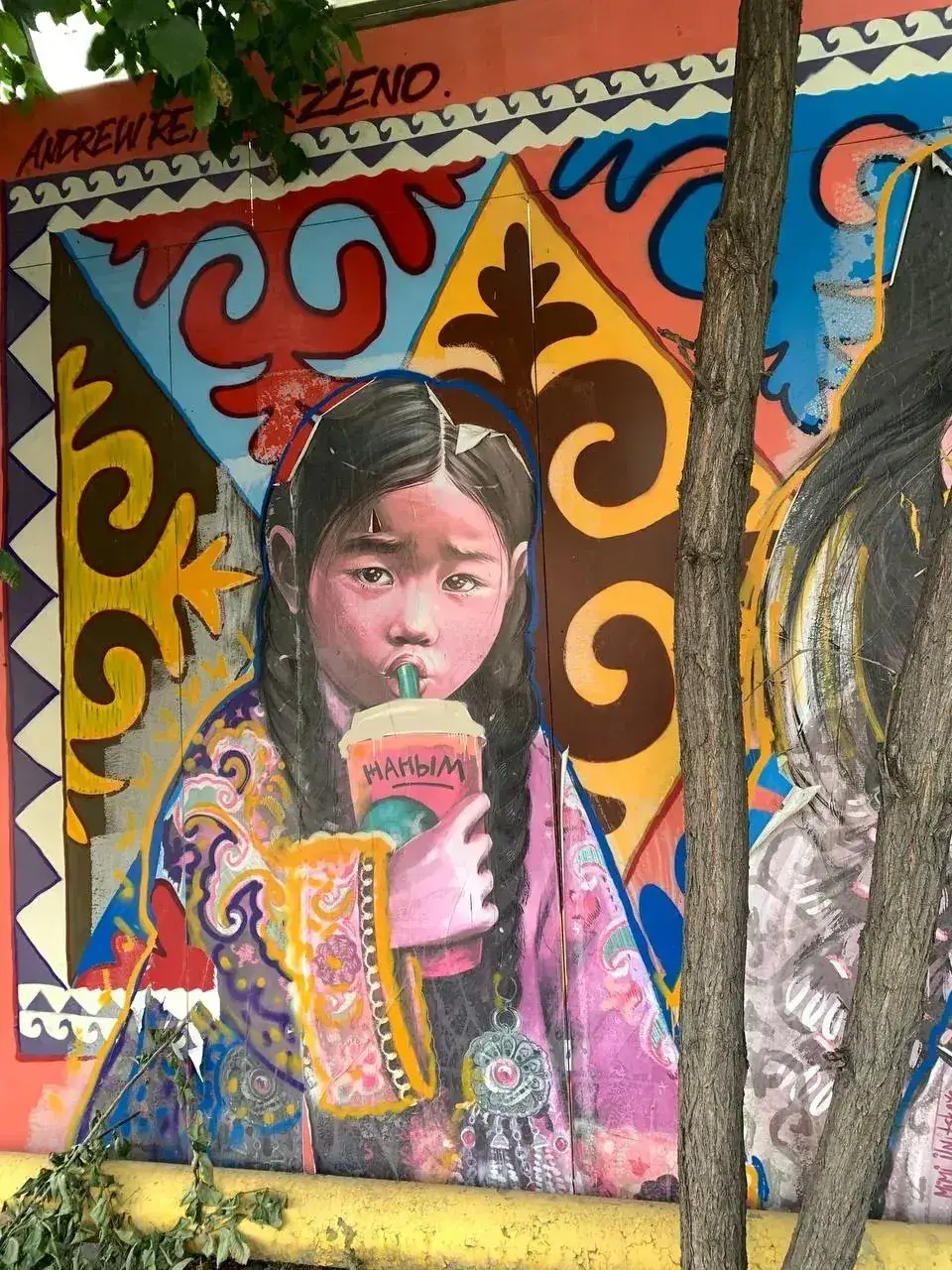
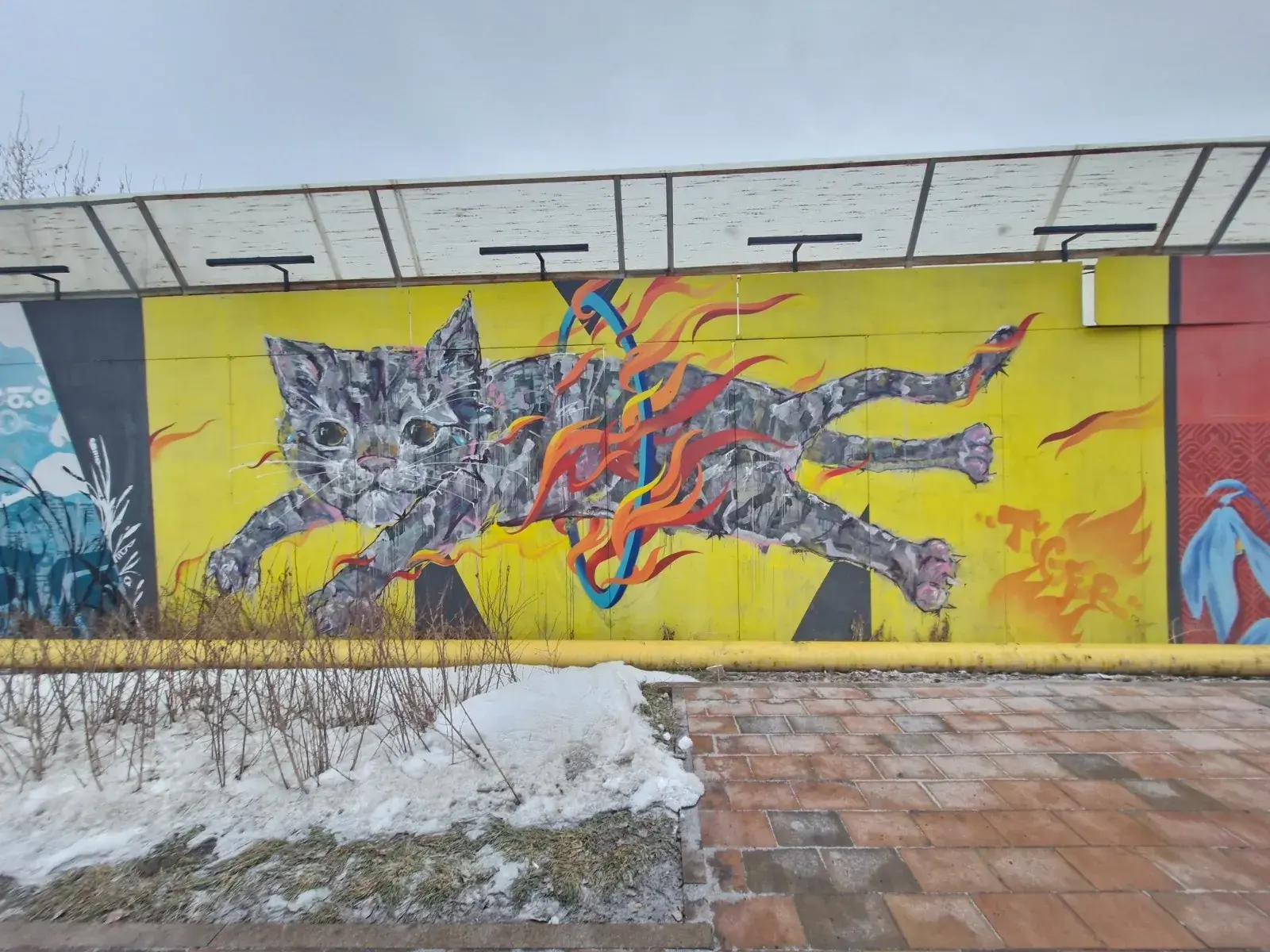
Admission: free
Address: Ospanova Street
On the map: Google Maps | 2GIS | Yandex
You can explore this wall with an art historian who'll reveal the stories and meaning behind each piece. On our street art walk, you'll learn about graffiti styles and movements — get in touch to book.
Arbat and Panfilov Street
Two pedestrian streets in the center, running perpendicular to each other. Panfilov Street is Almaty's version of Moscow's Arbat but with more Kazakh flavor: you'll hear Kazakh spoken more often, street musicians play the dombra (a traditional two-stringed instrument), and vendors sell national souvenirs.
Zhibek Zholy Street is a classic pedestrian zone with cafes and shops, where you'll also catch live performances. In December–January, both streets are decorated with lights and New Year installations.
Admission: free
On the map: Google Maps | 2GIS | Yandex
Green Bazaar
Come here to soak in the authentic atmosphere and sample local products — dried fruits, nuts, horse meat sausage (kazy), fermented mare's milk (kumis), fresh bread, and spices from across Central Asia. It's a feast for the senses even if you don't buy anything.
Admission: free
On the map: Google Maps | 2GIS | Yandex
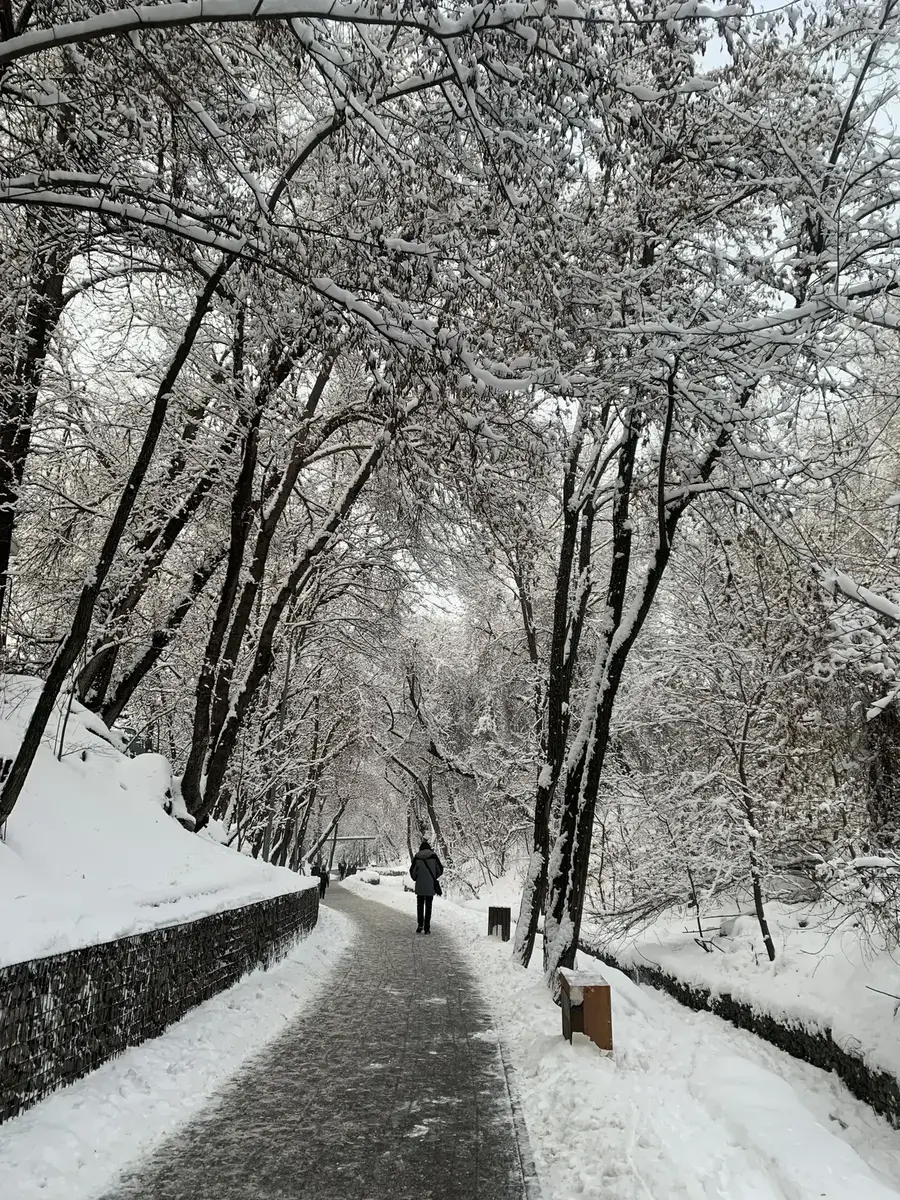
Terrenkurs (health trails)
Almaty's terrenkurs are designated walking paths originally created as part of the city's public health infrastructure. A terrenkur (from German: Terrain + Kur, meaning "terrain therapy") is a marked trail designed for therapeutic walking — a concept popular in Soviet-era wellness culture. The most famous and oldest route runs along the Malaya Almatinka River.
There are two ways to walk them: bottom-up or top-down. Top-down is easier and more pleasant — you start where the air is cleaner and gradually descend toward the city.
 Almaty terrenkurs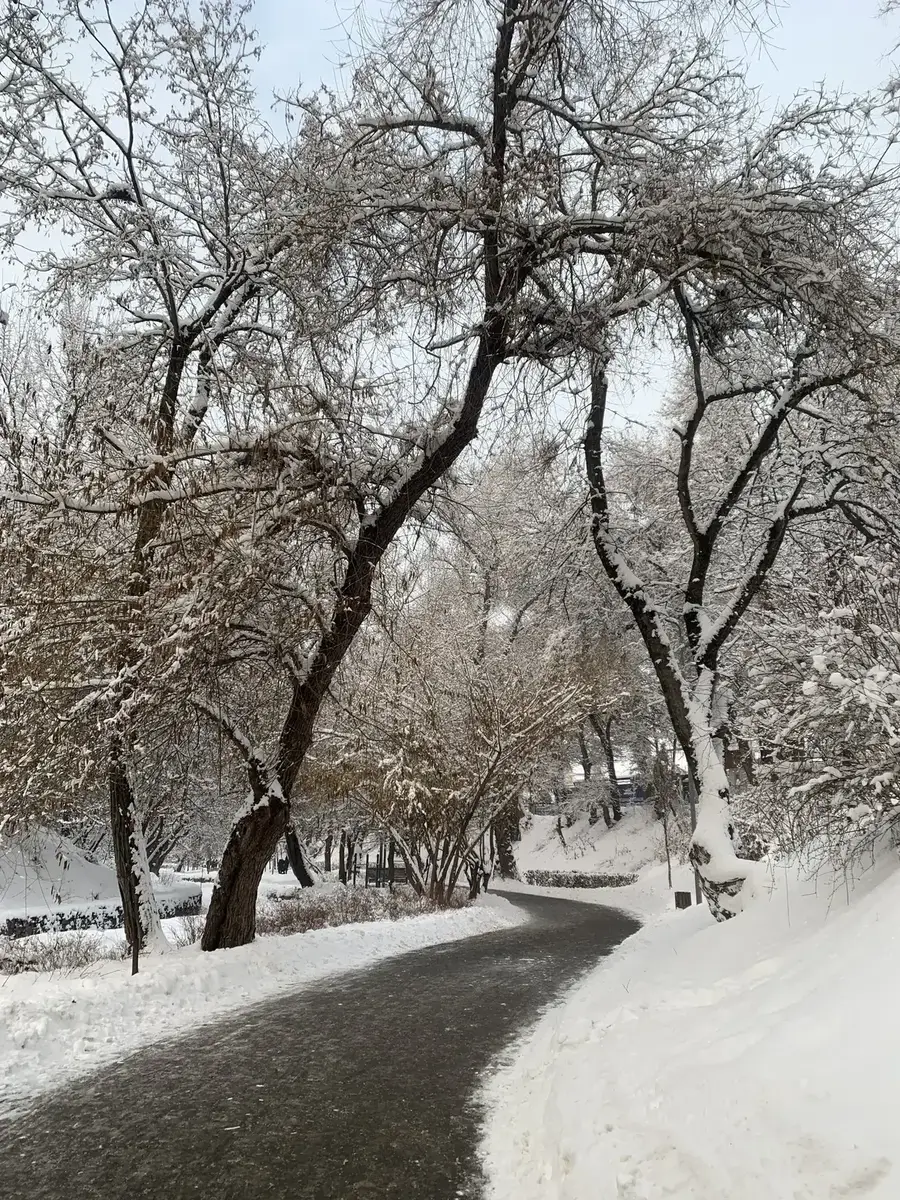
Historic terrenkur (along the Malaya Almatinka River)
This is the main and most popular terrenkur in the city — many locals simply call it "The Terrenkur." It was built in 1974.
In Soviet times, public health was a big priority. The Almaty route was designed to provide ideal exercise for the heart and lungs: it rises gently from the city center toward the foothills, creating an elevation gain that builds endurance naturally.
Route: Runs parallel to Tattimbeta Street and Dostyk Avenue (starts behind the Arman cinema and climbs toward the Royal Tulip hotel). Lots of cafes and restaurants along the way, especially in the lower section.
Length: 4.5 km
Elevation: from 876 to 1,058 m above sea level
Cost: free
On the map: Google Maps | 2GIS | Yandex
New terrenkur (along the Esentai River)
In recent years, Almaty has been expanding its pedestrian trail network, and a "second" terrenkur appeared.
Opened: summer 2022
Location: runs along the Esentai (Vesnovka) River, Al-Farabi Avenue, toward Zhamakayev and beyond
Length: about 7.5 km
Features: This route is longer than the original and gets wilder in the upper section. It connects the city riverbank with the foothills, creating a continuous walking corridor from downtown to the mountains.
Cost: free
On the map: Start (Al-Farabi) | End (Muztau) | 2GIS | Yandex
Botanical Garden
103 hectares of green space within city limits. Open year-round — in winter, come for a walk through snow-covered alleys lined with coniferous trees.
Easy to combine with the terrenkurs: one of the foothill trails starts near the Botanical Garden.
Admission: 500–1,000 ₸ (~$1–2)
On the map: Google Maps | 2GIS | Yandex
Kok-Tobe
A hilltop with panoramic city views. You can take the cable car from Abay Avenue, drive up, catch a bus, or even walk.
At the top: restaurants, cafes, a Ferris wheel, and a mini zoo.
In the evening — great views of the city lights. But in winter it's cold and windy up there, so dress warmer than you would downtown.
Cable car: 4,500 ₸ (~$9) one way, 8,000 ₸ (~$16) round trip
On the map: Google Maps | 2GIS | Yandex
Republic Square
In December–January, this is where you'll find the main city Christmas tree and an ice town — slides, ice sculptures, festive vibes. Free to visit, but it gets packed during the holidays.
Admission: free
On the map: Google Maps | 2GIS | Yandex
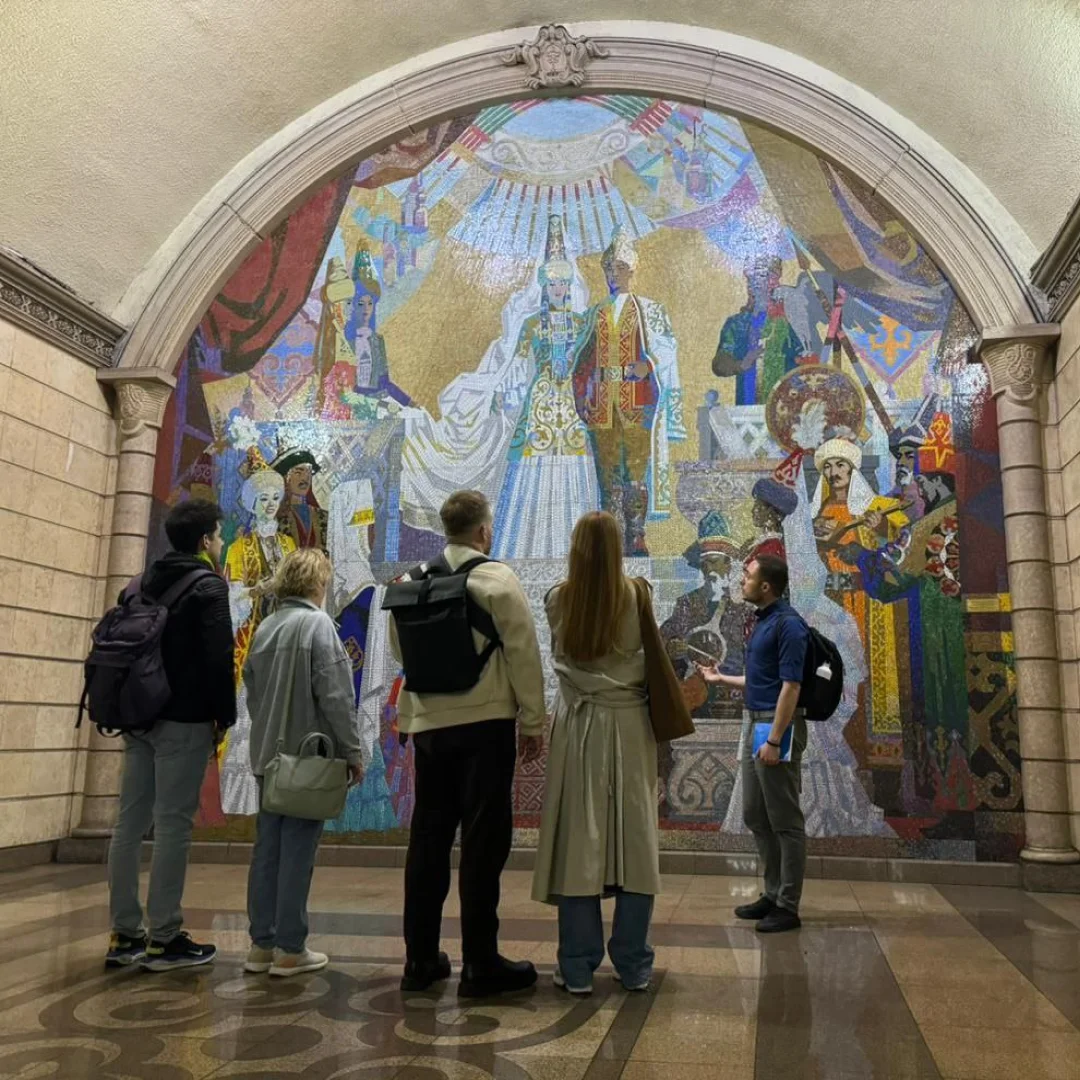
Almaty Metro
11 stations on a single line. Each one has its own design: national motifs, historical references, contemporary art.
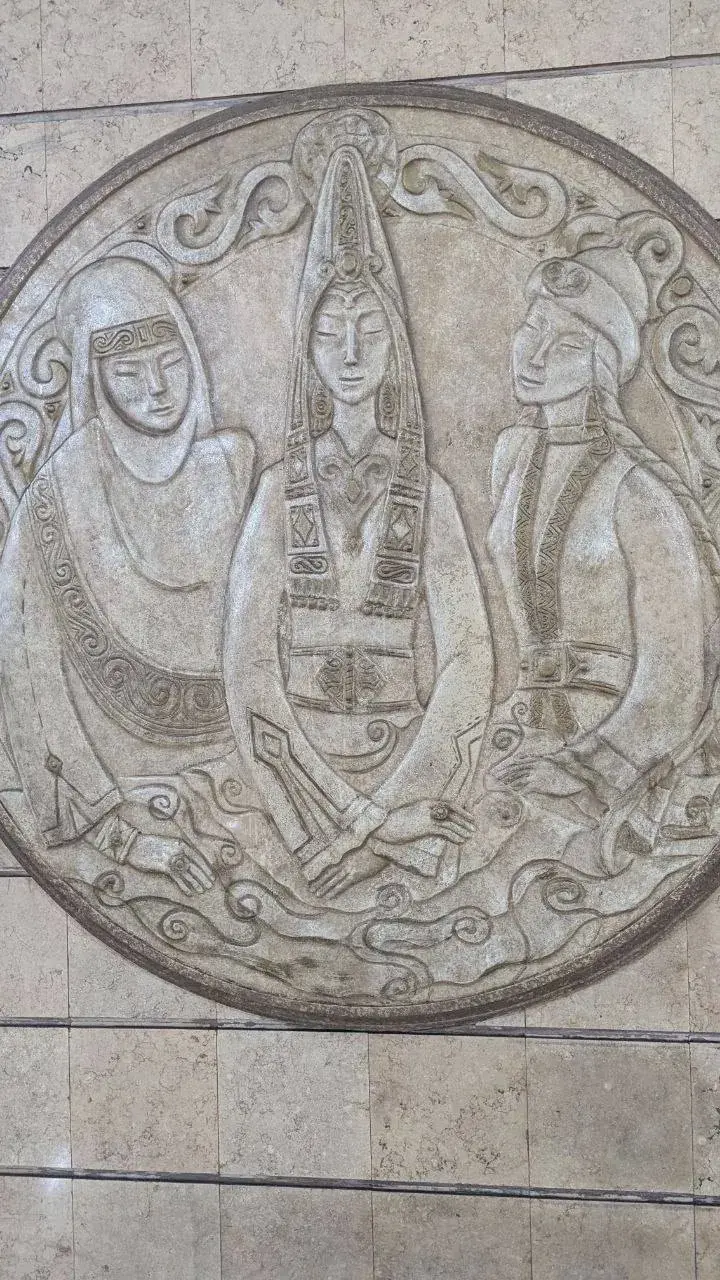 Almaty Metro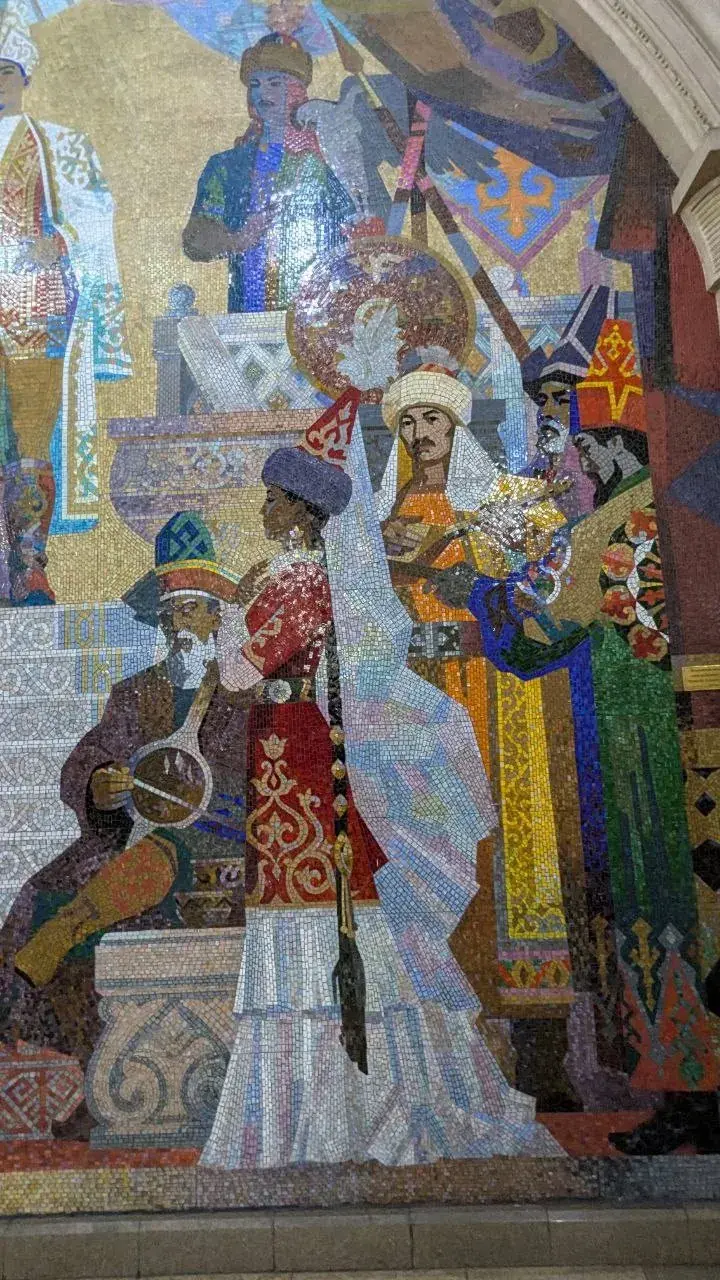
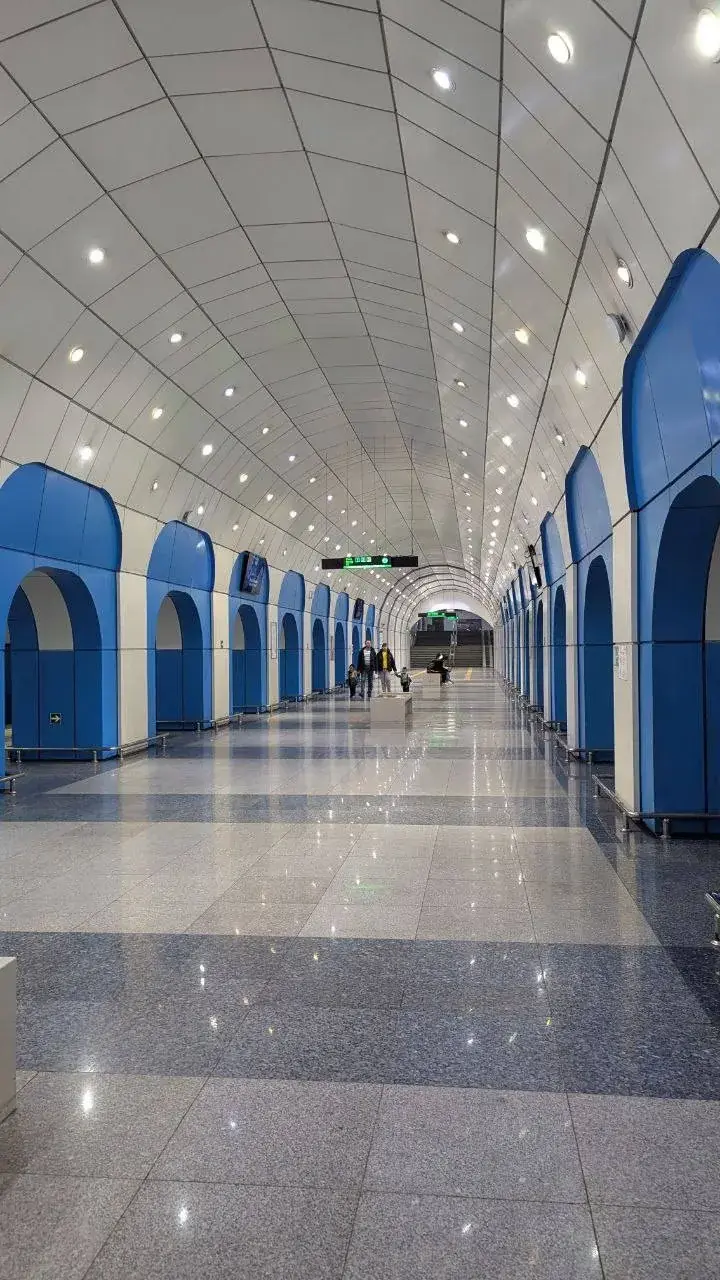
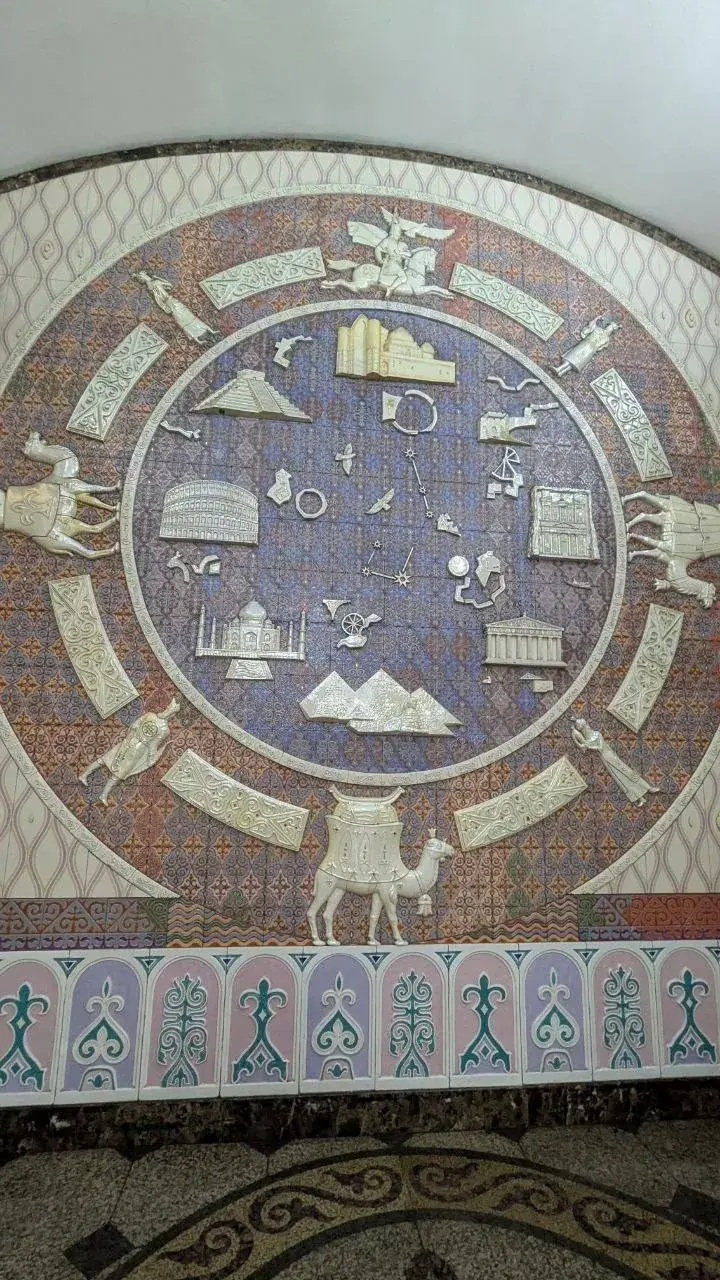
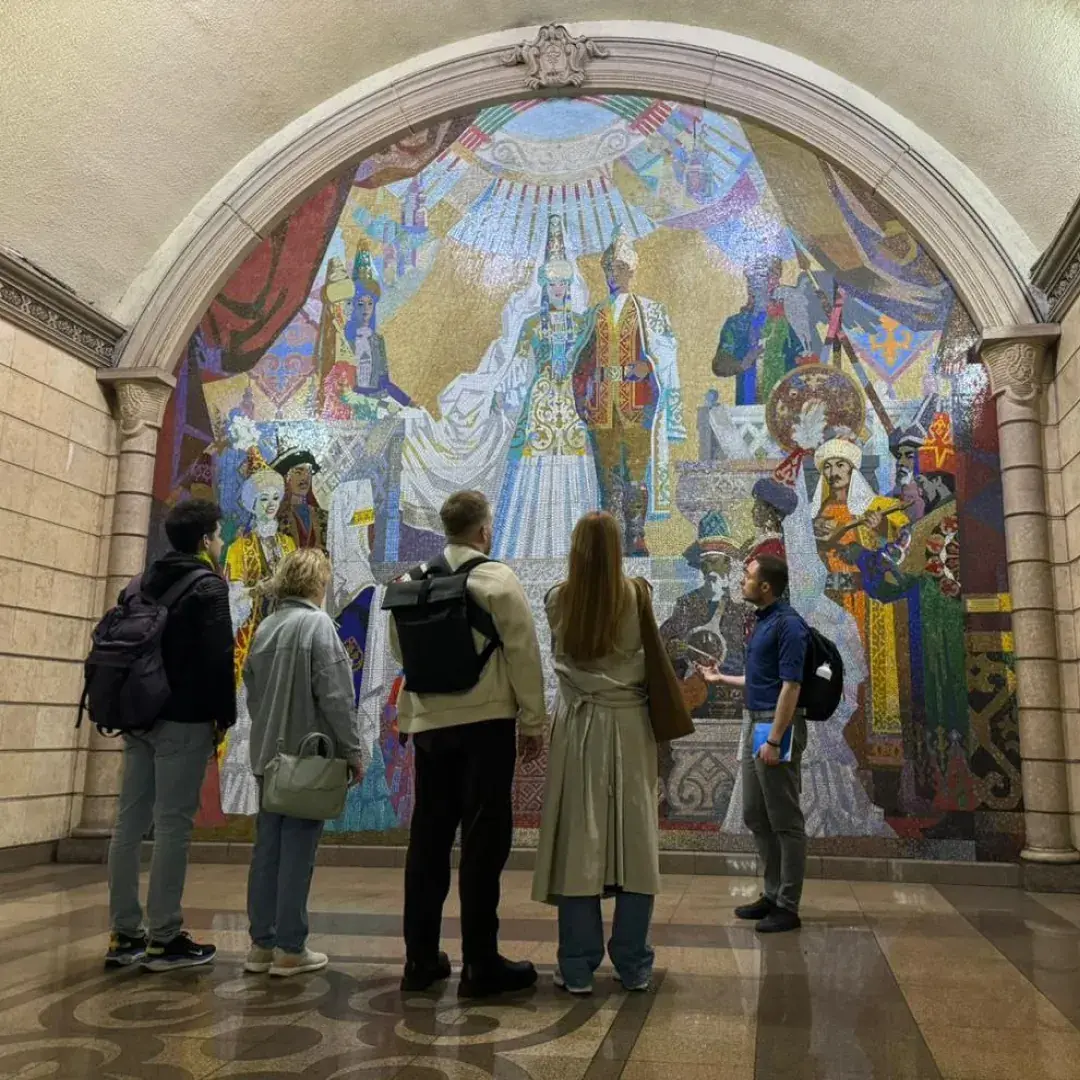
Fare: 120 ₸ (~$0.25) — one of the cheapest ways to get around
In 20–25 minutes you can ride the whole line and check out every station.
Stations worth noting:
- "Almaly" — the central station, with Kazakh ornaments and national motifs
- "Zhibek Zholy" — a nod to the Silk Road, which once passed through this area
- "Baikonur" — space-themed, honoring Kazakhstan's famous cosmodrome
In winter, the metro is especially handy: warm, fast, no traffic jams, no smog.
Discover the architecture and history of every station on our metro tour — find out more on our website.
Museums
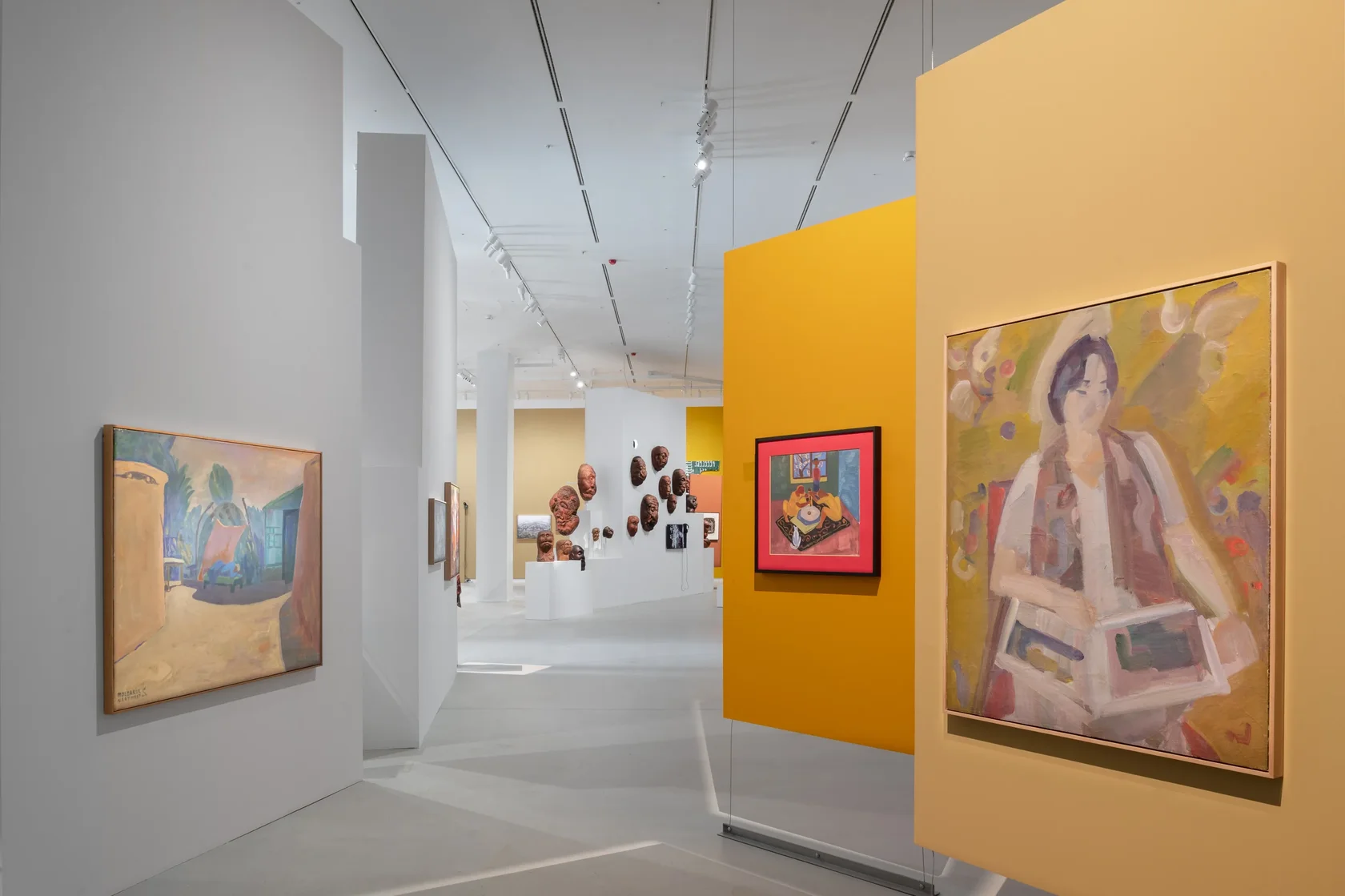
Almaty Museum of Arts
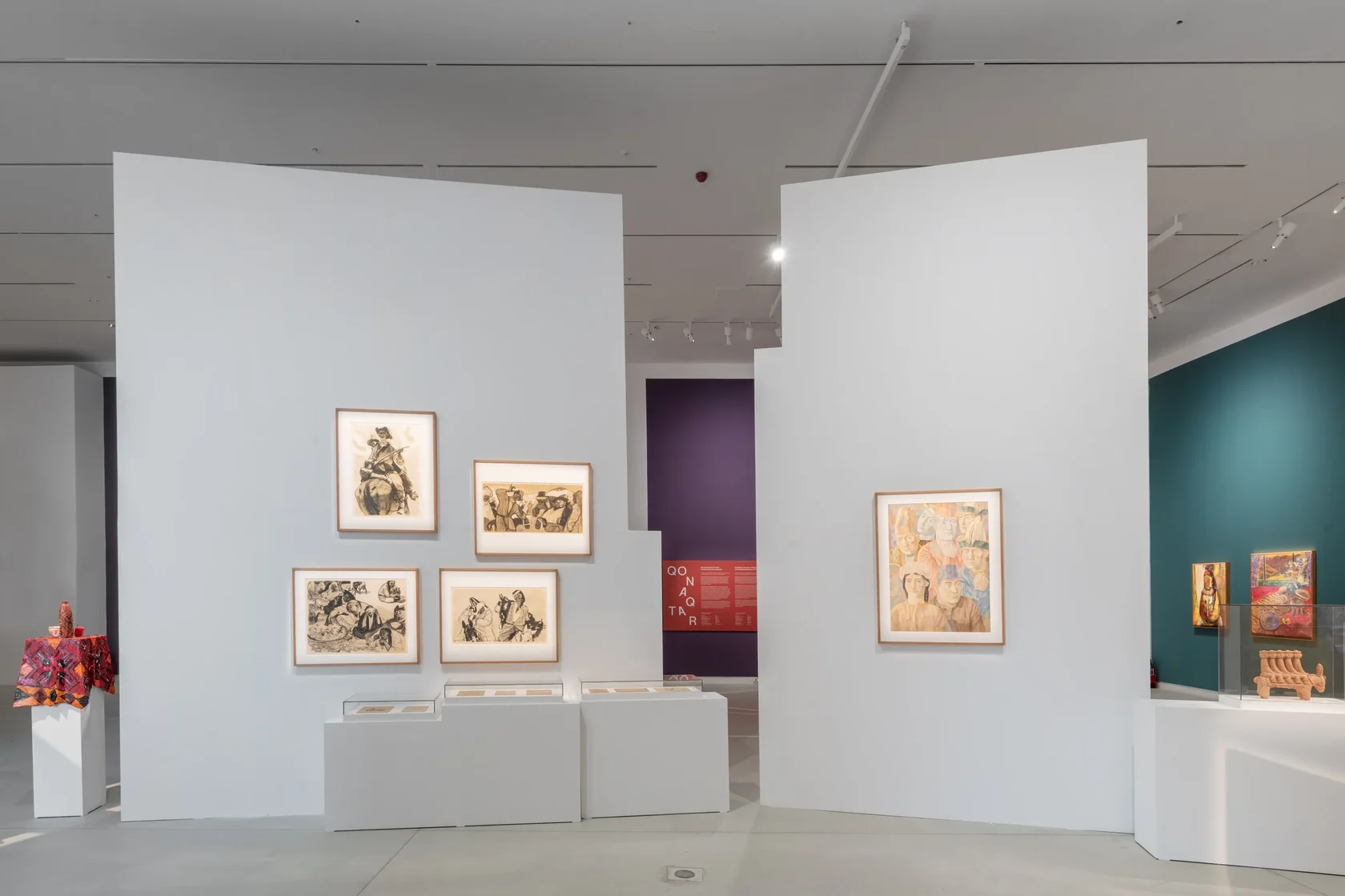
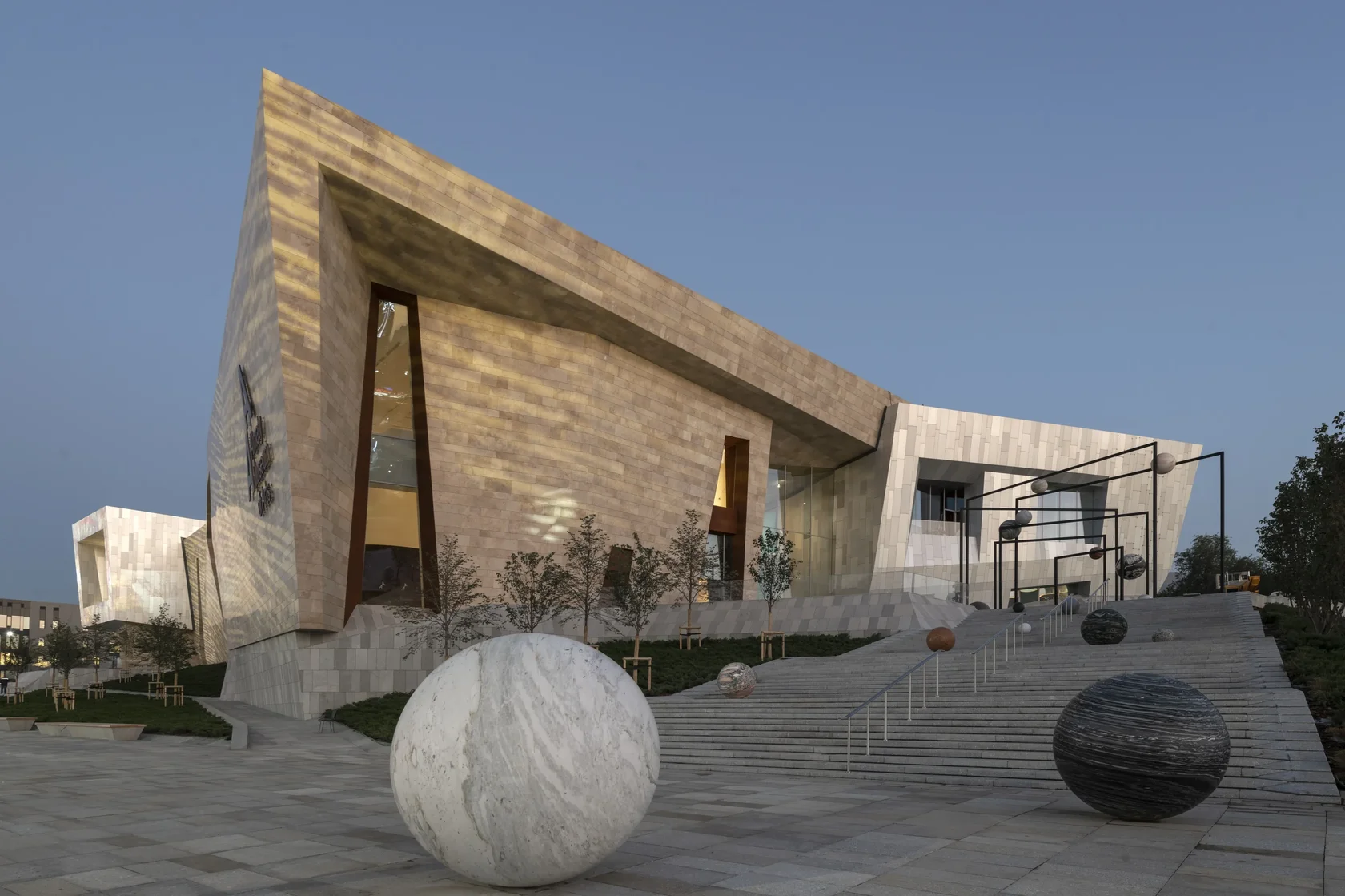
This is the city's biggest cultural newcomer. The first private museum of this caliber in Central Asia, it opened in fall 2025 (the building was created by the Nurlan Smagulov Foundation).
Why go: World-class architecture (by Chapman Taylor) and contemporary art never before exhibited in Kazakhstan. You'll find works by international stars (Richard Serra, Yayoi Kusama, Alicja Kwade) in dialogue with Central Asian artists. This place is on par with European galleries.
What's interesting: Beyond the exhibitions, the building itself is an art object, at the intersection of Al-Farabi and Nazarbayev avenues. Inside, there's a great bookshop and cafe.
Price: ~2,000 ₸ (~$4) adult, 500 ₸ (~$1) discounted
Hours: 11:00–20:00 (closed Mondays)
Website: almaty.art
On the map: Google Maps | 2GIS | Yandex
 Almaty Museum of Arts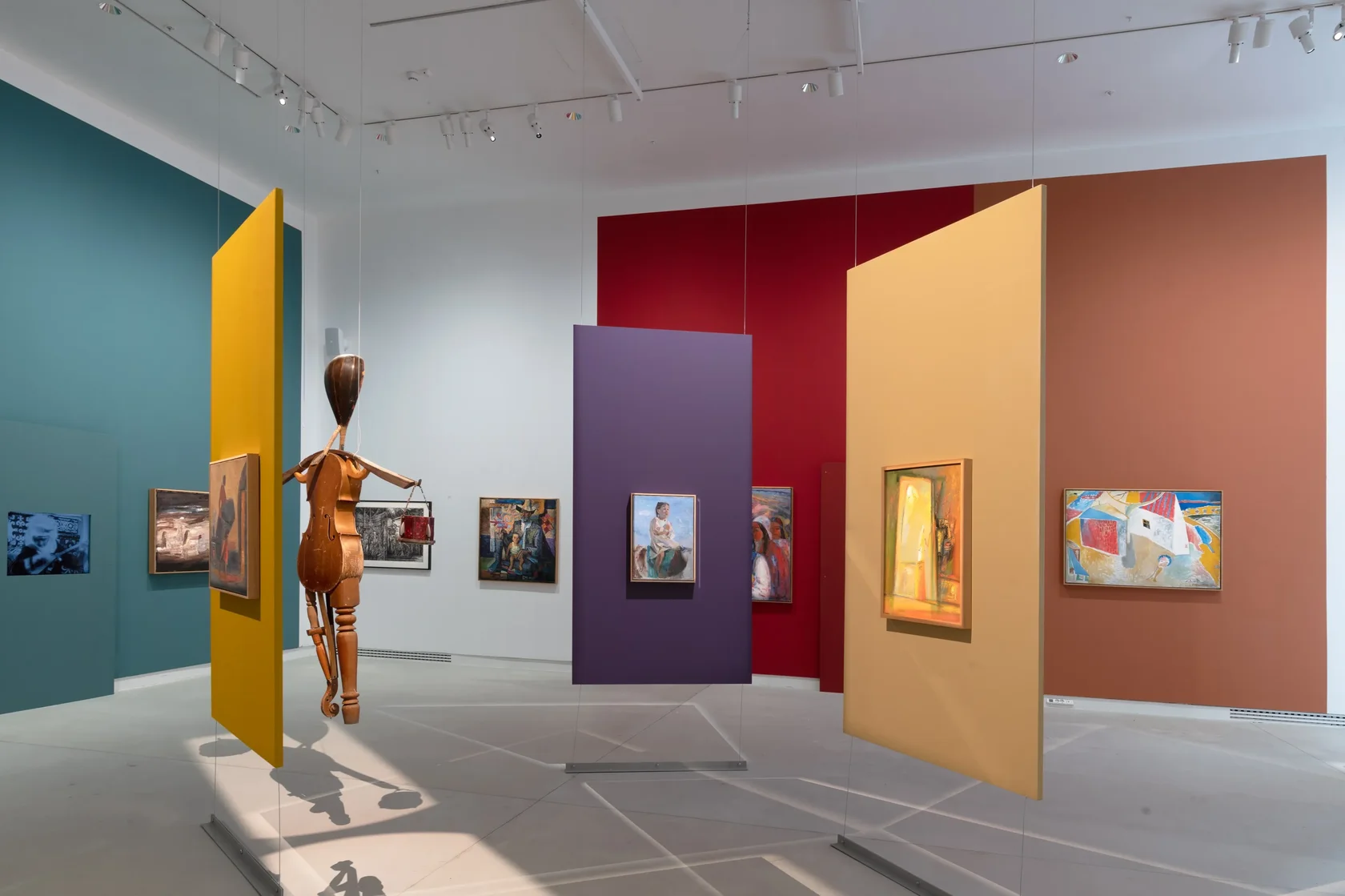
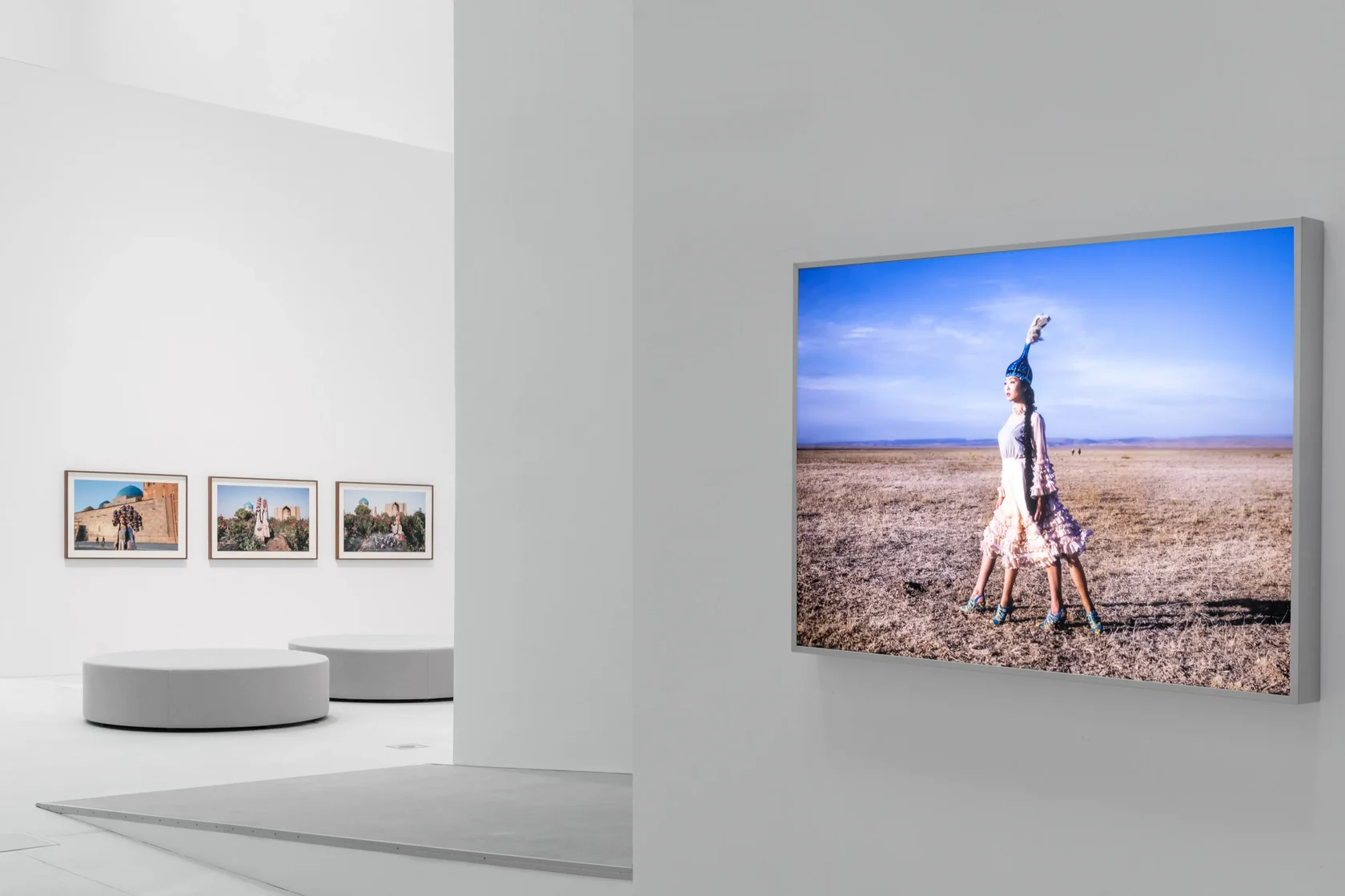
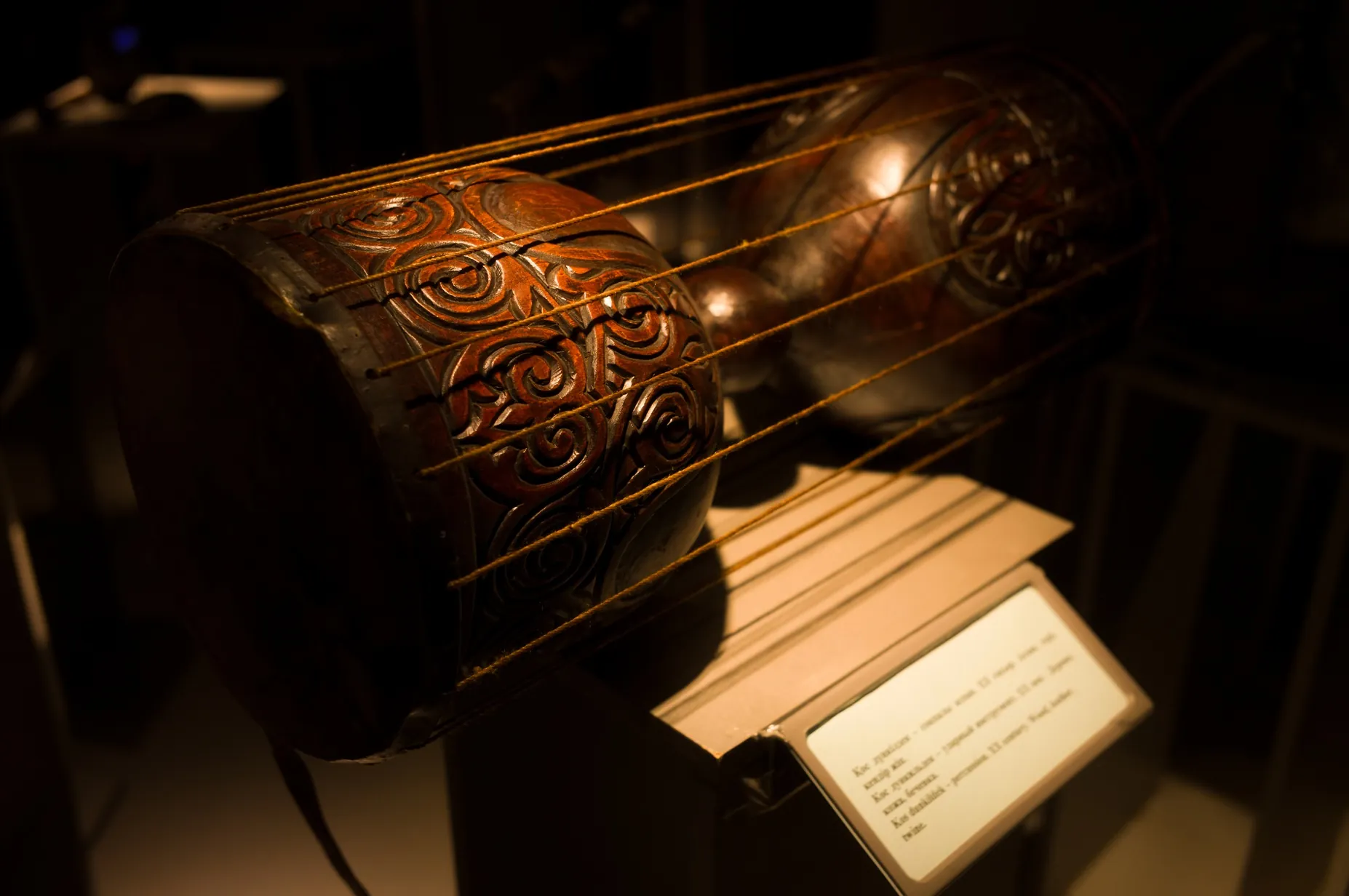
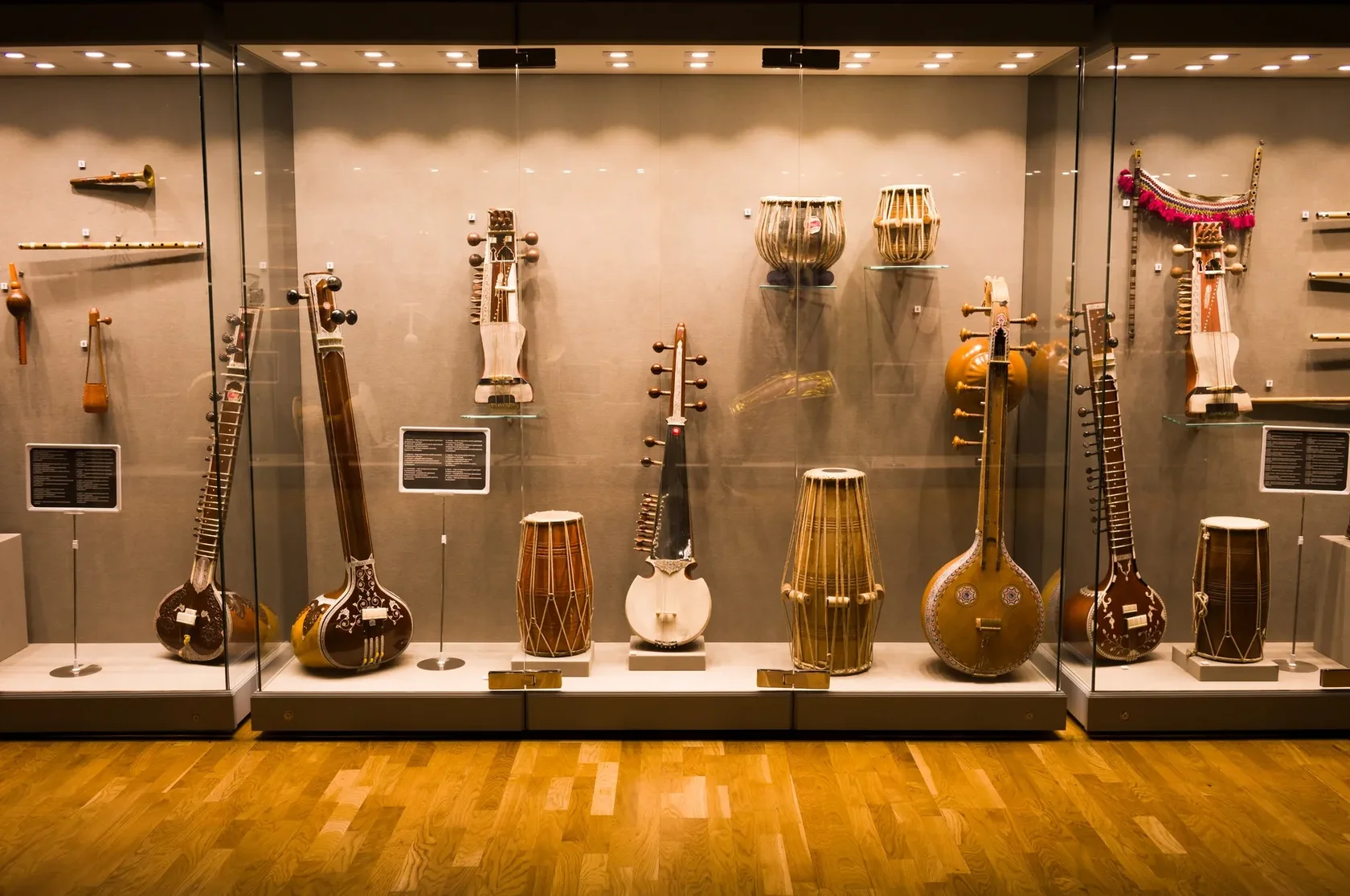
Ykhlas Museum of Folk Instruments
The most atmospheric museum for tourists, located in the Park of 28 Panfilov Guardsmen.
Why go: For the building and an immersive taste of national culture without boring lectures. The building is a wooden 1908 mansion (formerly the Officers' Assembly Hall) — one of the last surviving examples of old Verniy-era architecture that withstood the earthquakes. (Verniy was the city's name during the Russian Empire.)
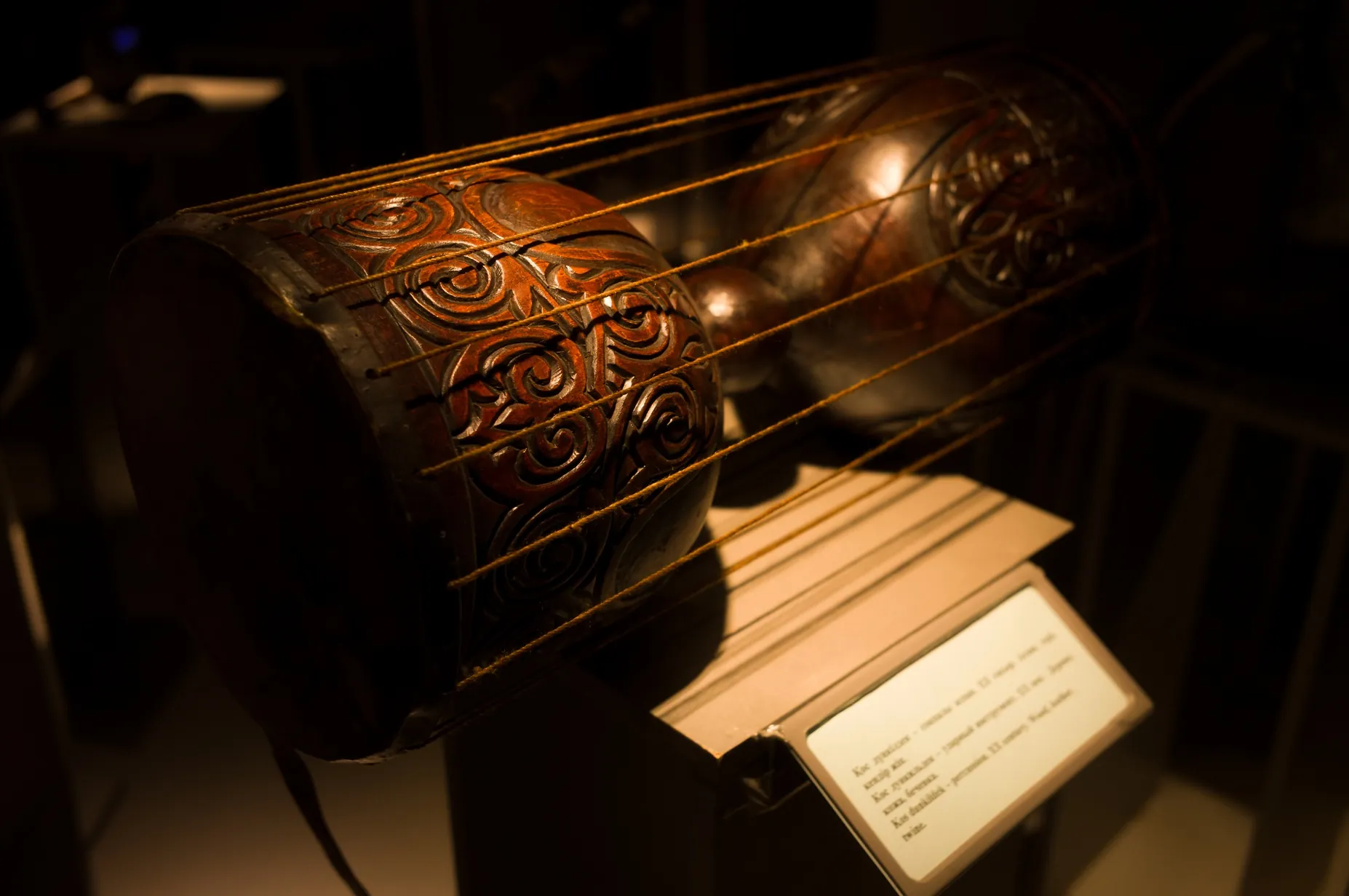
What's interesting: A collection of unique Kazakh instruments (narkobyz, zhetygen, adyrna). Many displays are multimedia-equipped: press a button and hear what each instrument sounds like.
Price: ~500–1,000 ₸ (~$1–2)
Tip: Goes perfectly with a walk in the park and a visit to the Ascension Cathedral.
On the map: Google Maps | 2GIS | Yandex
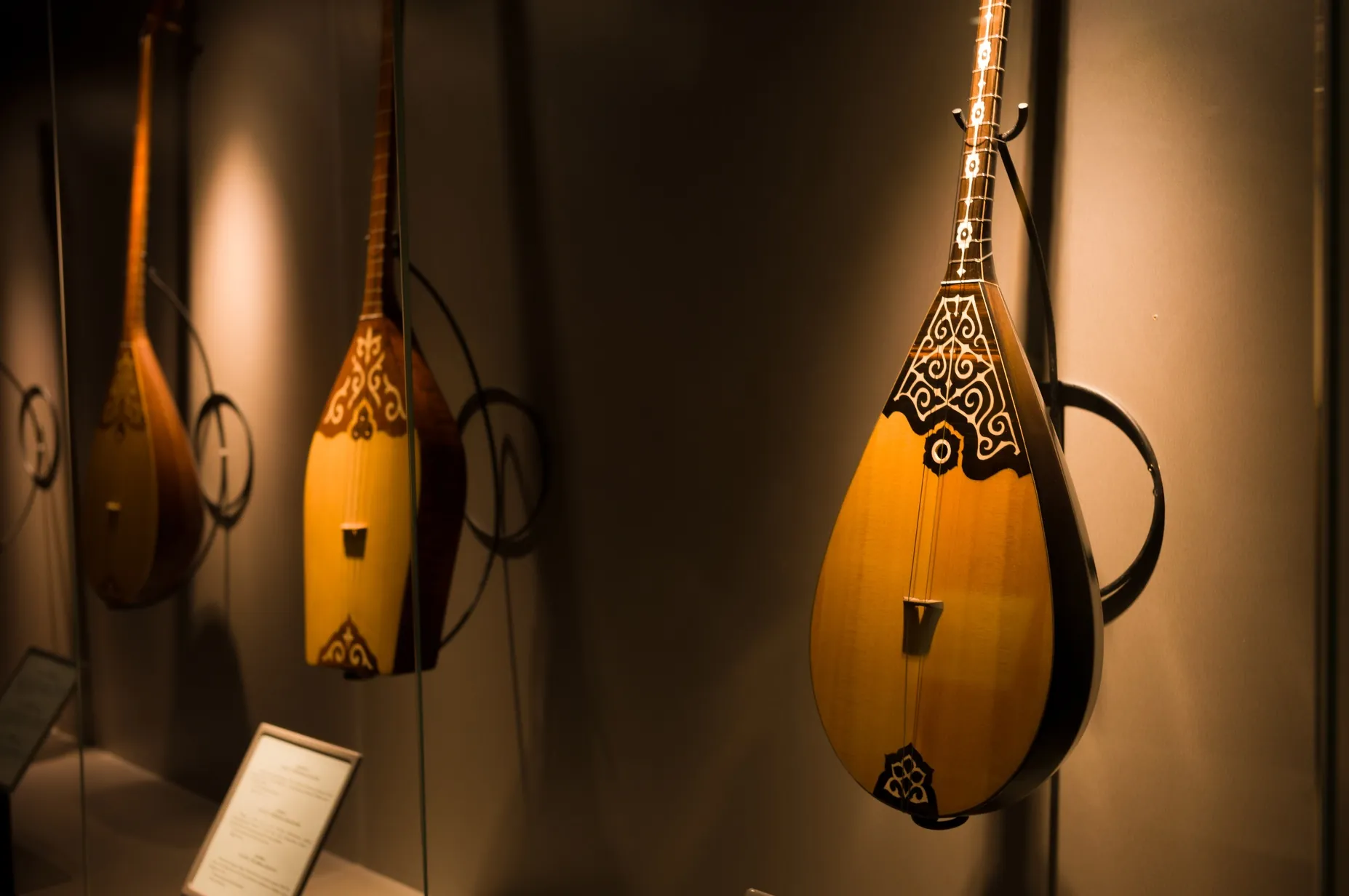
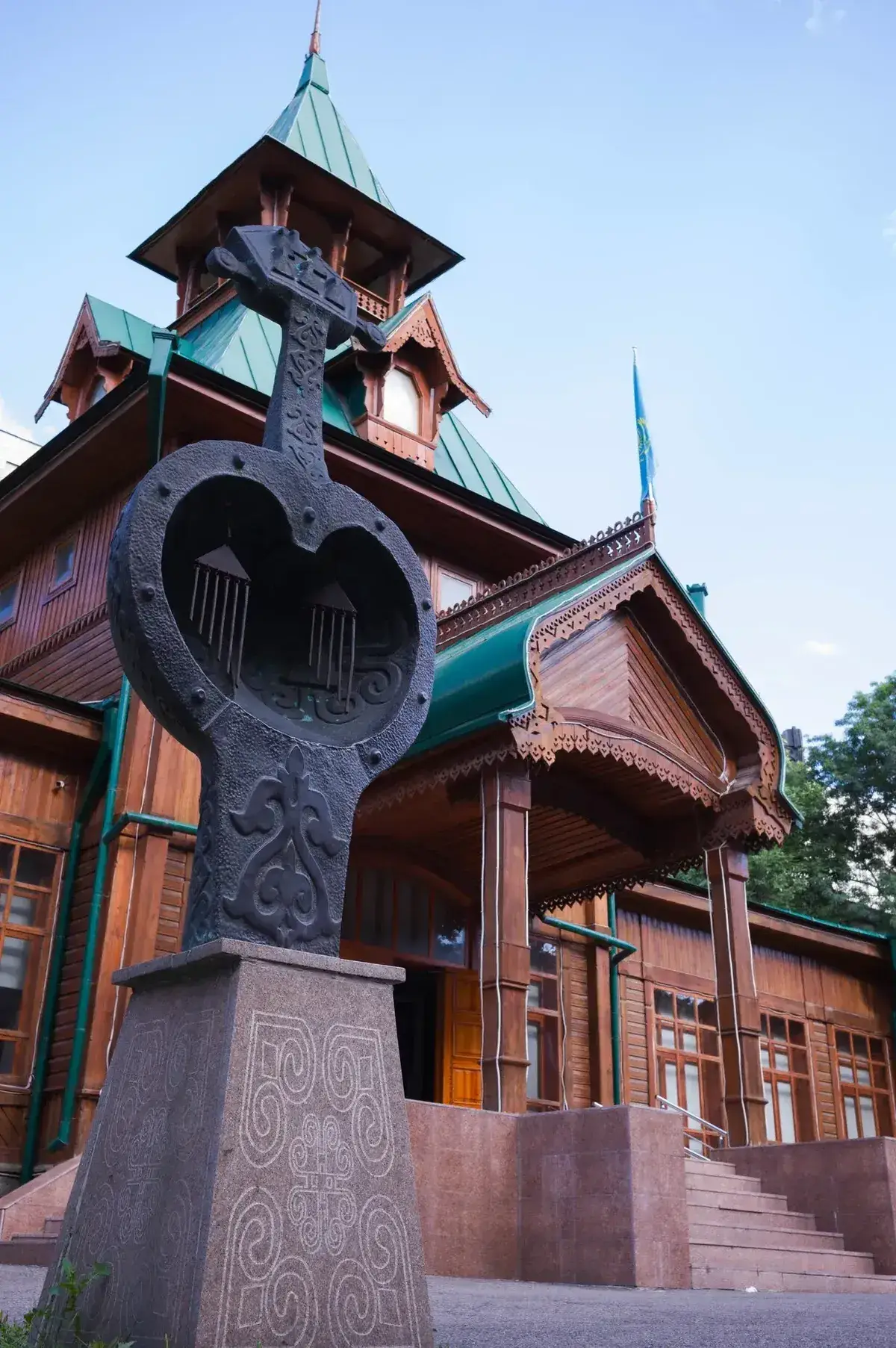 Ykhlas Museum of Folk Instruments, photo from the museum's website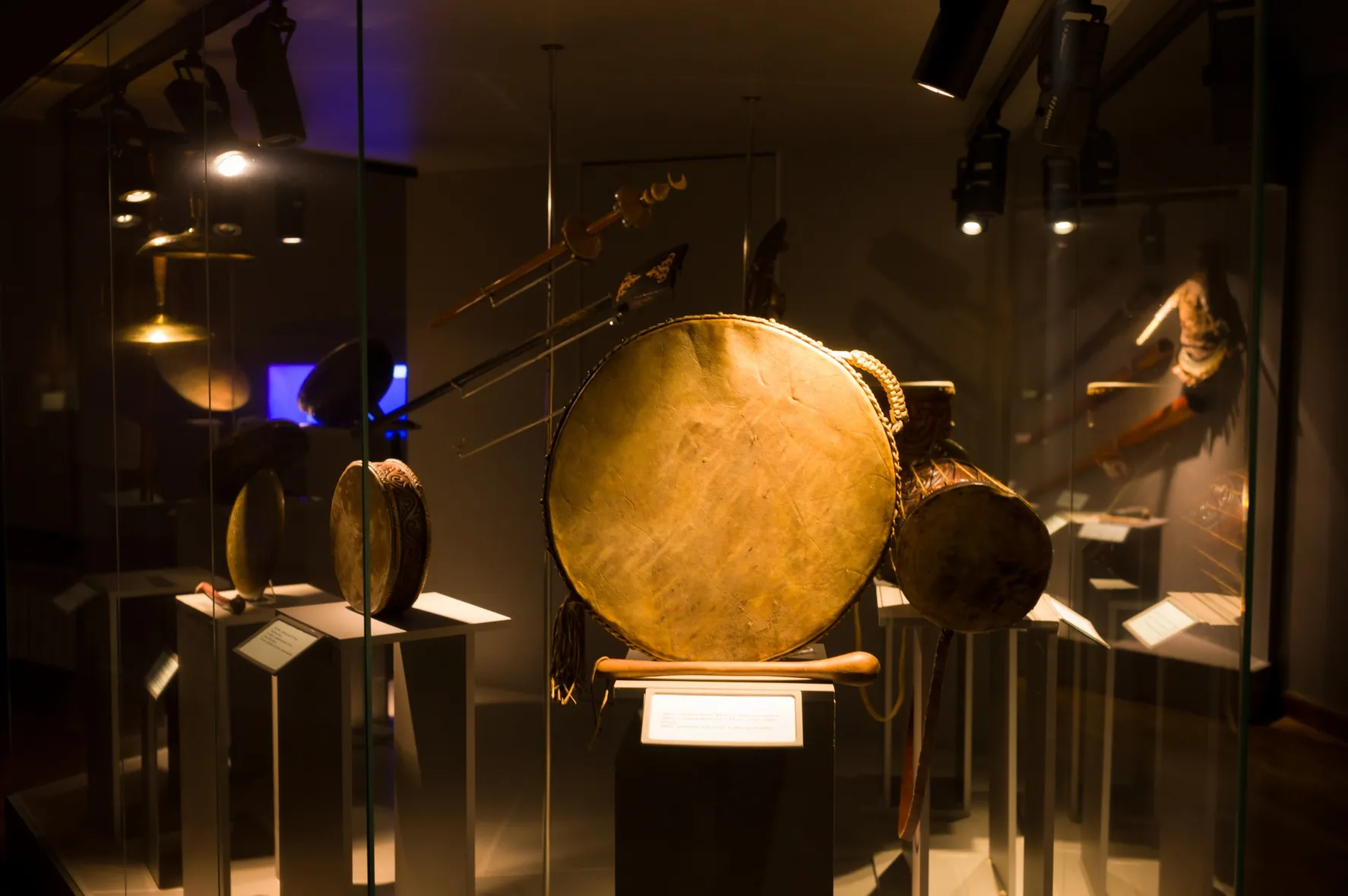
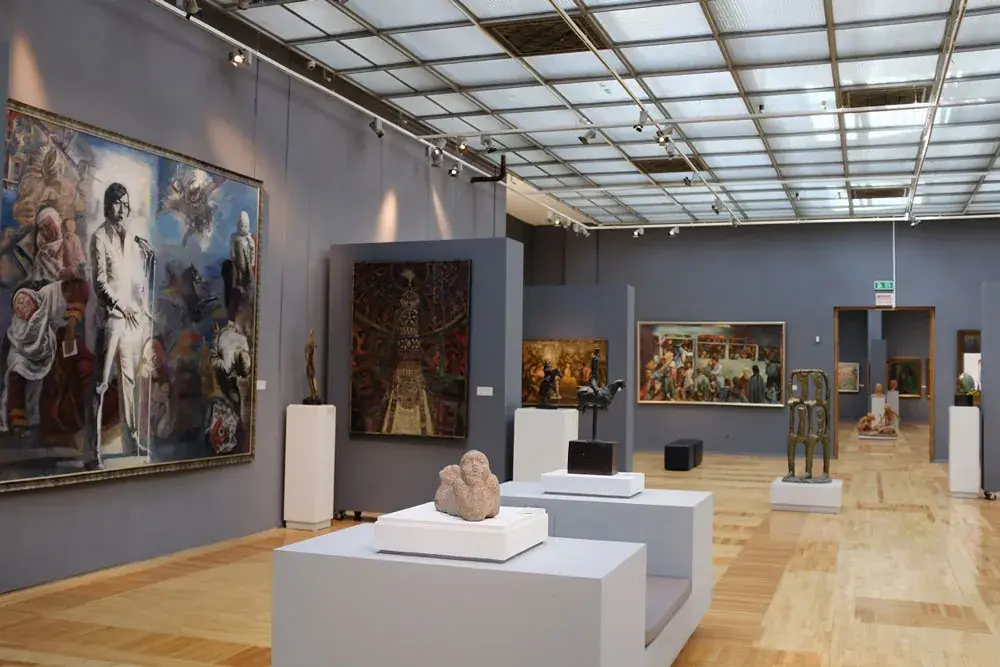
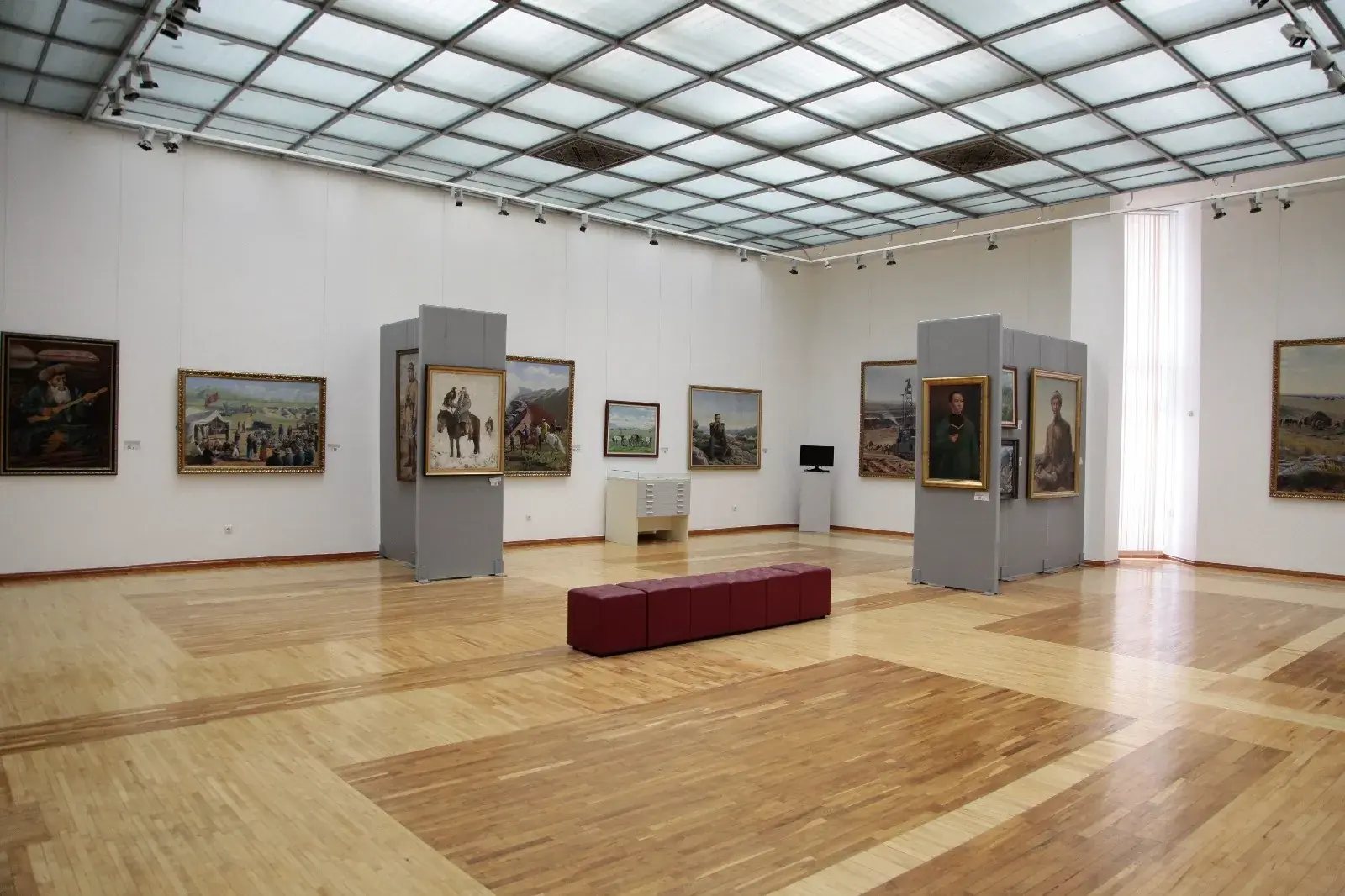
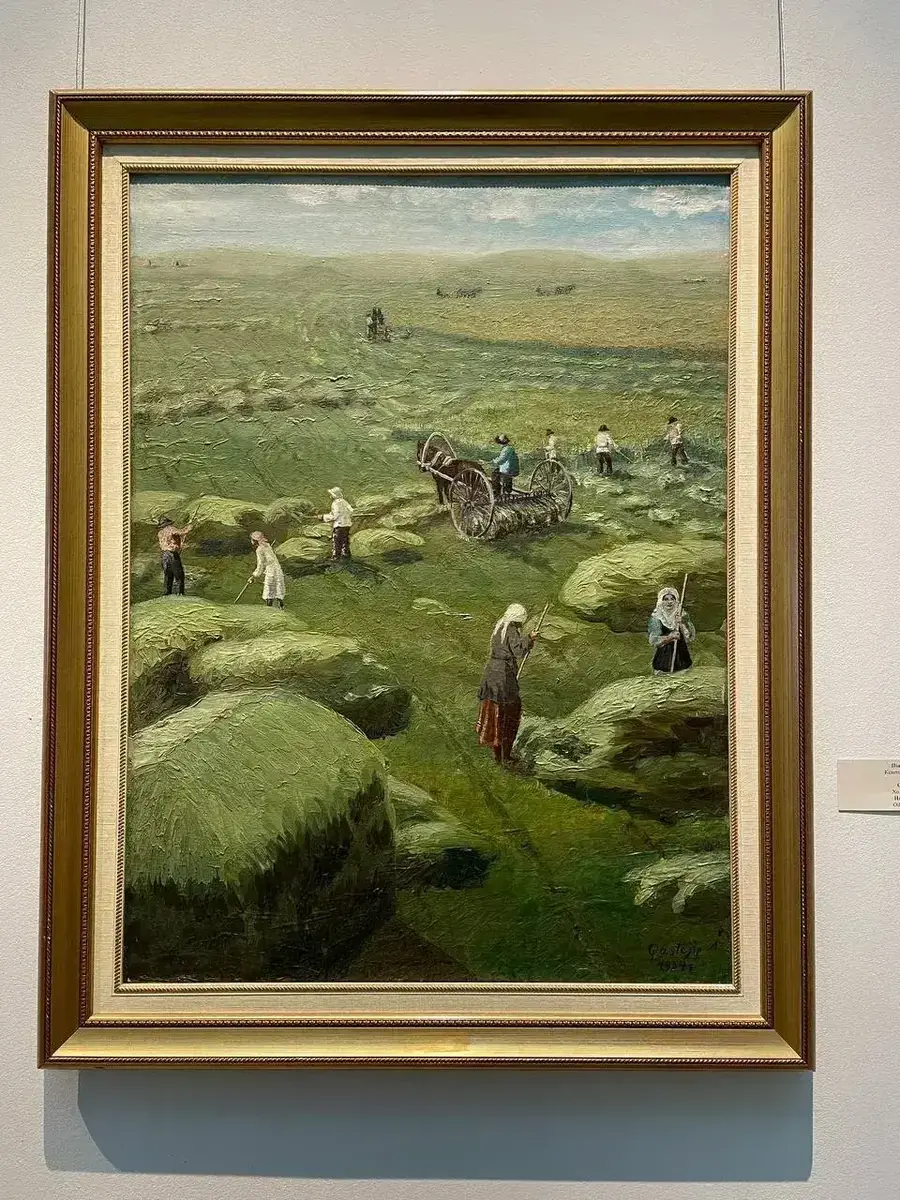
A. Kasteev State Museum of Arts
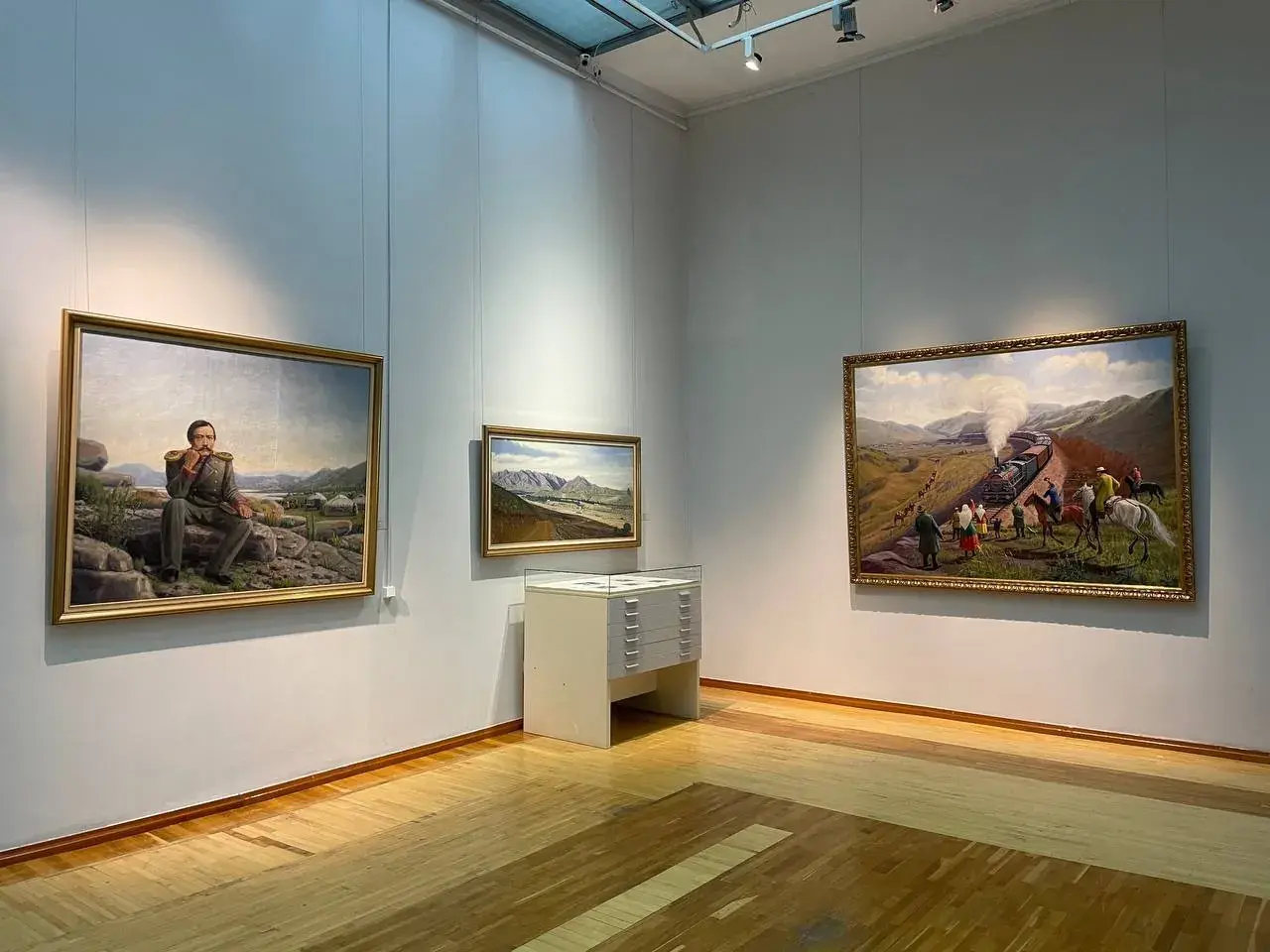
The country's main art museum — think of it as a compact "Kazakh Hermitage."
Why go: If you want to explore Kazakh culture through visual art. This is where the best collection of Kazakhstan's painting lives.
What's interesting:
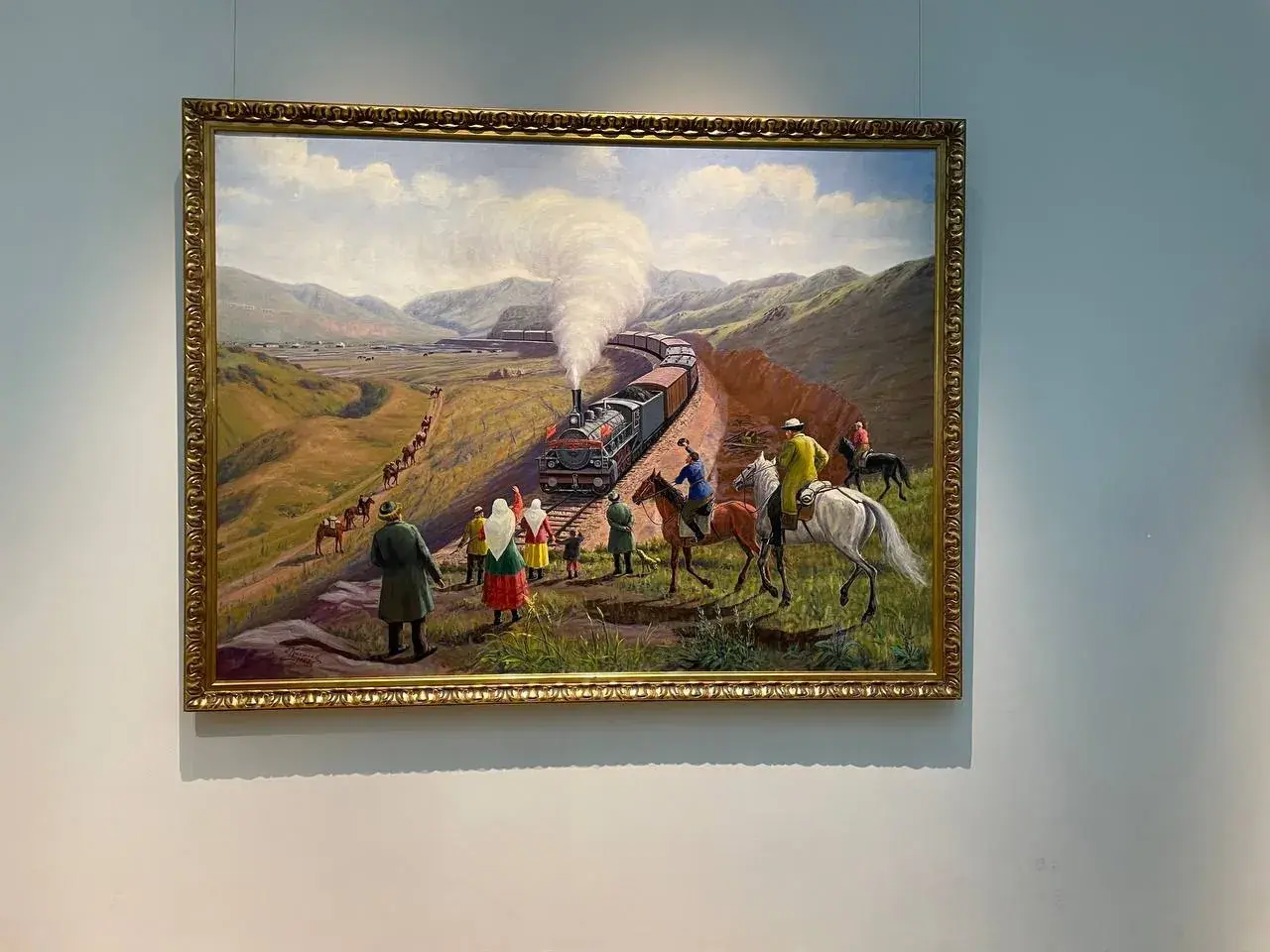
- The Abylkhan Kasteev hall — his paintings are a window into nomadic life and Soviet-era history (including the famous "Turksib," depicting the construction of the Turkestan-Siberia Railway)
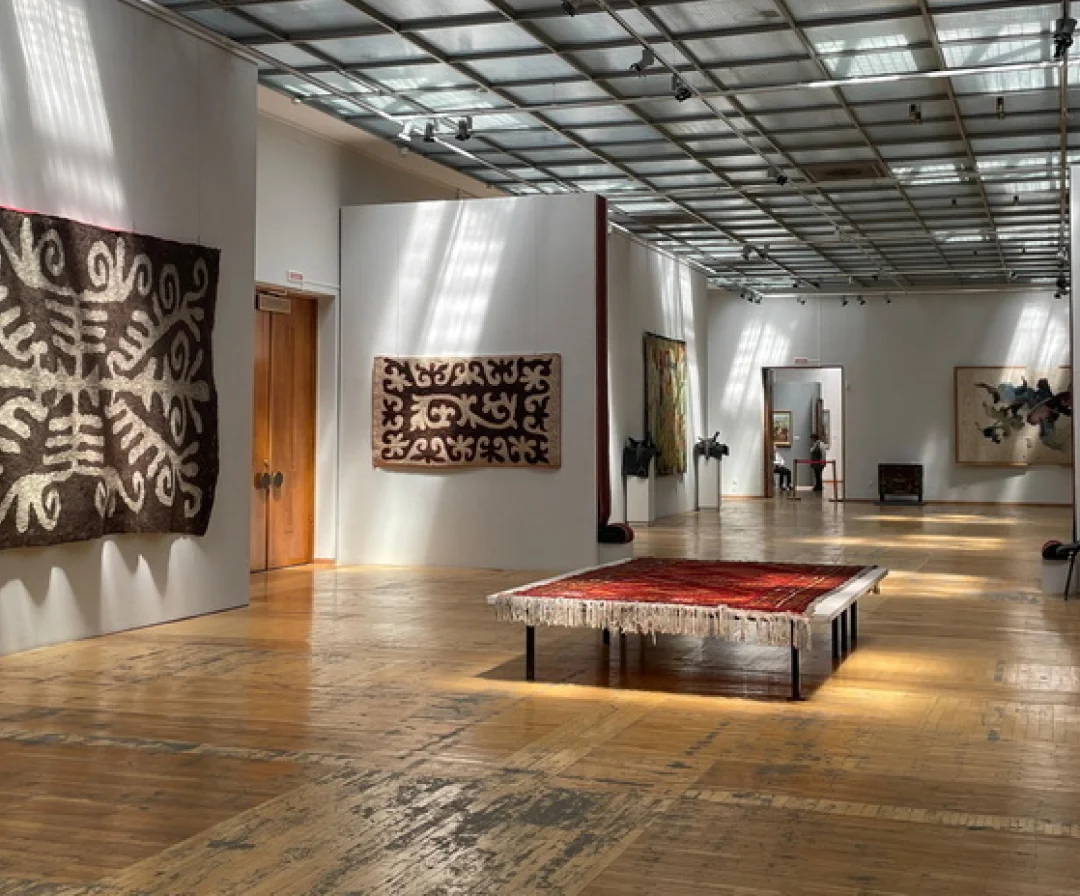
- The applied arts hall — felt crafts, jewelry, carpets (tuskiiz wall hangings)
- There are halls of Russian avant-garde and Western European art, but the real draw is the Kazakh collection
Price: ~500–1,000 ₸ (~$1–2)
Hours: 10:00–18:00 (closed Mondays). The museum is undergoing renovation but will reopen in January 2026.
Website: gmirk.kz
On the map: Google Maps | 2GIS | Yandex
 A. Kasteev State Museum of Arts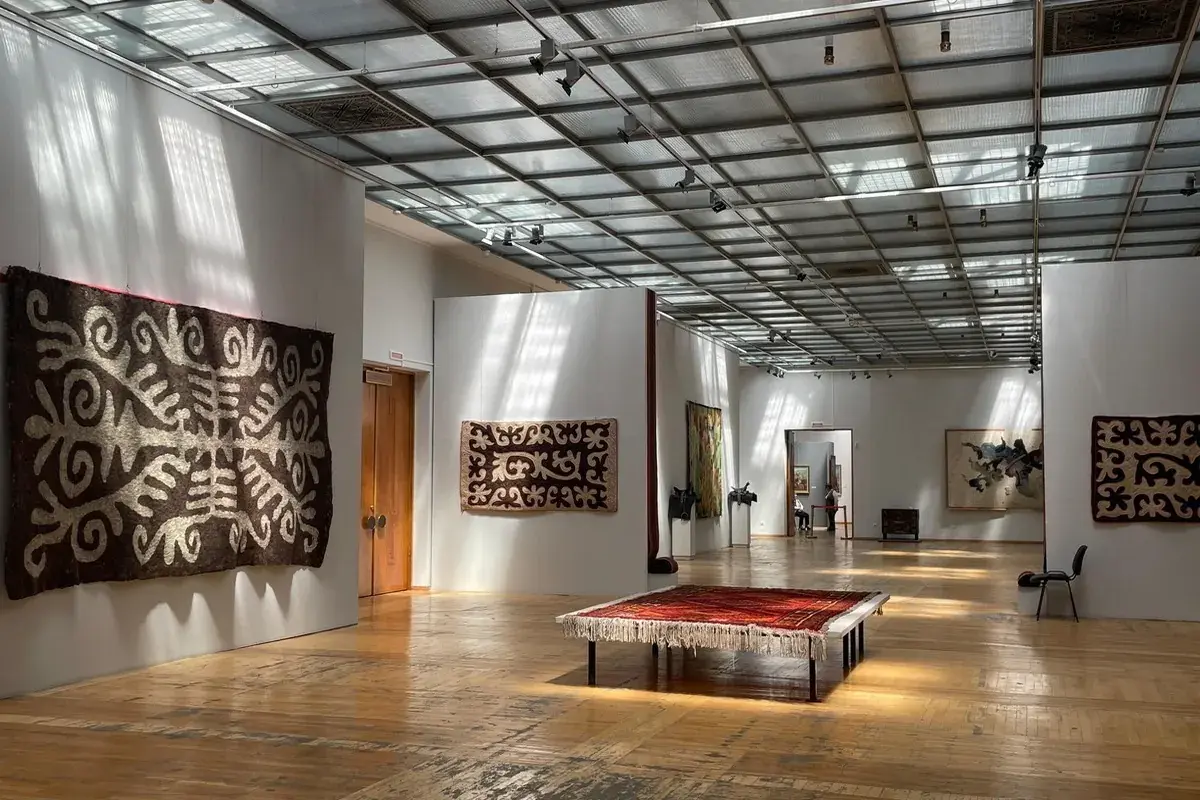
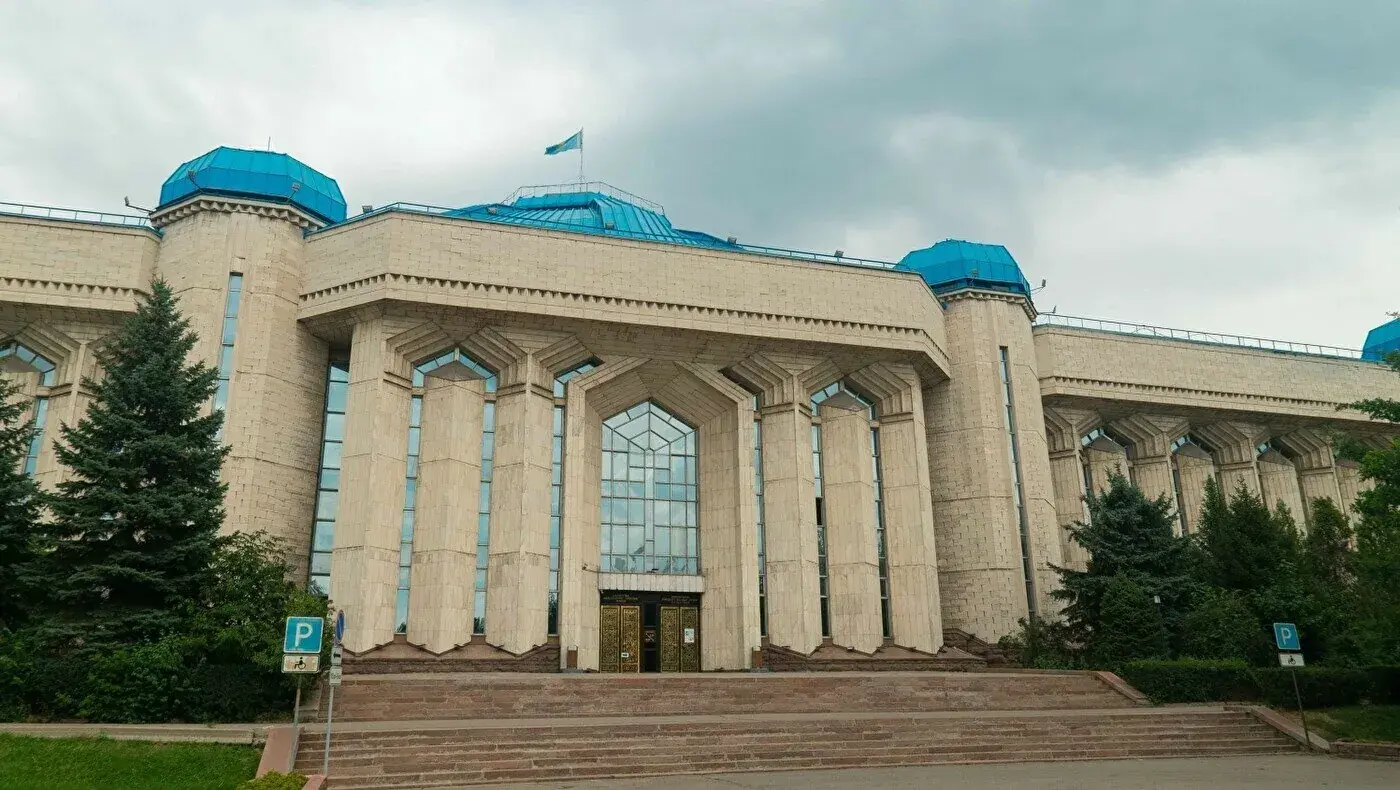
Central State Museum of Kazakhstan
A huge blue building opposite the Akimat (the former presidential residence). The largest museum in the region.
Why go: For a deep dive into history — from the Bronze Age to independence.
What's interesting:
- "Golden Man" (replica) — the most iconic symbol of Kazakhstan, a warrior in gold armor dating to the 3rd–4th century BC, found in a Saka burial mound near Almaty
- Paleontology and archaeology — dinosaur skeletons and ancient ceramics
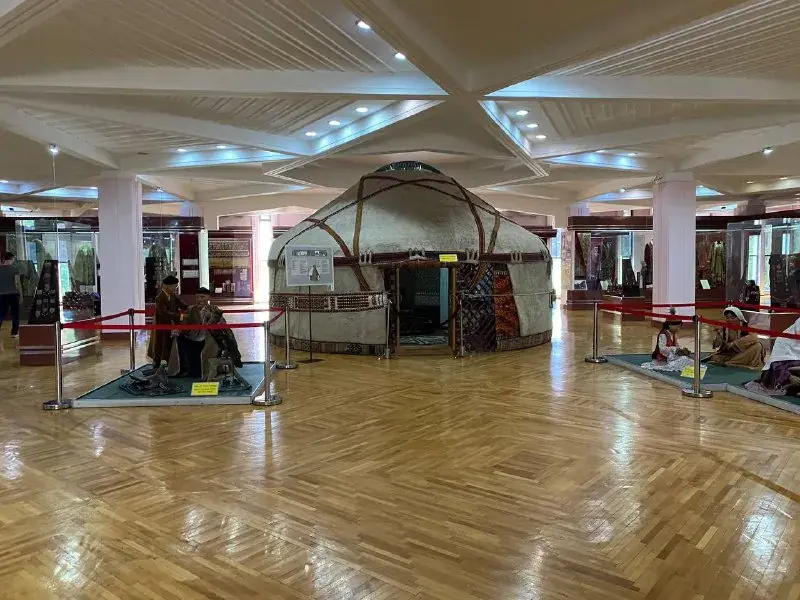
- Ethnography — a full-size real yurt and ornate khan costumes
Pricing note: the ticket is cheap (~1,000 ₸ / ~$2), but foreigners may be charged more (up to 5,000 ₸ / ~$10 — this is official policy). The "Gold" and "Anthropology" halls cost extra (~1,300 ₸ / ~$3 each).
Hours: 9:00–18:00 (closed Tuesdays)
Website: csmrk.kz
On the map: Google Maps | 2GIS | Yandex
 Central State Museum of Kazakhstan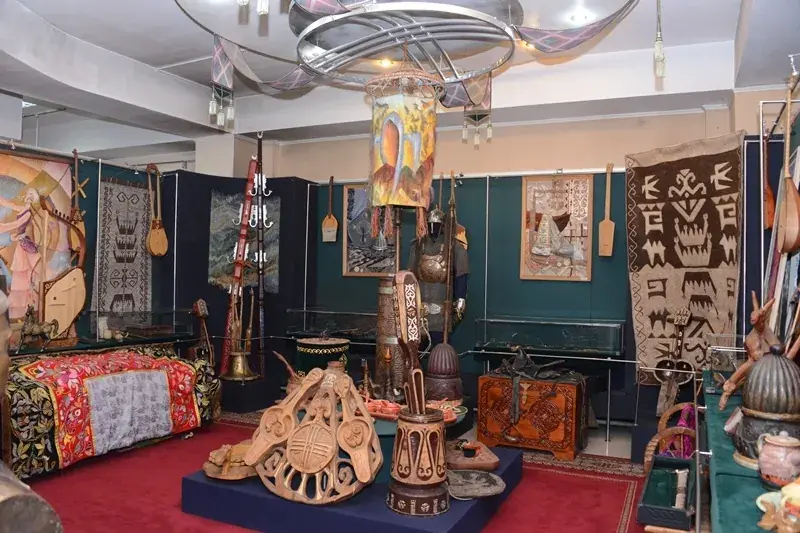
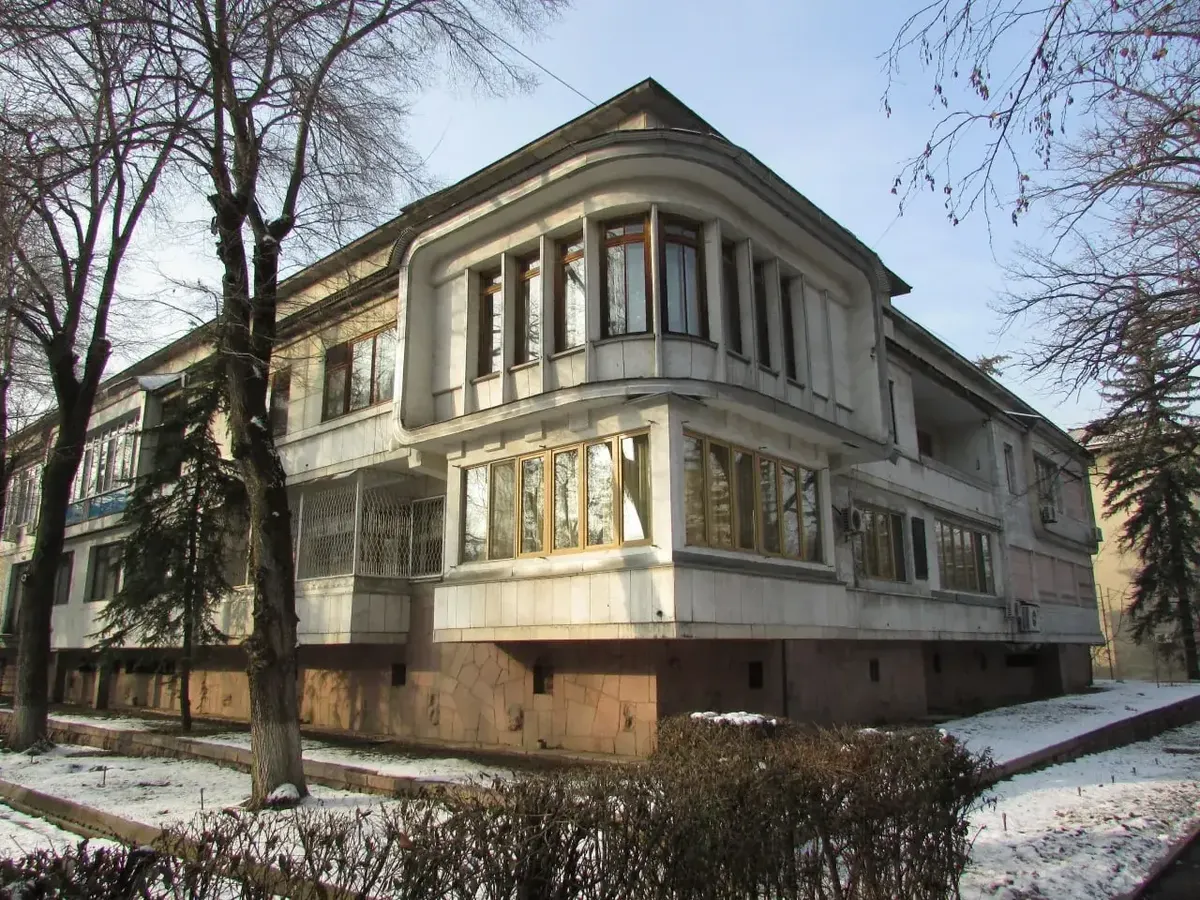
D.A. Kunayev House Museum
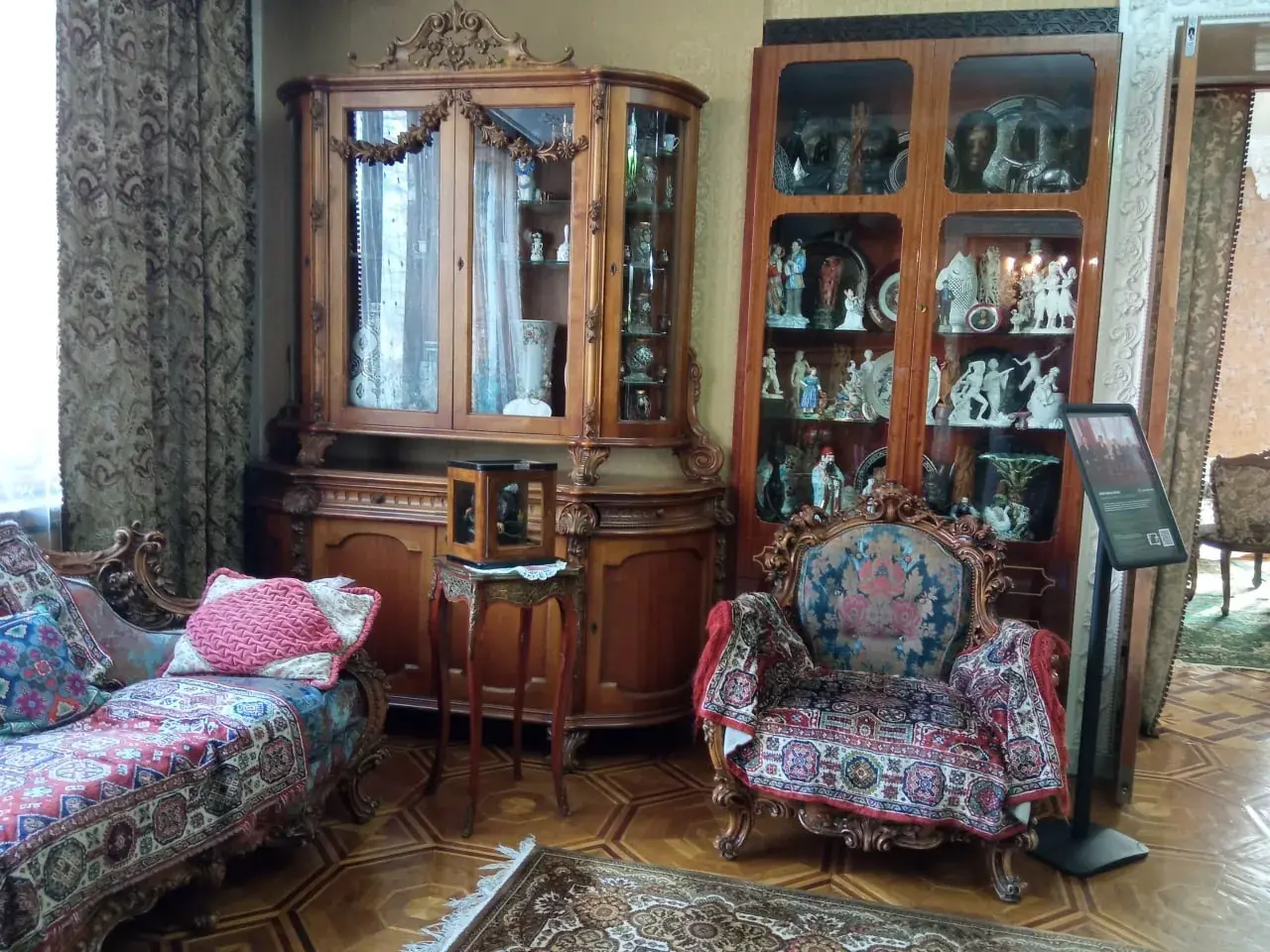
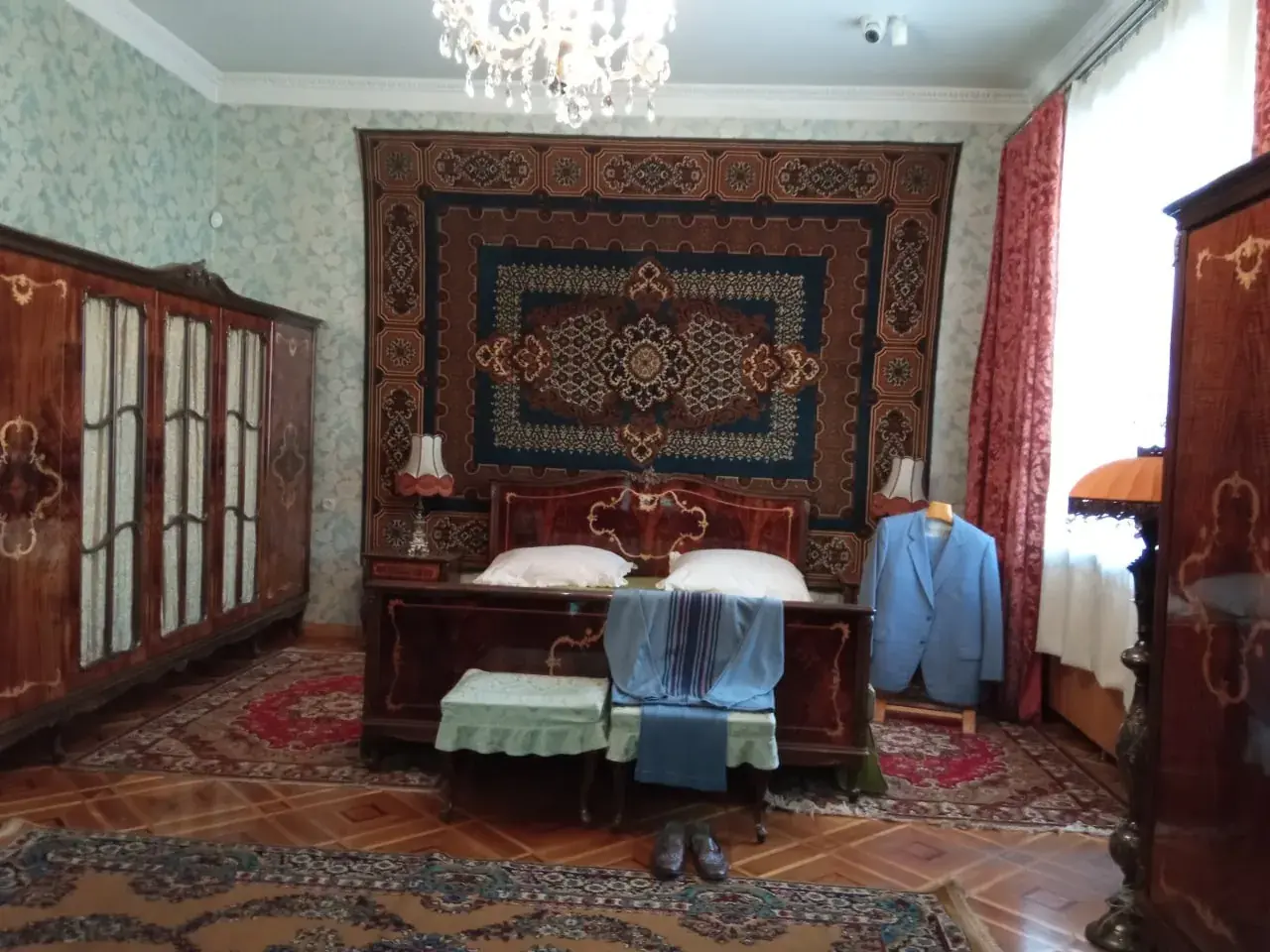
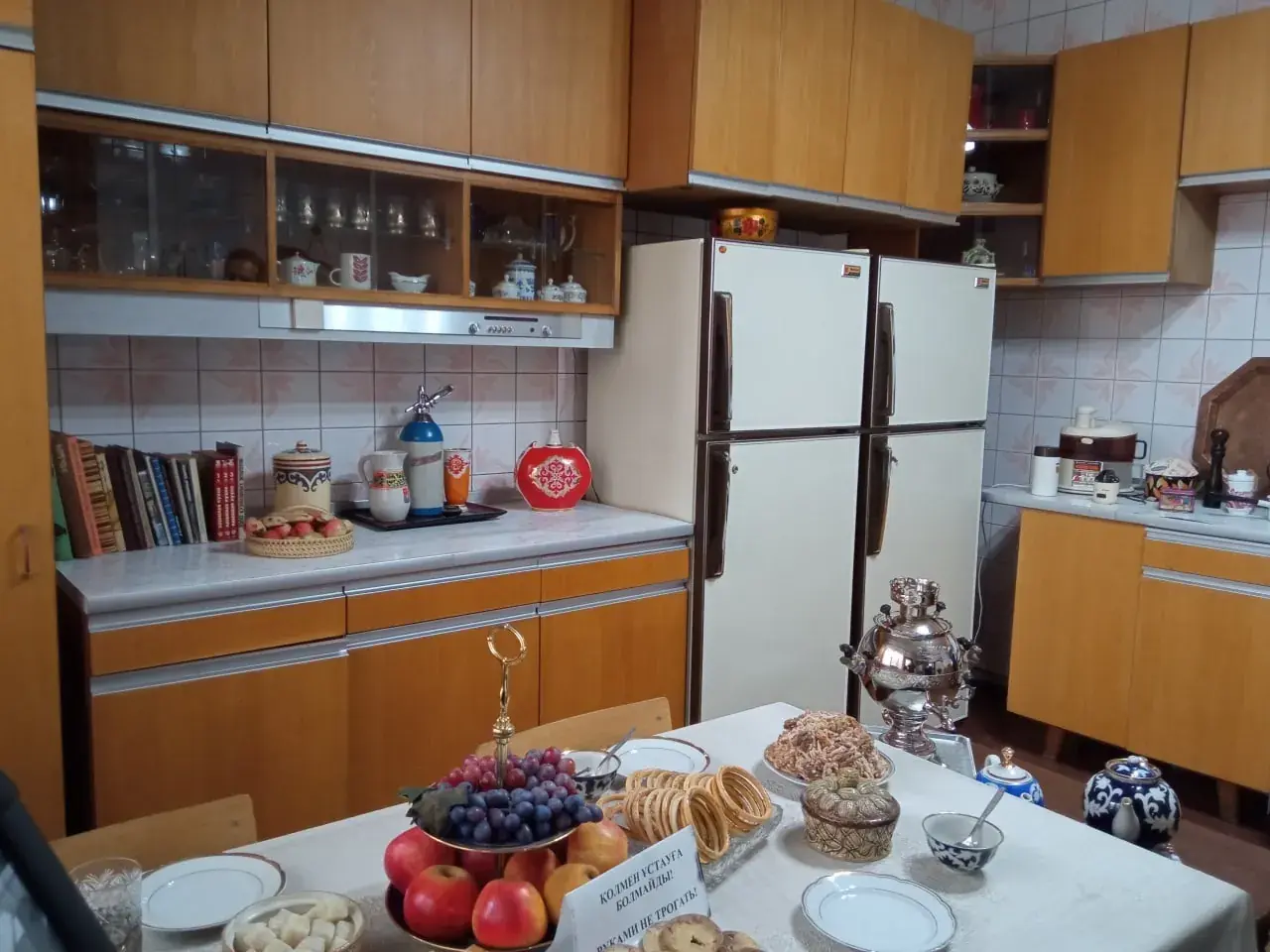
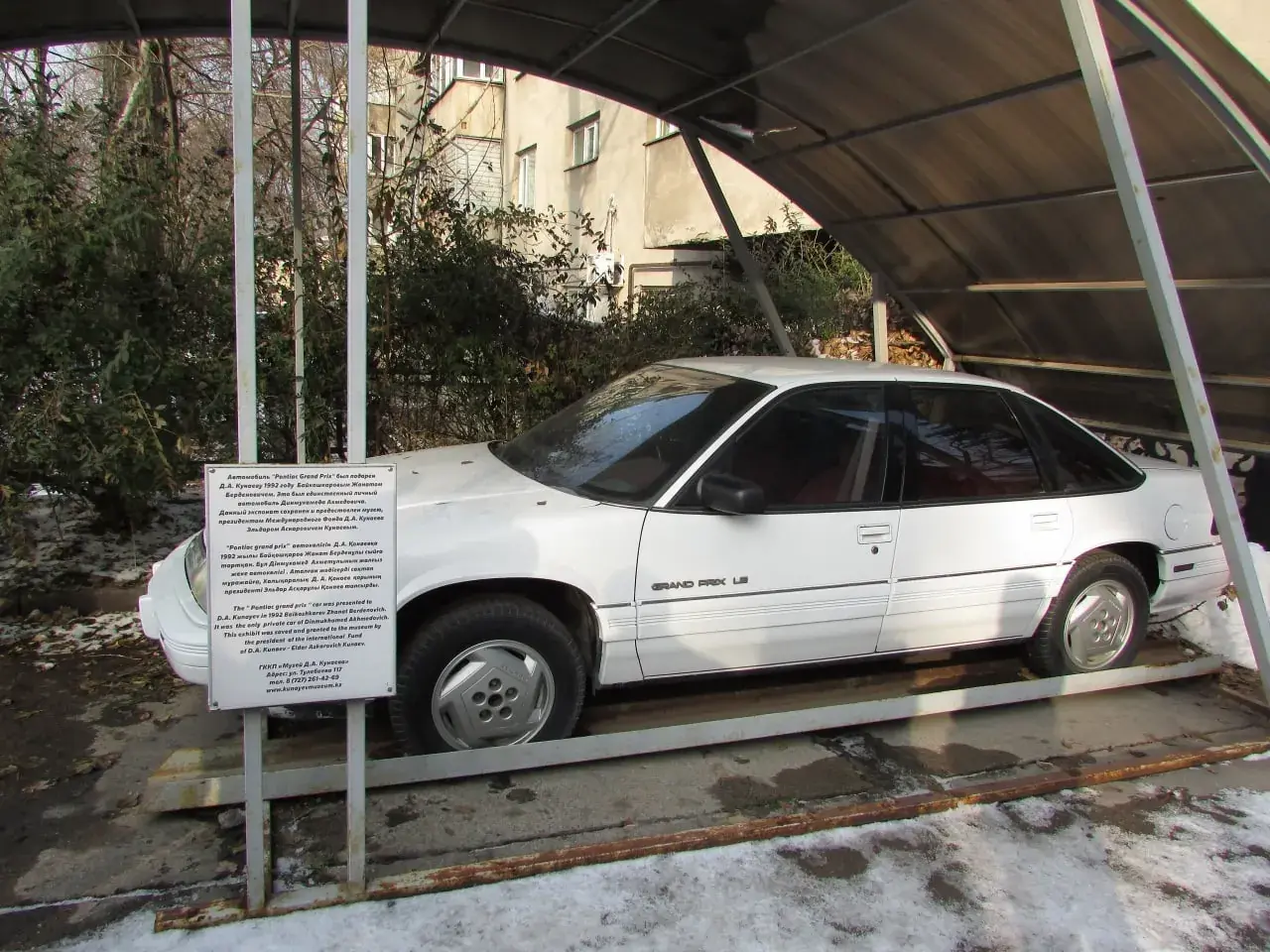
If you're interested in the Soviet era and the figure of Dinmukhamed Kunayev — the long-time leader of the Kazakh SSR who remains deeply respected by the people — stop by his memorial apartment.
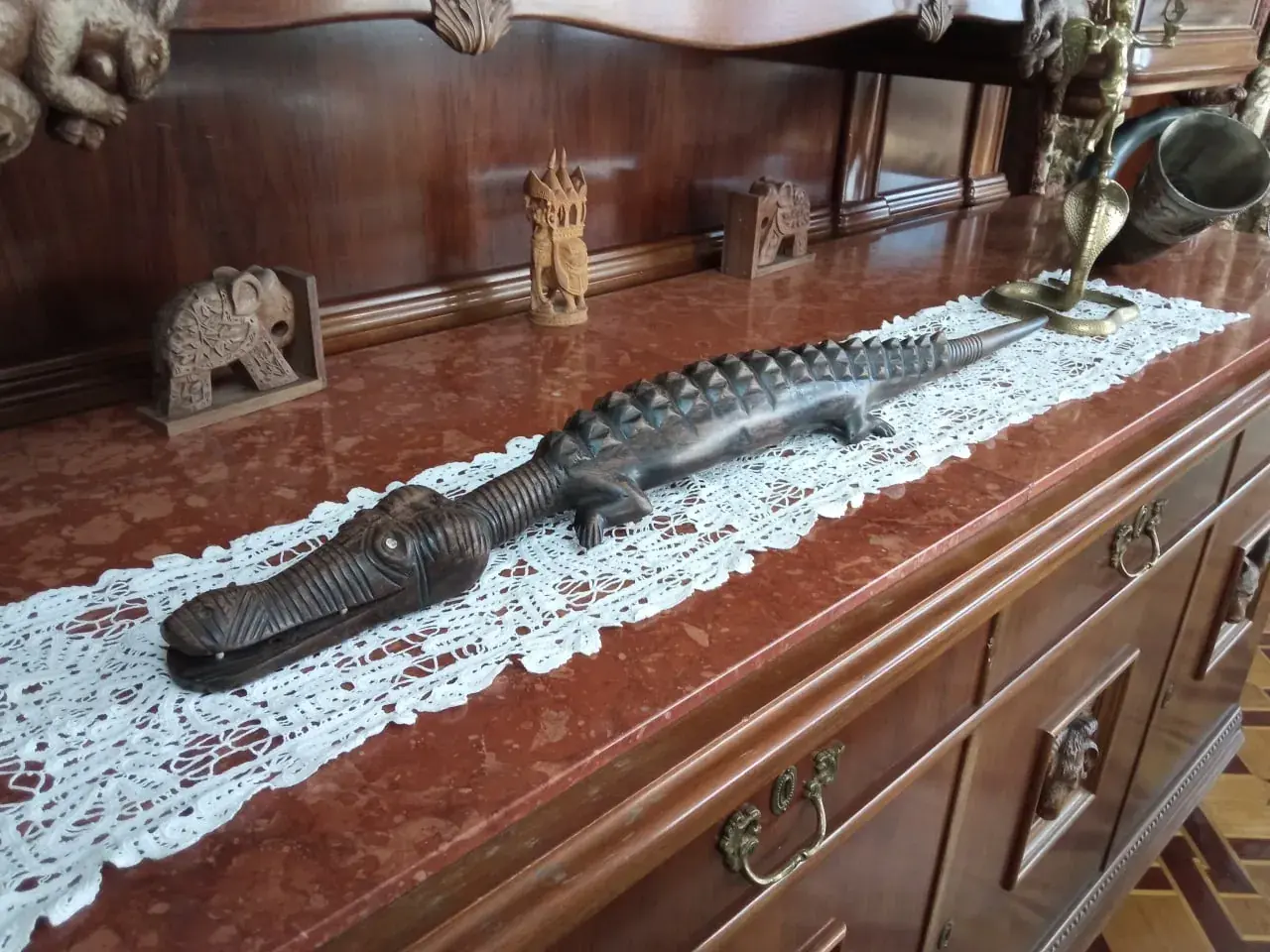
What's interesting: A perfectly preserved 1970s–80s interior. Personal library, lighter collection, gifts from world leaders. It's a rare glimpse into how the Soviet elite lived — and Kunayev was notably modest and intellectual for his position.
Price: ~800–1,000 ₸ (~$2)
Location: Tulebaev Street (in the "Golden Square" — the upscale central district), the street itself is lovely for a stroll
Hours: Wednesdays and Saturdays, 9:00–18:00
On the map: Google Maps | 2GIS | Yandex
 D.A. Kunayev House Museum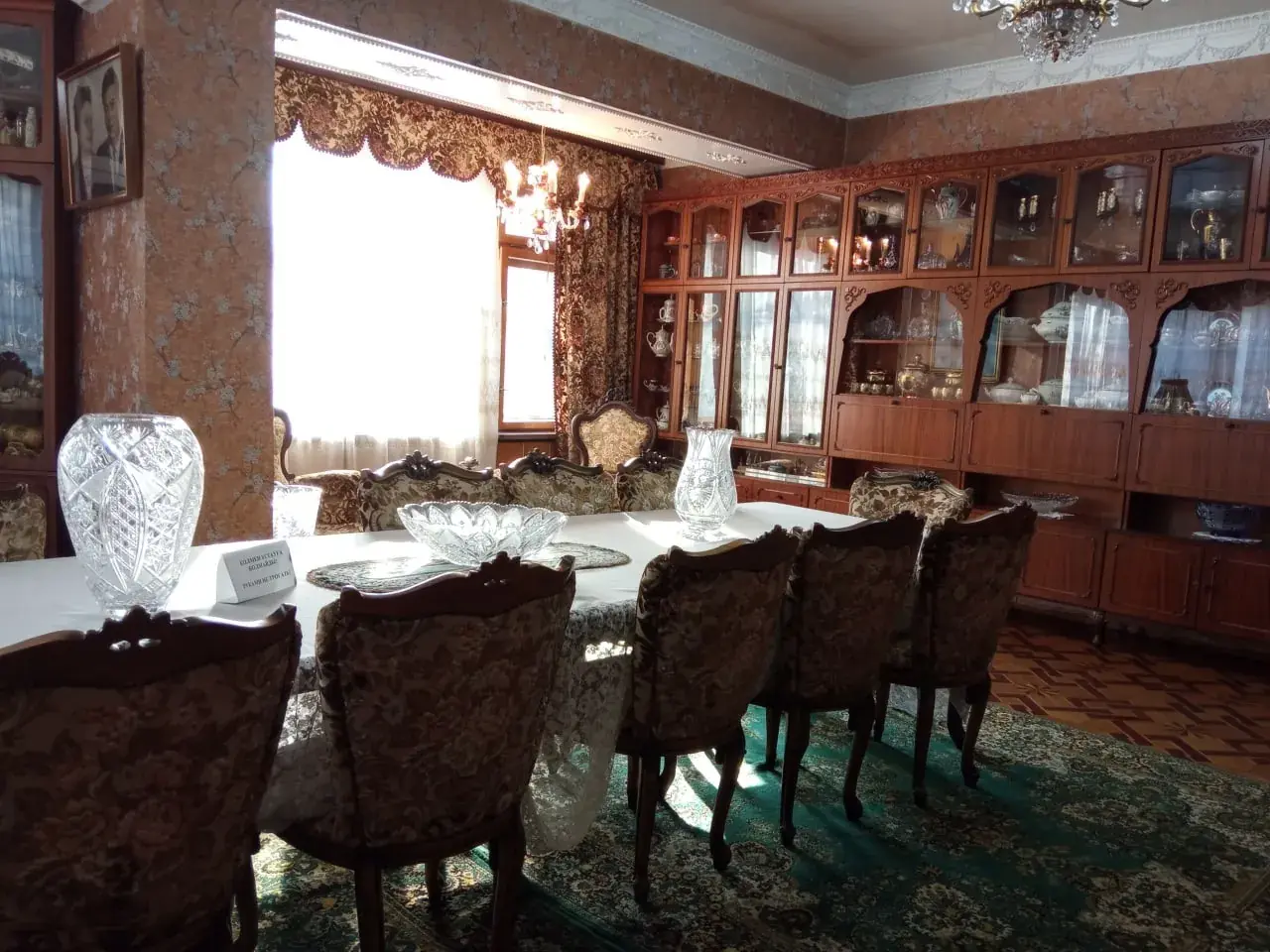
Bathhouses and spas
Arasan
The Arasan complex (the name means "warm spring" in Kazakh) is a landmark thanks to its Eastern flair: marble hammams, ceramic mosaics, Finnish saunas, a Russian steam room, and heated floors throughout. The water is filtered and heated to ideal temperatures, and the sections are separated by gender, following tradition.
This is Almaty's main bathhouse — lots of locals come here regularly.
Capacity: 270 seats in the men's section, 230 in the women's. Plan for at least 3 hours — you won't have time to try everything in one or two.
Average cost: ~7,000 ₸ (~$14)
Website: arasan-spa.kz
On the map: Google Maps | 2GIS | Yandex
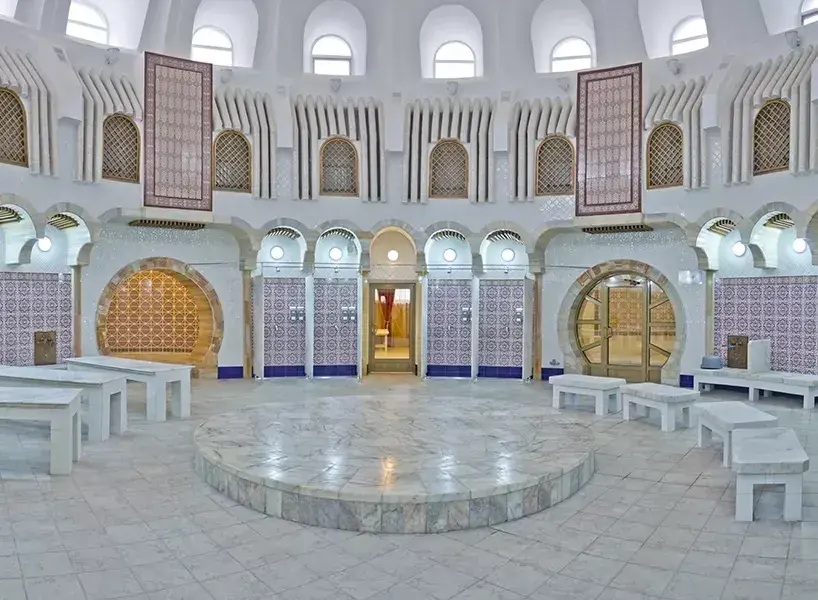 Arasan Bathhouse
Chundzha hot springs
Natural hot springs 290–300 km from Almaty (4–5 hours by car). The pool water stays at +39–42°C year-round.
Especially magical in winter: sitting in steaming hot water surrounded by snow, vapor rising all around you. Several recreation bases offer pools at different temperatures.
Downsides: you need a car or transfer to get there, and service quality varies between bases.
Prices vary a lot depending on the base, room type, and day of the week.
On the map: Google Maps | 2GIS | Yandex
Nature and winter hikes
Winter hiking in the mountains is not a walk in the park. Slippery trails, deep snow, short daylight hours, avalanche risk in some areas. If you don't have winter hiking experience, go with a guide or join an organized group. If you're heading out on your own — study the route in advance, tell someone your plans, and keep an eye on the weather.
Preparing for a hike
Maps and tracks: Download the Maps.me app with offline maps. There's no cell signal in the mountains, and Maps.me works without internet and shows trails. Don't trust the time estimates in the app — they're unrealistic.
Avalanche bulletin: Before any hike, check the Almaty avalanche bulletin on Telegram. They publish PDFs with risk maps by zone. You can also ask them directly if you're unsure whether a location is safe.
Community: Join the hiking chat on Telegram — you can find hiking partners, get current trail conditions, and ask experienced hikers questions.
Lower Butakovsky waterfall
In winter, the waterfall partially freezes — it looks like an ice sculpture.
- Distance: 2 km one way
- Difficulty: easy, but the trail is slippery in winter
- How to get there: taxi to the trailhead (Butakovka area)
- Trailhead: location on Google Maps
Kim-Asar gorge
A winter route for beginners. The trail is well-trodden and leads to a waterfall.
- Distance: 4.5 km one way (to the waterfall)
- Difficulty: below moderate, 700 m elevation gain
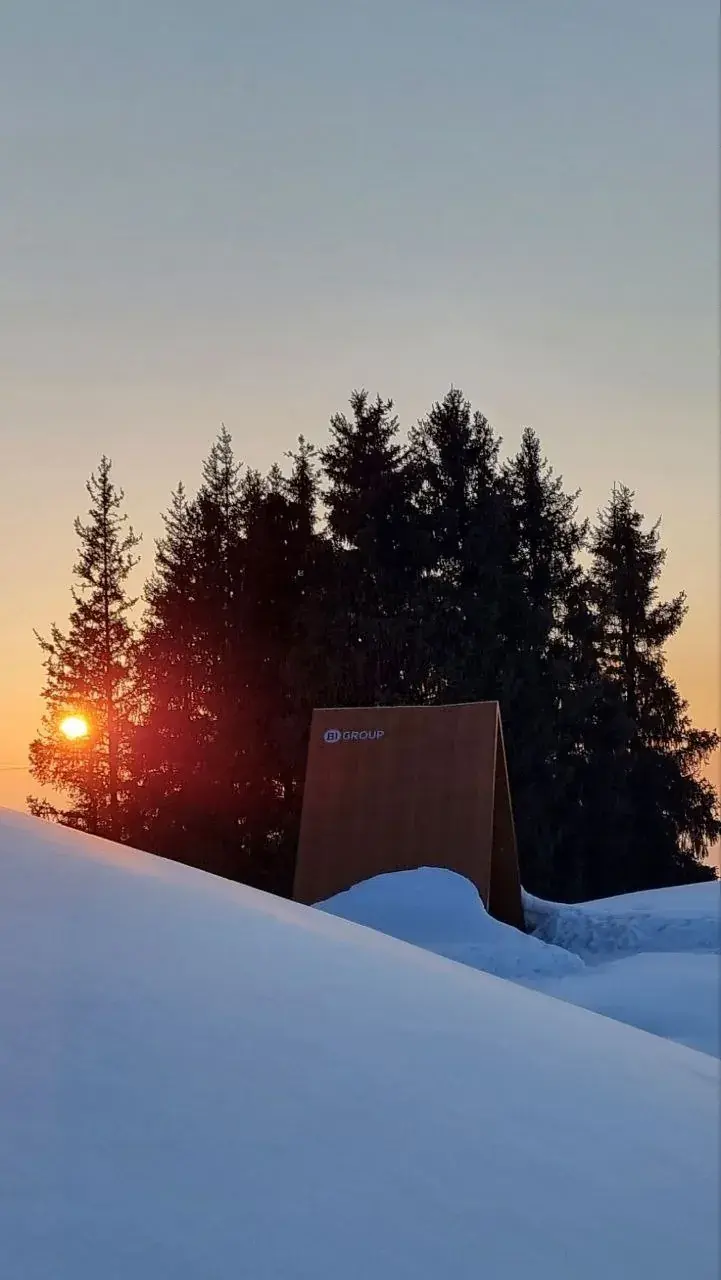
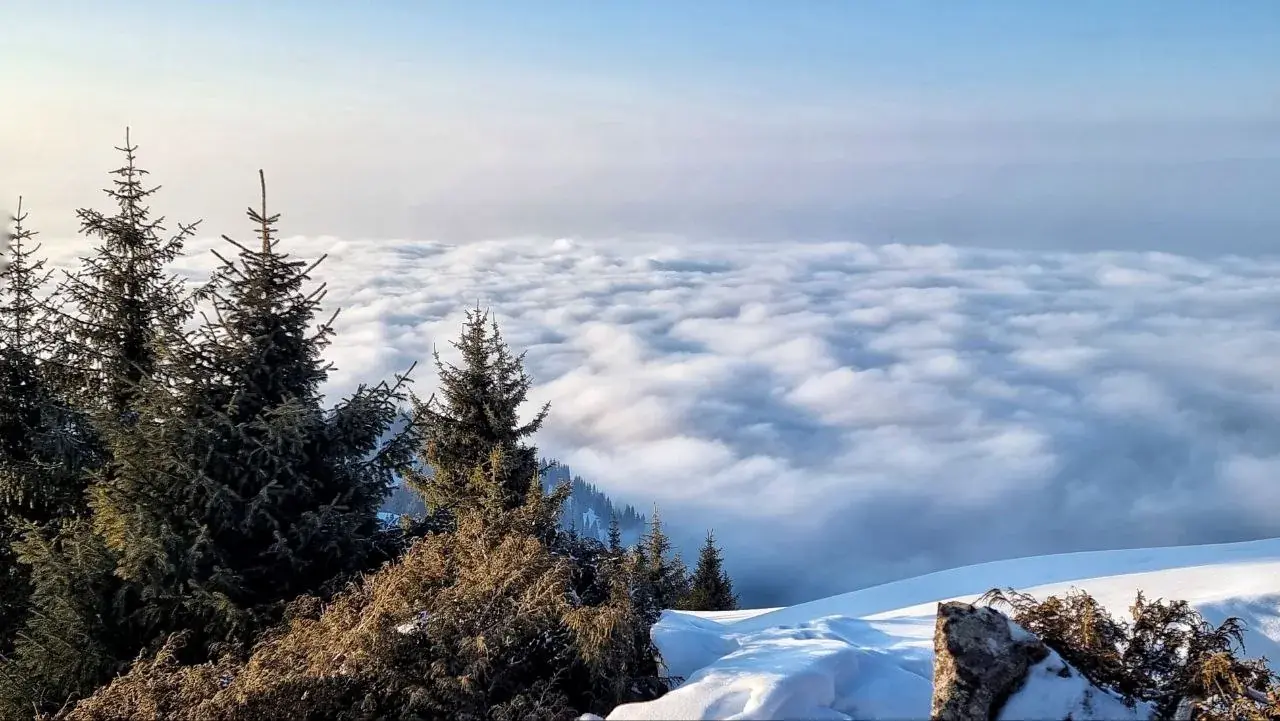
- How to get there: bus #12 to the last stop (Medeu), the trail starts from there
Kok-Zhailau
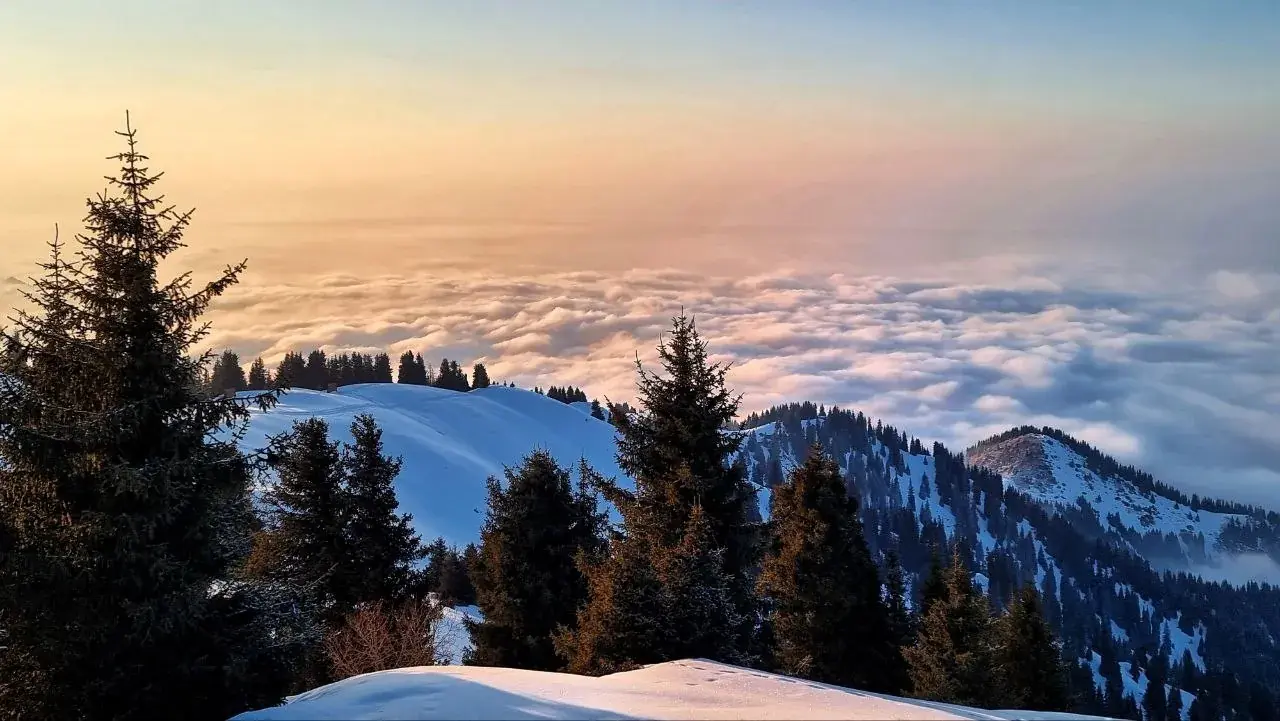
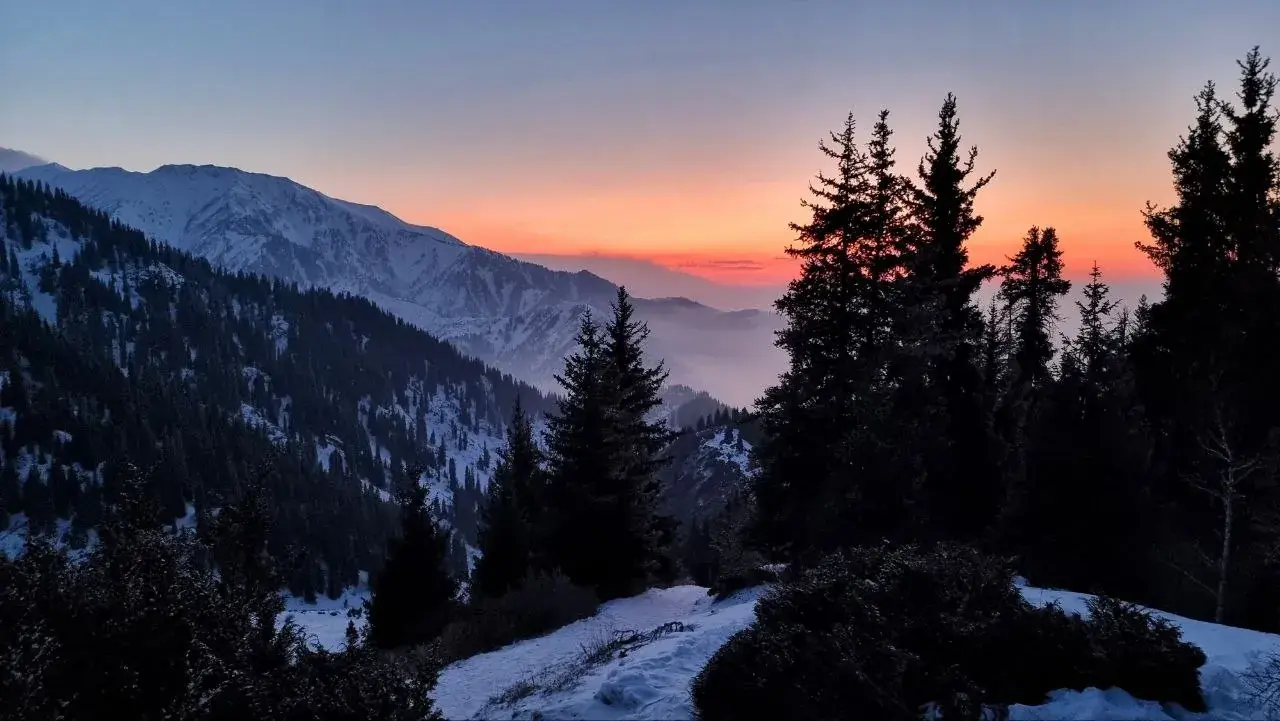
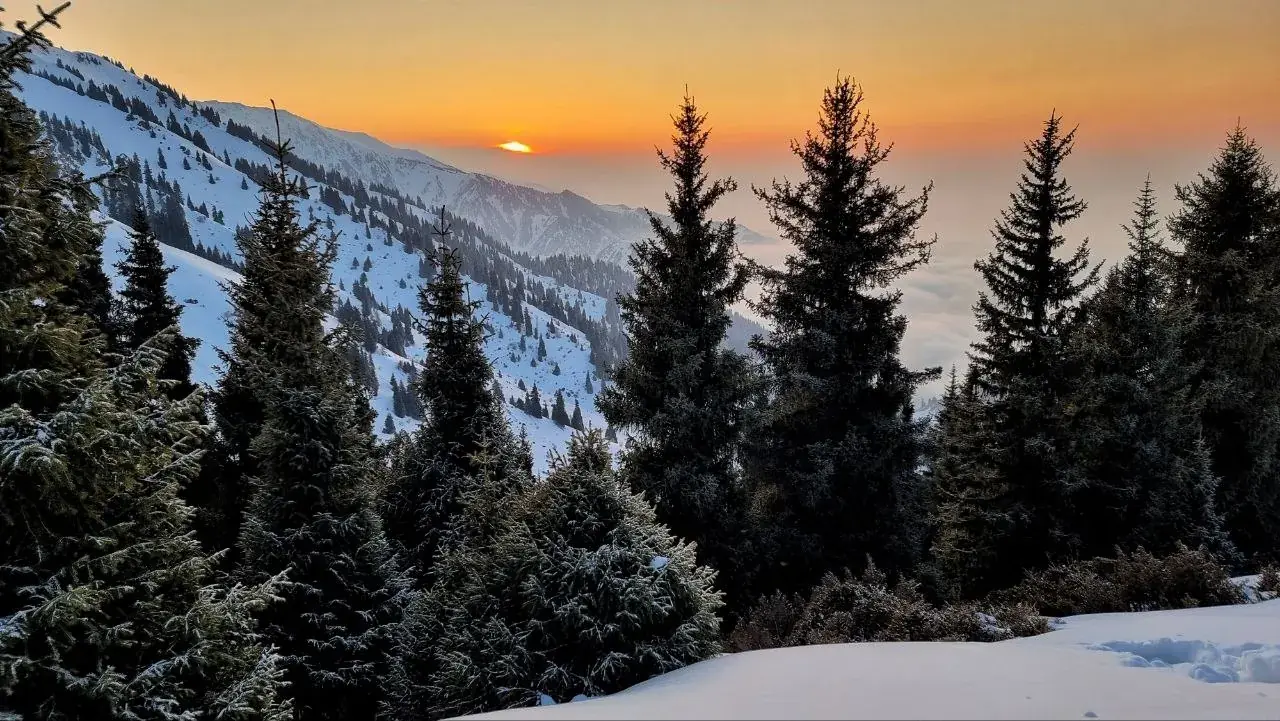
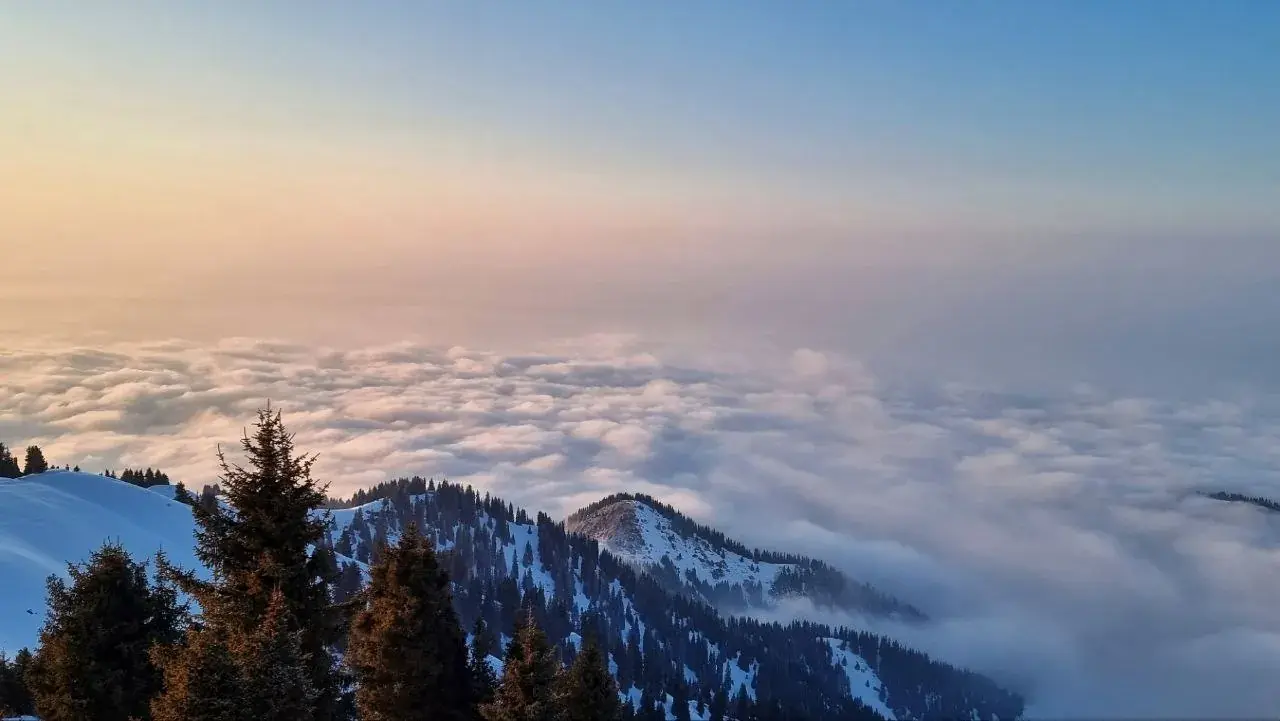
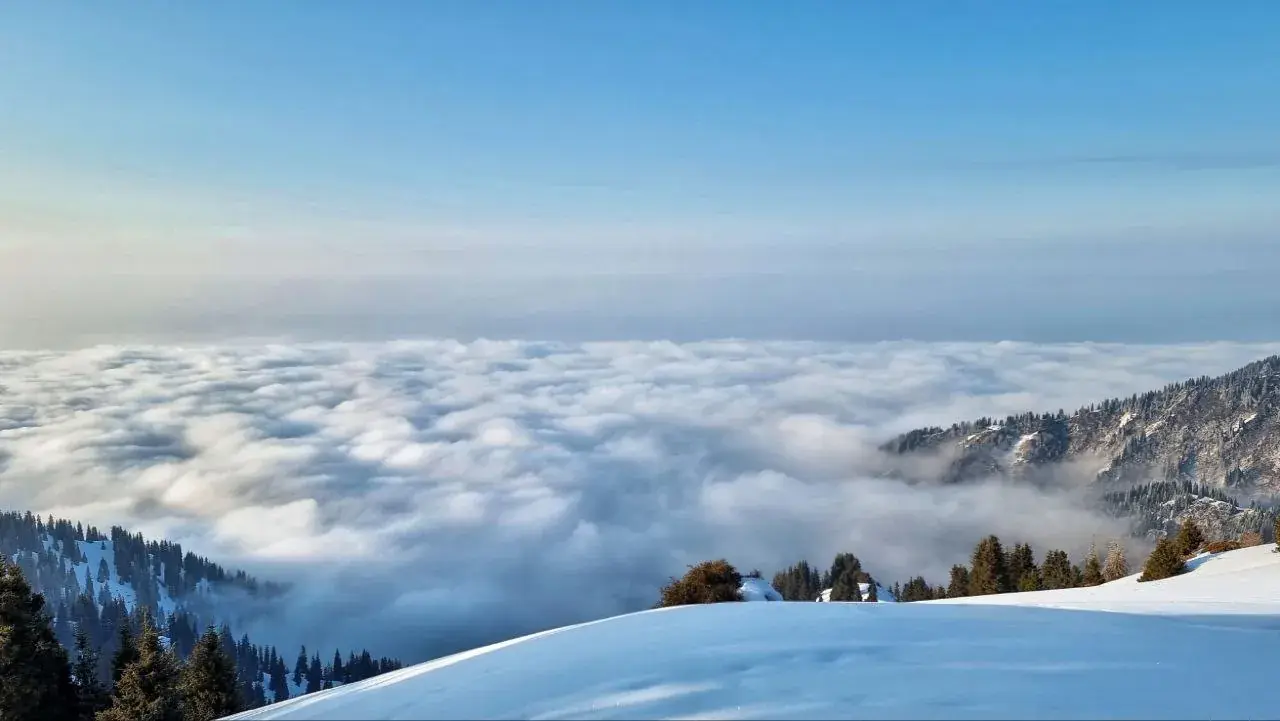
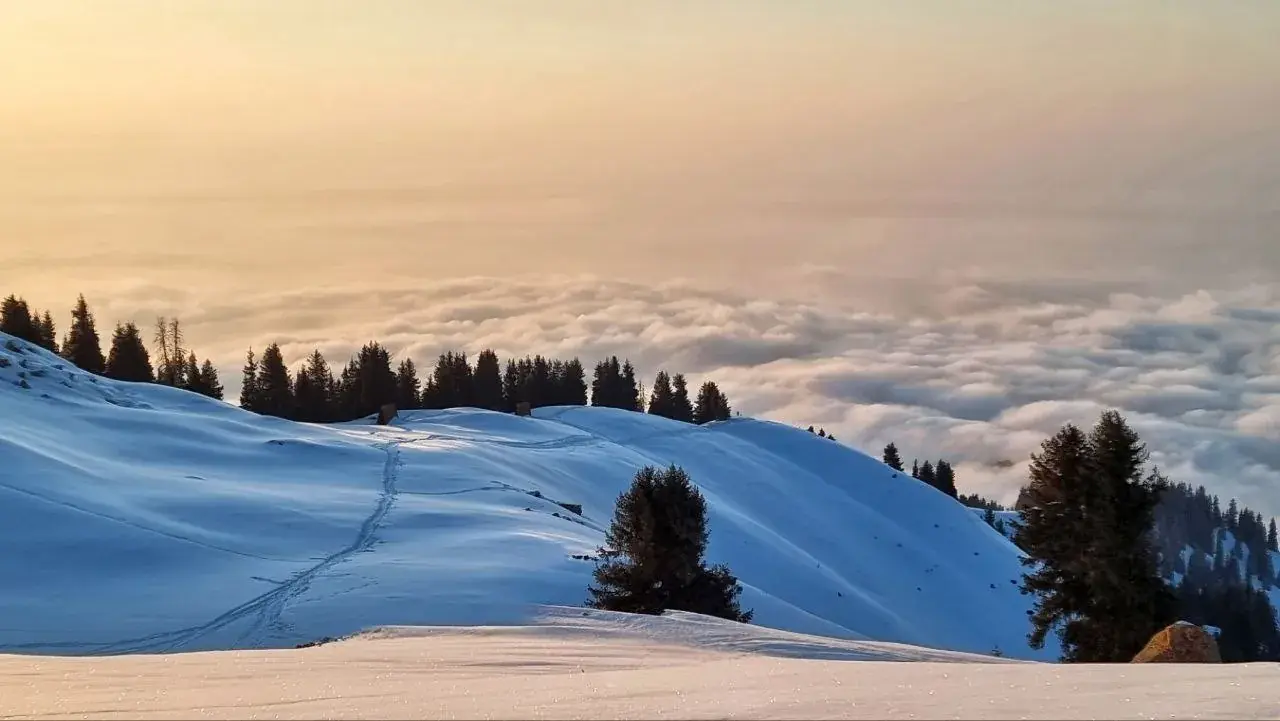
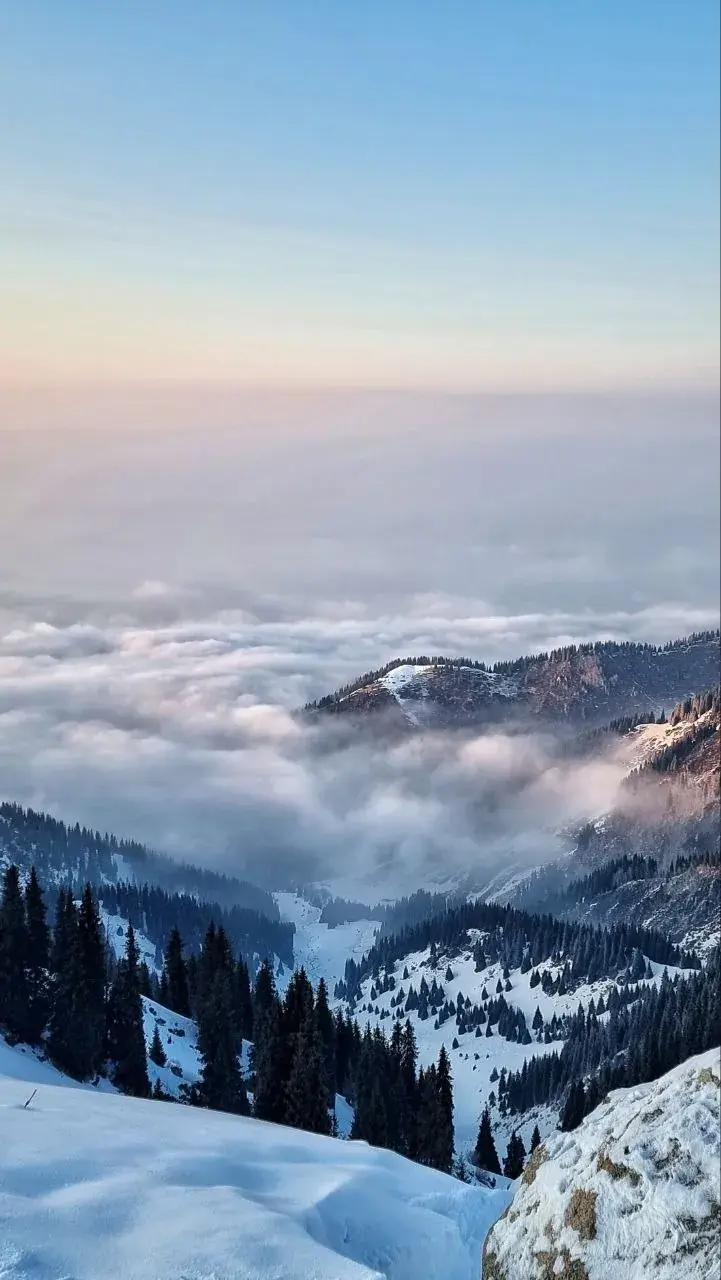
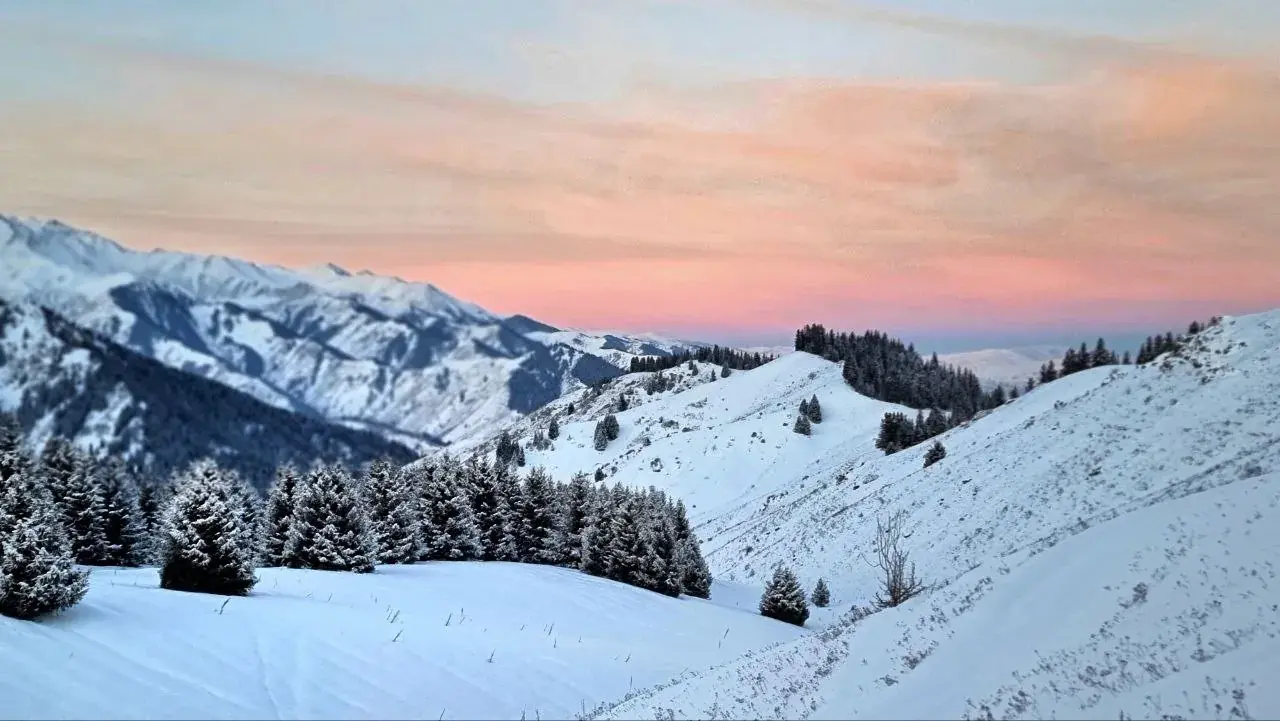
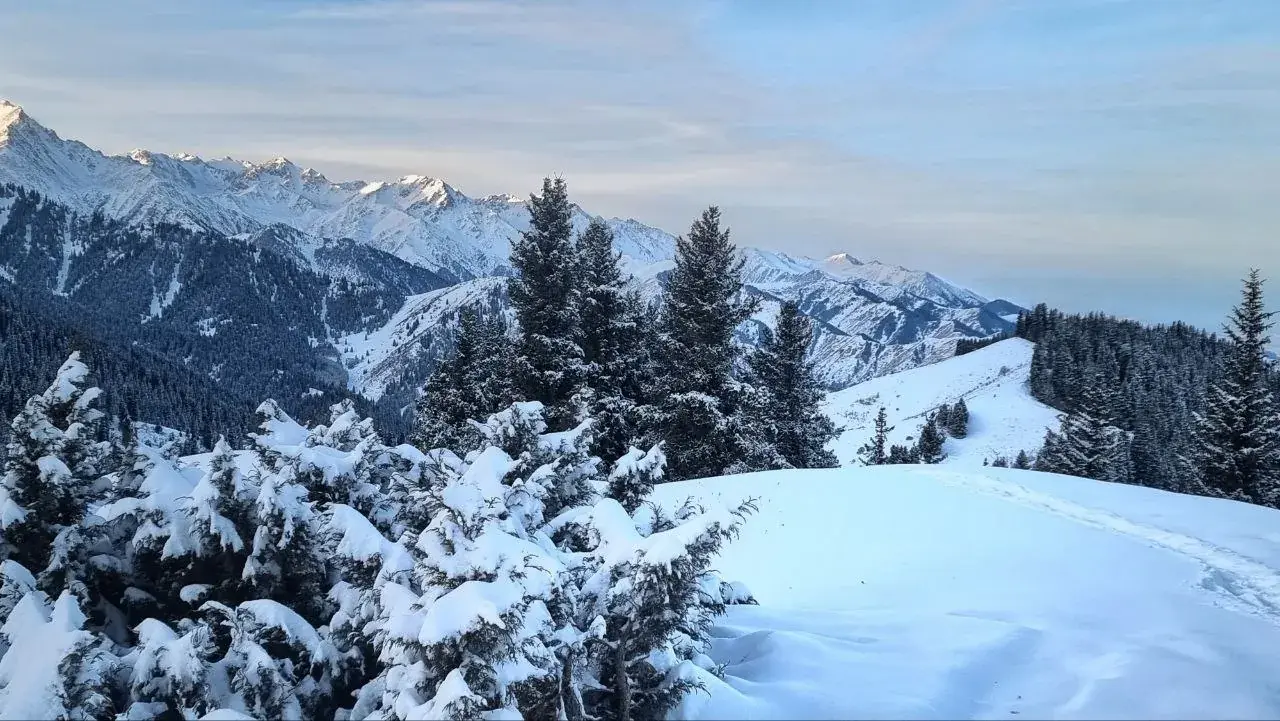
An alpine plateau at 2,200 m with stunning mountain views.
- Distance: 5 km one way
- Difficulty: below moderate, 800 m elevation gain
- How to get there: bus #12 to the Prosveshchenets stop, the trail starts from there
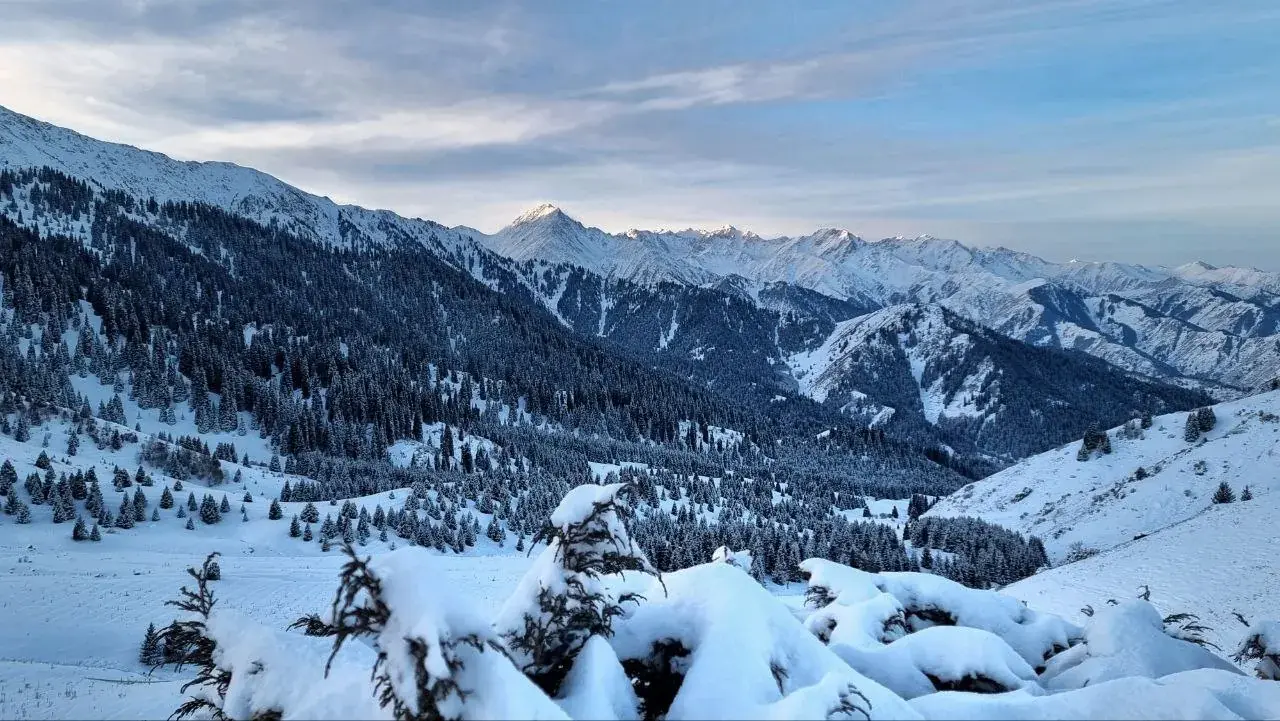
Big Almaty Lake (BAO)
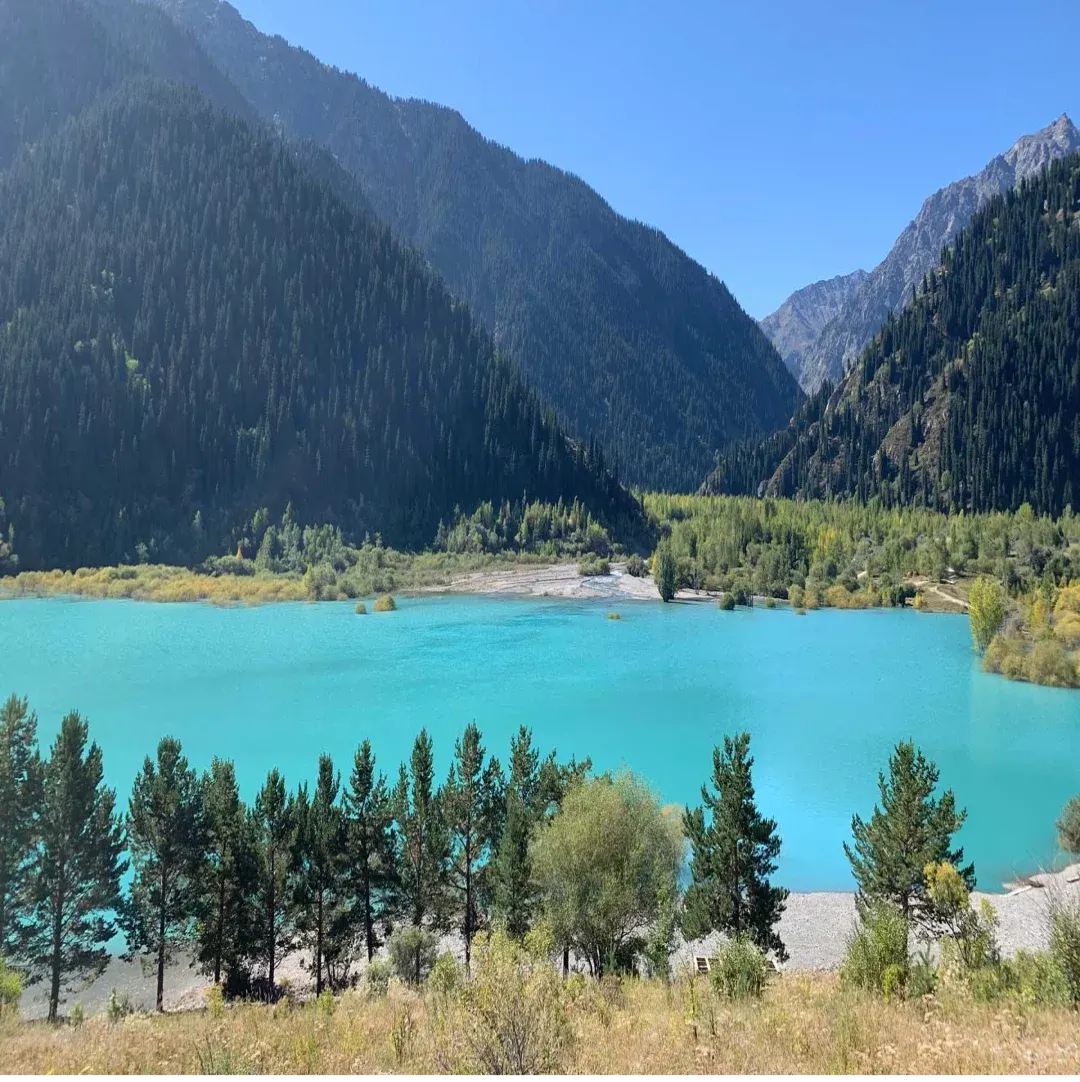
A mountain lake at 2,511 m elevation. In winter it freezes over — you can see ice of an unusual turquoise color.
Important: the road is closed to vehicles year-round. The only way to reach the lake is on foot.
- Distance: 4 km via the pipe trail or 8 km via the winding road
- Difficulty: moderate, ~600 m elevation gain from the eco-post (1,890 m)
- How to get there: taxi to the eco-post, then on foot
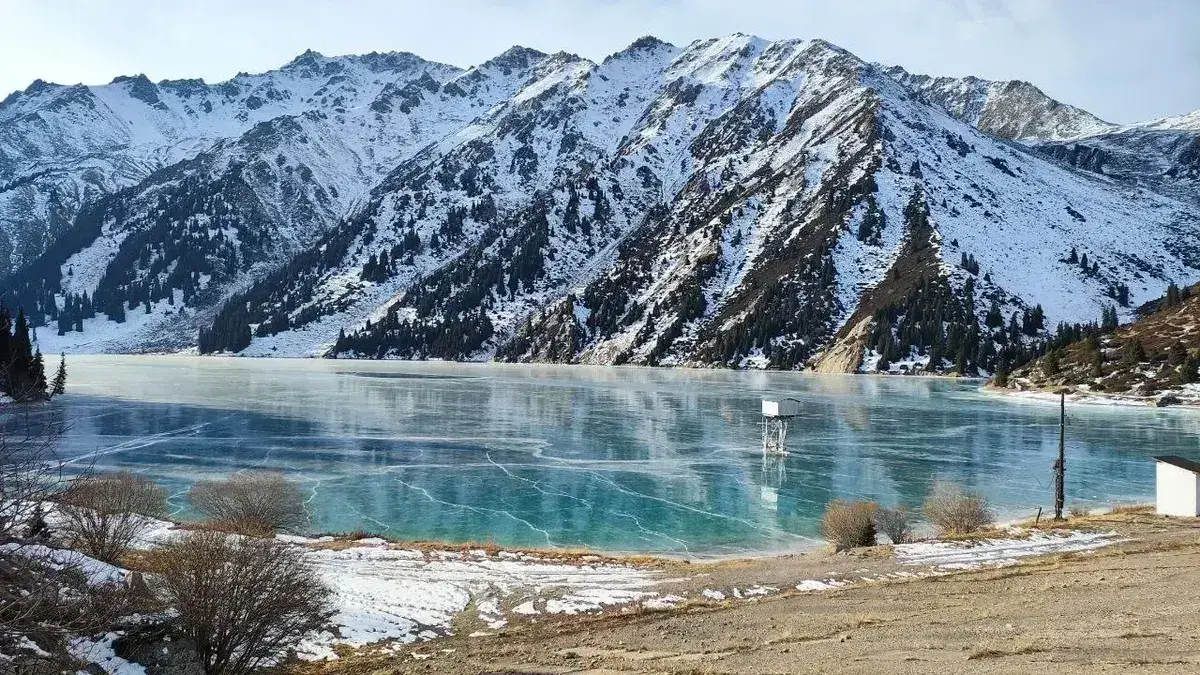 Big Almaty Lake, photo by a member of our hiking community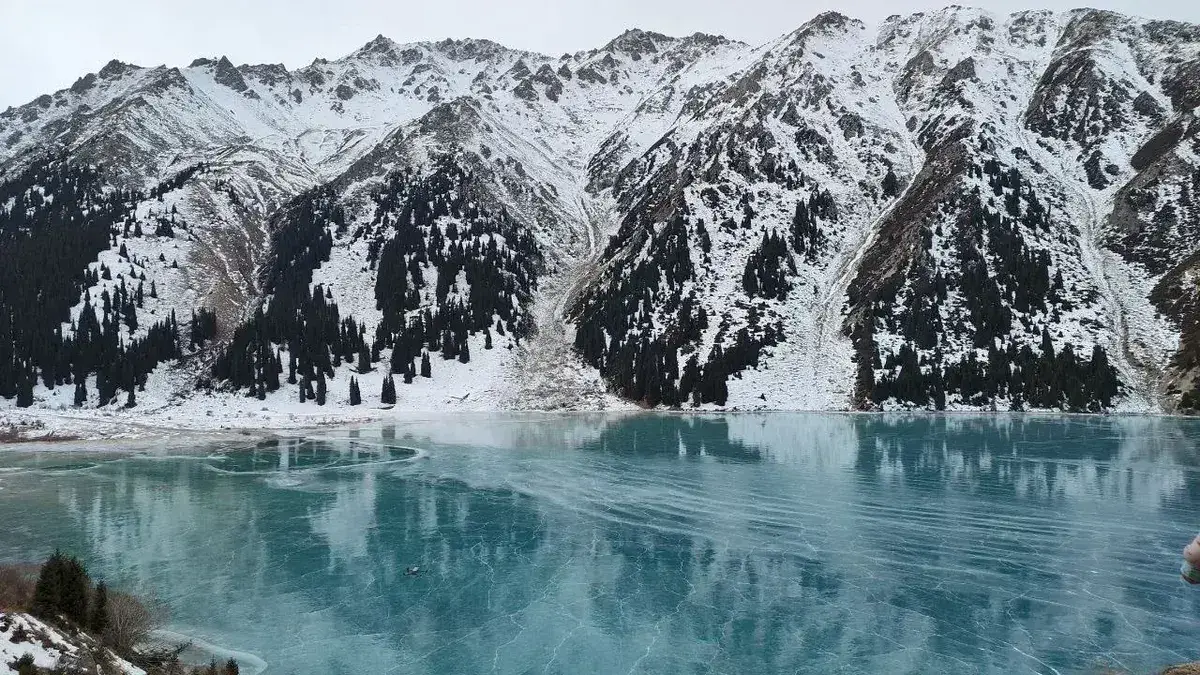
Day trips from Almaty
These spots are far from the city but absolutely worth a full-day trip.
Charyn Canyon
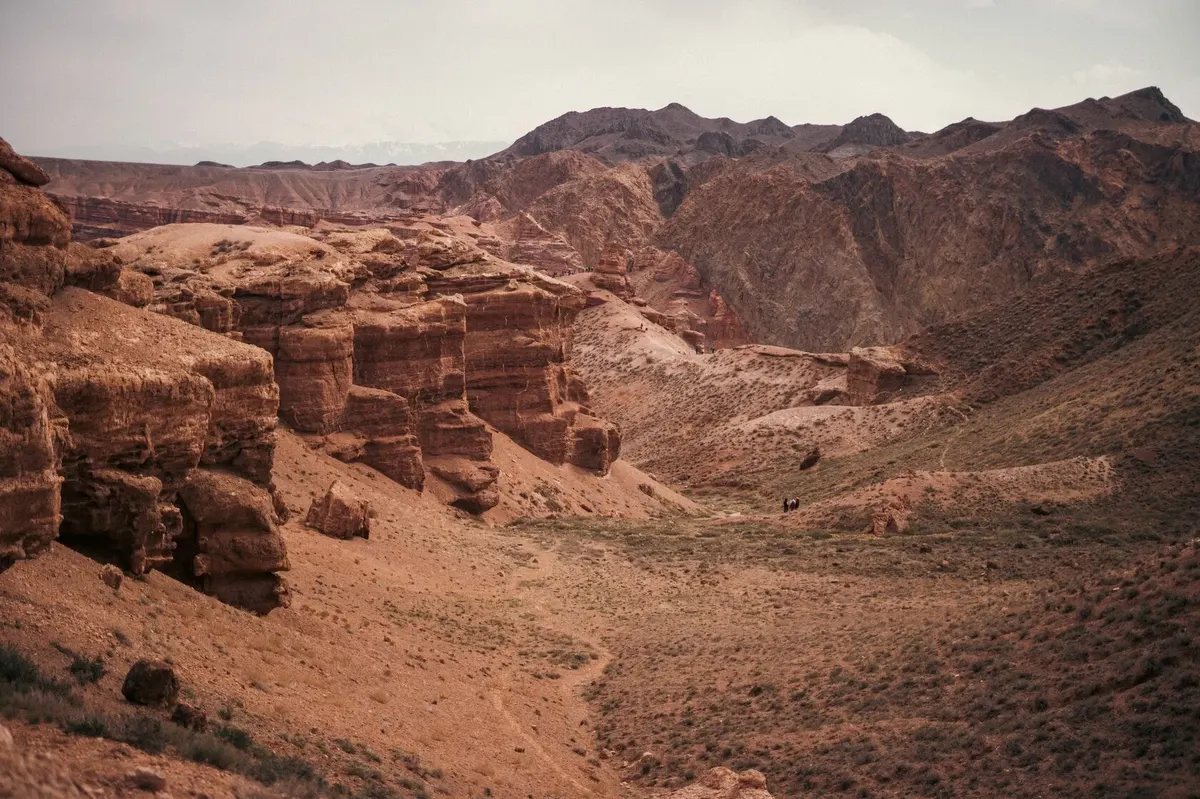
Red rocks against white snow — a striking sight. In winter there are fewer tourists, and the canyon is almost empty.
- Distance from Almaty: 200 km (3–4 hours)
- Difficulty: easy walk through the Valley of Castles
- Time on site: 2–3 hours
- Entry: ~800 ₸ (~$2) on foot, ~2,800 ₸ (~$6) by car
- How to get there: by car, taxi, or transfer
Winter downside: it's cold (-15 to -20°C), dress extra warm.
For detailed routes, prices, and tips — check out our Charyn Canyon guide.
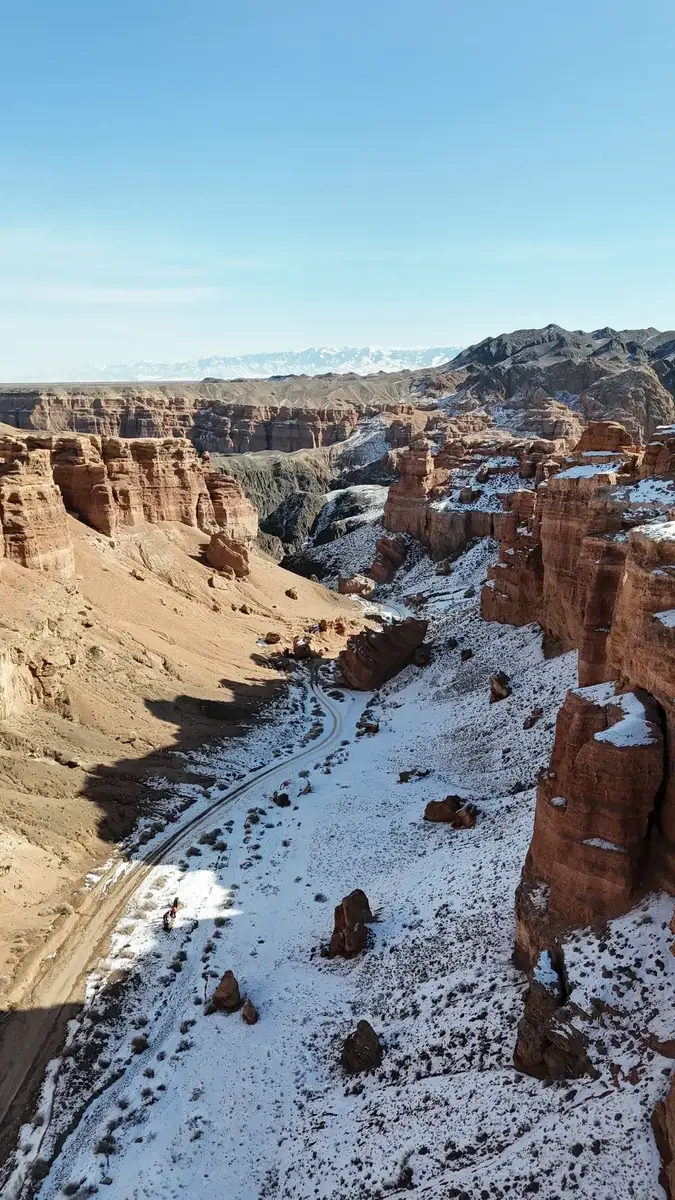 Charyn Canyon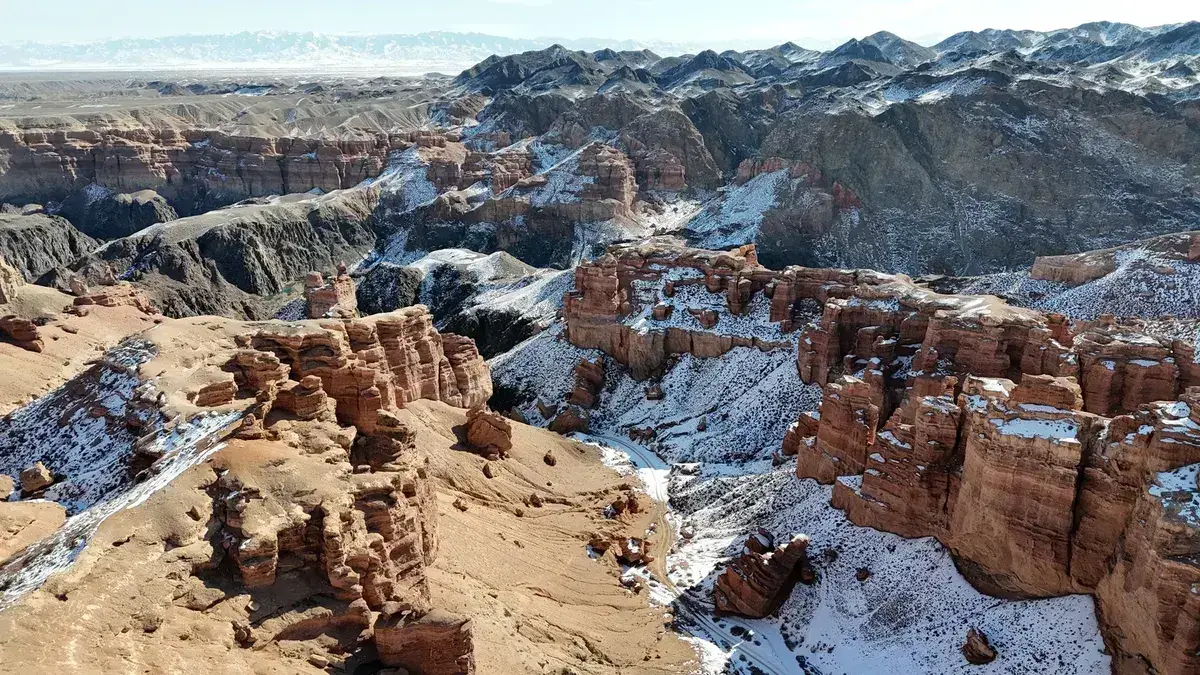
Kolsai Lakes
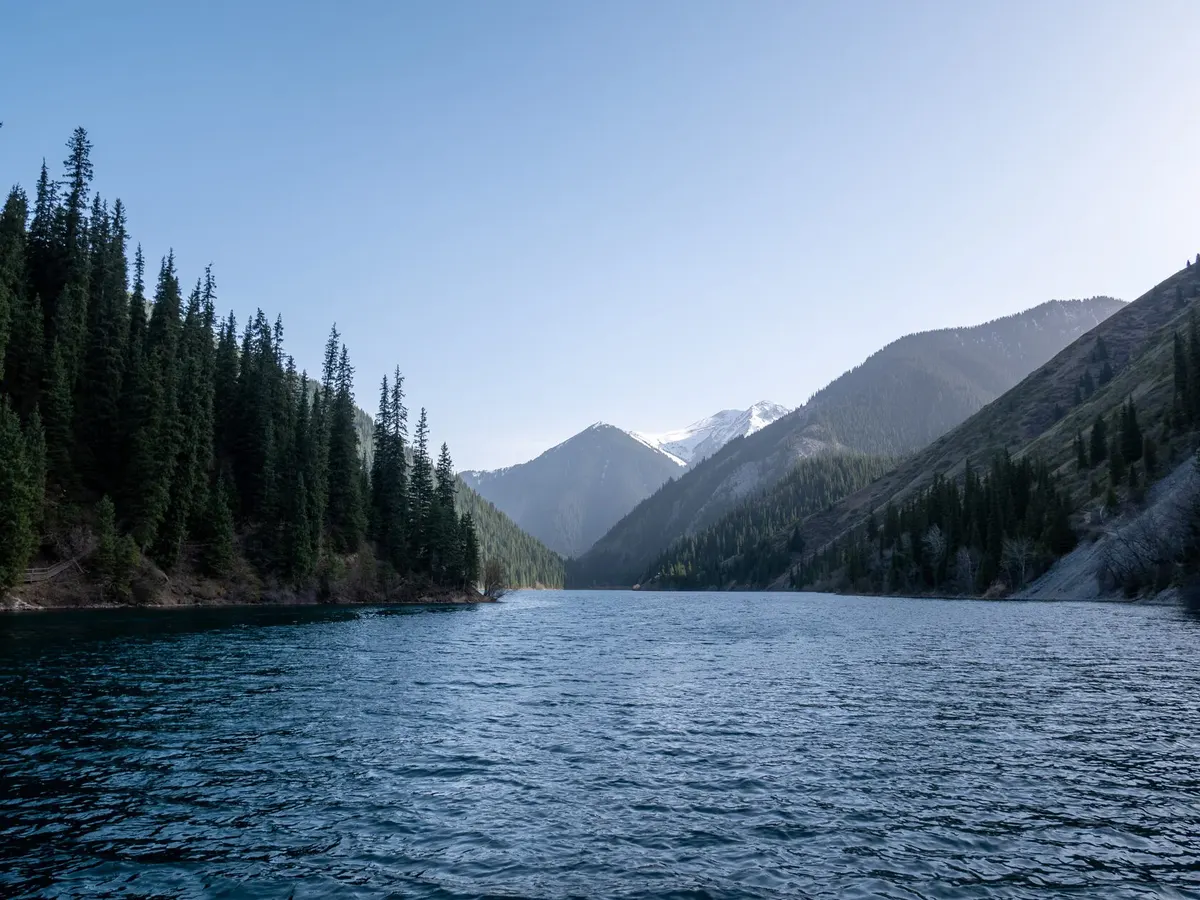
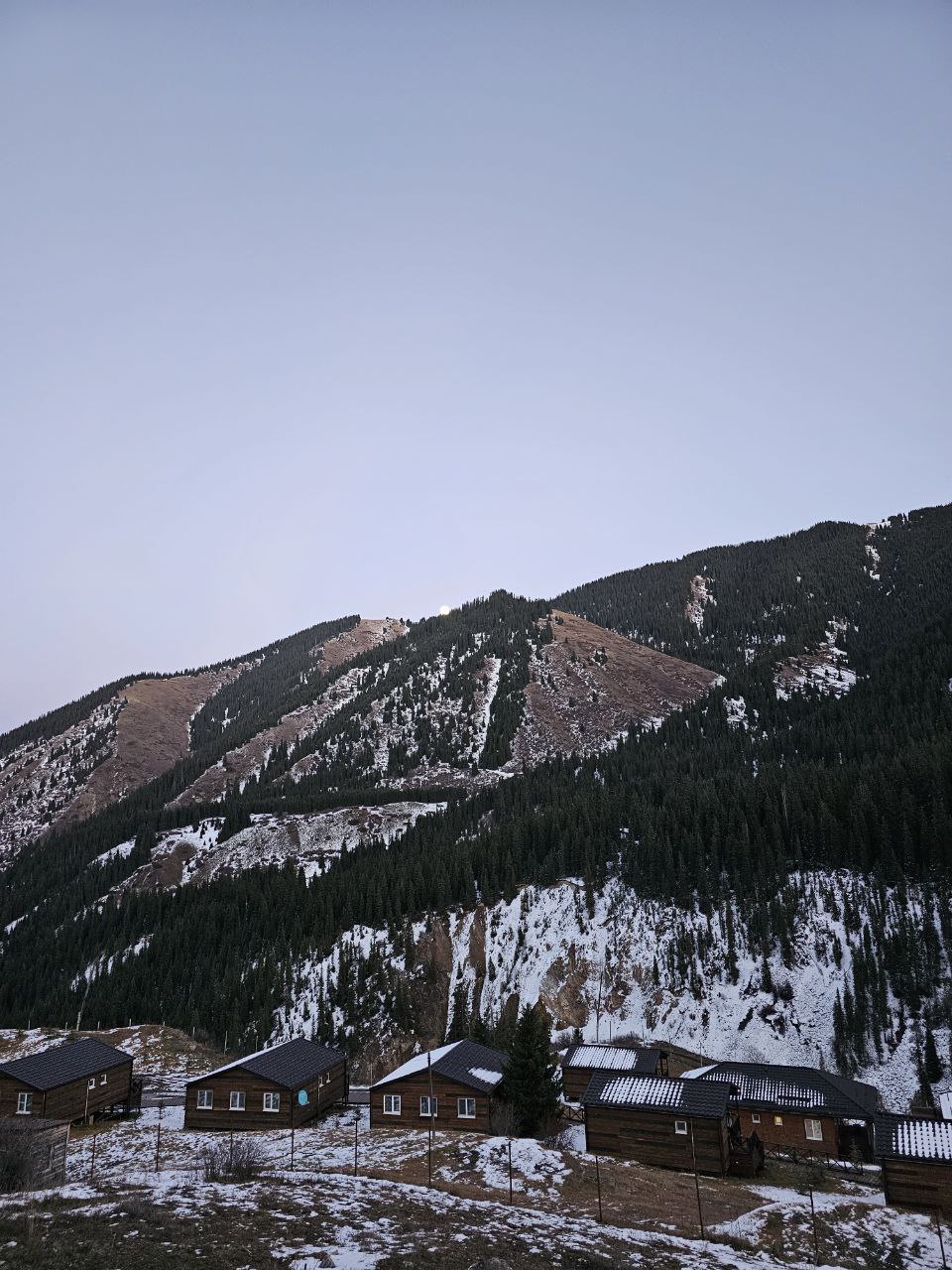
Three mountain lakes 300 km from Almaty, near the border with Kyrgyzstan. In winter, the lakes are covered with ice — it looks magical, but getting there is trickier.
- Distance from Almaty: 300 km (4.5–6 hours)
- What to see: Kolsai-1 (the lower lake) is the main destination. Kolsai-2 is a 7 km hike from there
- Entry: ~800 ₸ (~$2) on foot, ~2,800 ₸ (~$6) by car
- How to get there: only by car or with a transfer
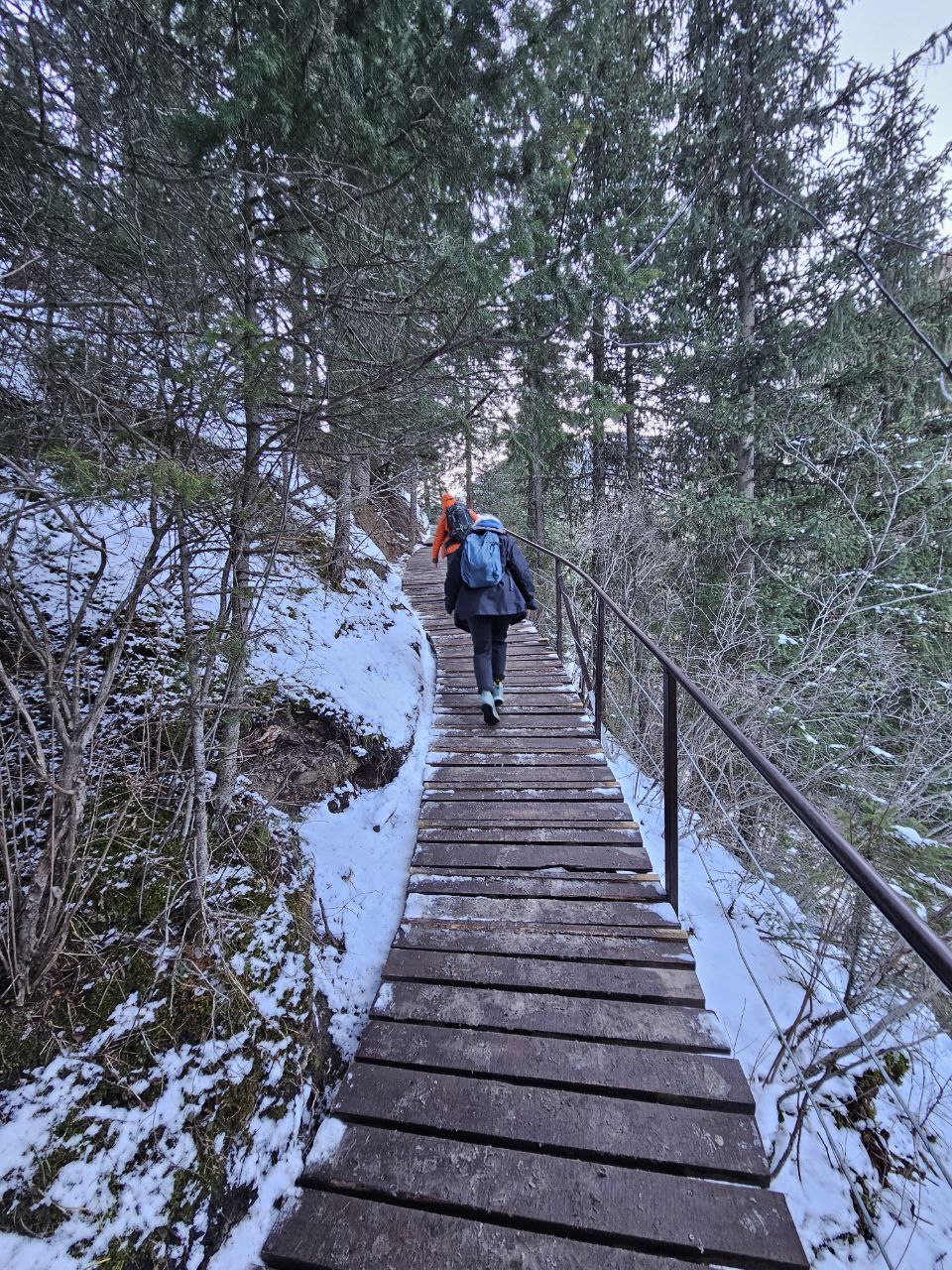
In winter: temperatures drop to -15°C and below, the road can be challenging. Better to go with an experienced driver or an organized group.
Everything about routes, accommodation, and preparation — in our Kolsai Lakes guide.
 Kolsai Lakes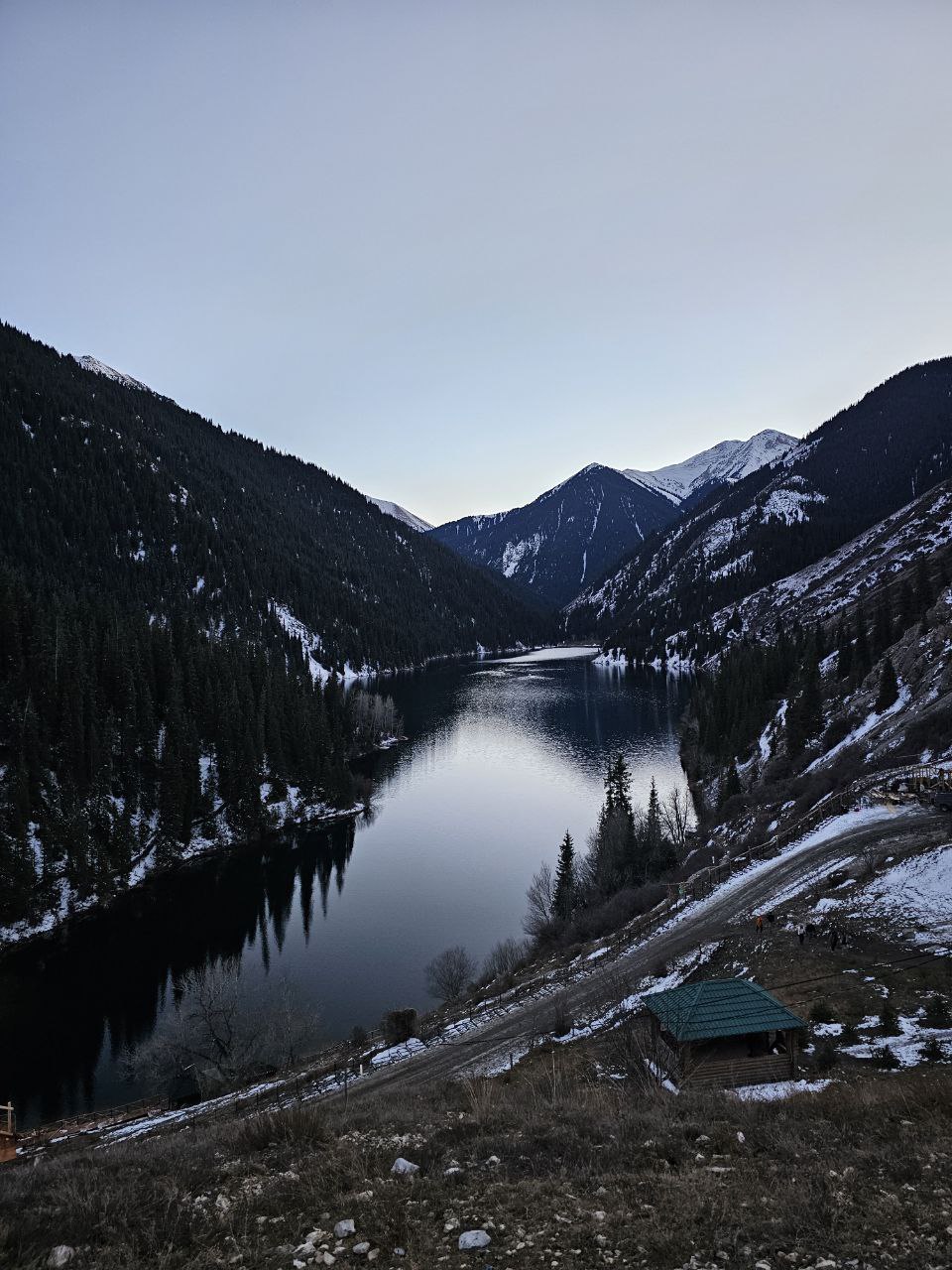
Want to see winter landscapes without worrying about the drive? Book a one-day or multi-day tour — to Charyn, Kolsai, or any destination you choose. Message us on WhatsApp to book.
Food: Kazakh cuisine
Qazaq Auyl
Why go: An atmospheric complex in the Medeu mountains with beautiful views, focused on traditional Kazakh cuisine with a modern twist — great for a "wow" experience and impressing visiting friends.
What to try: beshbarmak (boiled meat with flat noodles — the national dish), plov (pilaf), kazy dishes (horse meat sausage), and food from the kazan (cast-iron pot) and mangal (charcoal grill).
Average bill: 20,000–25,000 ₸ (~$40–50)
On the map: Google Maps | 2GIS | Yandex
Navat
Why go: A popular chaikhana (Central Asian teahouse) chain with a cozy Eastern interior, blending Uyghur, Kazakh, and Central Asian cuisines. Great for big groups and casual meals.
What to try: lagman (hand-pulled noodle soup), plov, manty (steamed dumplings), beshbarmak, soups, and samsa (baked pastries with meat); huge tea and dessert selection.
Average bill: 6,000–8,000 ₸ (~$12–16)
On the map: Google Maps | 2GIS | Yandex
SYDYK
Why go: A Kazakh cuisine restaurant focused on classic dishes and dairy products, including shubat (fermented camel milk) and kumis (fermented mare's milk). A calm, cozy spot in the city center for an authentic introduction to traditional food.
What to try: beshbarmak, kuurdak (fried meat and offal), syrne (slow-cooked lamb), baursaks (fried dough — Kazakhstan's answer to donuts), dairy platter, kumis and shubat, plus camel meat dishes — which is what locals particularly recommend SYDYK for.
Average bill: 3,000–4,500 ₸ (~$6–9)
On the map: Google Maps | 2GIS | Yandex
Practical info: weather, packing, transport
Weather by month
- December: -5 to -10°C in the city. Snow, smog season begins. Festive New Year atmosphere.
- January: -10 to -15°C. The coldest month, worst smog.
- February: -5 to -12°C. Heavy snowfalls, fresh powder on the resorts — the best time for skiing.
- March: -2 to -8°C. Thaw begins, snow starts melting.
Due to climate change, Almaty winters have become less predictable: snow may arrive later than usual or melt earlier. Check the forecast before your trip.
In the mountains it's 10–15°C colder than in the city. At Shymbulak in January it can hit -25°C.
What to pack
- Warm jacket (down parka), hat, gloves
- Thermal base layers — essential for mountains and long walks
- Trekking boots with non-slip soles
- Sunglasses and SPF sunscreen — the mountain sun is intense and snow reflects the light
- Thermos with hot tea
- Masks — in case of heavy smog days
Getting around
Getting around the city is easy — taxis, buses, and metro all work well. For mountain and nature trips you'll need a taxi or your own car, though some trailheads are reachable by bus.
Important: Almaty has serious traffic jams, especially during rush hour. If you're moving within the Golden Square (the central district), walking is often faster than taking a taxi or bus. Plan extra time.
- Taxis: from 1,000 ₸ (~$2), use the Yandex Go app
- Buses: 120 ₸ (~$0.25), cash payment was discontinued in 2024. Payment options: Onay card (sold at kiosks), Onay app (QR code), Kaspi QR, SMS to 9909. Useful route: #12 goes to Medeu (start of the terrenkurs and the Shymbulak gondola)
- Metro: 120 ₸ (~$0.25), fast and traffic-free, one line. You can pay with a bank card
- Car rental: from 15,000 ₸/day (~$30), in winter an AWD vehicle is recommended for mountain trips
Bottom line
Almaty in winter means mountains, museums, bathhouses, restaurants, and a surprisingly affordable getaway. It's a city where you can ski in the morning, check out contemporary art in the afternoon, and steam in a bathhouse in the evening.
The main downside is smog. Plan more time in the mountains and the upper parts of the city.