What is Kolsai Lake
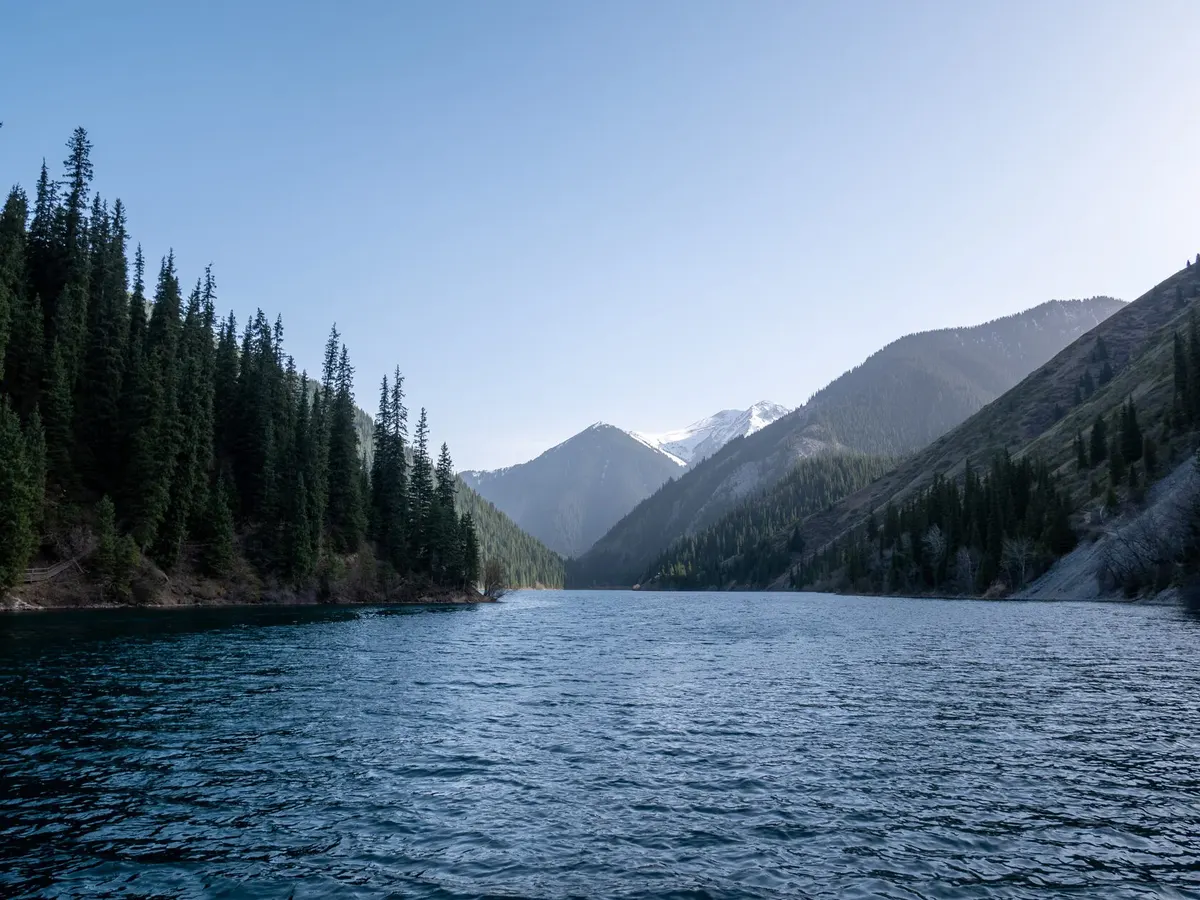
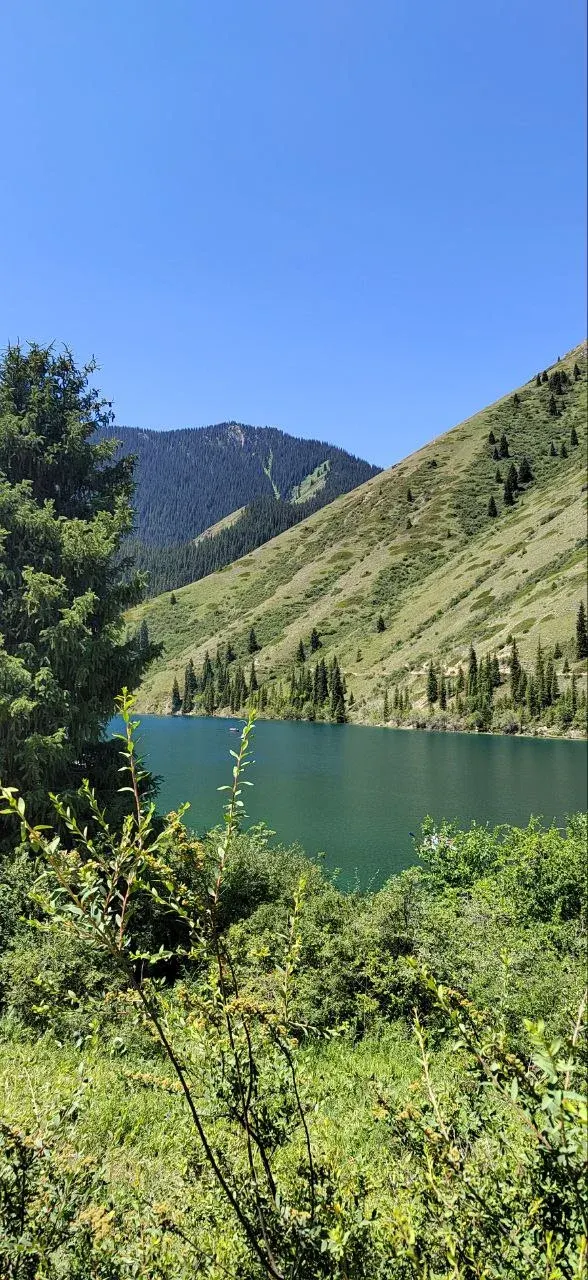
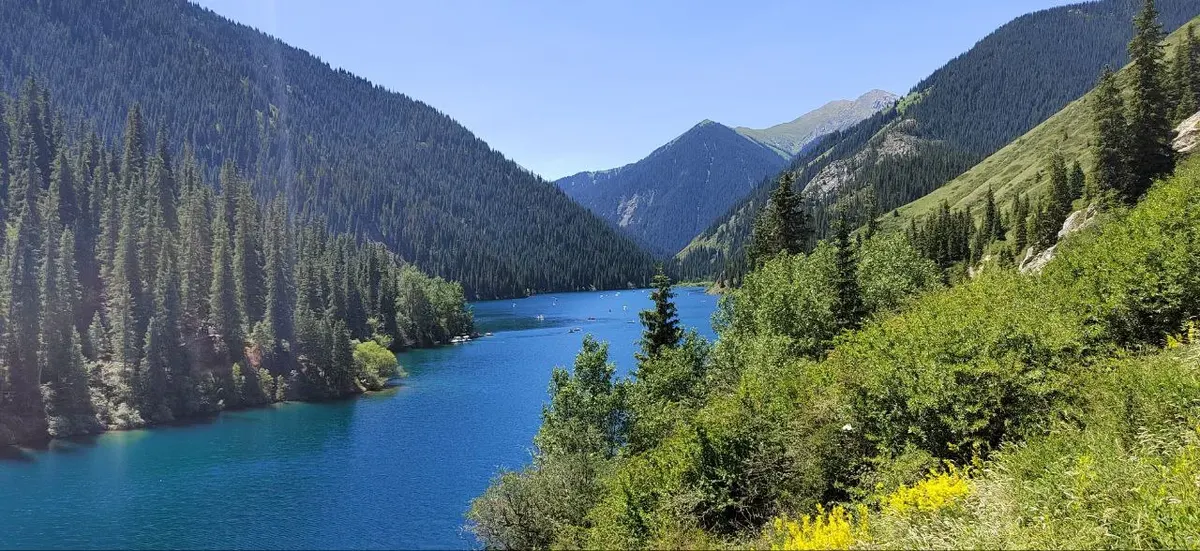
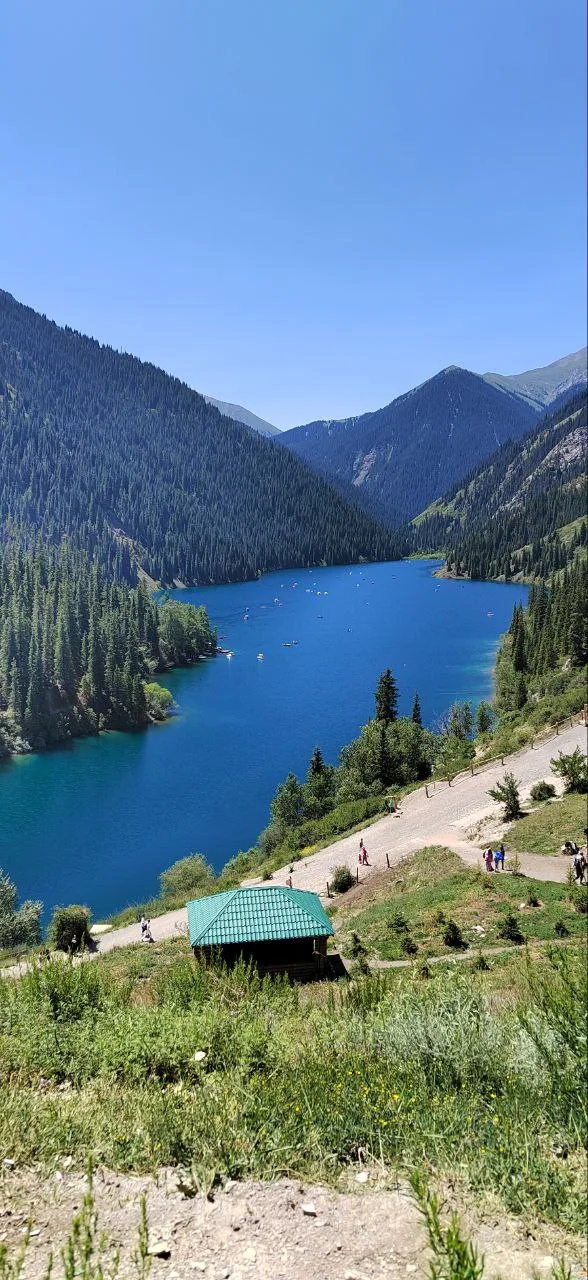
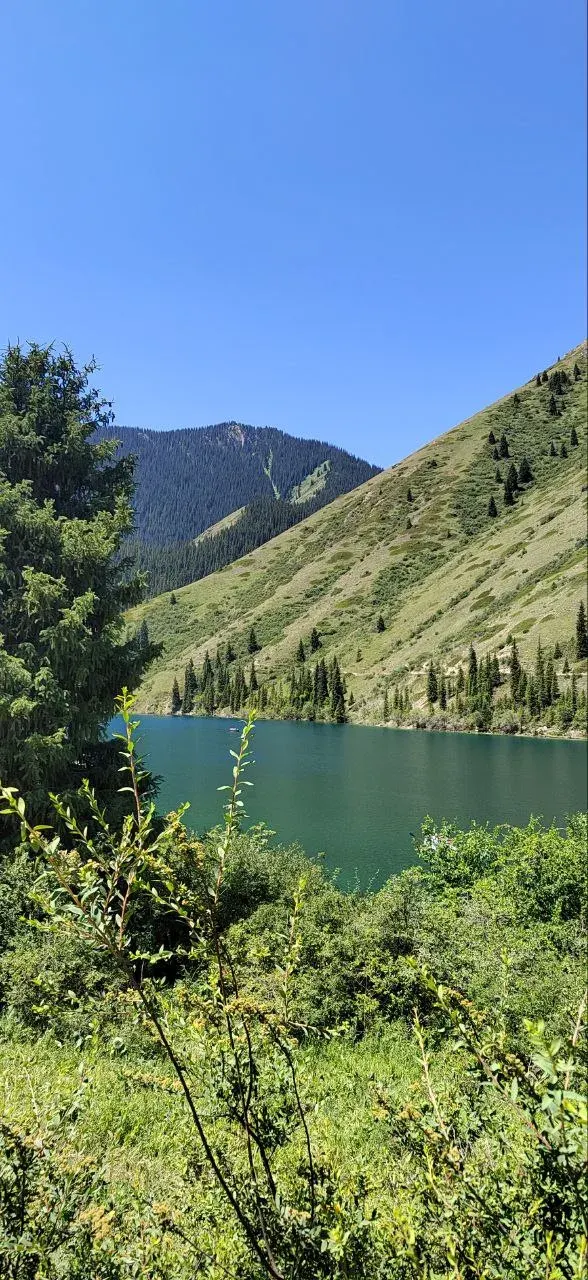
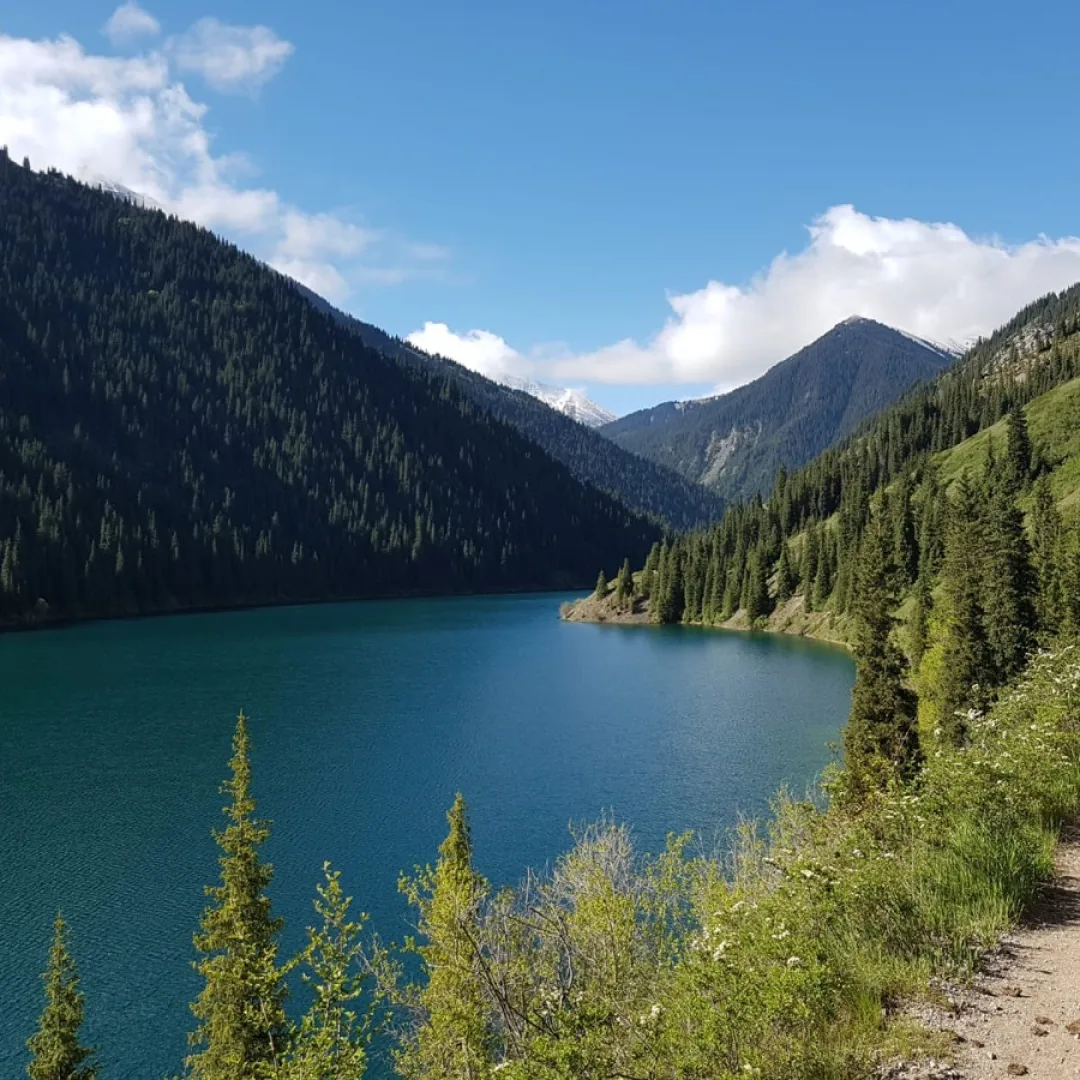
The Kolsai Lakes are three stunning mountain lakes nestled in the northern Tien Shan range, in the Almaty Region of Kazakhstan. They're famous for their crystal-clear water, surrounded by coniferous forests and alpine meadows.The most accessible and popular among visitors is Kolsai-1, which you can reach by car or bus. There's a walking area here, a few cafes, and you can rent boats to paddle around the lake.
Kolsai-2 and Kolsai-3 are higher up and can only be reached on foot. These trails offer unique views and solitude — a very different vibe from the busier first lake.
- Kolsai-1 (lower lake) — the most accessible, with developed infrastructure.
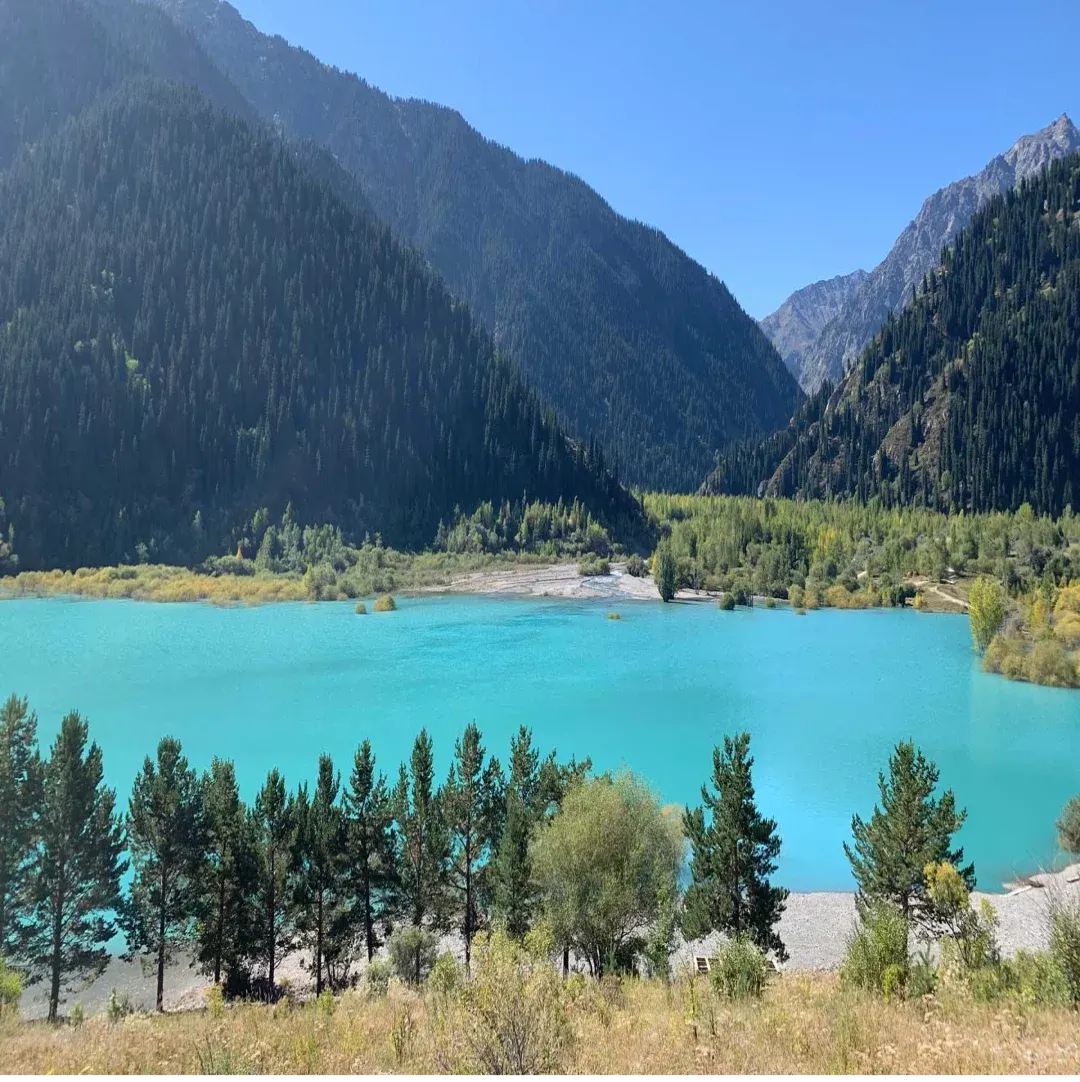
- Kolsai-2 — a lake among forests and mountains, reached via a hiking trail (~8 km).
- Kolsai-3 — high-altitude and remote, only for experienced trekkers.
Things to see and do at Kolsai
Kolsai-1: a relaxing day out
Kolsai-1 is a perfect spot for a chill day in nature. It's the easiest to reach among the three lakes, and it's where most visitors end up.The shoreline offers plenty of options for fun. Even without any serious prep, you can have a great time enjoying the fresh air and mountain views.
Here's what you can do at Kolsai-1:
- Ride a catamaran (pedal boat) — available for rent in summer (from 3,000 KZT/hour, ~$6).
- Walk along the lake — there are easy trails for leisurely strolls along the shore.
- Go fishing — with a license you can fish right from the shore; the bite isn't super active, but the process is meditative.
- Have a picnic — there are designated spots and clearings with scenic views.
- Set up a tent — camping is allowed in designated zones.
- Photograph nature — the lake is ideal for morning and daytime shots.
Kolsai-2 and Kolsai-3: adventure mode
If Kolsai-1 is for relaxation, hiking to the second and third lakes is a proper mountain adventure. There are no cafes, no tourist infrastructure, and no cell service — just you, nature, and the trail.The hikes to Kolsai-2 and especially Kolsai-3 require preparation, but the reward is silence, crystal-clear water, and landscapes you won't find anywhere else. Below, we'll explain exactly how to get to these lakes and what you should know before hitting the trail.
Hiking trails to Middle and Upper Kolsai lakes: what you need to know
How to get there without getting lost
We recommend downloading the maps.me app. You can load offline maps that work even without cell service. Then you can plot routes that will help you navigate on the trail.The route: Kolsai-1 Lake → Kolsai-2 Lake → Upper Kolsai.
But don't rely on the travel time the app suggests — it's unrealistic. Below we provide trail descriptions with real time estimates. If you're not experienced with hiking, we recommend going with a group:
- You can find hiking buddies in our free community chat. Ideally, at least one person in the group should be experienced.
- You can book a private tour — we have experienced guides and drivers who'd be happy to help. To learn more, message us.
- There are also companies that organize group hikes to Kolsai-2 and Kolsai-3.
Hiking to Kolsai-2
- Distance: ~7.2 km one way
- Elevation gain: 470 m
- Hiking time: 3.5–5 hours
- Difficulty: moderate
- Altitude of Kolsai-2: 2,250 m
The hike to the second lake starts from the southern end of Kolsai-1. The trail first follows the shore, then enters the forest, gradually gaining elevation. Most of the route goes through a shaded coniferous trail along a stream, surrounded by dense spruce groves and flowering meadows. You'll come across wooden bridges and viewpoints along the way.
The route is manageable for most physically active people. Make sure to wear comfortable shoes, bring water, snacks, and a GPS/offline map. In wet weather, the trail can be slippery and very muddy, especially on the ascents.
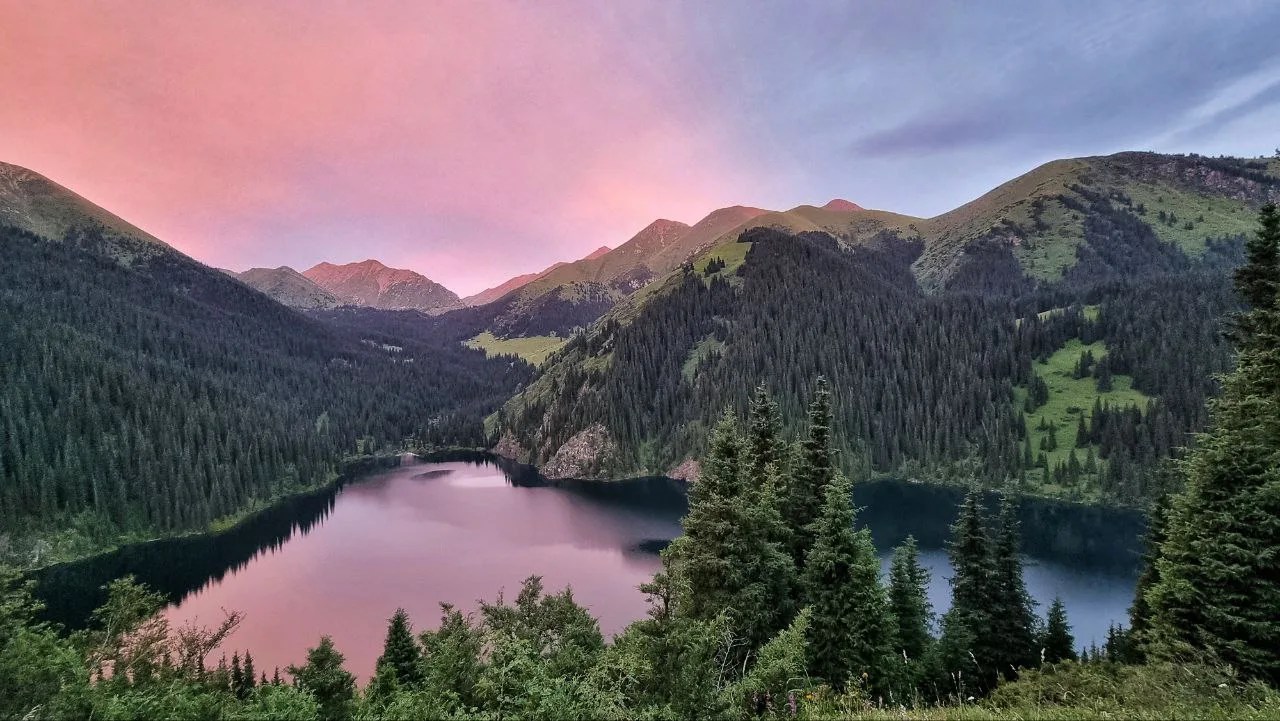
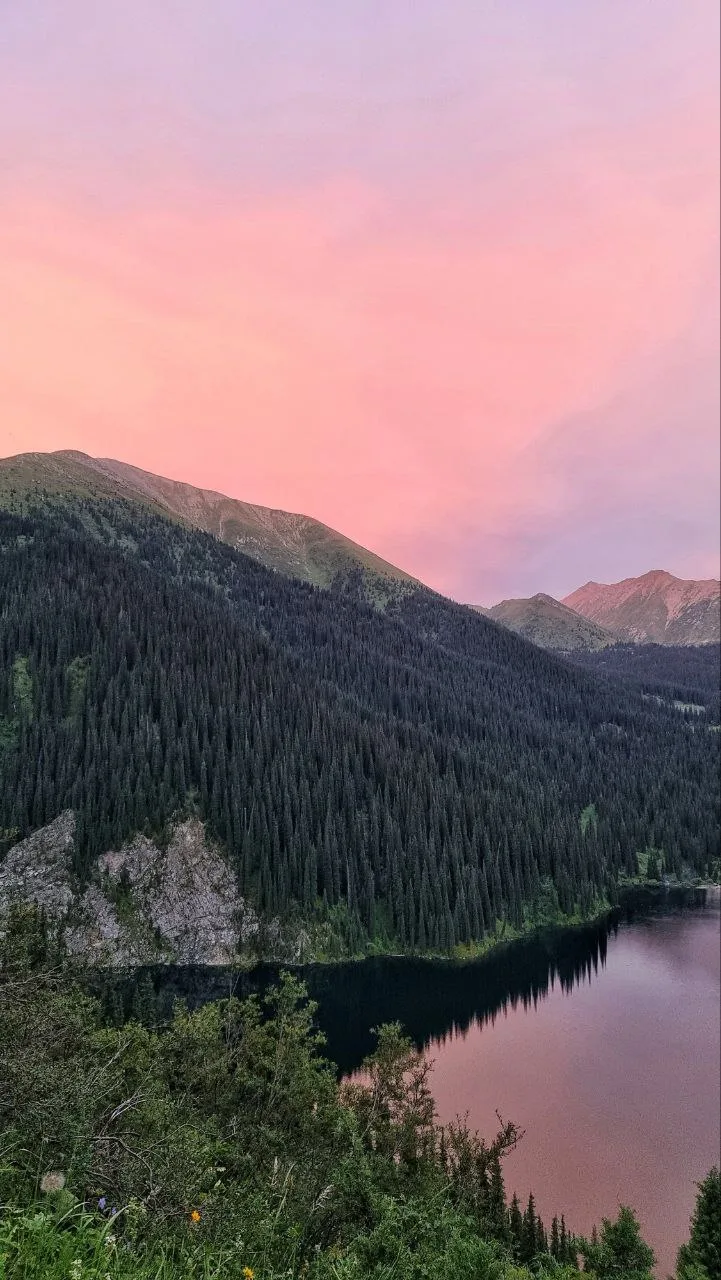
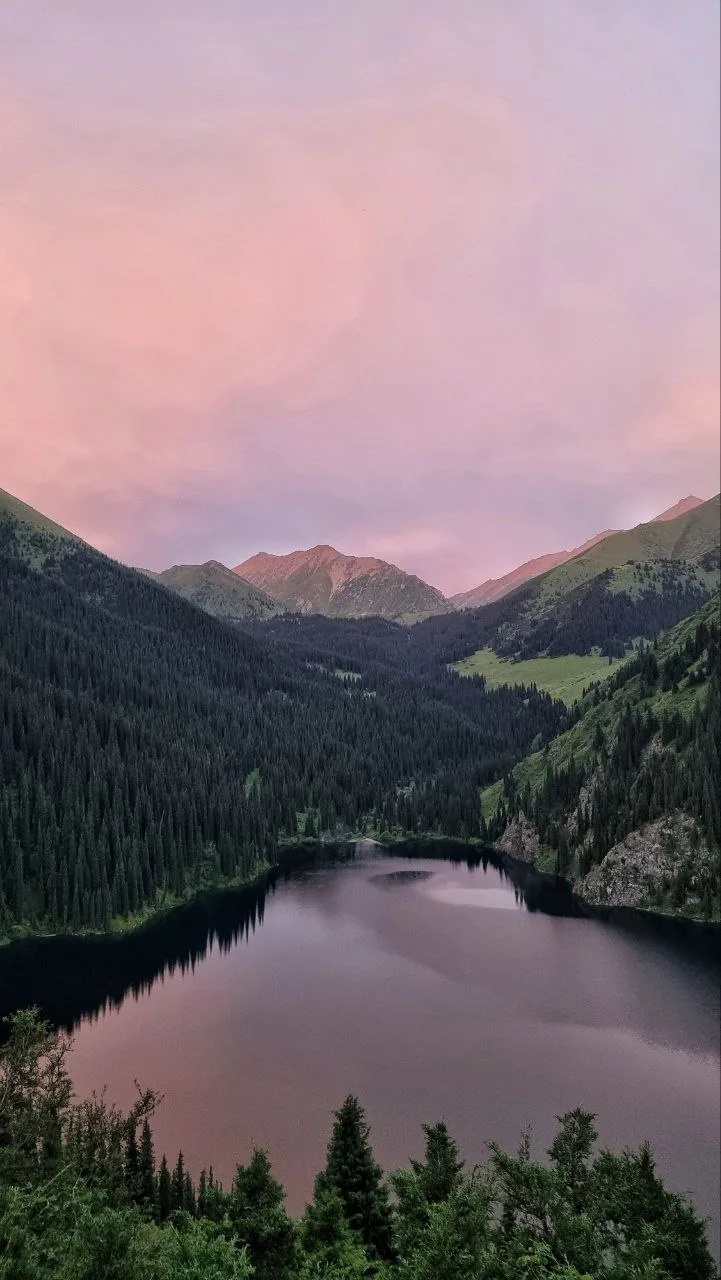
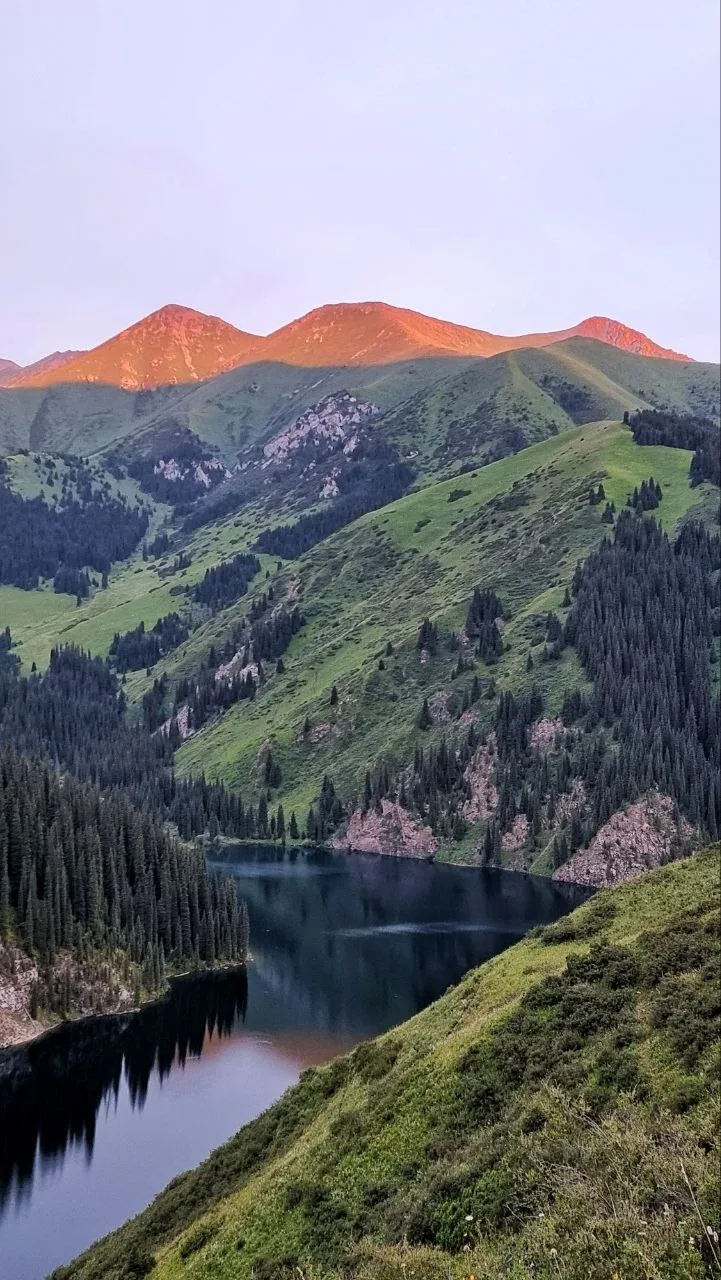
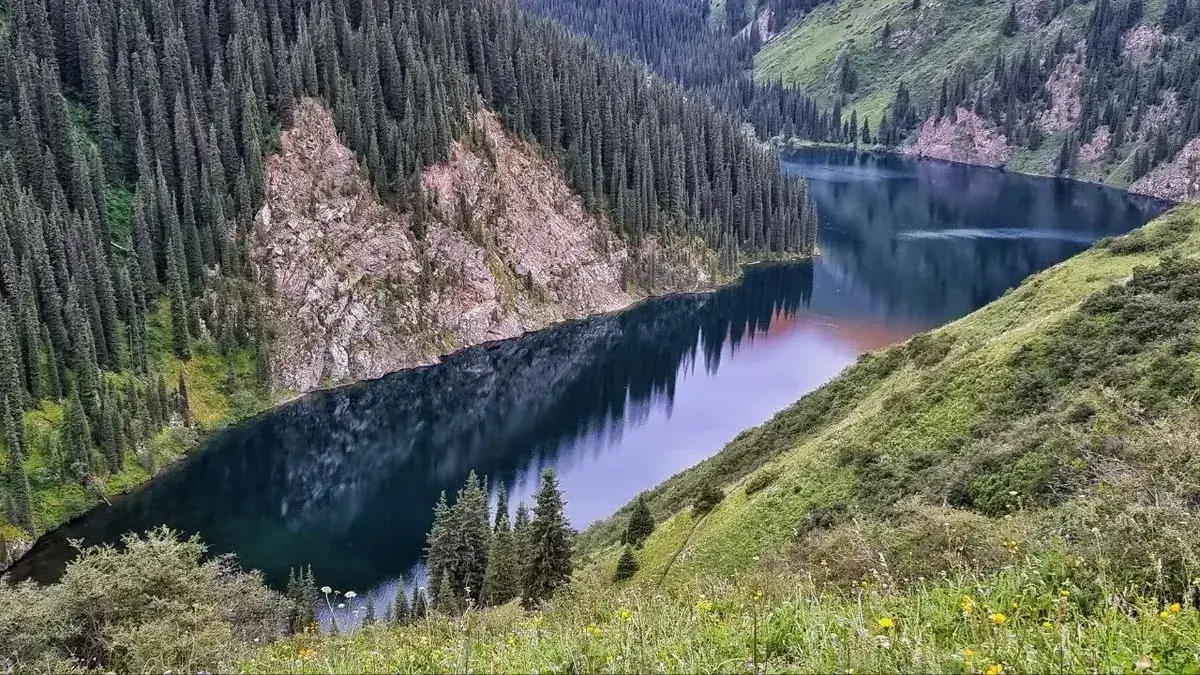
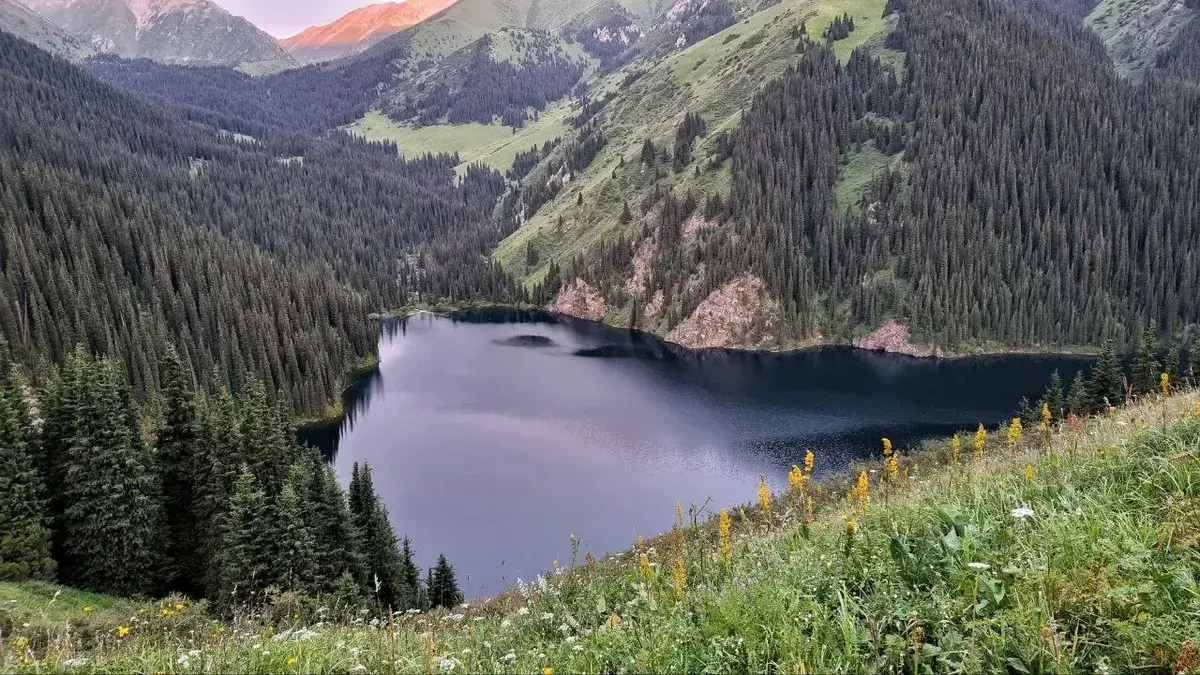
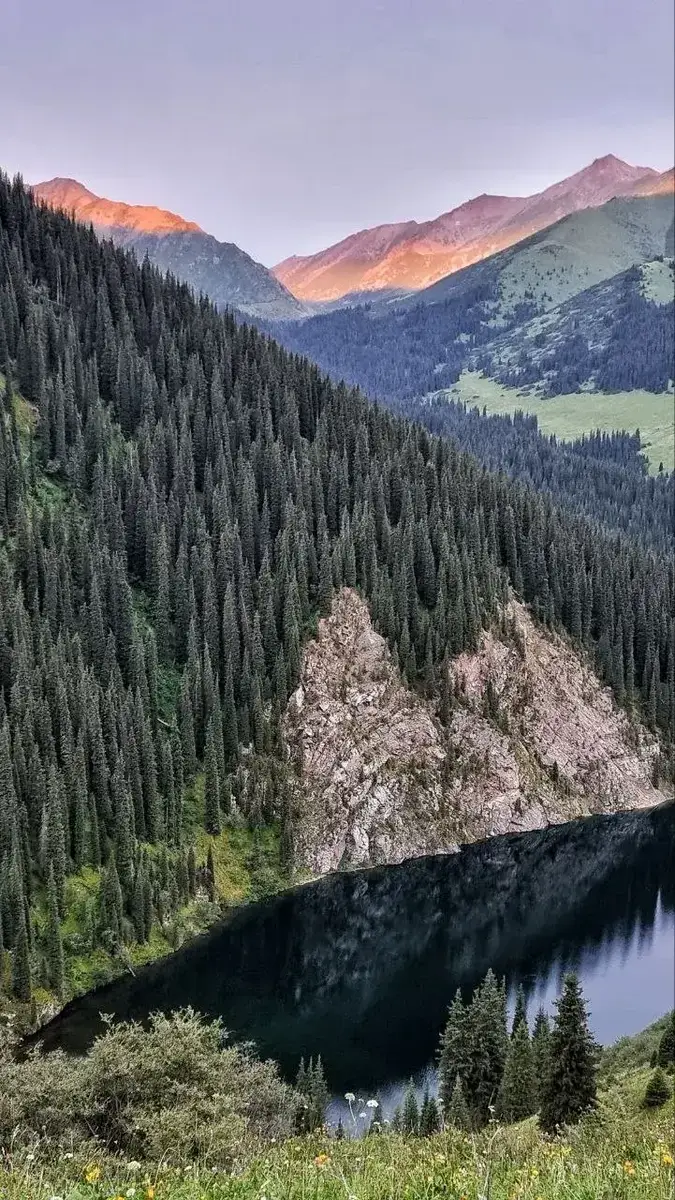
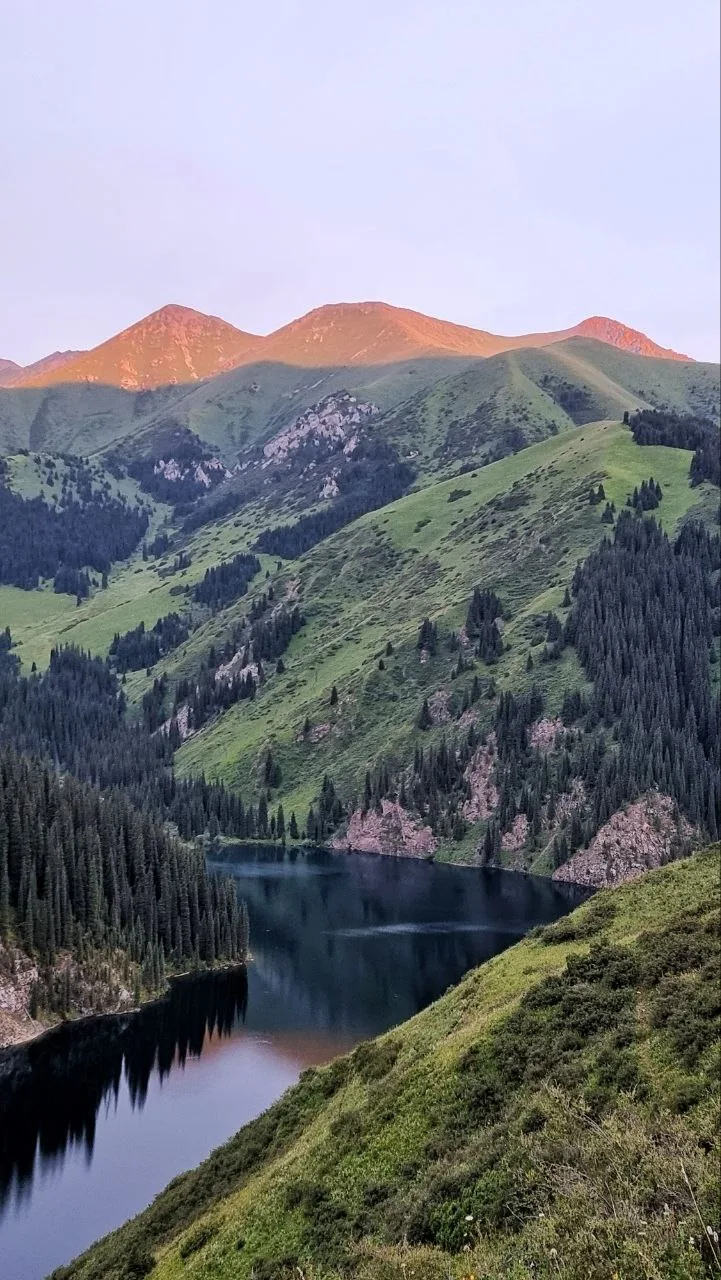
Many hikers camp overnight at Kolsai-2 on their way to Kolsai-3. Nataliia (her Instagram), a member of our mountain hiking community, took some beautiful sunrise photos at the lake:
Hiking from Kolsai-2 to Kolsai-3
- Distance: +3.8 km from Kolsai-2
- Elevation gain: 430 m relative to Kolsai-2
- Overall difficulty: moderate
- Hiking time: 3.5–5 hours from the second lake
- You'll need: a tent, warm clothes, a map, and experience
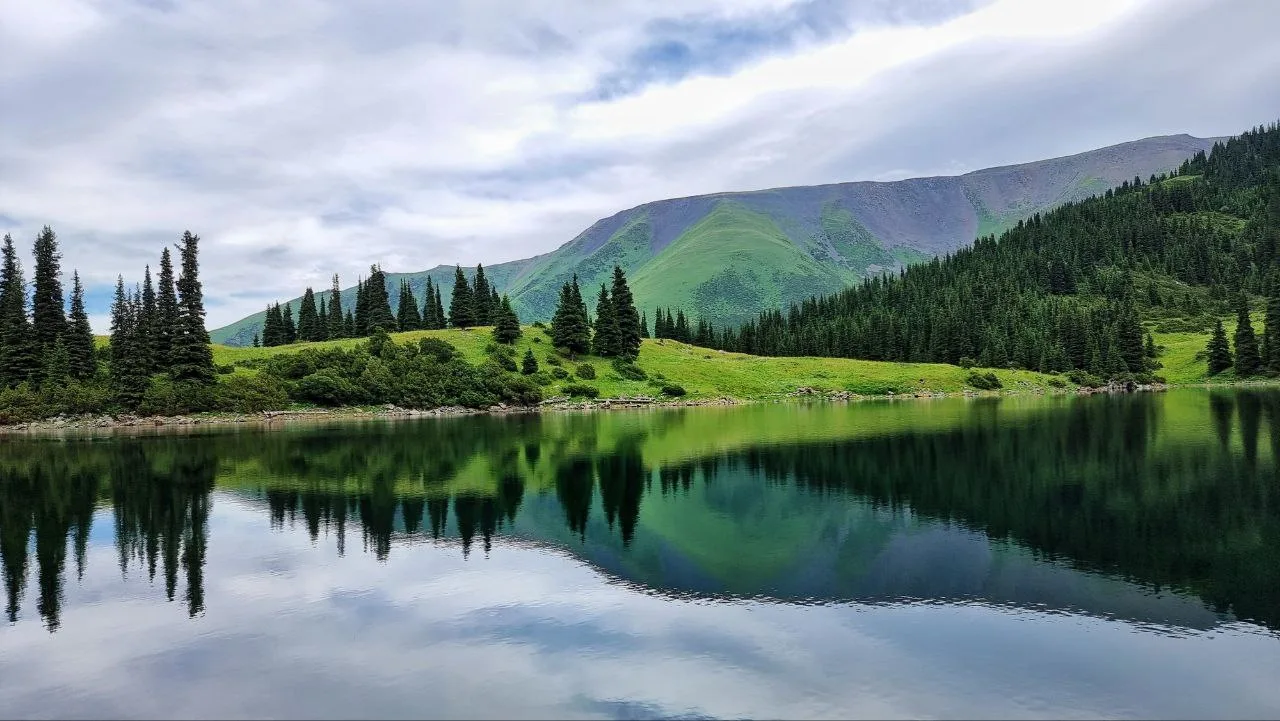
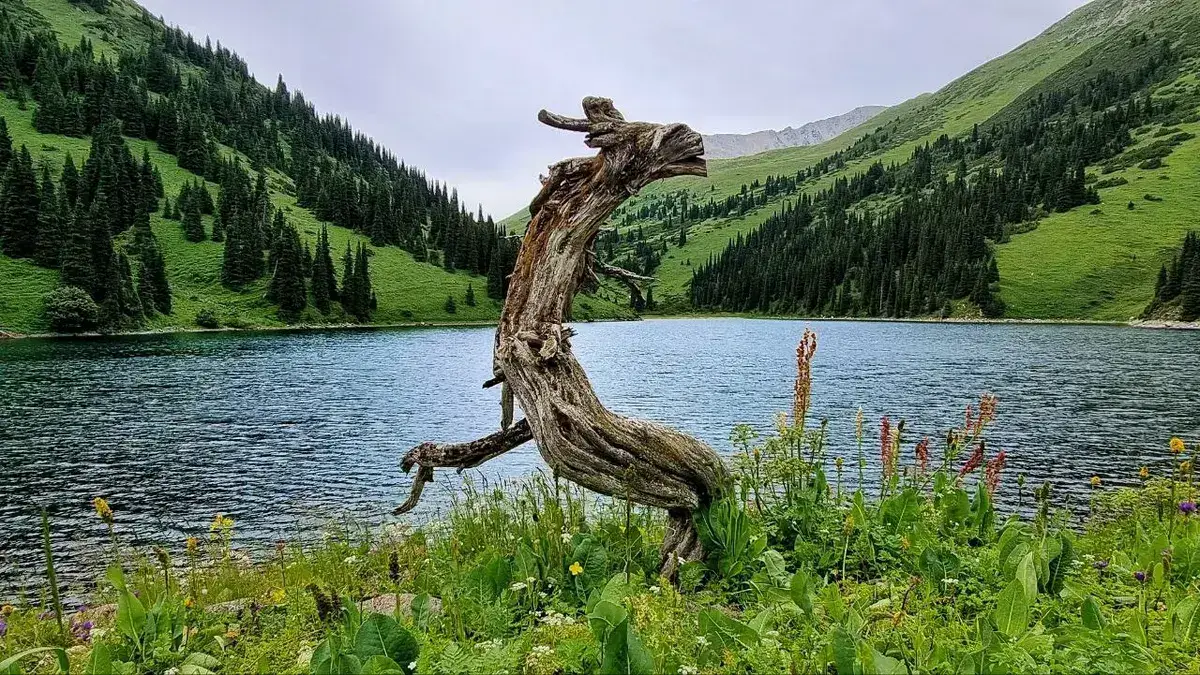
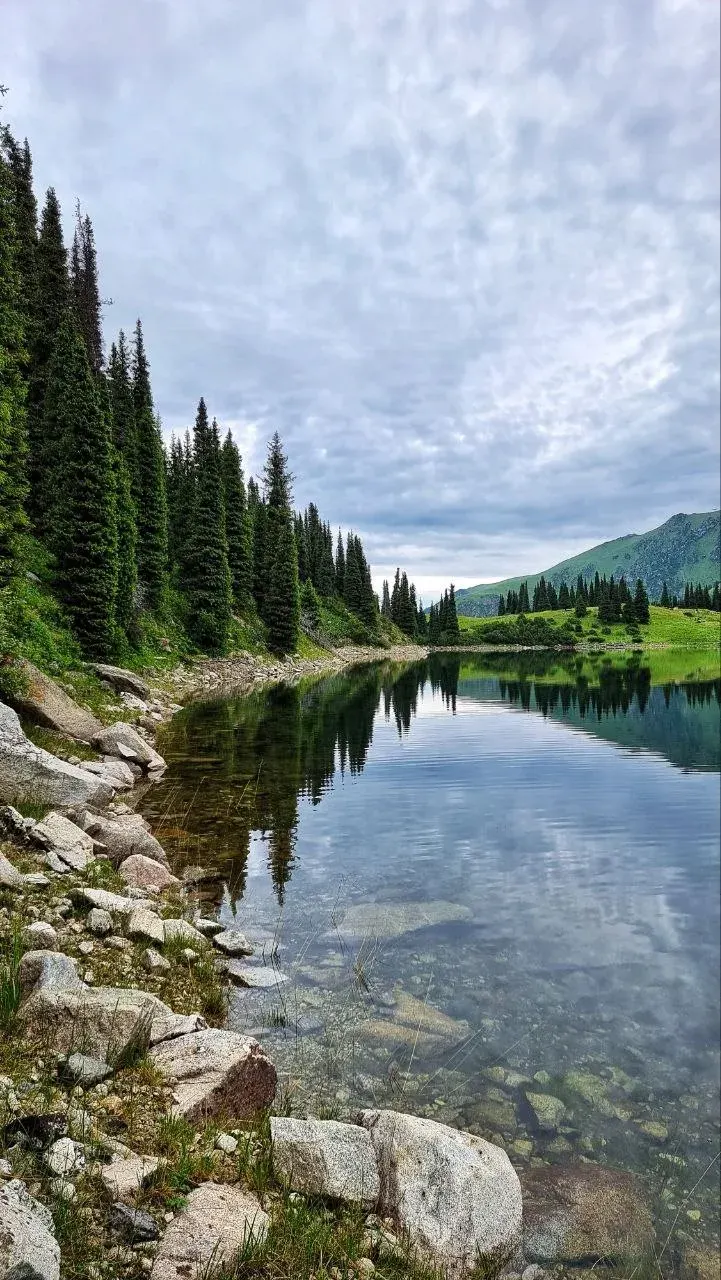
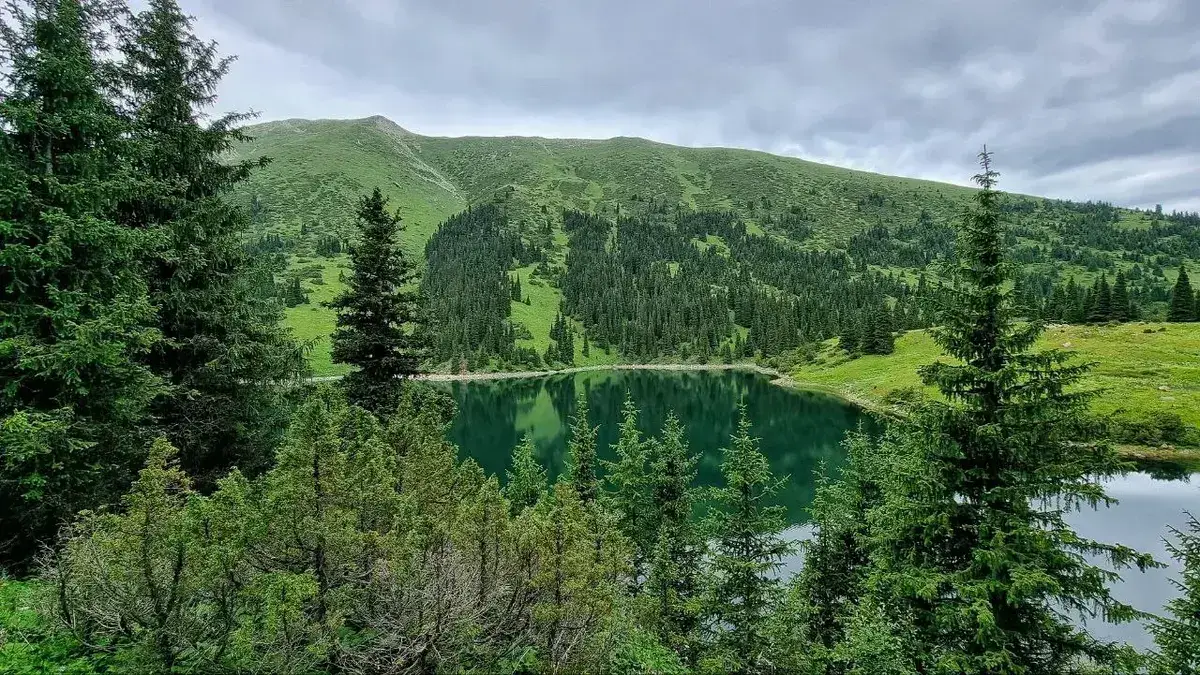
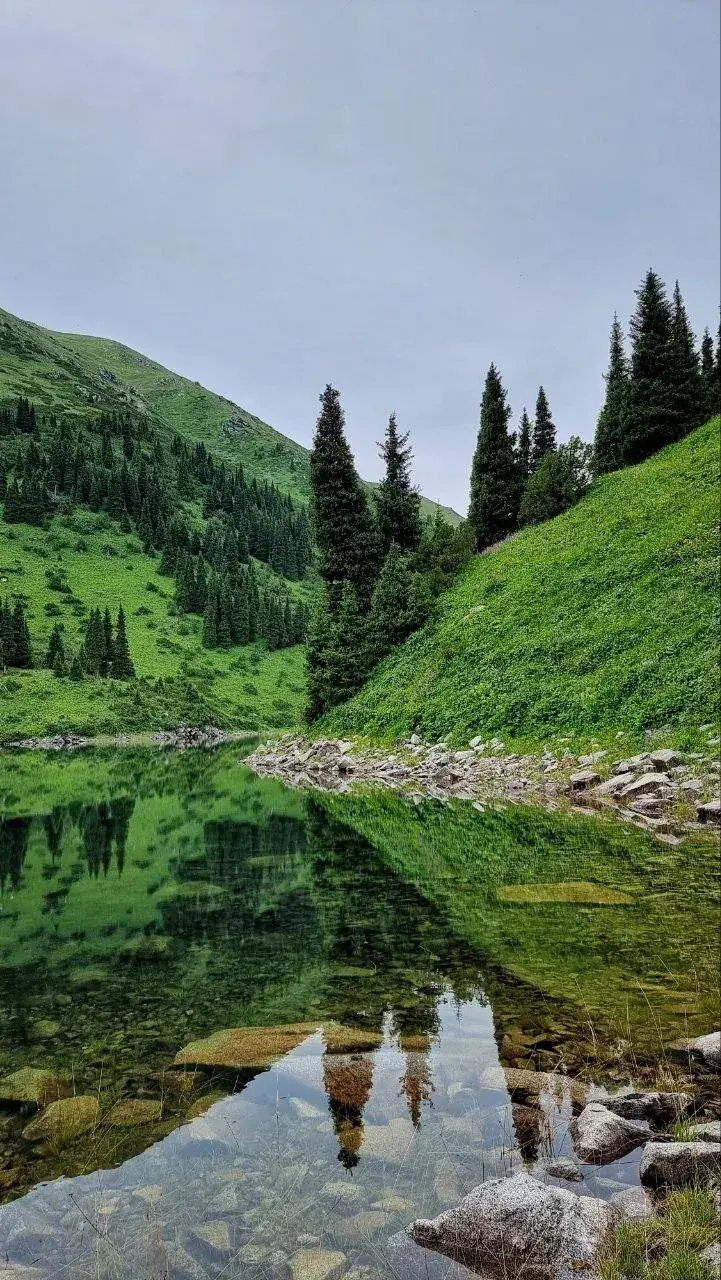
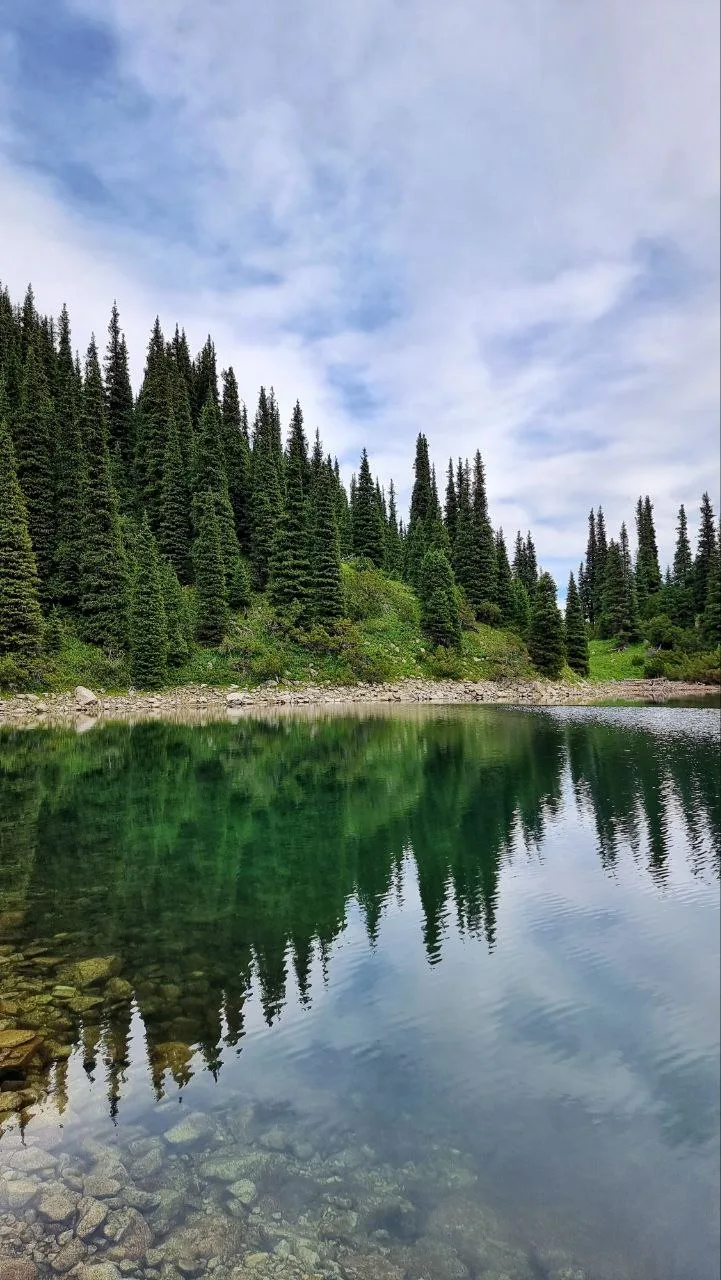
Kolsai-3 is a remote gem that can only be reached as part of a full multi-day hike with an overnight stop, since the trail starts from Kolsai-2. The route goes deeper into the mountains, with steep ascents and rocky sections.
The lake sits almost on the border with Kyrgyzstan, so make sure to bring your passport. The trip requires good physical fitness and self-sufficiency. There are no food sources along the way — just natural water and wilderness. It's strongly recommended to go in a group.
Here are some photos of the lake, also taken by Nataliia, a member of our mountain hiking chat:
Best time to visit Kolsai: seasons, weather, climate
Weather at the Kolsai Lakes
Climate
The Kolsai Lakes are located in a mountainous area, which shapes their climate. Weather here can be quite different from what you'd expect in Almaty. Even in summer, temperatures can be cool, especially at night.
We recommend checking the weather forecast on specialized websites before your trip. Here's how to do it right:
- Ideally, check not just the general forecast but also the hourly breakdown.
- Also keep an eye on forecast changes. Mountain weather is unpredictable — the forecast can shift between 3 days out, 1 day out, and the morning of your trip. Rain might move from one day to another or stretch out longer than expected. This can affect your plans.
Lighting
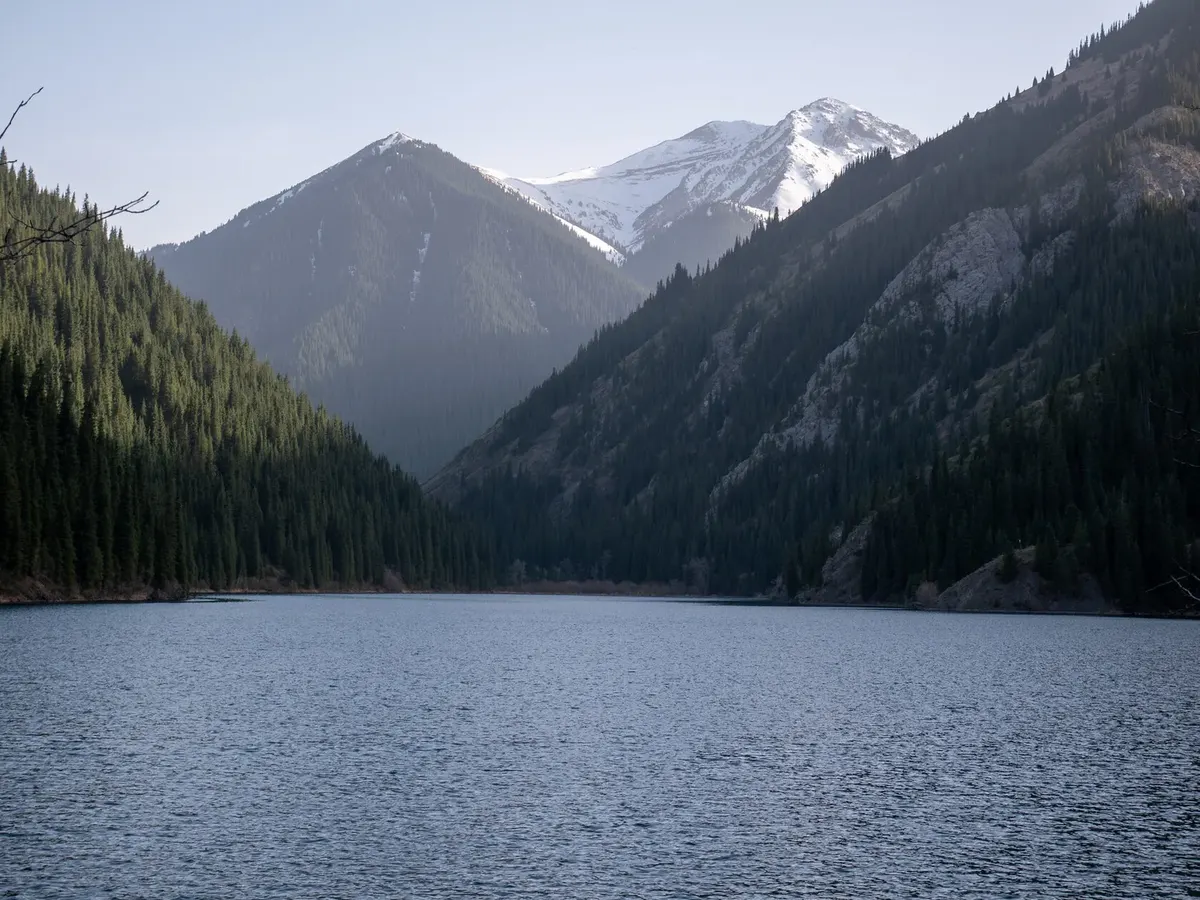
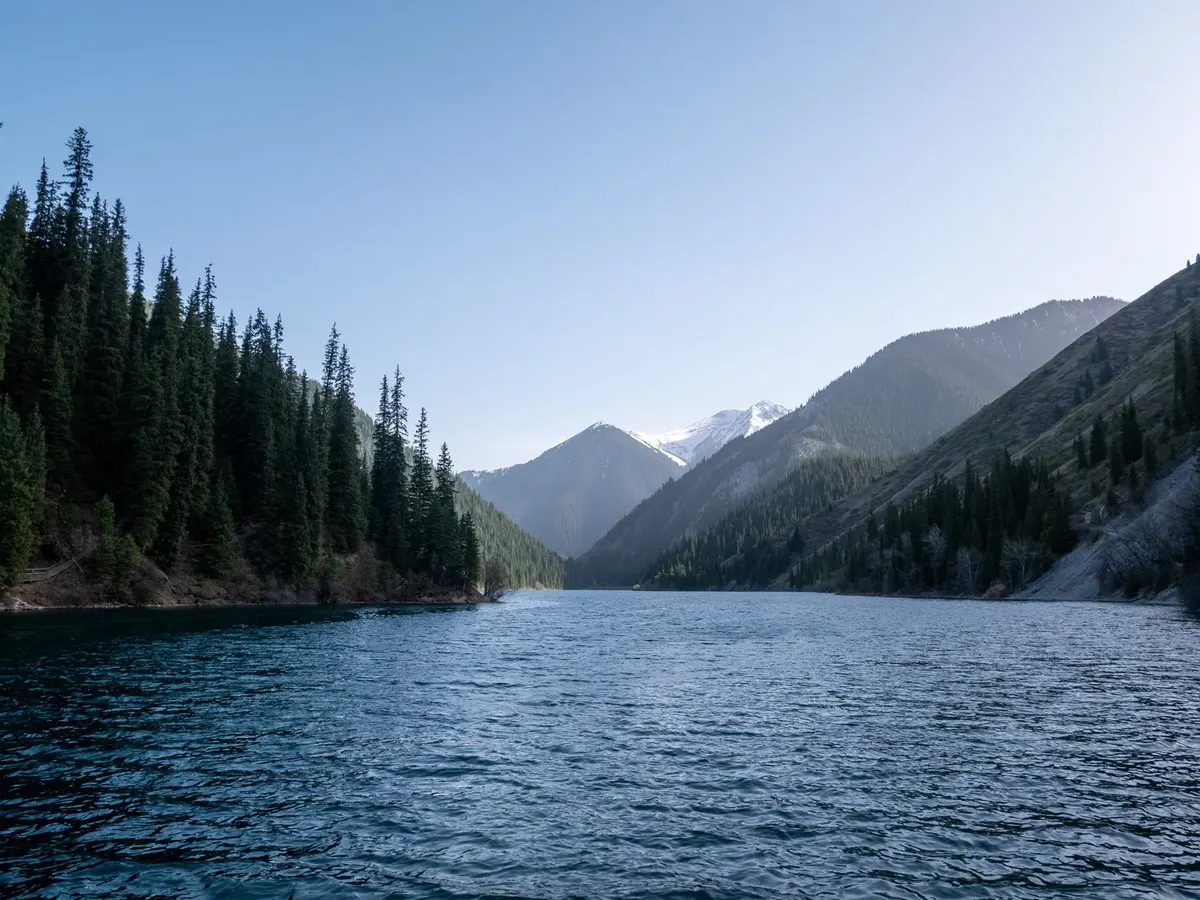
Due to the mountain terrain, shadows fall on the lakes fairly early — well before sunset. If you want to enjoy sunny landscapes and take vibrant photos, plan to visit the lakes in the first half of the day.
Summer (June – August)
Summer is the best time to visit the Kolsai Lakes. Daytime temperatures reach 20–25°C, while nights drop to 10–15°C.It's the perfect period for hiking, boating, and fishing.
Autumn (September – November)
Autumn brings vibrant colors and a calm atmosphere. In September, daytime temperatures are around 15–20°C, in October — 10–15°C, and in November — 5–10°C. Nights get noticeably colder, with possible frost.There are significantly fewer tourists during this time.
Winter (December – February)
Winter isn't the peak season for Kolsai, but you can still visit. Most of the time the lakes are covered in ice and snow. Daytime temperatures often drop below 0°C, and nights can reach -15°C or lower.Keep in mind that the road to the lake gets icy, which limits your transport options.
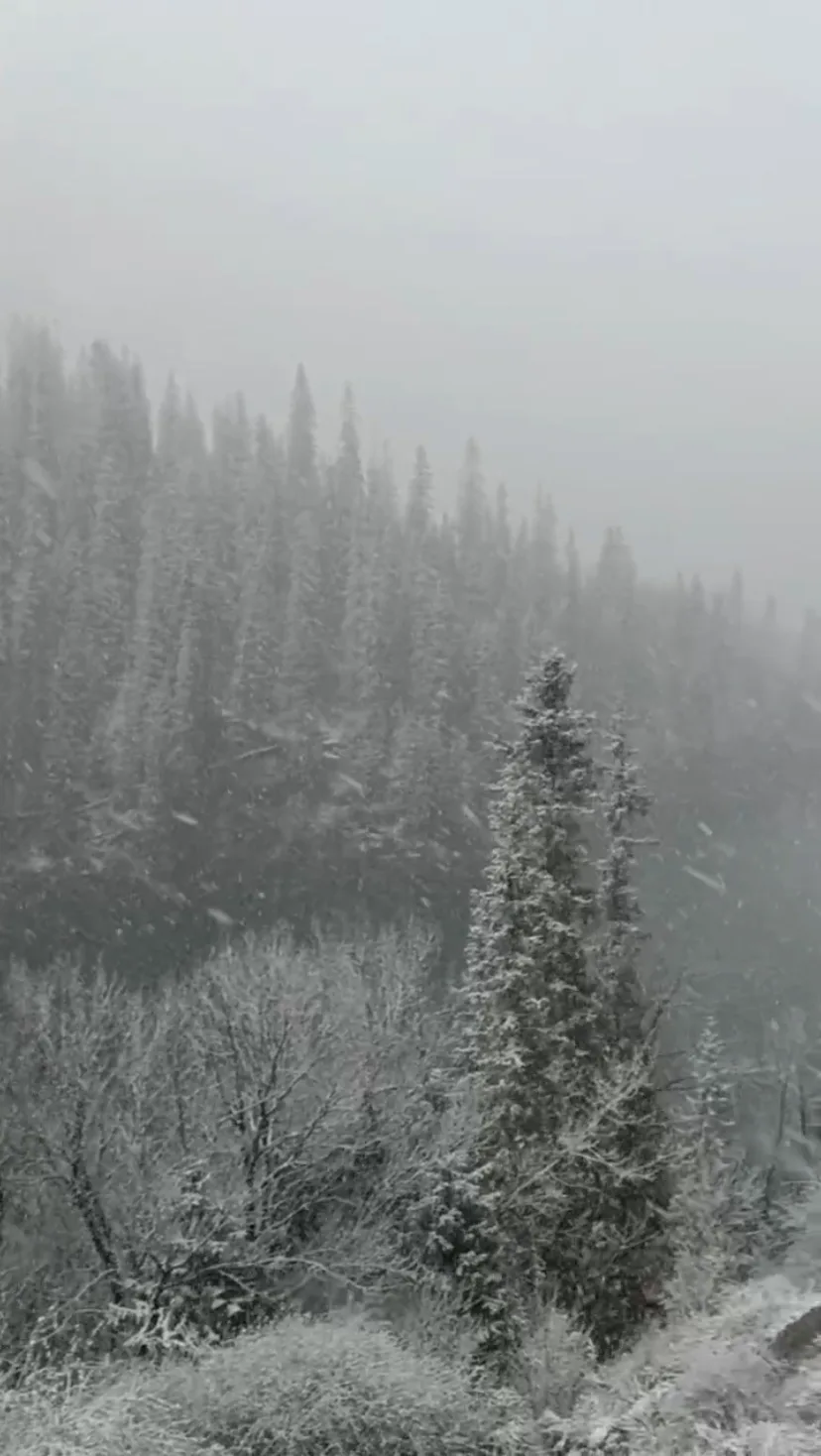
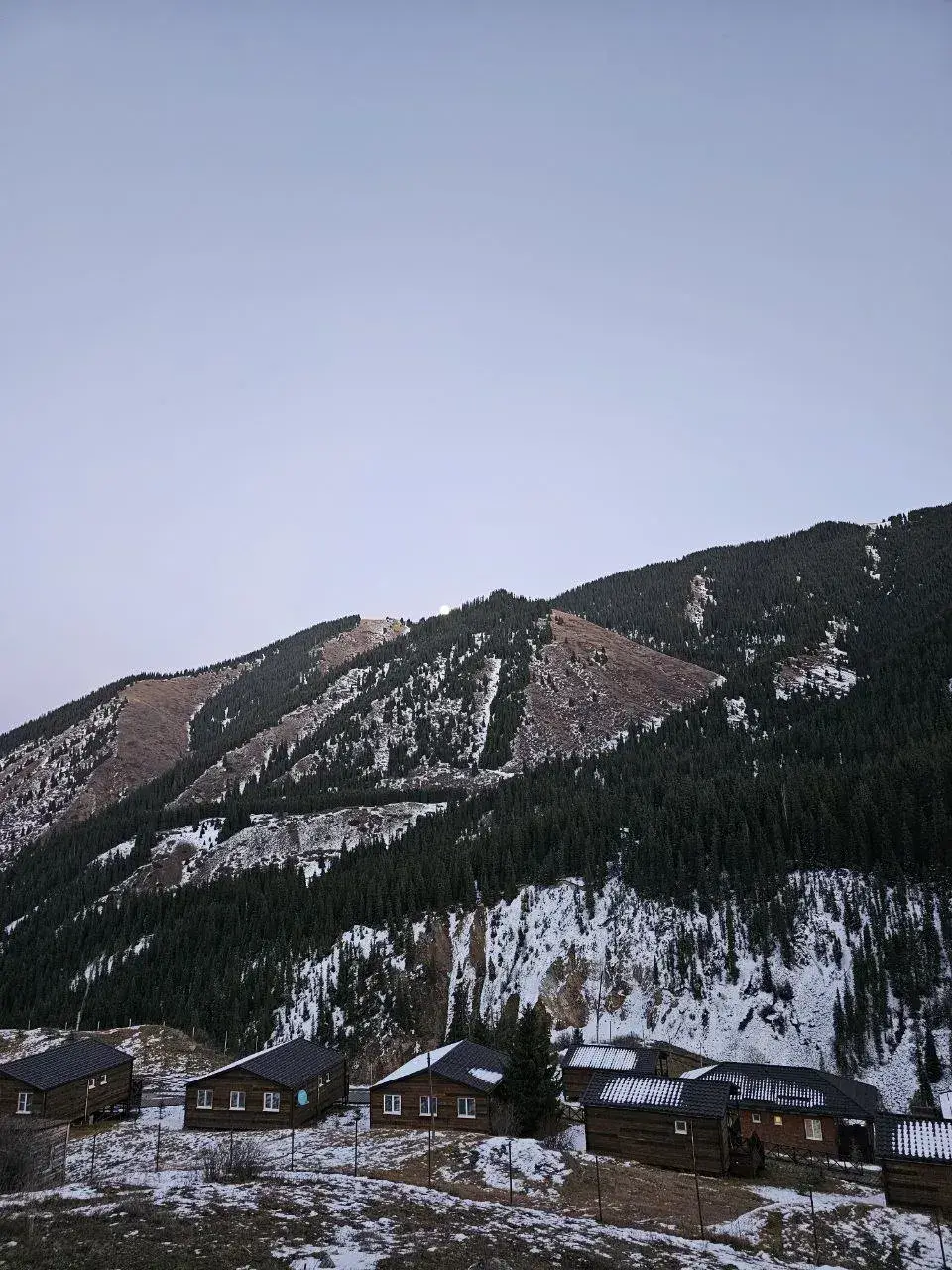
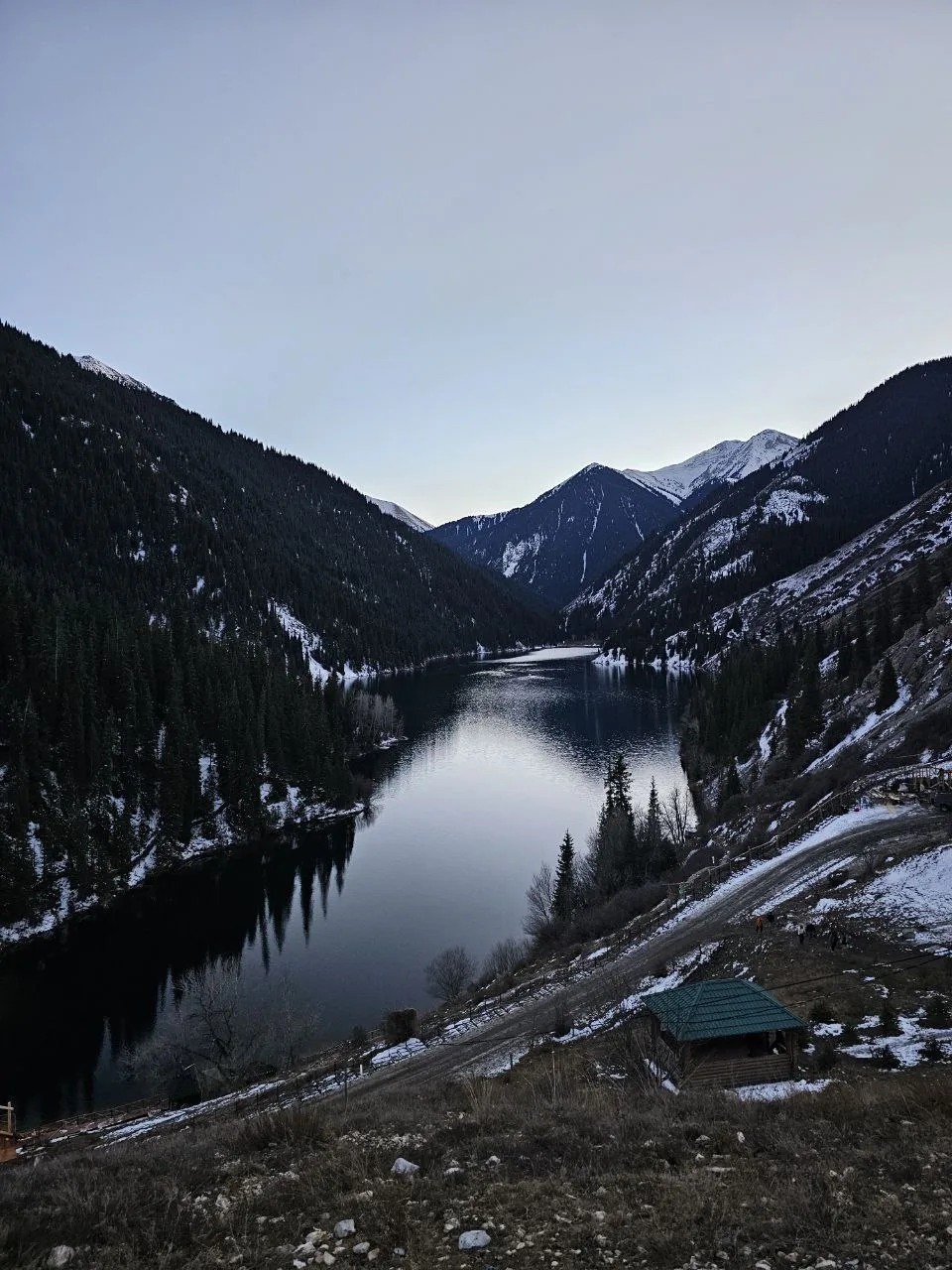
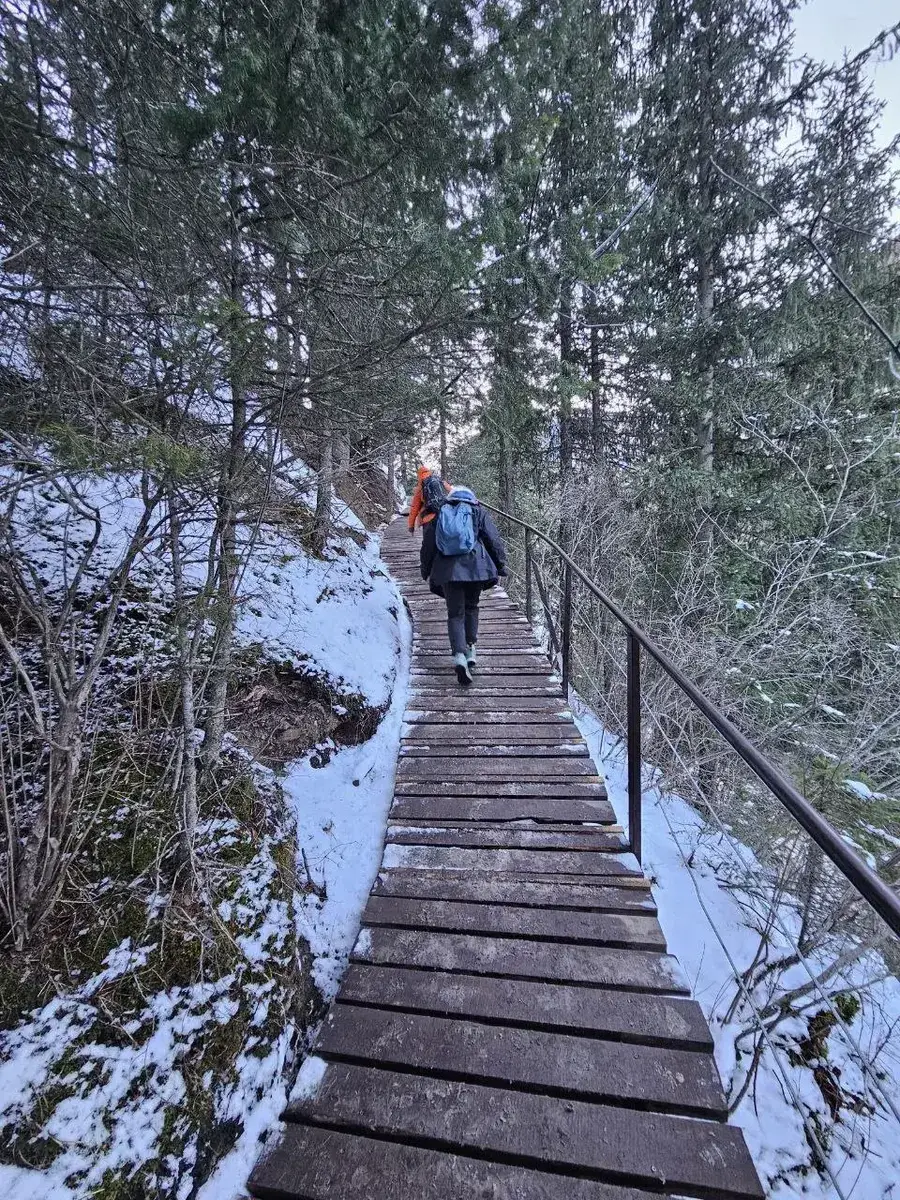
Spring (March – May)
Spring is when nature wakes up and everything starts to bloom and turn green. But in the mountains, this season comes late.In March, the average daytime temperature is around 5°C, in April it rises to 10–15°C, and in May it can reach 20°C. Nights remain cold, especially in early spring. Rain and snow are possible.
Tours to Kolsai: how to choose
Tour formats
Most tours to Kolsai differ by the number of locations per day and the type of transport.Here's a quick table to help you navigate the formats:
What to watch out for
Many Almaty-based tour companies compete not on service quality, but on the number of locations and the lowest price. They run tours where you visit 4–6 places in one or two days for a bargain. Sounds great, but in practice it often means:- departure at 6 AM and getting back late at night;
- very little time at each spot (sometimes less than an hour);
- shabby buses, broken air conditioning;
- poor organization (delays, inconvenient meal and restroom stops);
- inexperienced guides;
- too large a group with just 1 guide.
How we do tours
Our core value at Enjoyers Travel is comfort. Here's what that means:- Comfortable and safe vehicles — We provide a VIP cabin with comfy seats and seatbelts. Chill background music plays during the ride. In summer, the AC is running; in winter, the heater.
- No rushing — We don't try to cram 5 locations into a single day. We want our guests to not just snap a photo and move on, but to actually have time to soak in the moment. That's why our group trips cover 1–2 locations.
- Experienced team — We work with qualified guides who have 5+ years of experience and can share fascinating stories as well as handle any tricky situation. Every stage of the tour follows a refined process that we monitor to ensure guest comfort.
- Thoughtful details — We bring water, tea, coffee, and cookies for our guests. Depending on the program, we hand them out on the bus or set up a picnic at the location. We avoid early departures when possible and choose stops with proper restrooms (available at most locations).
For group tours, we currently offer a Charyn + Kolsai trip, and we're about to relaunch our Kolsai + Kaindy tour.
Where is Kolsai located
The Kolsai Lakes are in Kazakhstan, in the Almaty Region, within the Kolsai-Koldery National Park, about 300 km from Almaty, near the Kyrgyz border.The nearest settlement is Saty — a village where locals live and where you'll find plenty of guesthouses for tourists.
How to get there from Almaty on your own
Distance to Kolsai: how long is the drive
The drive takes 4.5–6 hours one way, depending on the weather and road conditions. The road is paved almost the entire way. The last few kilometers are gravel, but passable for regular cars.Route: Almaty → Kapchagay → Shelek → Saty → Kolsai-1
We recommend plotting your route to Lower Kolsai Lake on a map: Google Maps, 2GIS, Yandex Maps.
If you're using 2GIS, don't rely on the travel time it suggests — in Kazakhstan, it doesn't always calculate it accurately.
How to get there: car, buses, rideshares
- You can drive all the way to the lake by car.
- There are regular buses to Shelek or Kegen, then you'll need to hitchhike or rent a car. It's less convenient but more budget-friendly.
- You can try finding a ride through InDrive (a rideshare app popular in Central Asia) or a taxi, but there's a risk of not finding a driver for the way back. You can also arrange for a taxi to wait for you, but that'll cost more.
Kolsai entrance fees (updated for 2025)
Visiting Kolsai Lake requires a fee, since the area is part of the Kolsai Lakes National Park. The funds go toward maintenance, cleaning, and protecting the natural zone.Rates get updated, sometimes several times a year. So it's a good idea to bring some extra cash just in case prices have gone up.
Here are the official rates as listed in the government decree:
- Pedestrian entry: 0.2 MCI (Monthly Calculation Index, a standard unit for fees in Kazakhstan) — 786.4 KZT (~$1.60).
- Motorcycles, mopeds, ATVs: 0.4 MCI — 1,572.8 KZT (~$3.15).
- Passenger cars: 0.7 MCI — 2,752.4 KZT (~$5.50).
The national park website has a price list, but we can't guarantee it always shows the latest rates.
Where to stay near Kolsai and how much it costs
If you want to stay overnight at Kolsai, you've got a few options:1. Camp in a tent within the park grounds near Kolsai-1 or Kolsai-2.
2. Rent a cabin, a room, or a yurt (a traditional Central Asian felt tent). The most options are in the village of Saty; closer to the lake there are options in Kurmenty; and the most conveniently located ones are right at Kolsai-1.
Comfortable rooms cost on average 40,000–75,000 KZT (~$80–150) per night, depending on the day of the week and the type of accommodation. Either way, be prepared — service quality is pretty basic almost everywhere.
We recommend using Google Maps to browse accommodation options by distance from the lake. Prices aren't usually listed there, but the reviews and photos are more honest, so you can quickly rule out some options.
Once you find something you like, you can look them up on Instagram, on Booking, or even find a discount on Choco (a popular Kazakh booking service).
What to pack: tips from experienced guides
For a regular trip to Kolsai-1
If you're planning a day trip or a short stay with a night in a cabin, here's your basic packing list:- Comfortable walking shoes (sneakers or hiking boots)
- A windbreaker/rain jacket and a warm layer (it gets chilly in the evening)
- A hat or cap, sunscreen, sunglasses
- Water (1.5–2 L per person), snacks
- Cash (there are no ATMs)
- Charged phone, power bank
- ID/passport
- Travel insurance (if you have it)
For the hike to Kolsai-2 and Kolsai-3
For those heading out on a 2-day trek:- Backpack, 50–70 L
- Sleeping bag (rated to -5°C) and sleeping pad
- Compact sit pad
- Camp cookware: mug, spoon, bowl, knife
- Gas stove and pot (one per group)
- Headlamp + spare batteries
- Rain poncho
- Light gloves, a buff or scarf
- Change of footwear (sandals or sneakers)
- Trekking poles
- Layered clothing: base layer (top and bottom), fleece or hoodie, insulated jacket, light pants and warm pants for the evening
- Change of underwear and socks (including warm ones)
- Toiletries and a lightweight towel
- ID/passport and cash
Final thoughts
Kolsai is a place that reveals a whole new side of Kazakhstan's nature: the silence, the grandeur of the mountains, the transparent lakes, and the feeling of being somewhere truly remote make this trip unforgettable.Learn more about our programs: