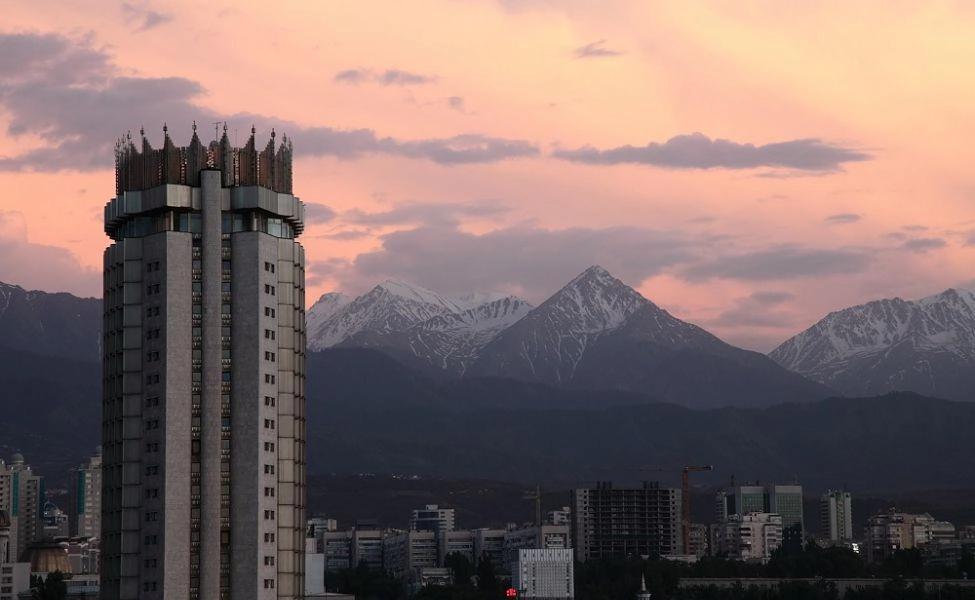
Many people come to Almaty for the mountains and nature — and rightly so. But the city itself is worth a couple of days on its own. There's plenty to see, eat, and do in the evenings.
This guide covers everything worth checking out in Almaty proper: parks, bazaars, museums, bathhouses, viewpoints. With prices, maps, and an honest take on whether it's worth your time.
Prices are approximate, current as of the article's publication date (March 2026). Double-check details before your trip.
Walking around the city
Panfilov Park and the Zenkov Cathedral
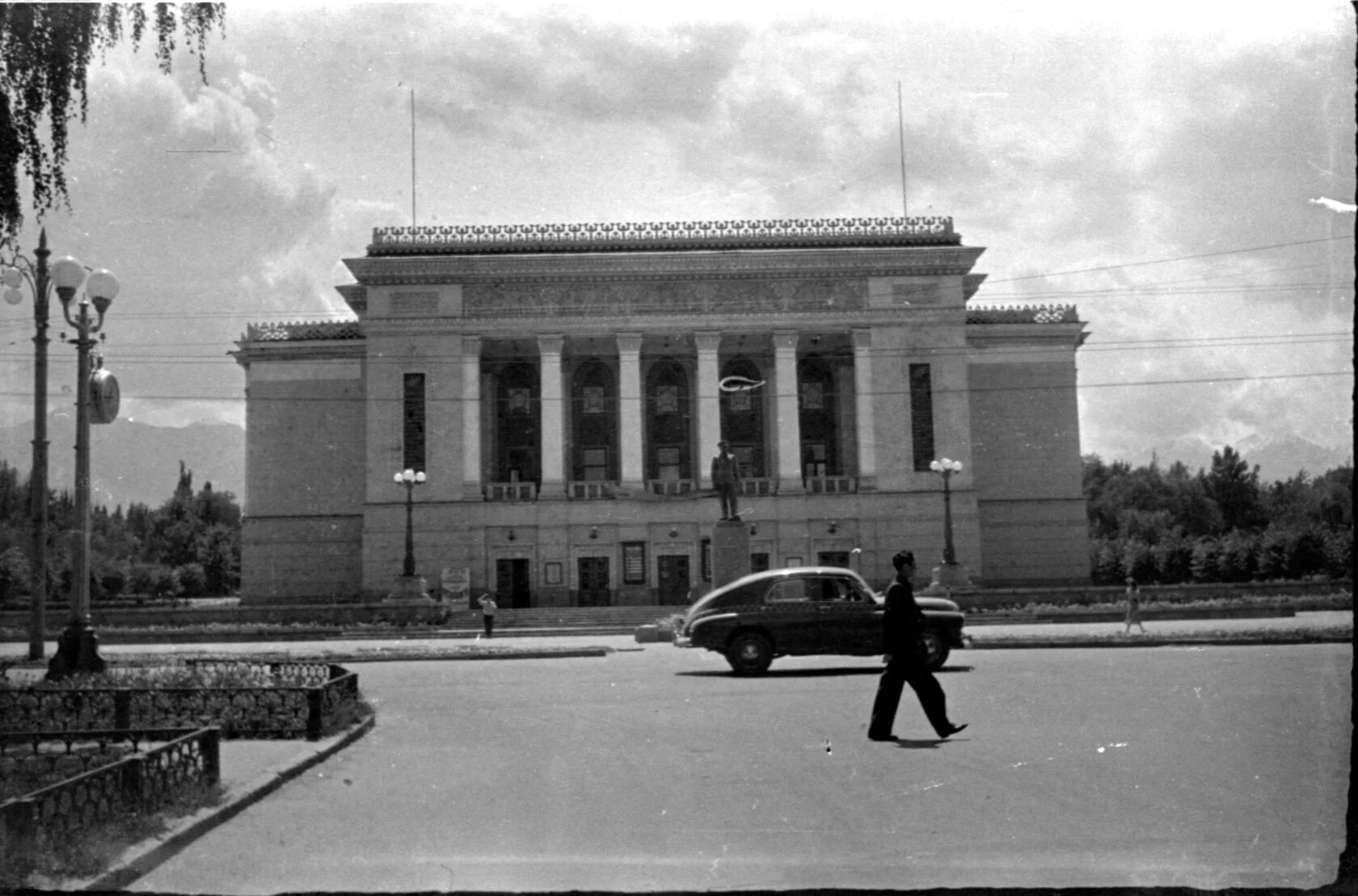
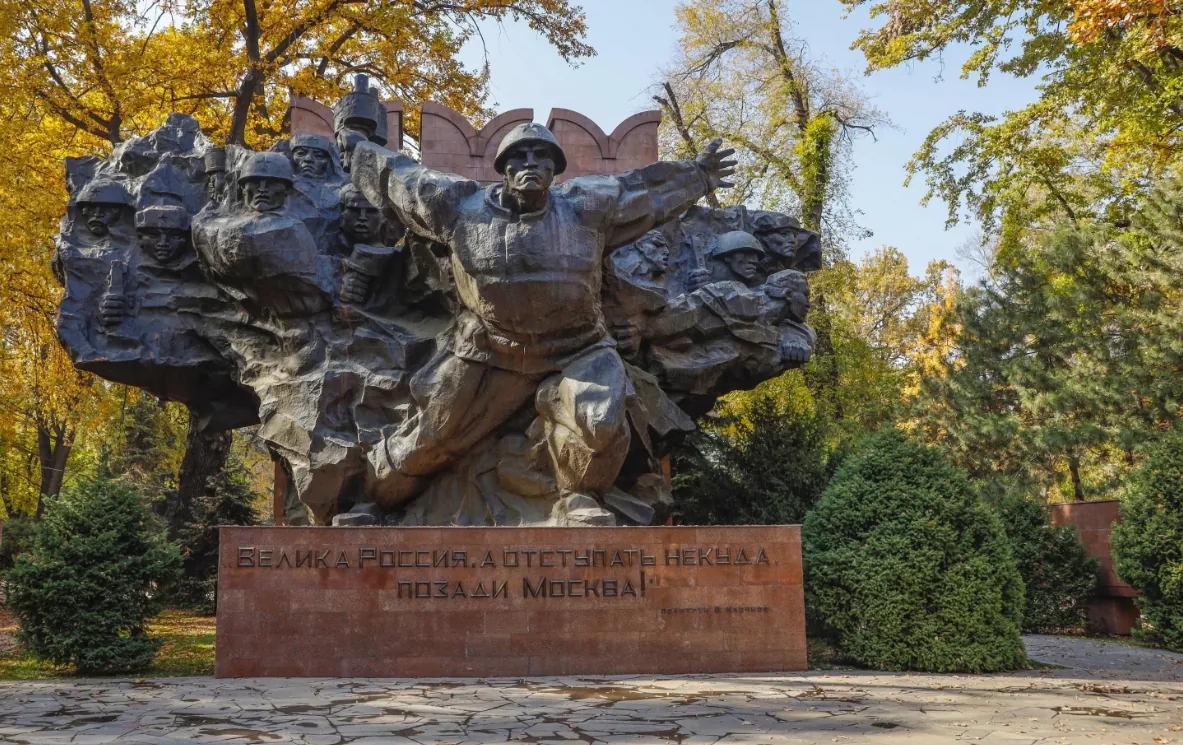
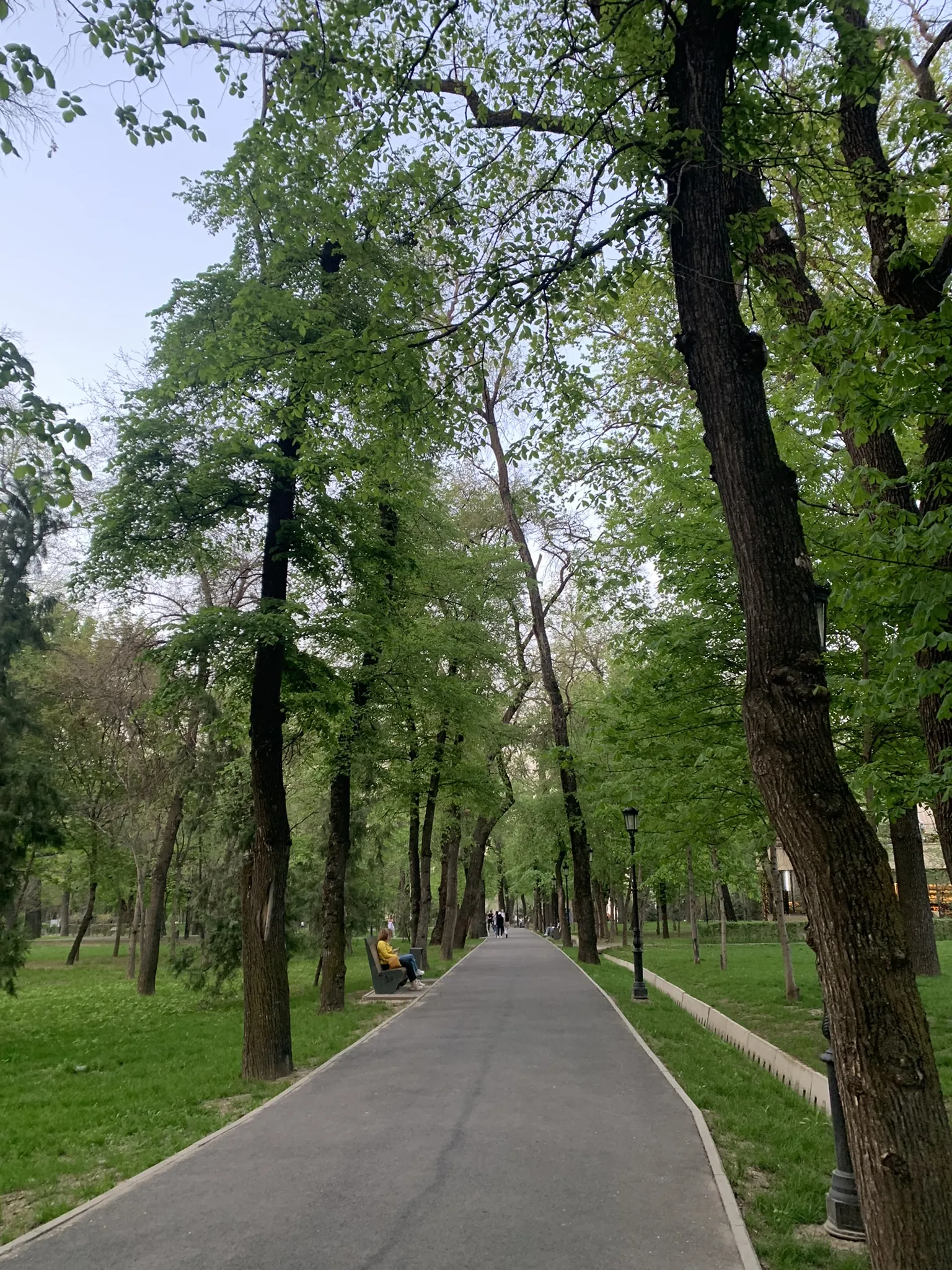
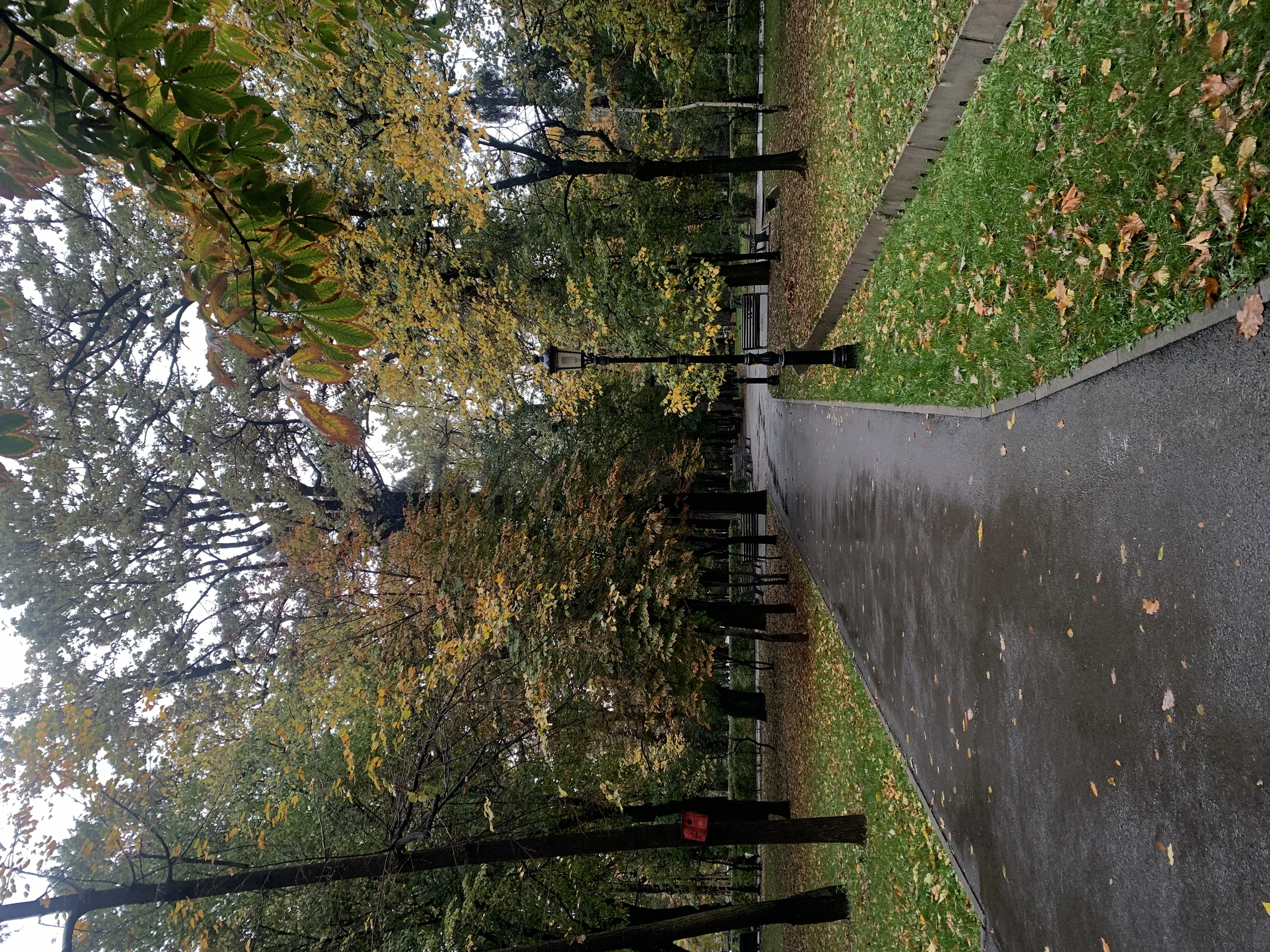
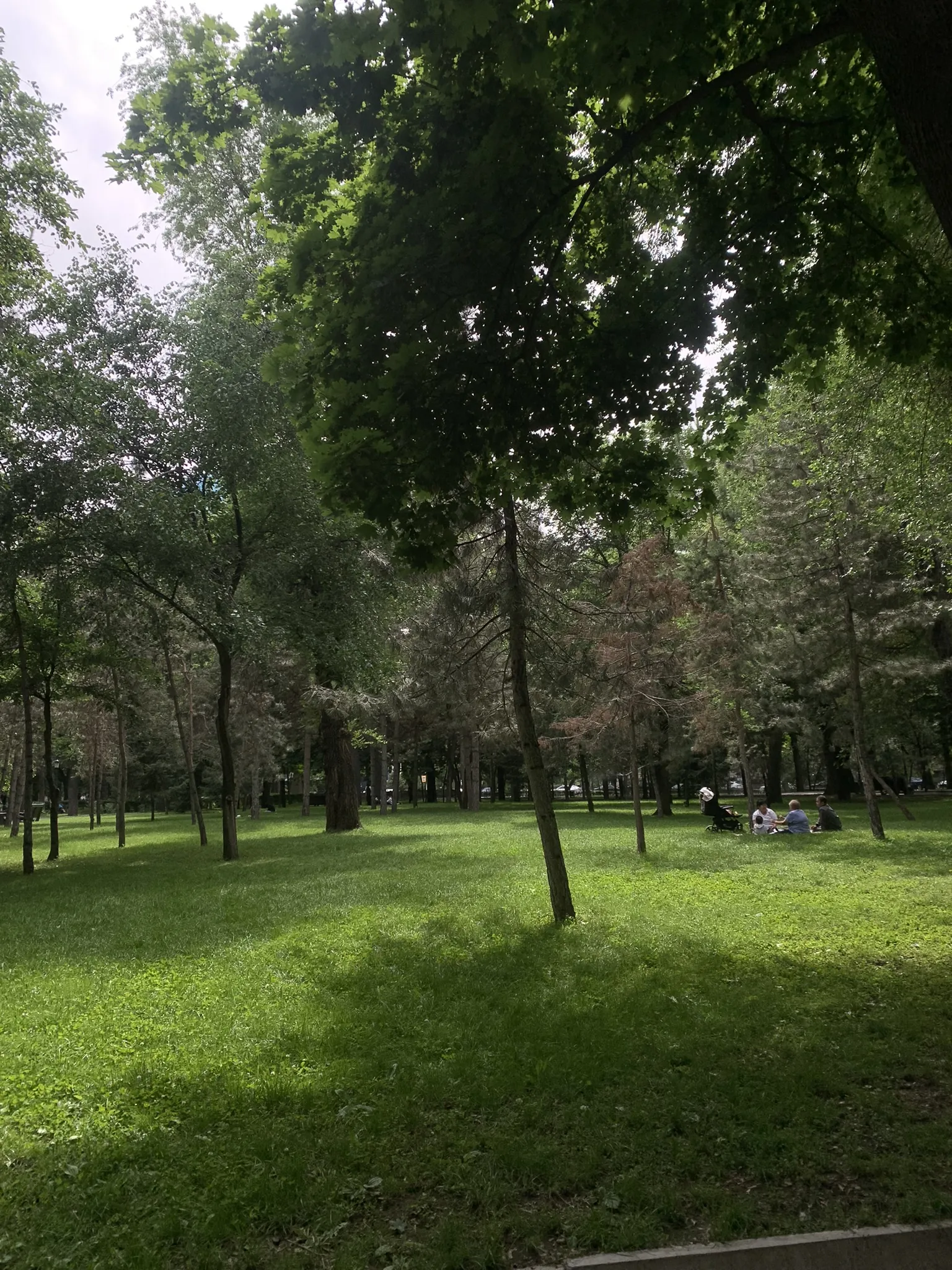
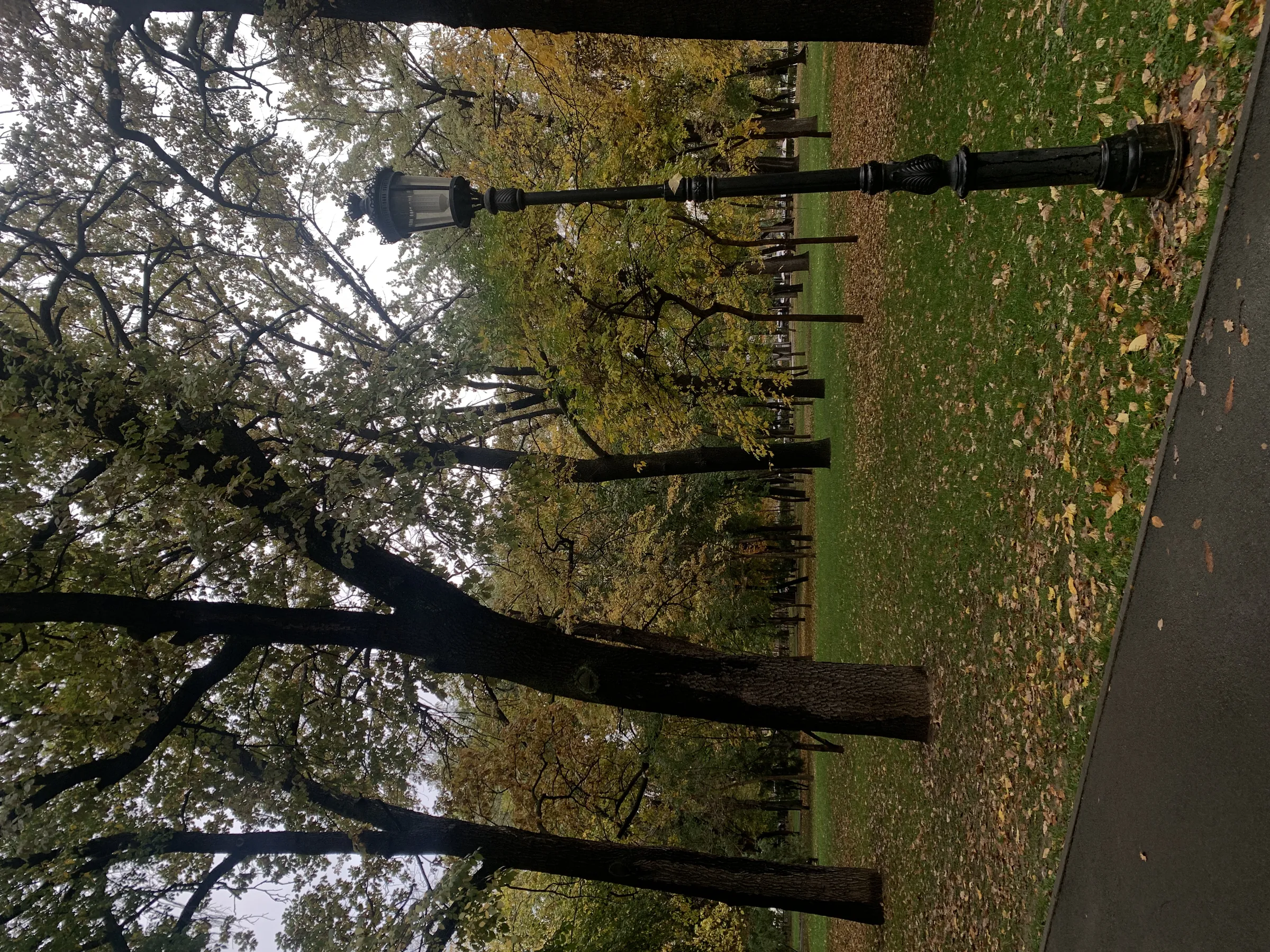
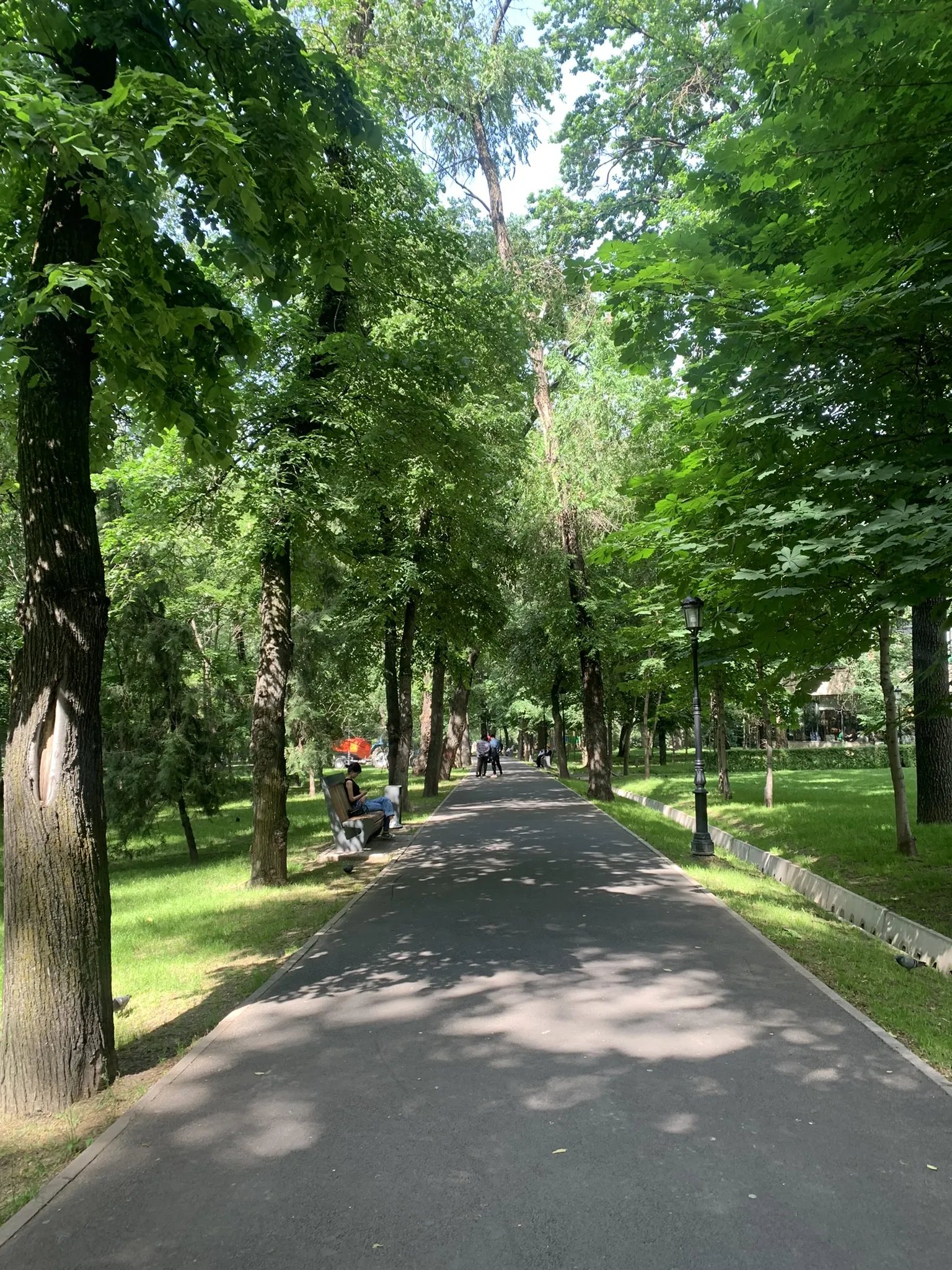
One of the oldest parks in the city, founded in 1872. Shady walkways, old trees, a calm atmosphere — a great place to start exploring the center. The park is named after the Panfilov guardsmen, WWII heroes from Kazakhstan who defended Moscow in 1941.
Inside you'll find the Memorial of Glory with an Eternal Flame, honoring the sacrifice of Soviet soldiers during World War II.
At the heart of the park stands the Zenkov Cathedral (Ascension Cathedral) — one of the tallest wooden churches in the world at 54 meters. Built between 1904 and 1907 from Tien Shan spruce with metal fasteners. During the devastating 1911 earthquake, when stone buildings all around crumbled, the cathedral only had its cross bent and a few windows cracked.
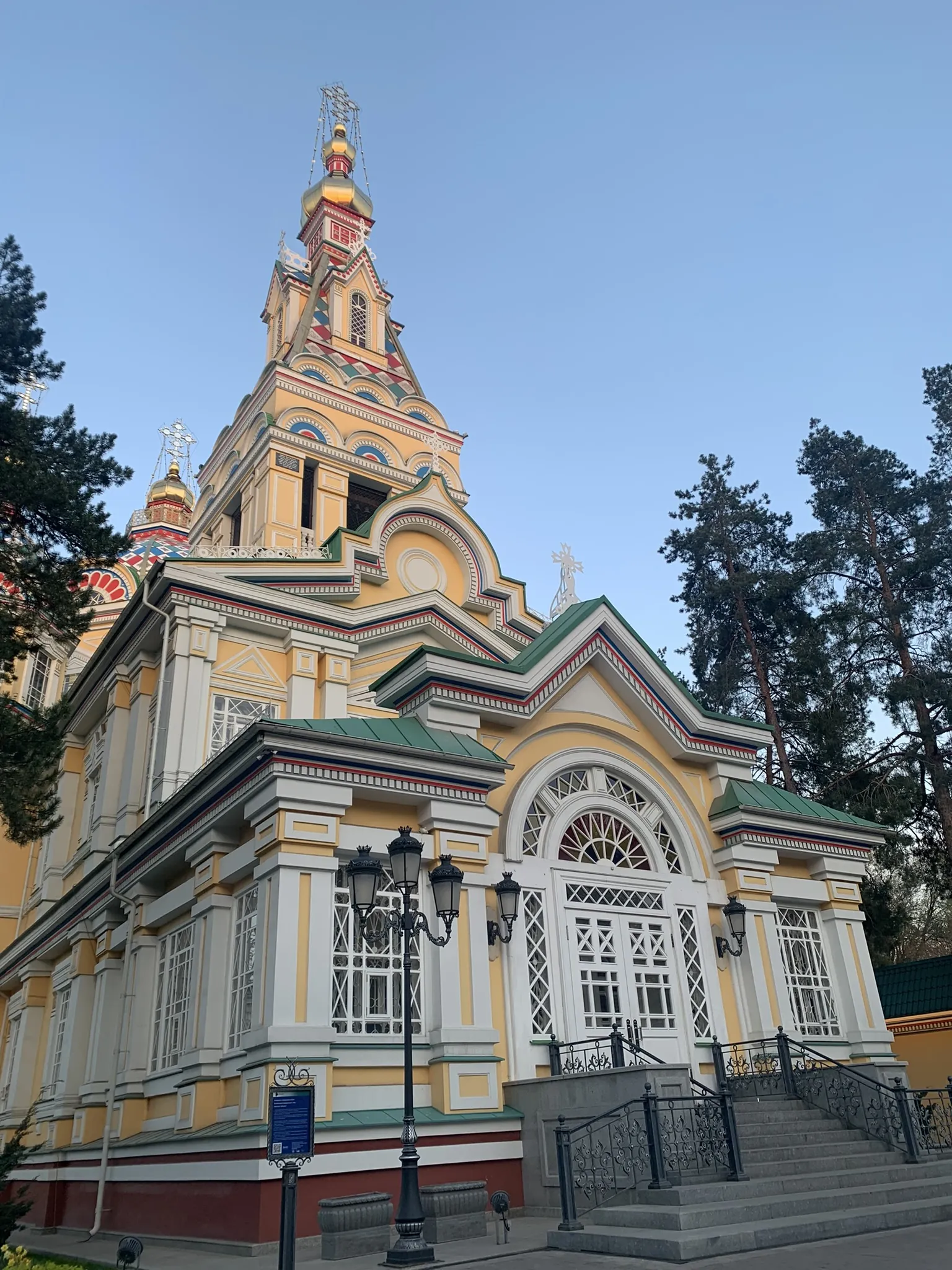 Panfilov Park and the wooden Zenkov Cathedral in Almaty
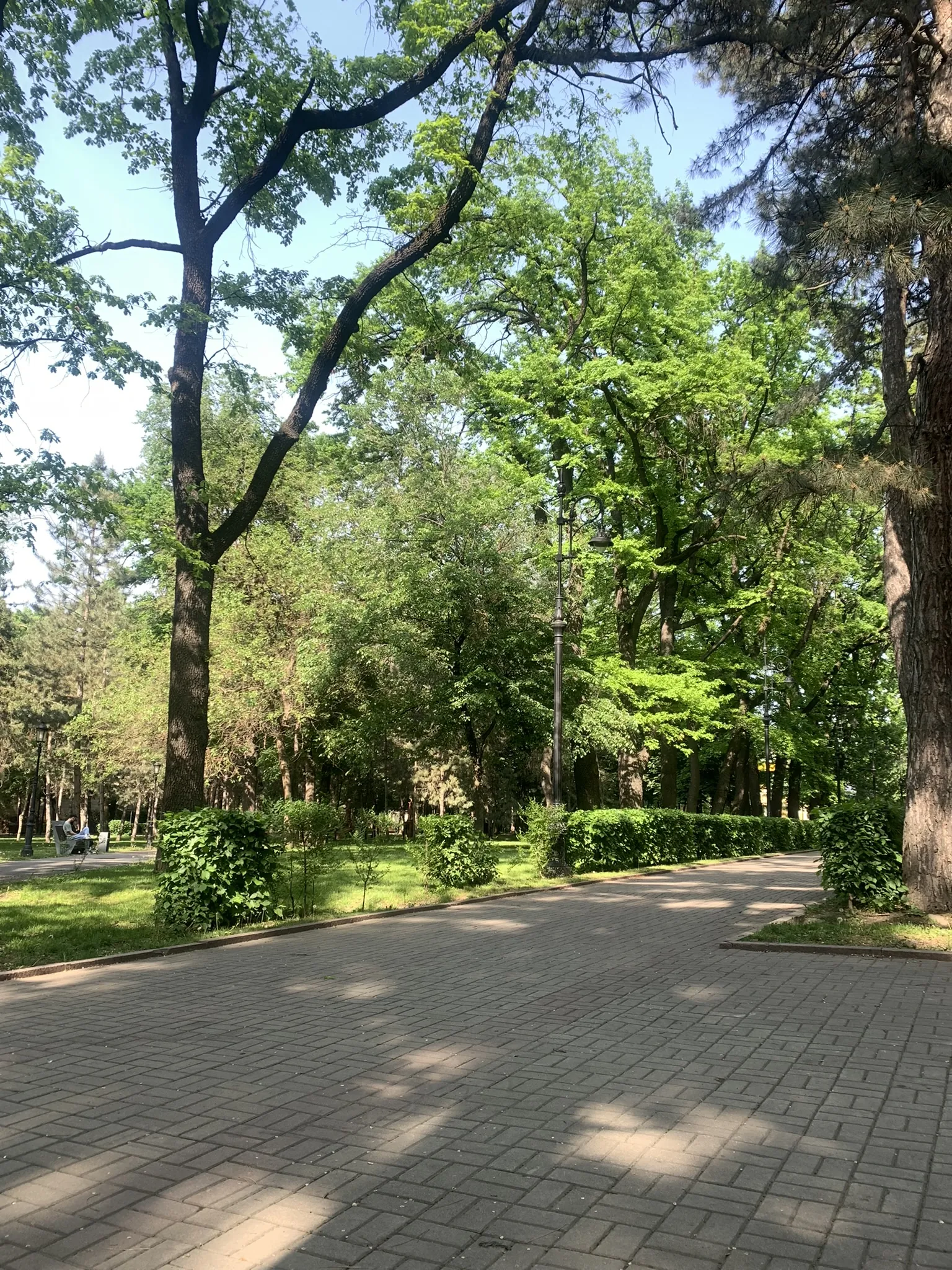
Admission: free
What's nearby:
- Museum of Folk Instruments — in a historic 1908 building, across from the park
- Arasan Bathhouse — just across the road
On the map: Google Maps | 2GIS | Yandex
The Arbat and Panfilov Street
Two pedestrian streets running perpendicular to each other. Panfilov Street is Almaty's pedestrian street (locally called "the Arbat" after Moscow's famous walking street): cafes, street musicians playing the dombra (a traditional Kazakh two-stringed instrument), national souvenirs. Zhibek Zholy is a classic pedestrian zone with shops.
On the map: Google Maps | 2GIS | Yandex
Green Bazaar (Zelyony Bazar)
Almaty's central market, two floors. Downstairs — meat and dairy. Upstairs — dried fruits, spices, souvenirs. Vendors will let you sample kurt (salty dried cheese balls), kazy (traditional horsemeat sausage), and dried fruits. You can walk through the whole place in 30–60 minutes.
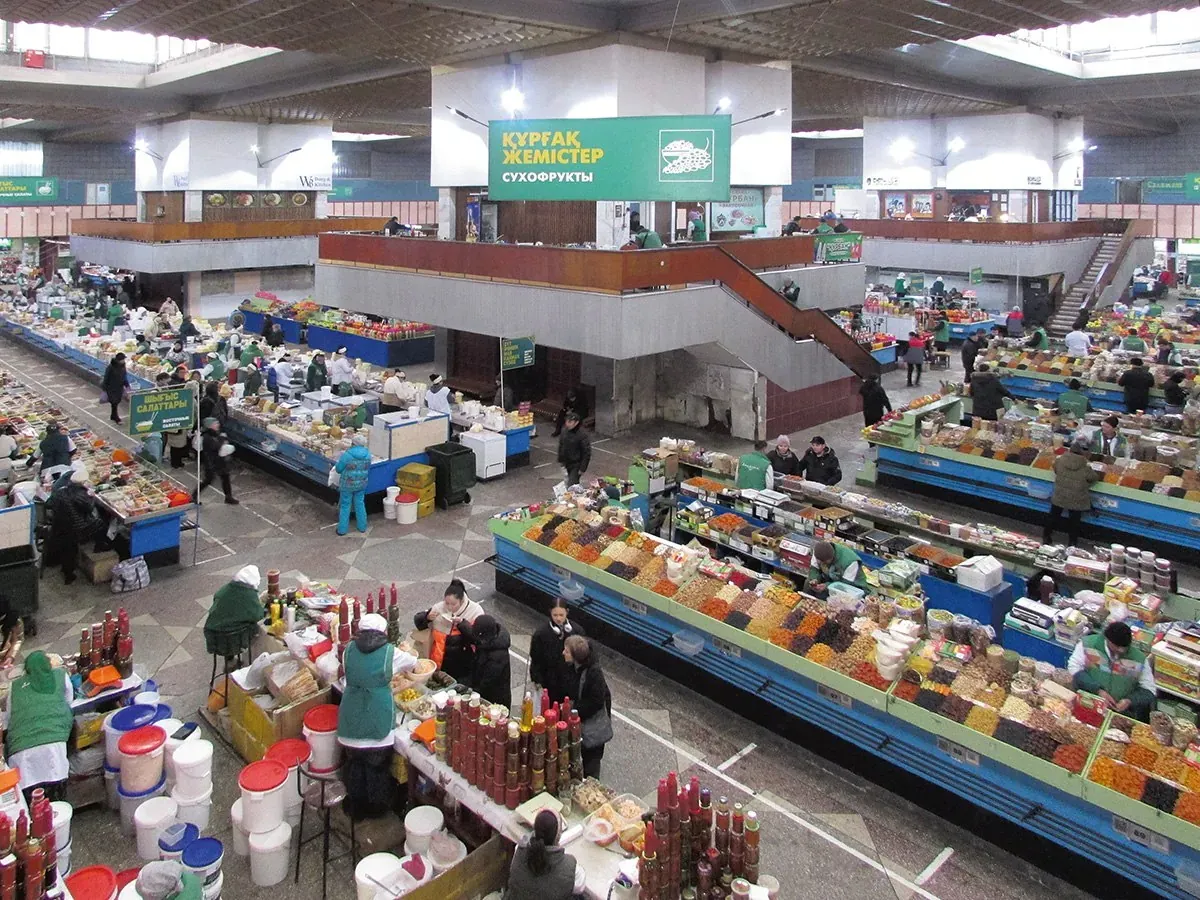
Hours: Tue–Sat 09:00–19:00, Sun 09:00–18:00, closed on Mondays
On the map: Google Maps | 2GIS | Yandex
Republic Square
The city's main square, established in the 1970s. An open space with fountains and a 28-meter stela — the Independence Monument. At the top is a winged snow leopard; at the base, bas-reliefs depicting Kazakhstan's history and a bronze book bearing the handprint of the first president.
Nearby — the Central State Museum (the largest in the region) and the city administration building, the Akimat.
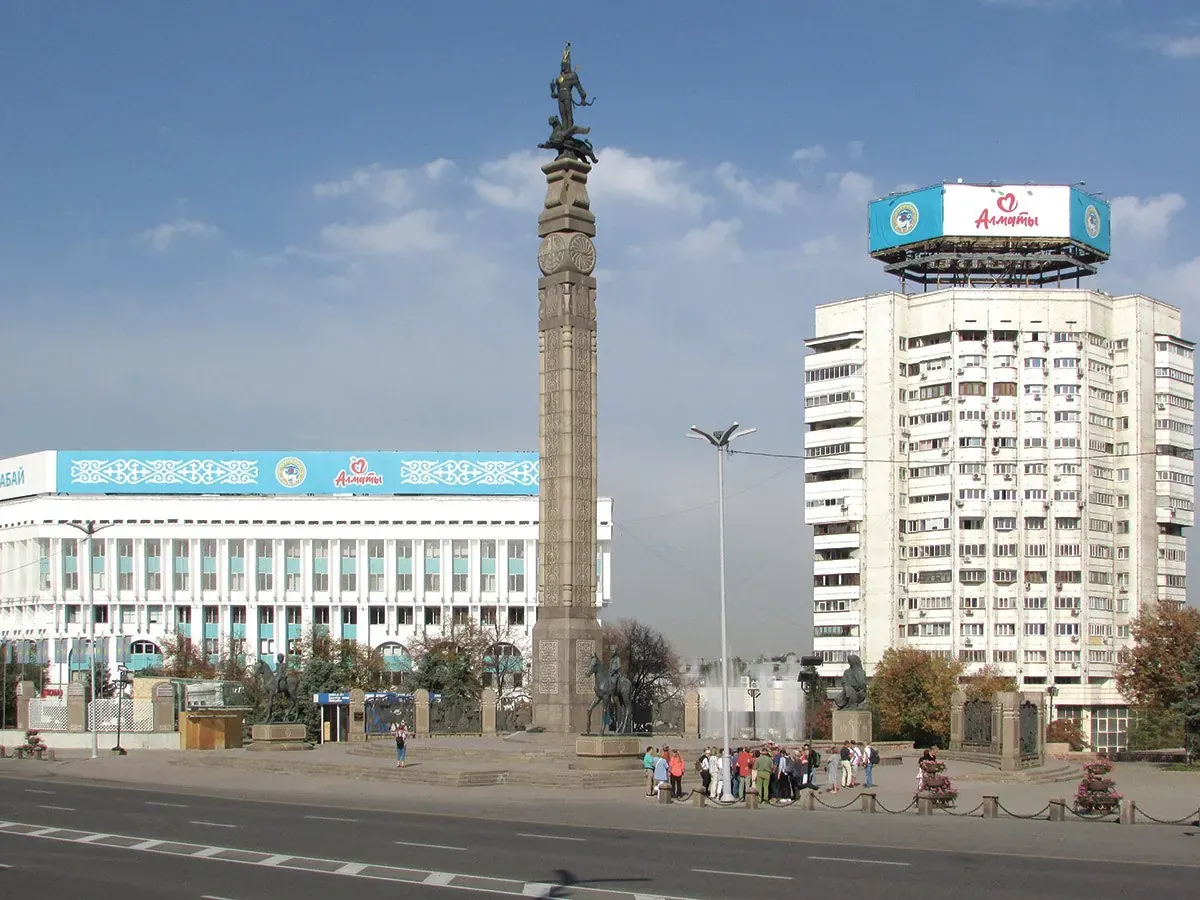
On the map: Google Maps | 2GIS | Yandex
Murals and street art
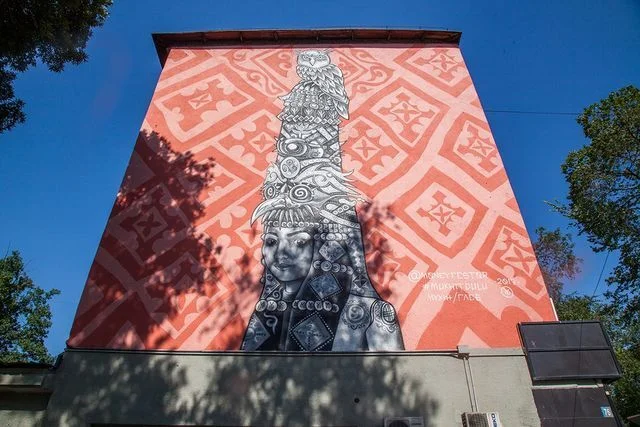
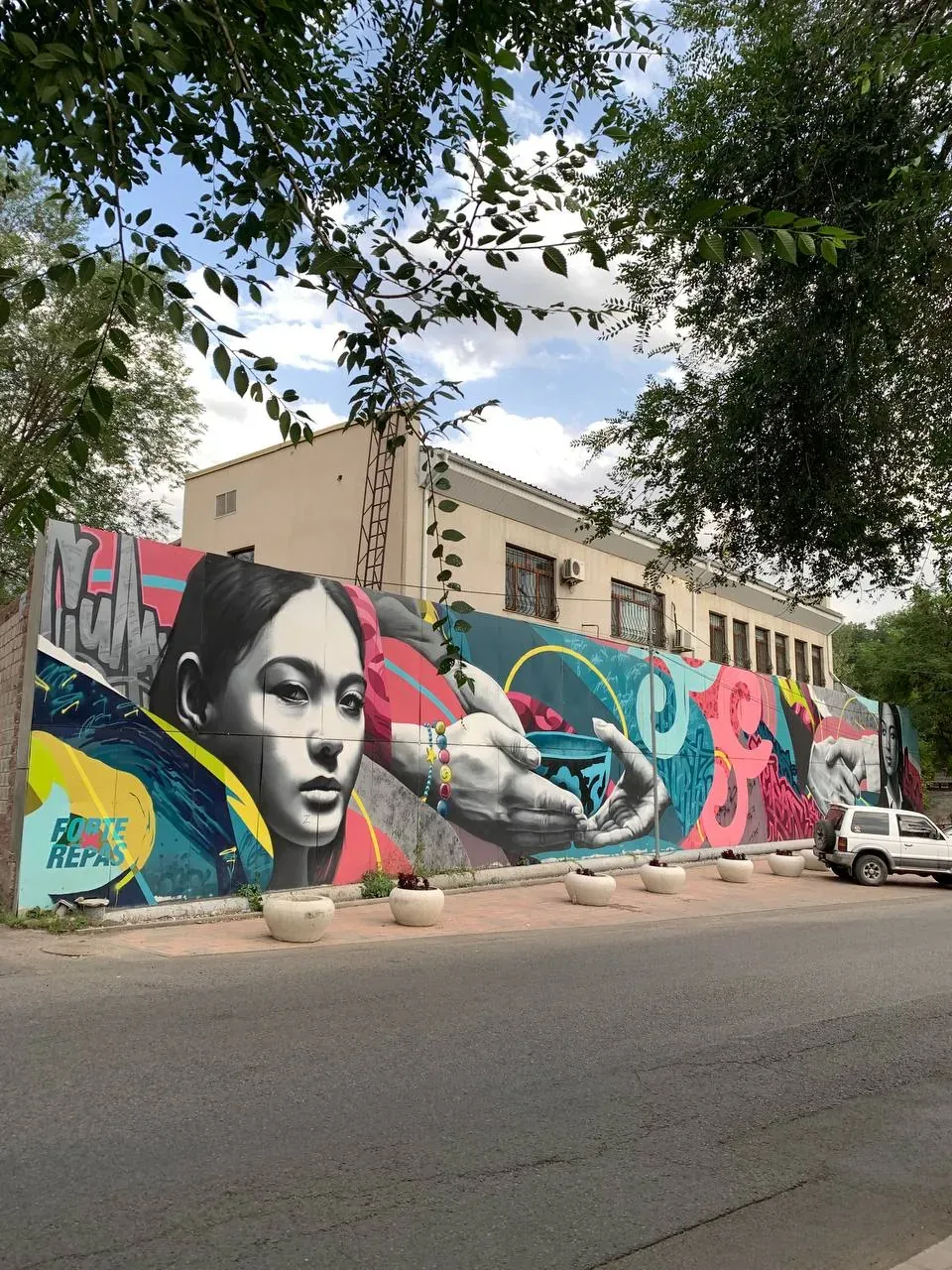
Dozens of large-scale murals on building facades all over the city, created during the ARTBAT FEST street art festival that's been running since 2010. The works reflect Almaty's cultural DNA: national identity, ecology, urbanization. Many reference Kazakhstan's history.
What you'll see:
- A portrait of Abai (Kazakhstan's most celebrated poet and philosopher) in a neon palette
- Kazakh batyrs (warrior heroes) and scenes from national epics
- Ecological and futuristic themes
Large-scale works on 4–5 story buildings — visible from blocks away.
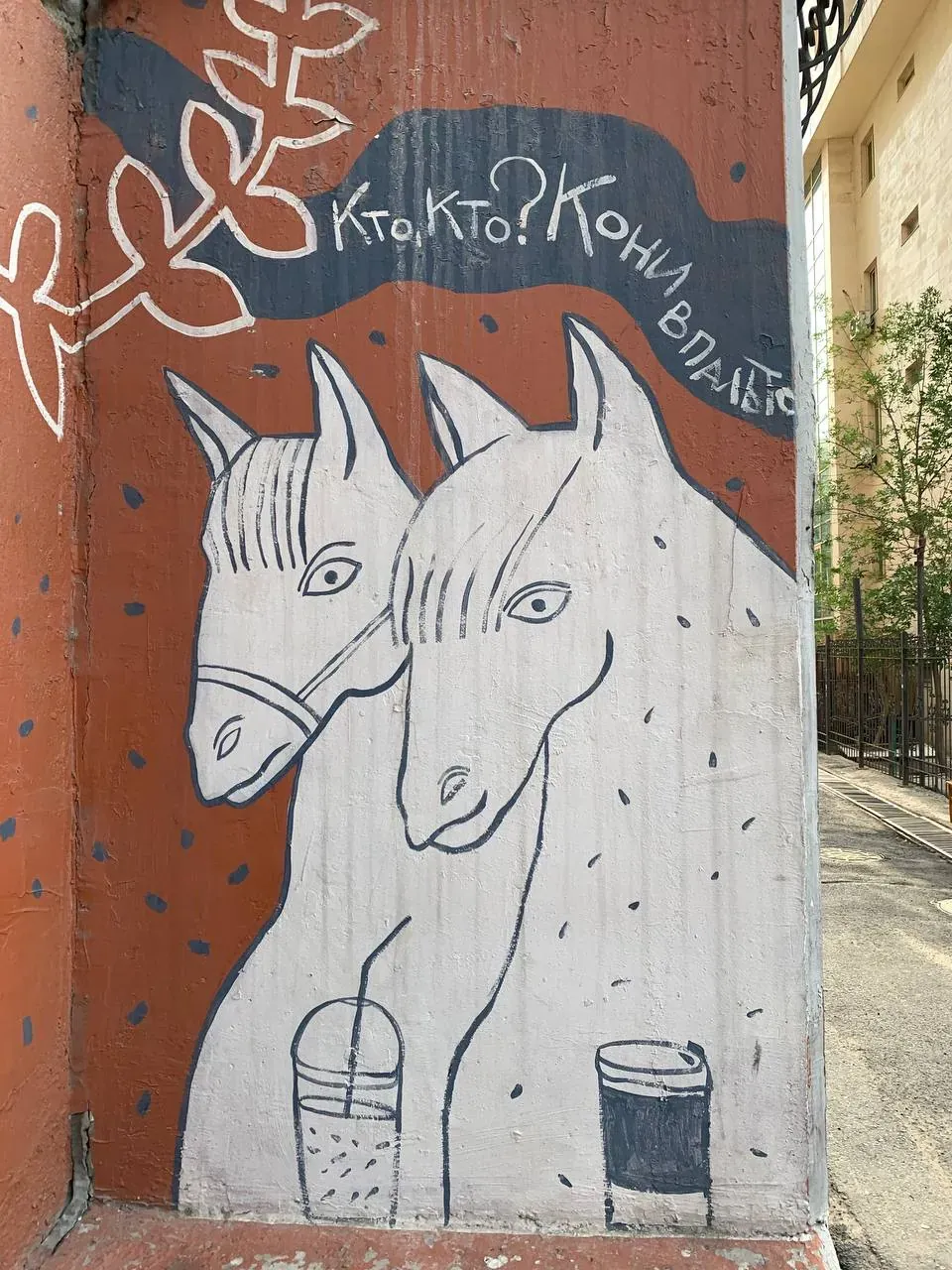 Murals and street art in Almaty
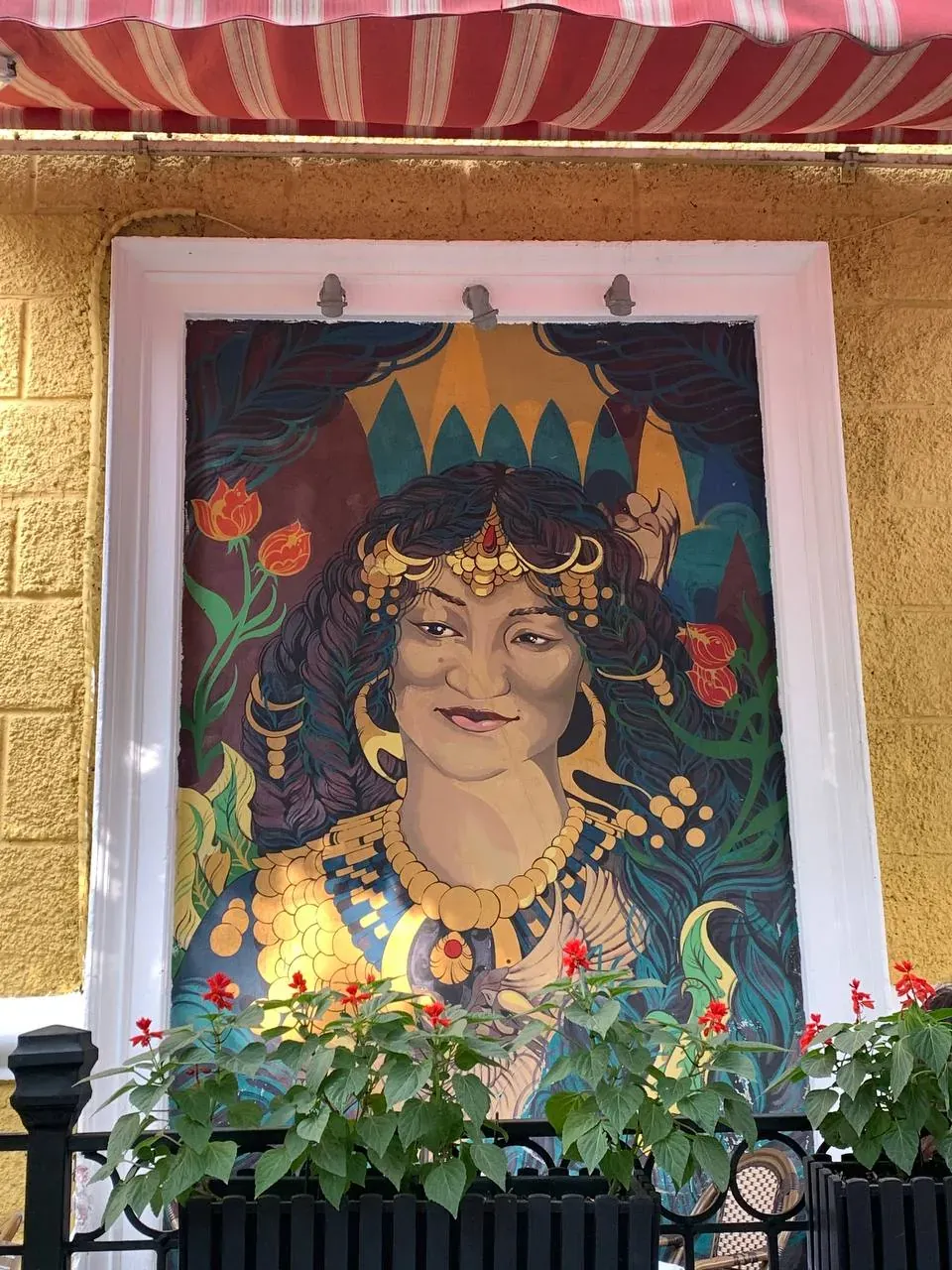
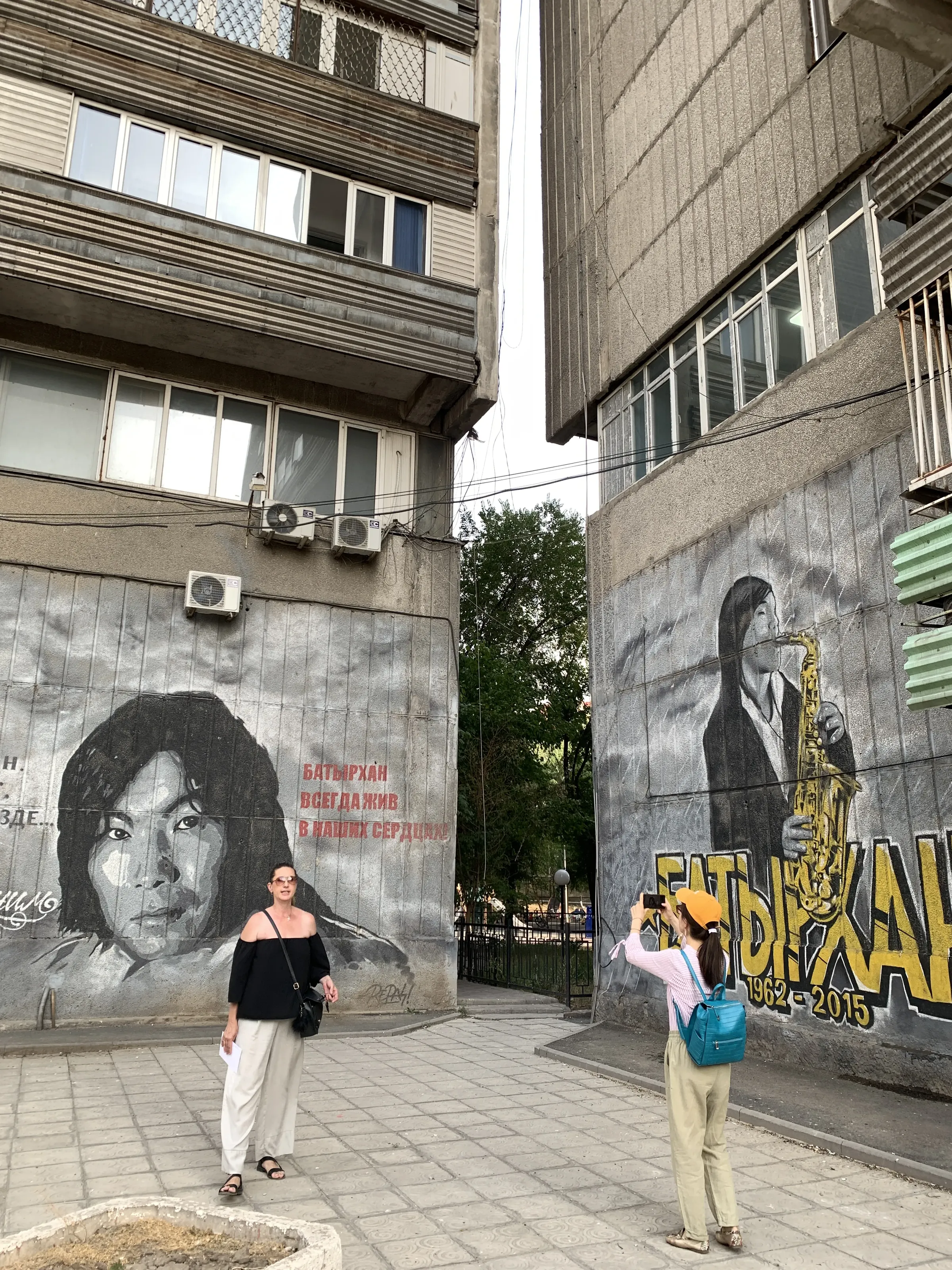
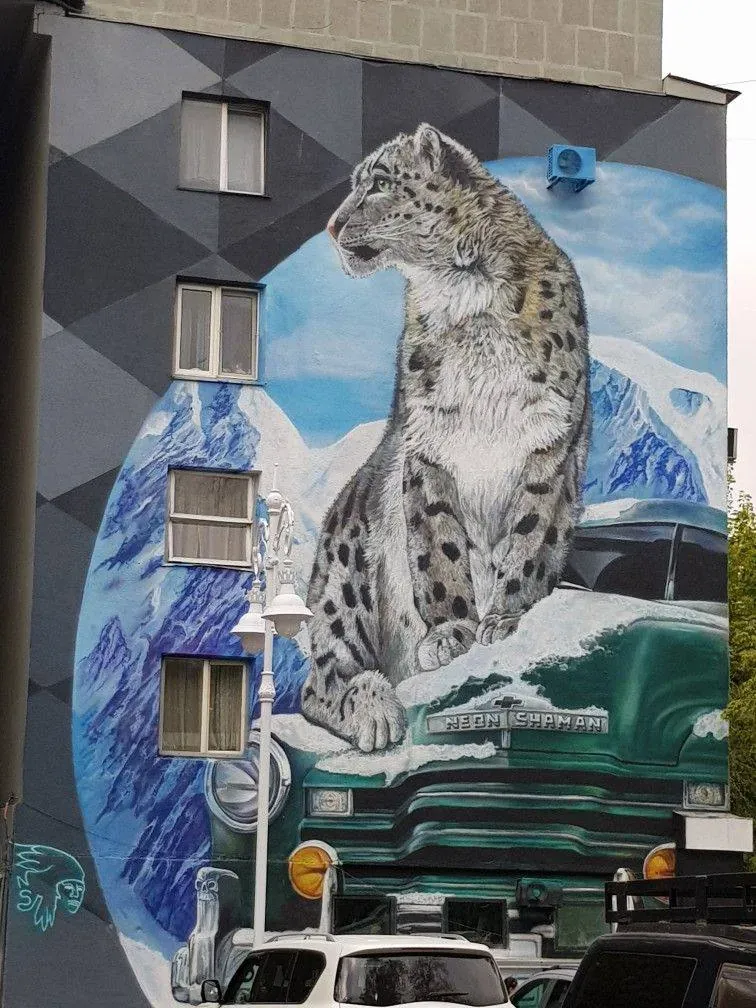
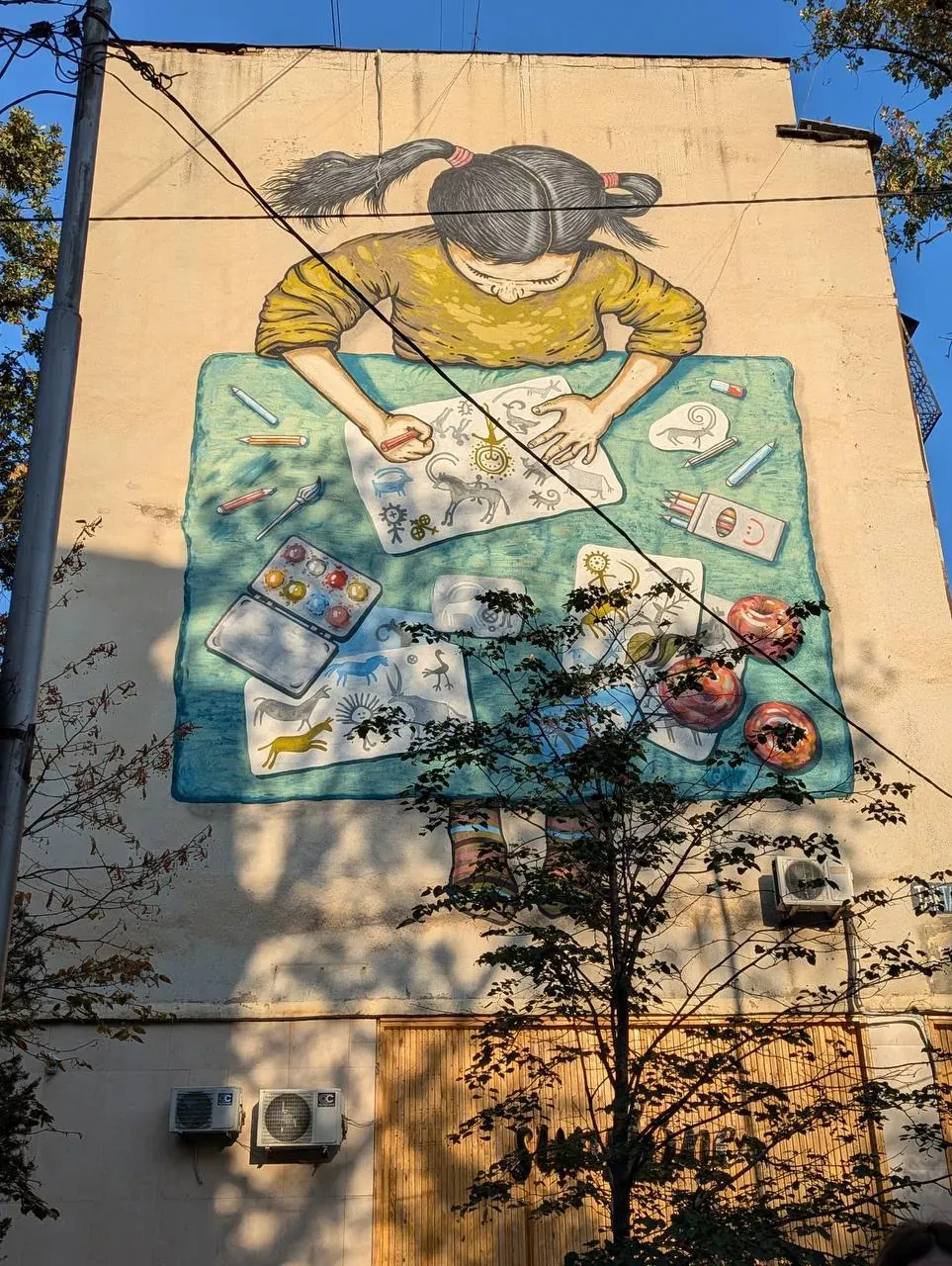
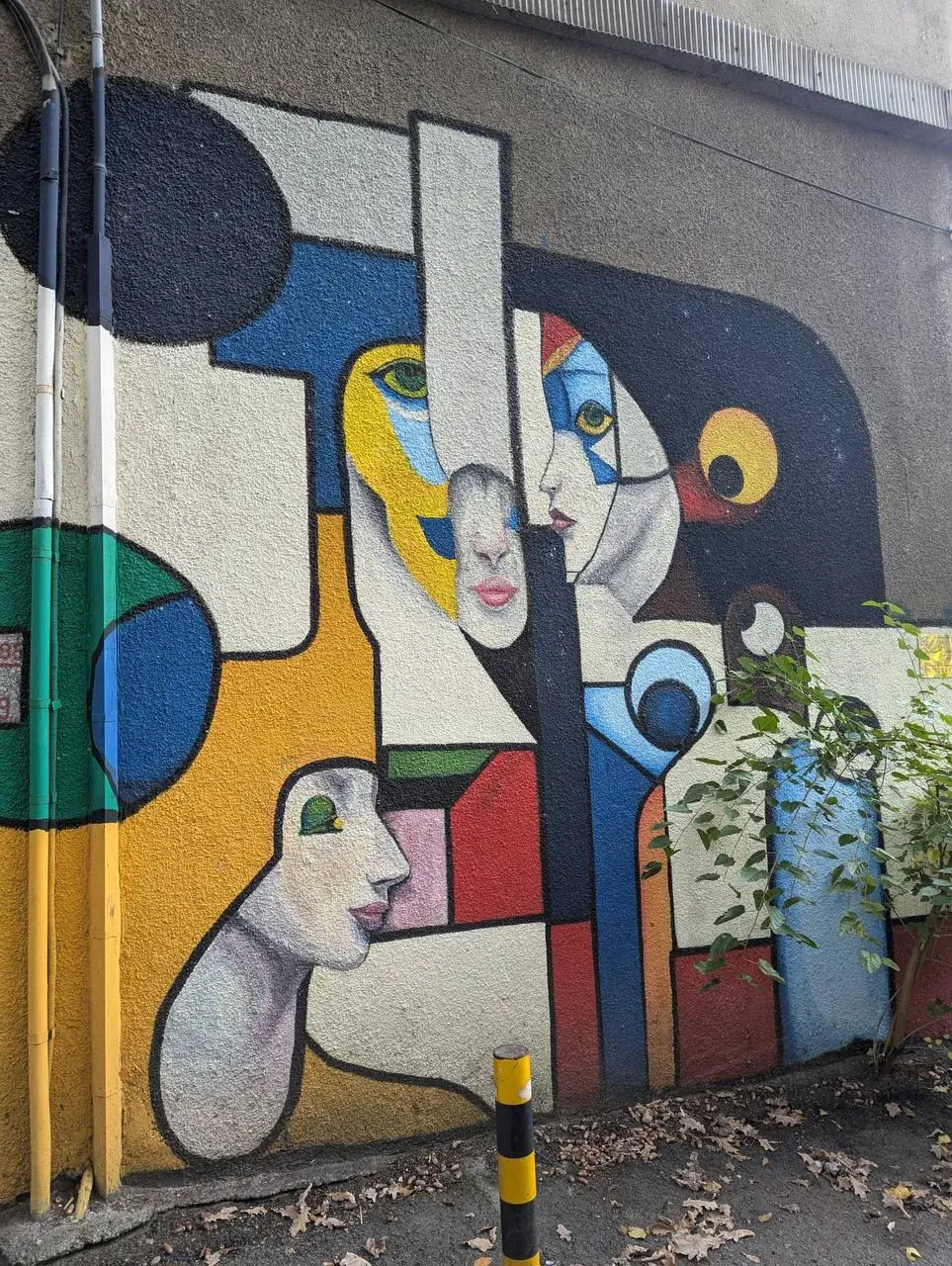
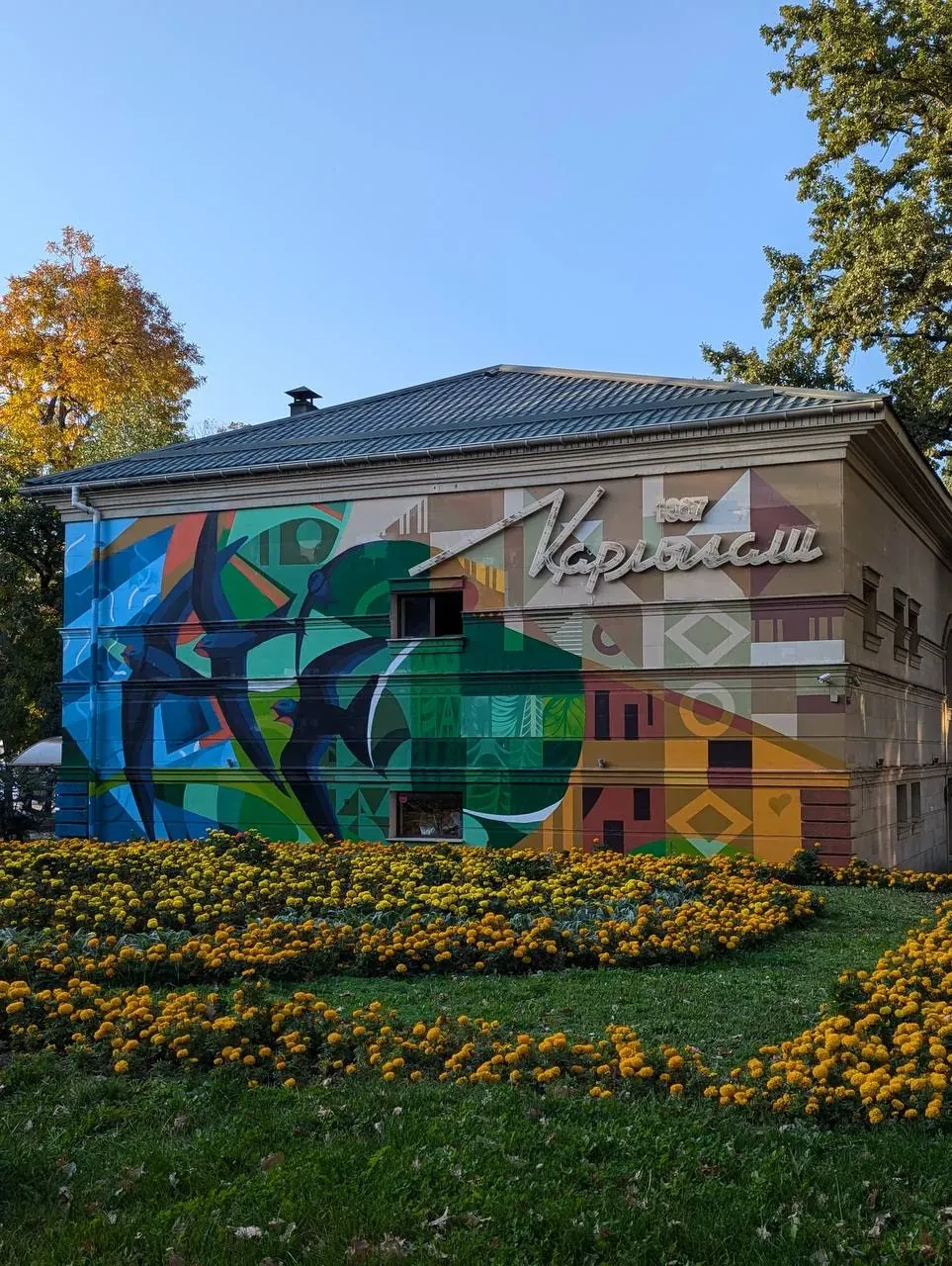
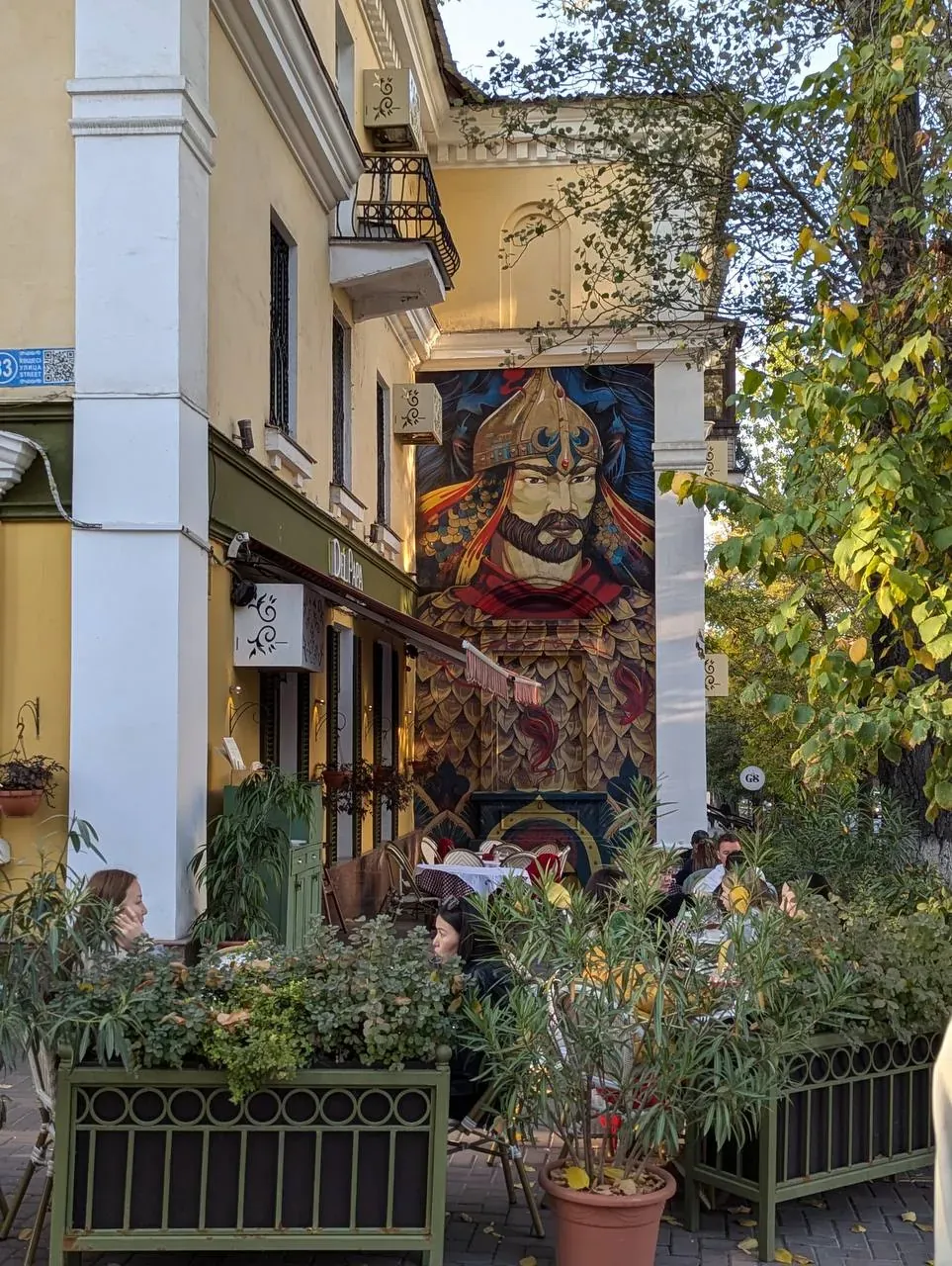
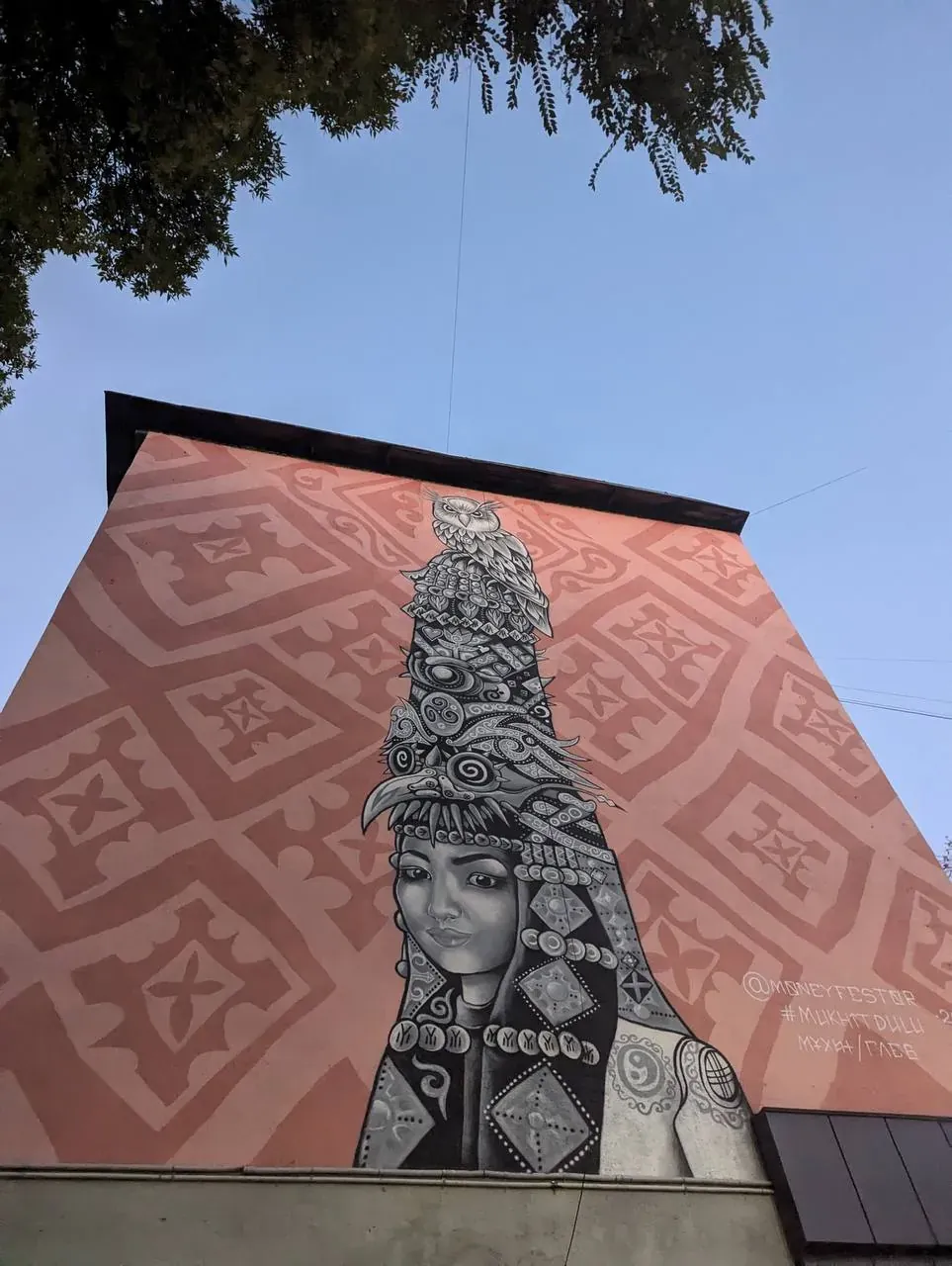
Want to go beyond just seeing the murals and actually understand the stories and symbolism behind them? On our street art tour, you'll spend 2.5 hours decoding styles and techniques with a professional muralist — leave a request on our website.
Graffiti wall on Ospanova Street
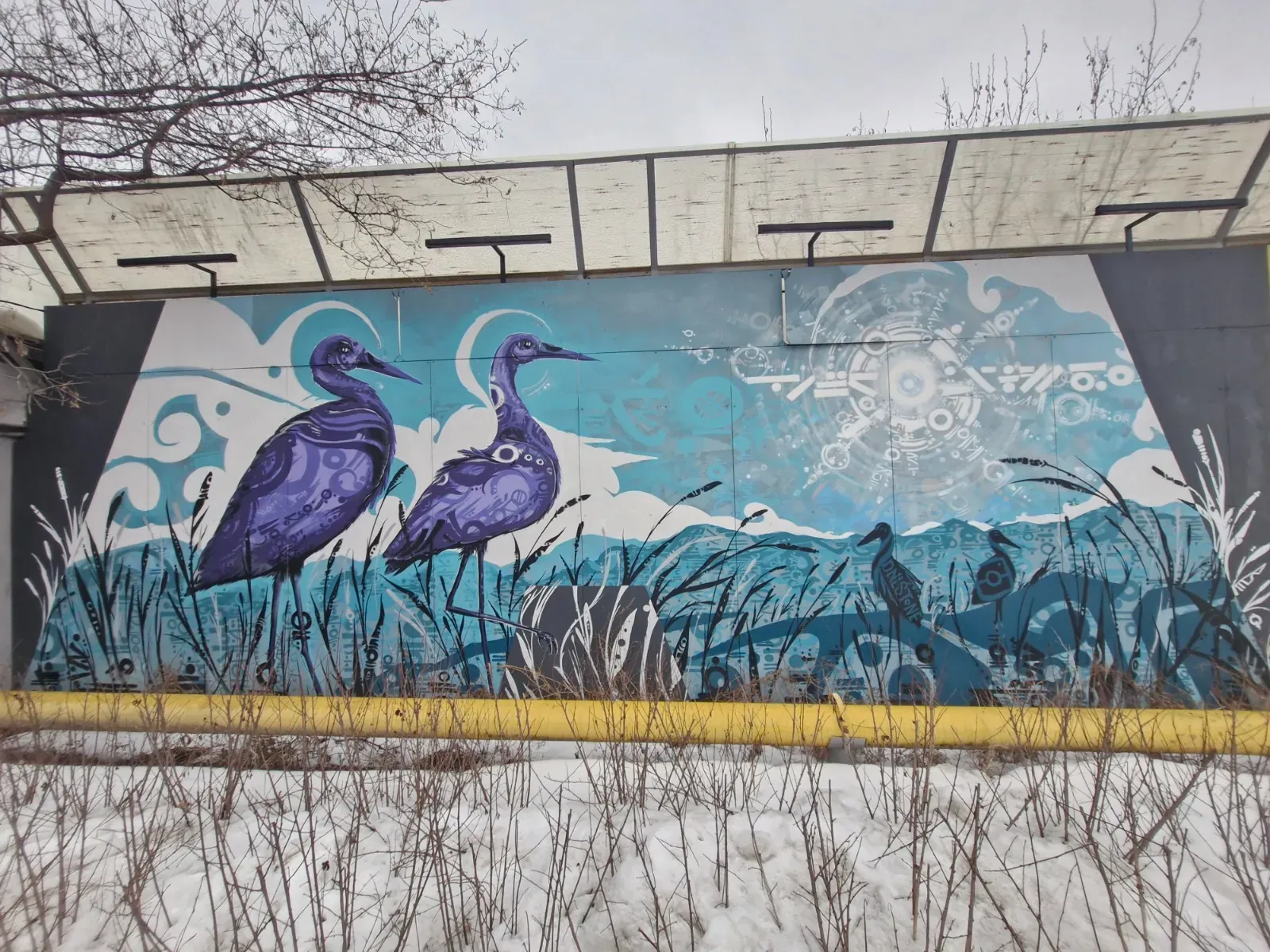
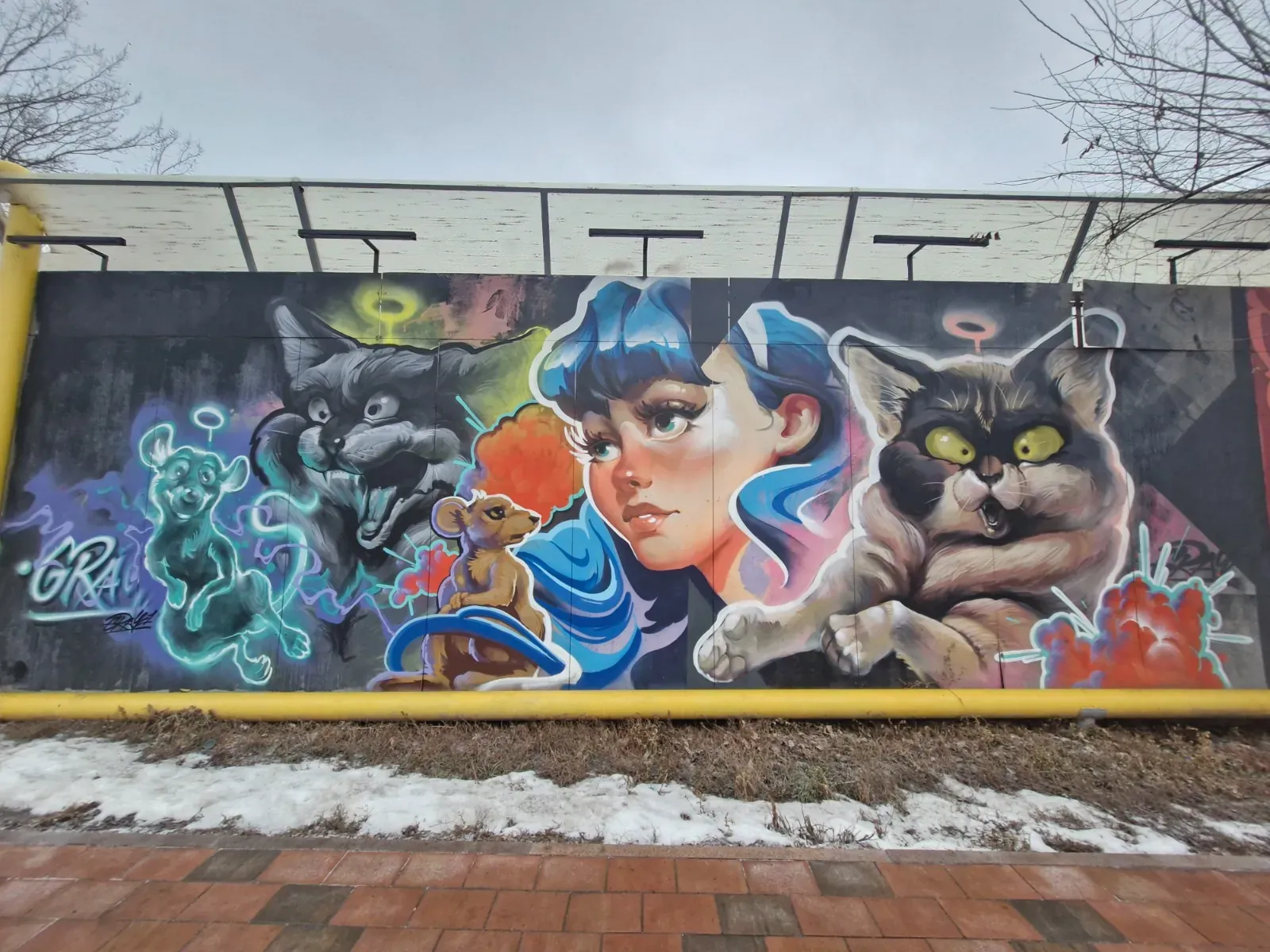
The longest legal graffiti wall in Central Asia — 420 meters, roughly 1,200 sq. m. Created in 2023 as part of the "First Layer" project with city support. Dozens of artists painted the wall along a pedestrian zone between Dostyk Avenue and the Esentai River. It's a living wall: works are regularly updated, old layers giving way to new ones.
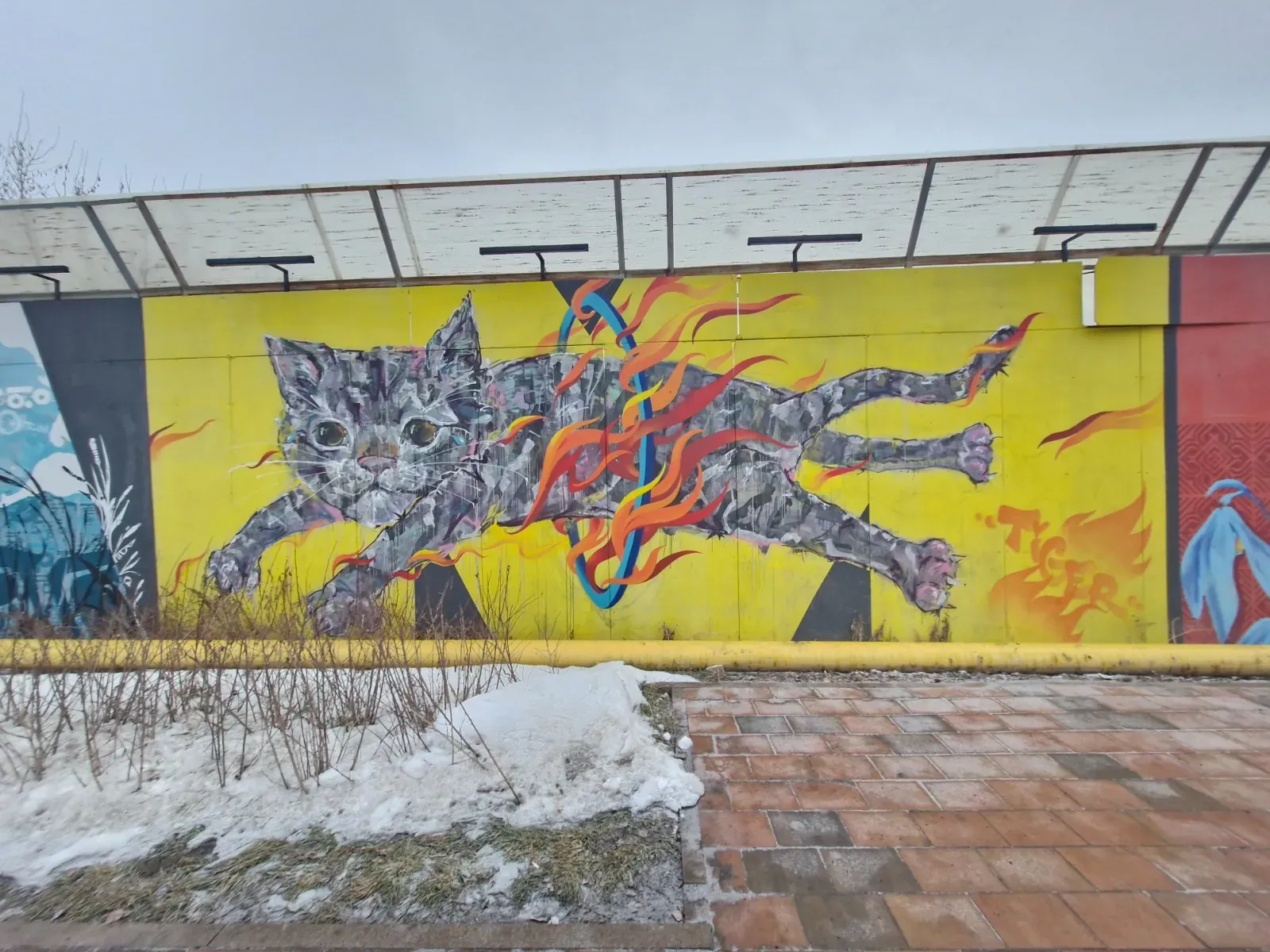 Graffiti wall on Ospanova Street — 420 meters of street art in Almaty
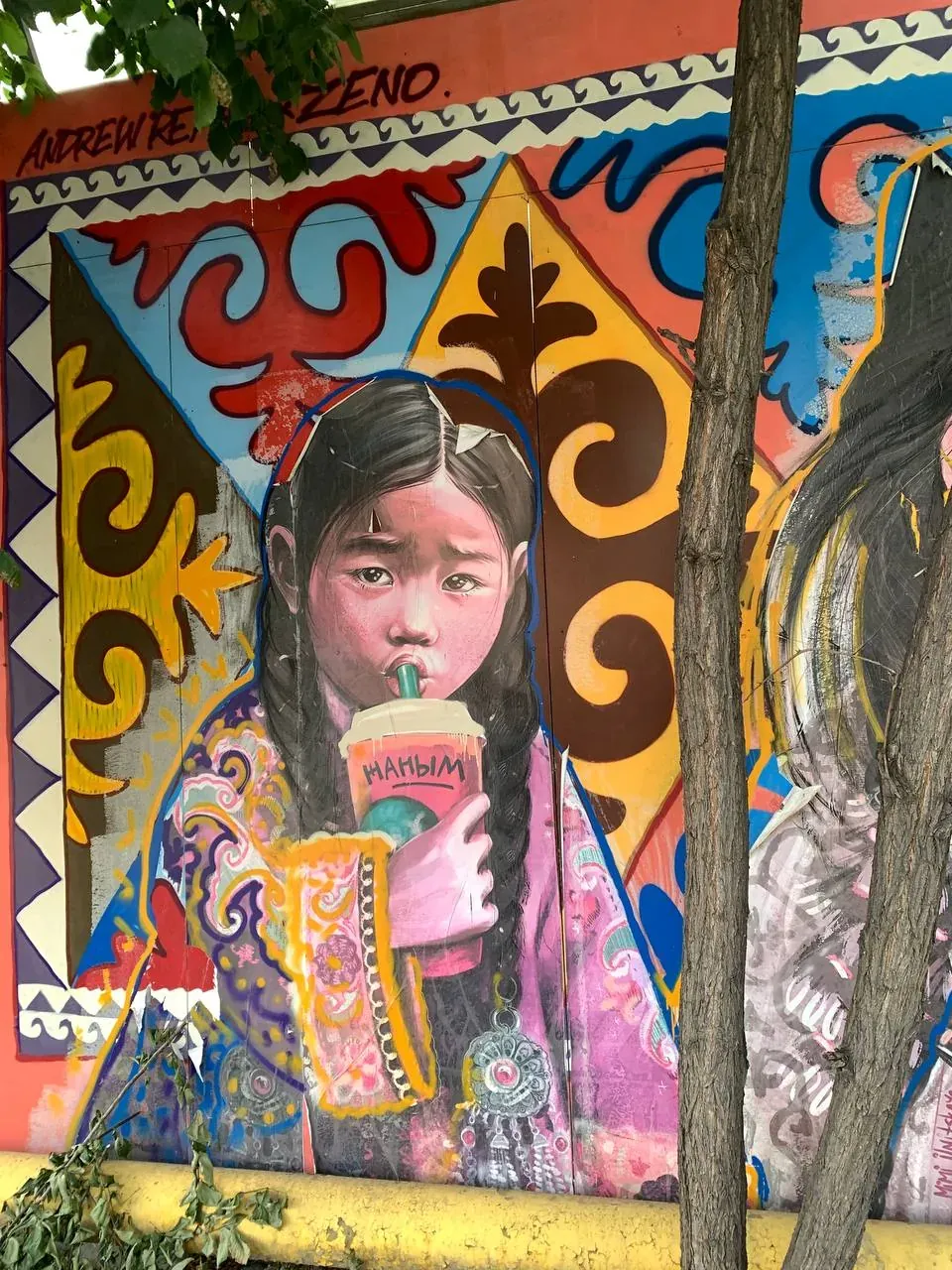
On the map: Google Maps | 2GIS | Yandex
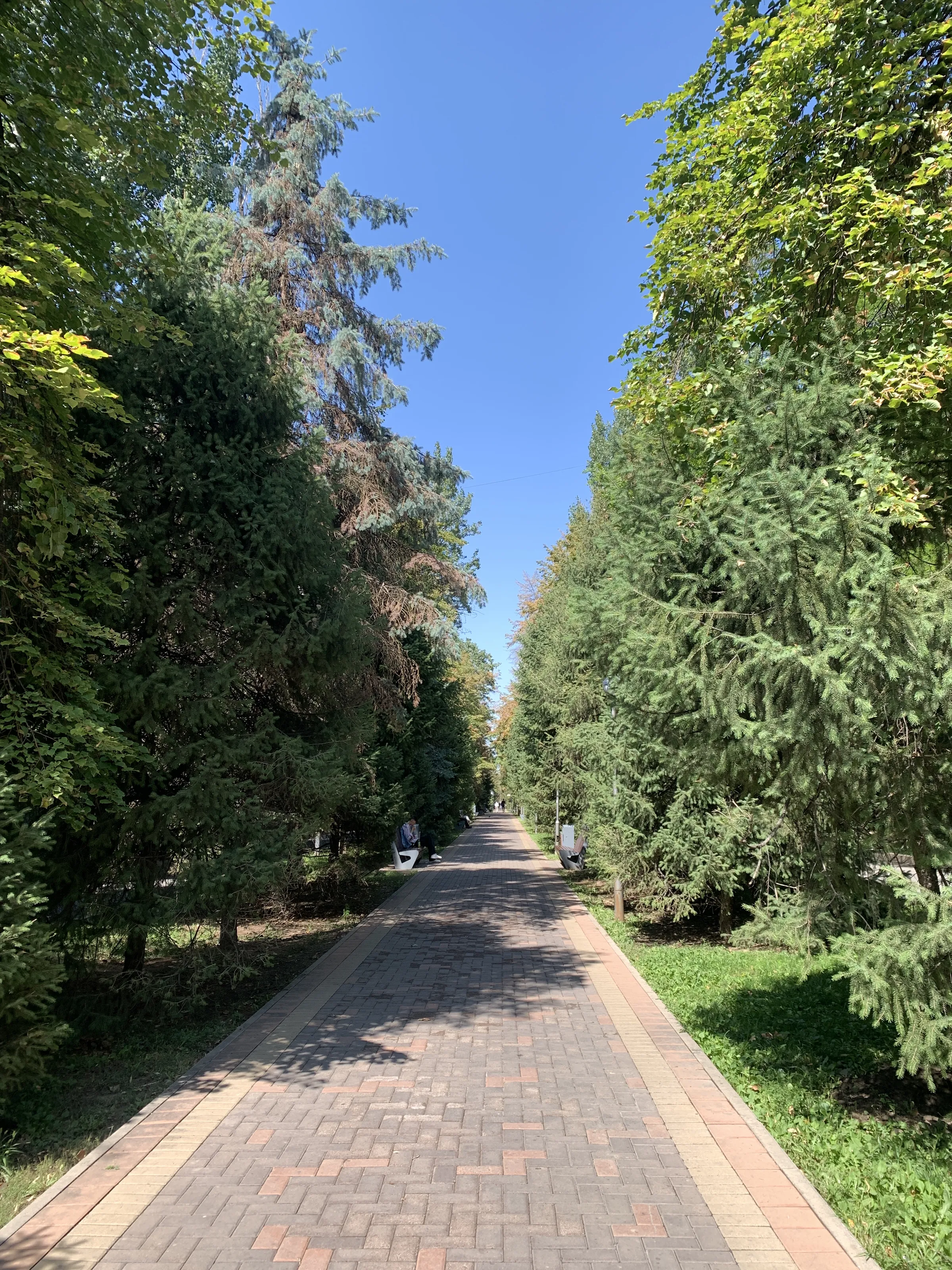
Tulebaev Street
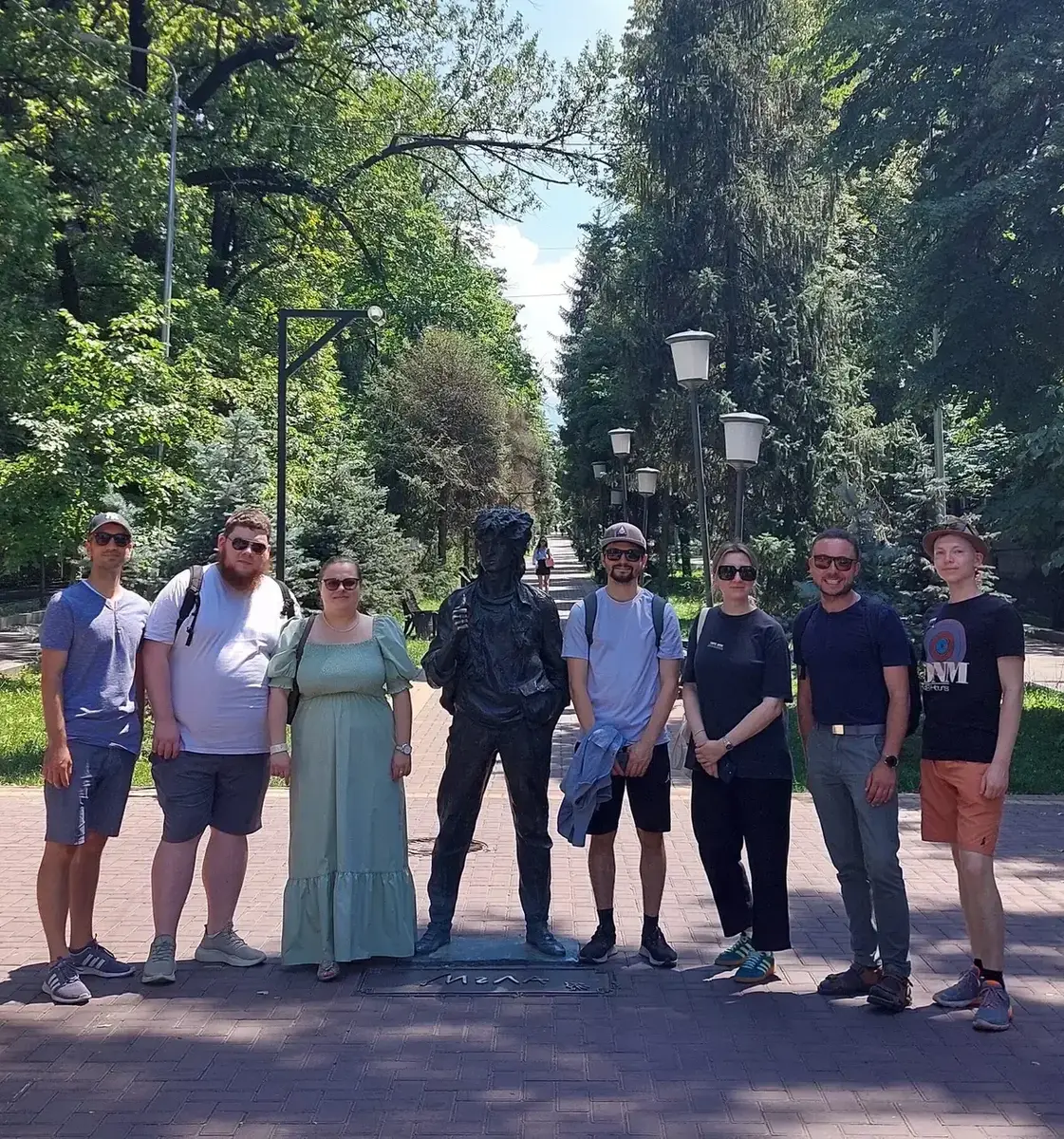
One of the greenest streets in the center, stretching 3 km from Abai Avenue to Mametova Street. It features an alley of Tien Shan spruces — the only place in the city where they've taken root. There's a "Zhetysu" fountain and memorial plaques on nearly every building. The final scene of "The Needle" — a cult Soviet film starring Viktor Tsoi, the legendary Kazakh-Korean rock musician — was filmed here.
Along the street you'll find three house-museums (Kunaev, Auezov, Mukanov-Musrepov), the Arasan Bathhouse, and about a dozen cafes. A good walking route for 1.5–2 hours — easy to combine with Panfilov Park.
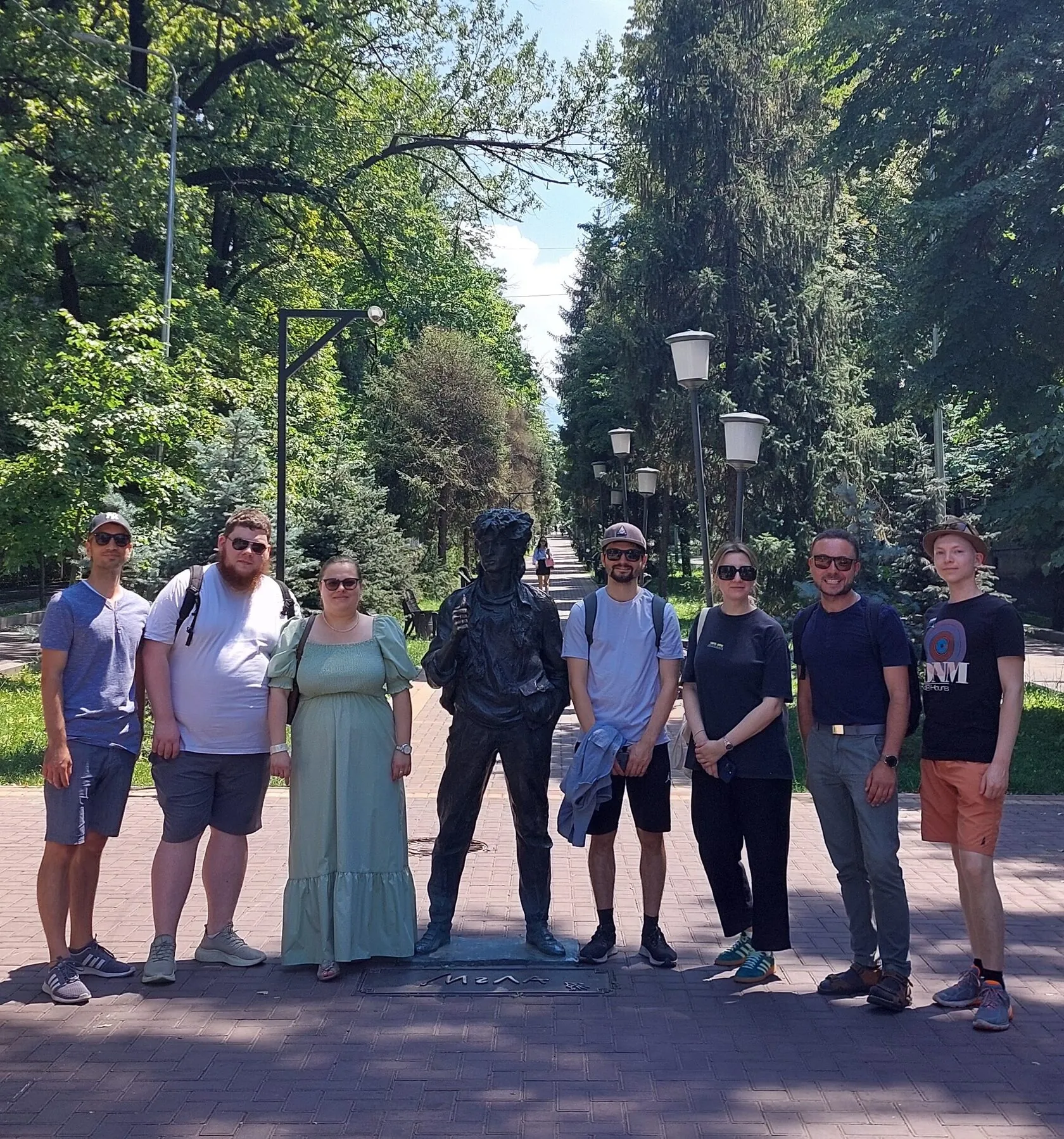 Tulebaev Street — Tien Shan spruce alley in the center of Almaty
On the map: Google Maps | 2GIS | Yandex
Metro
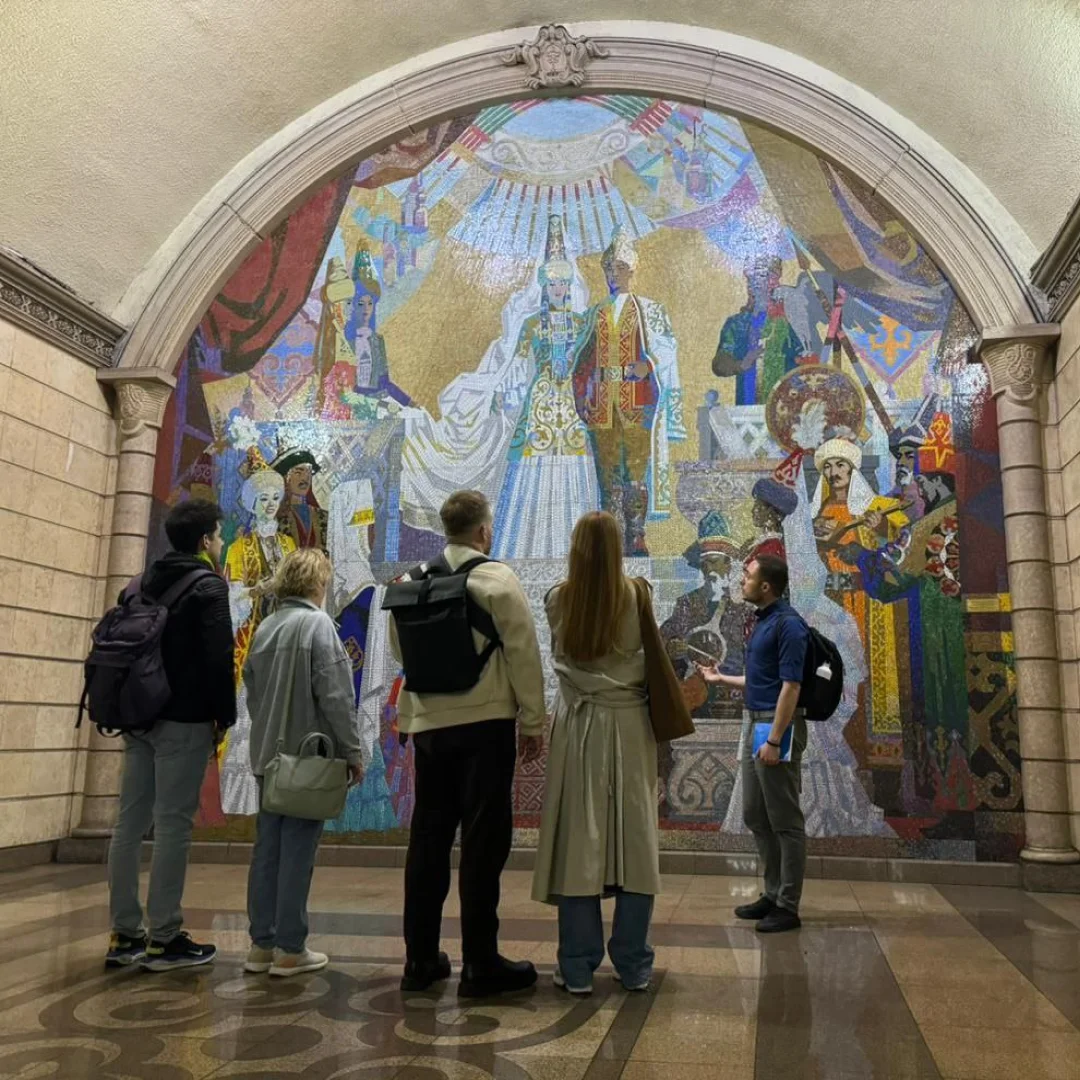
11 stations, one line. Each station has its own design: Kazakh ornaments, space themes, Silk Road references. You can ride the entire line in 20–25 minutes and check out every station.
Fare: 120 KZT (~$0.25)
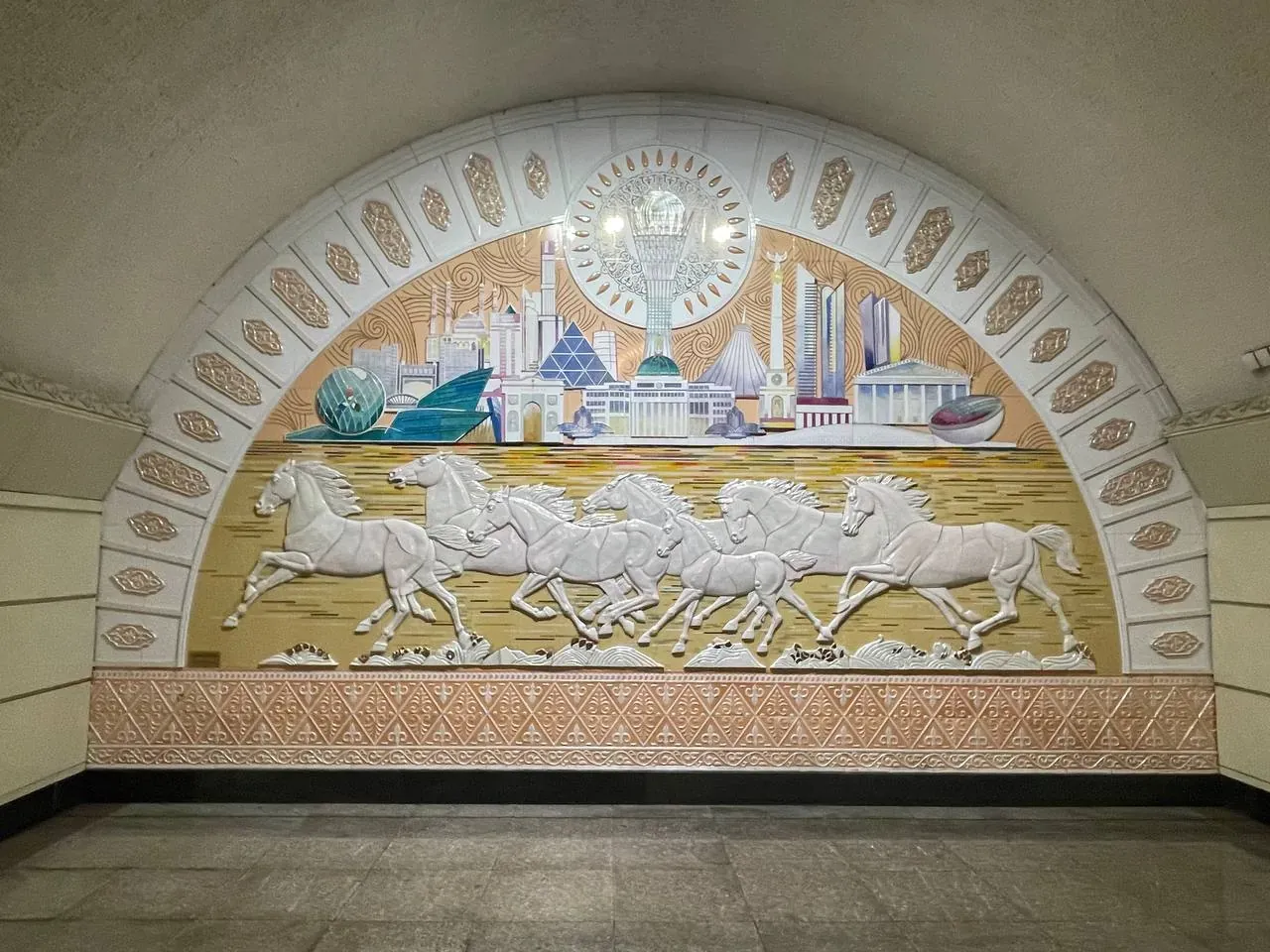 Almaty metro stations — Kazakh ornaments and unique design
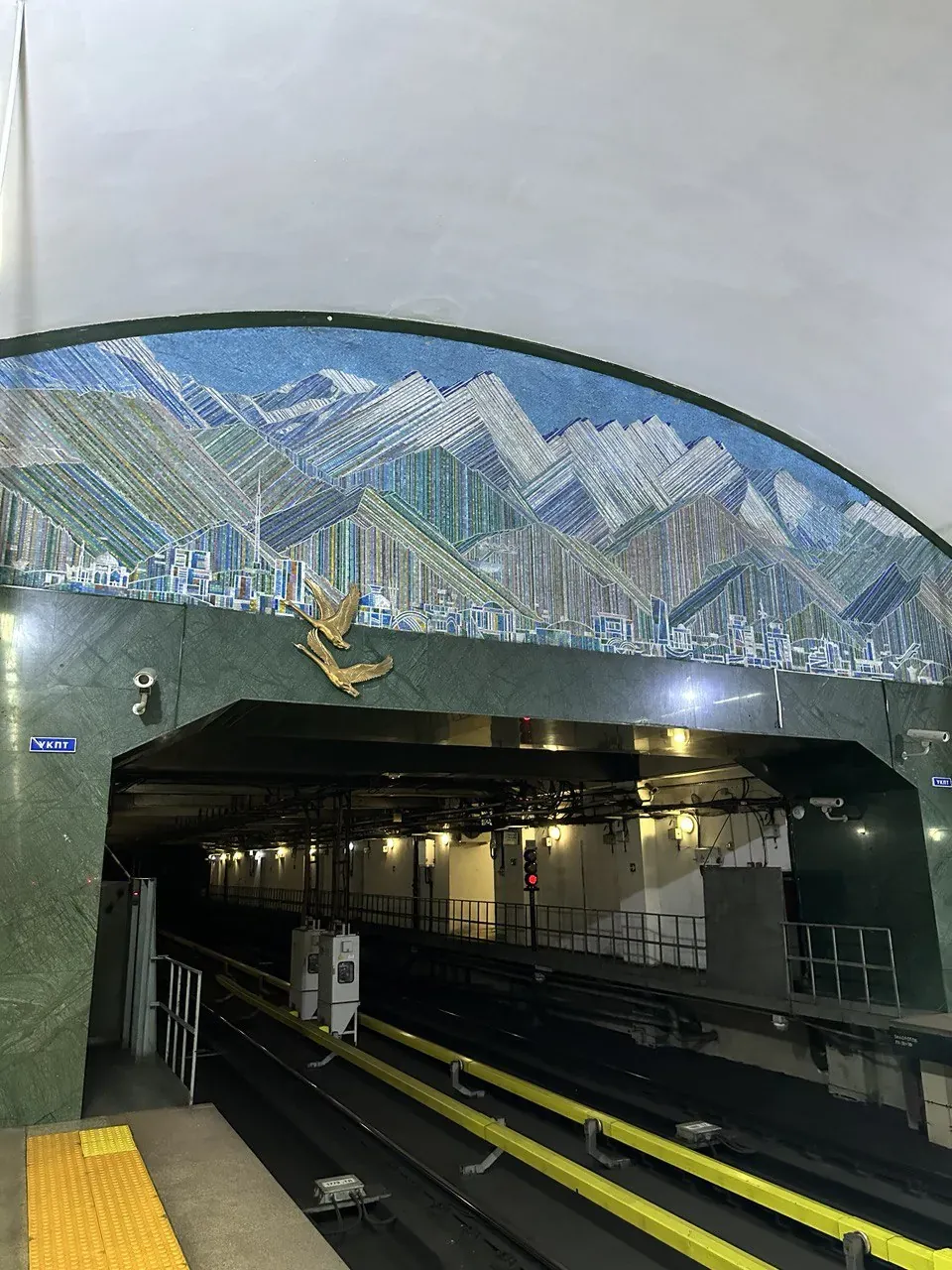
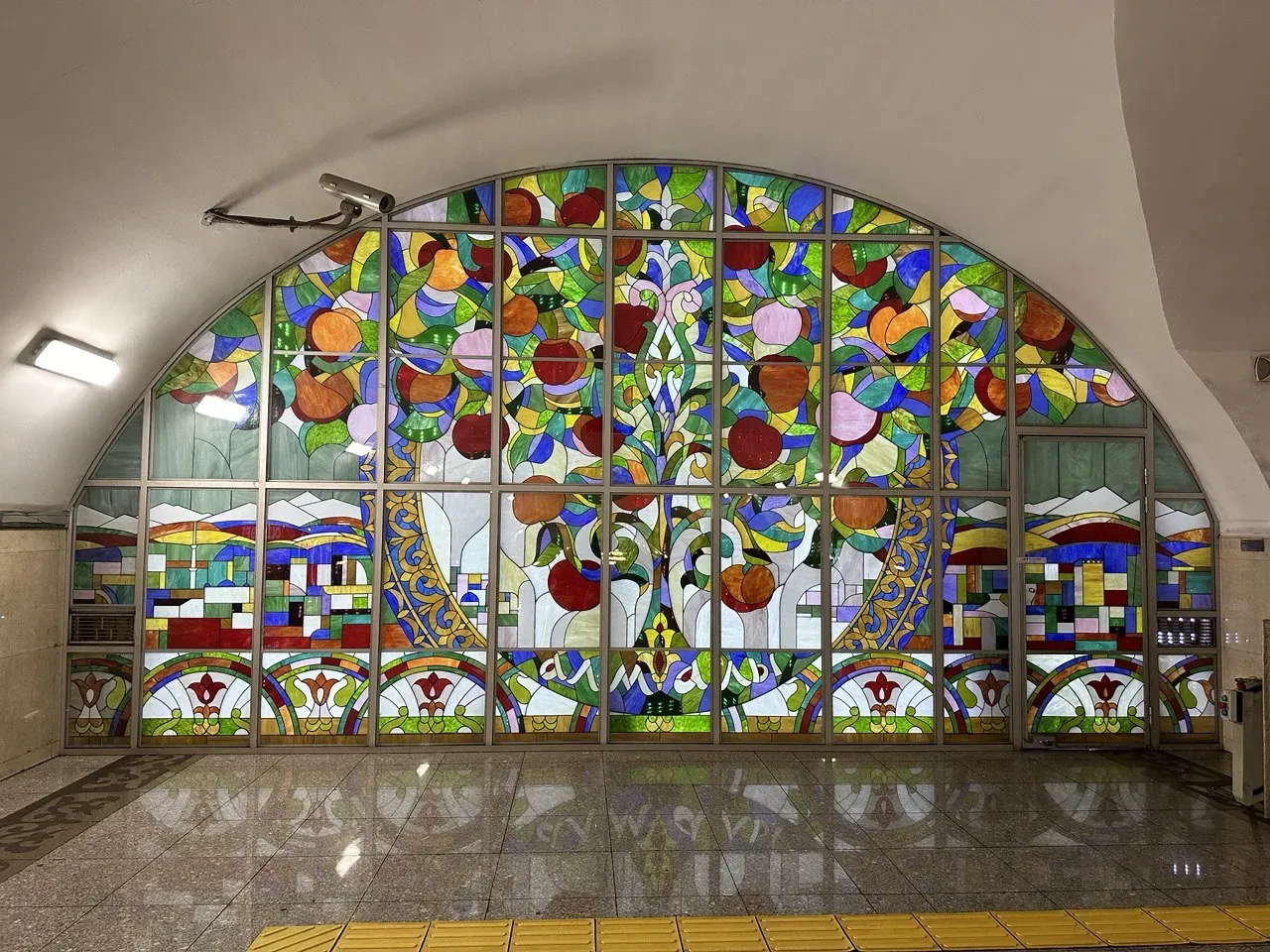
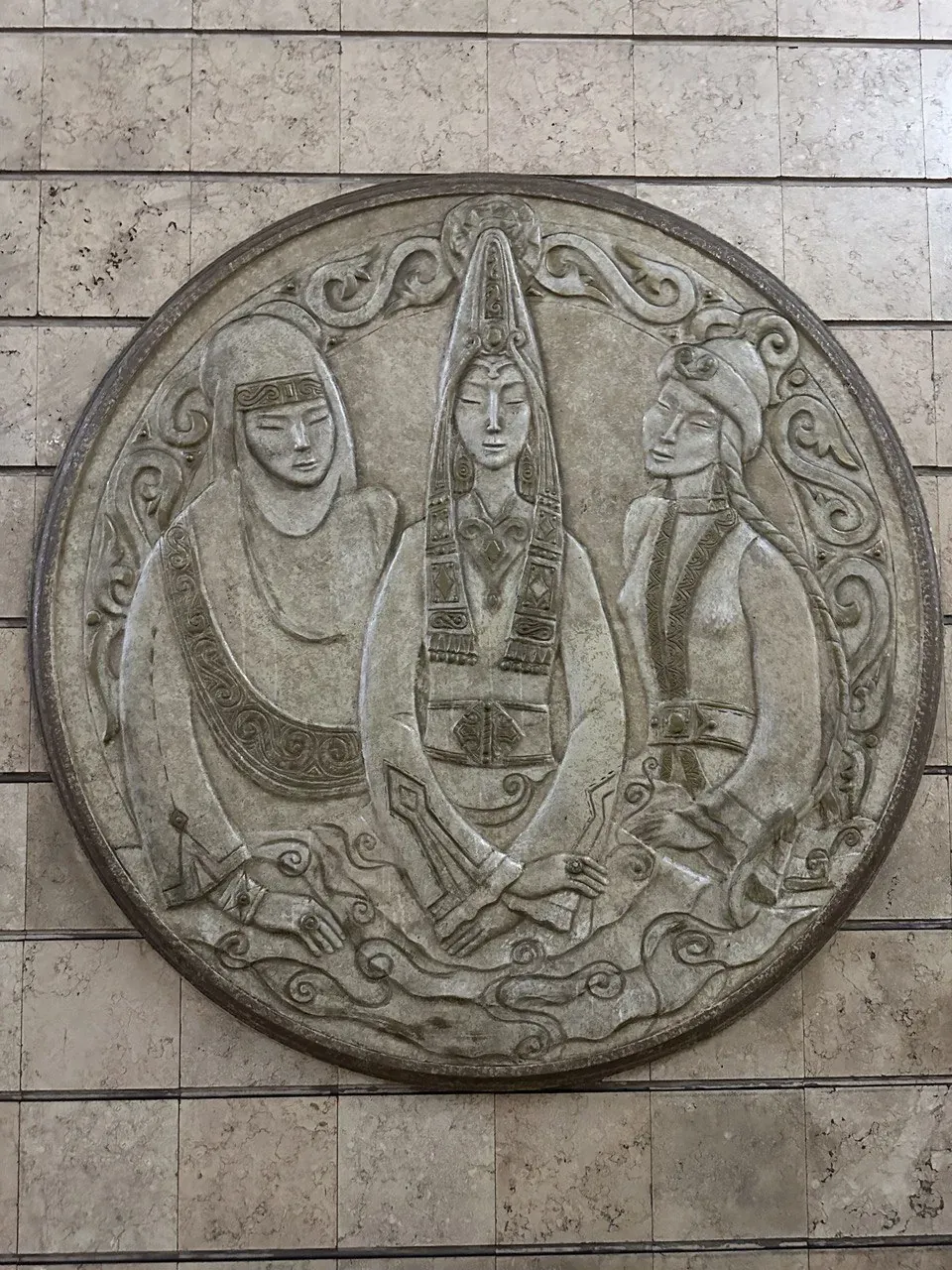
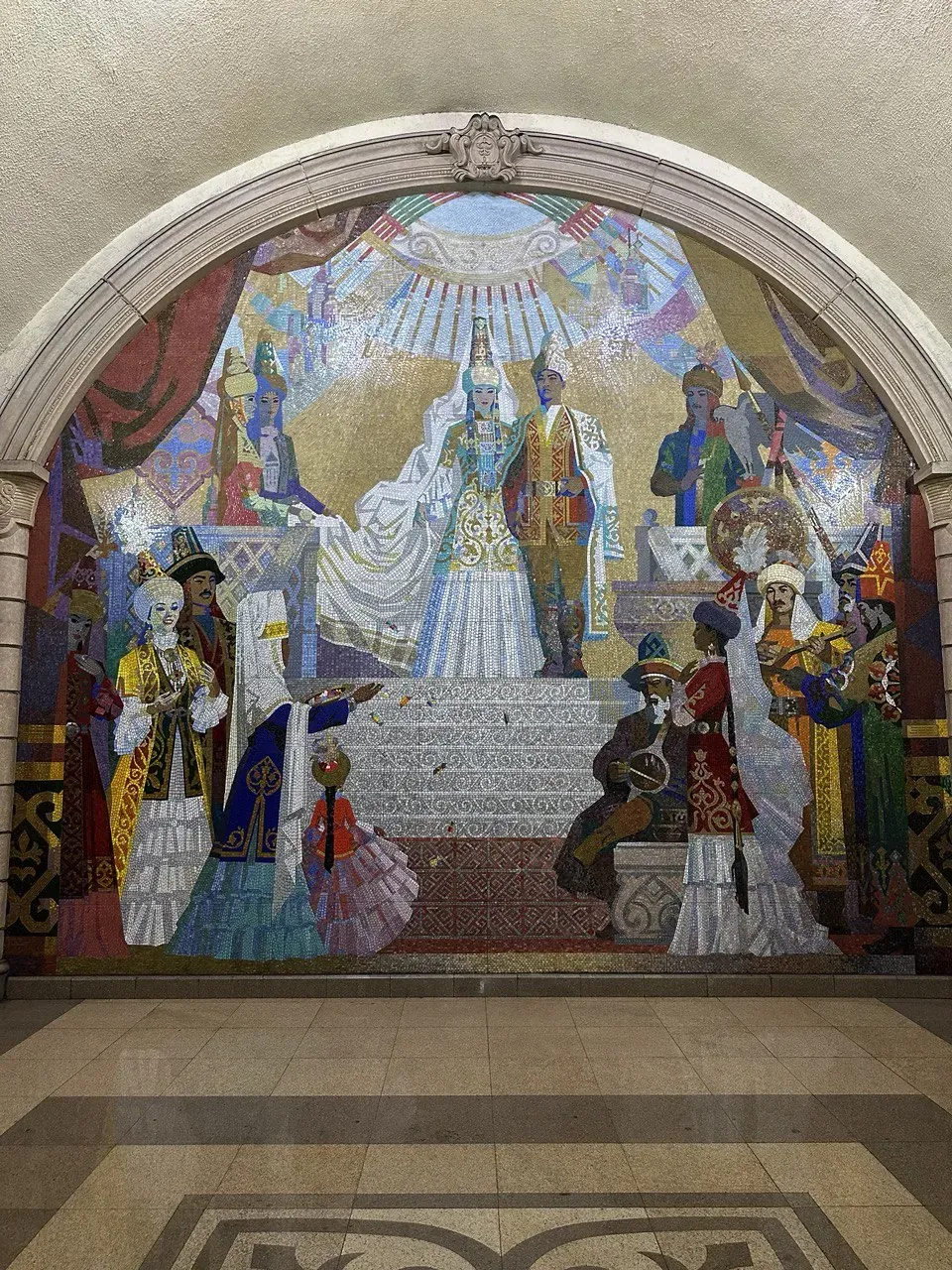
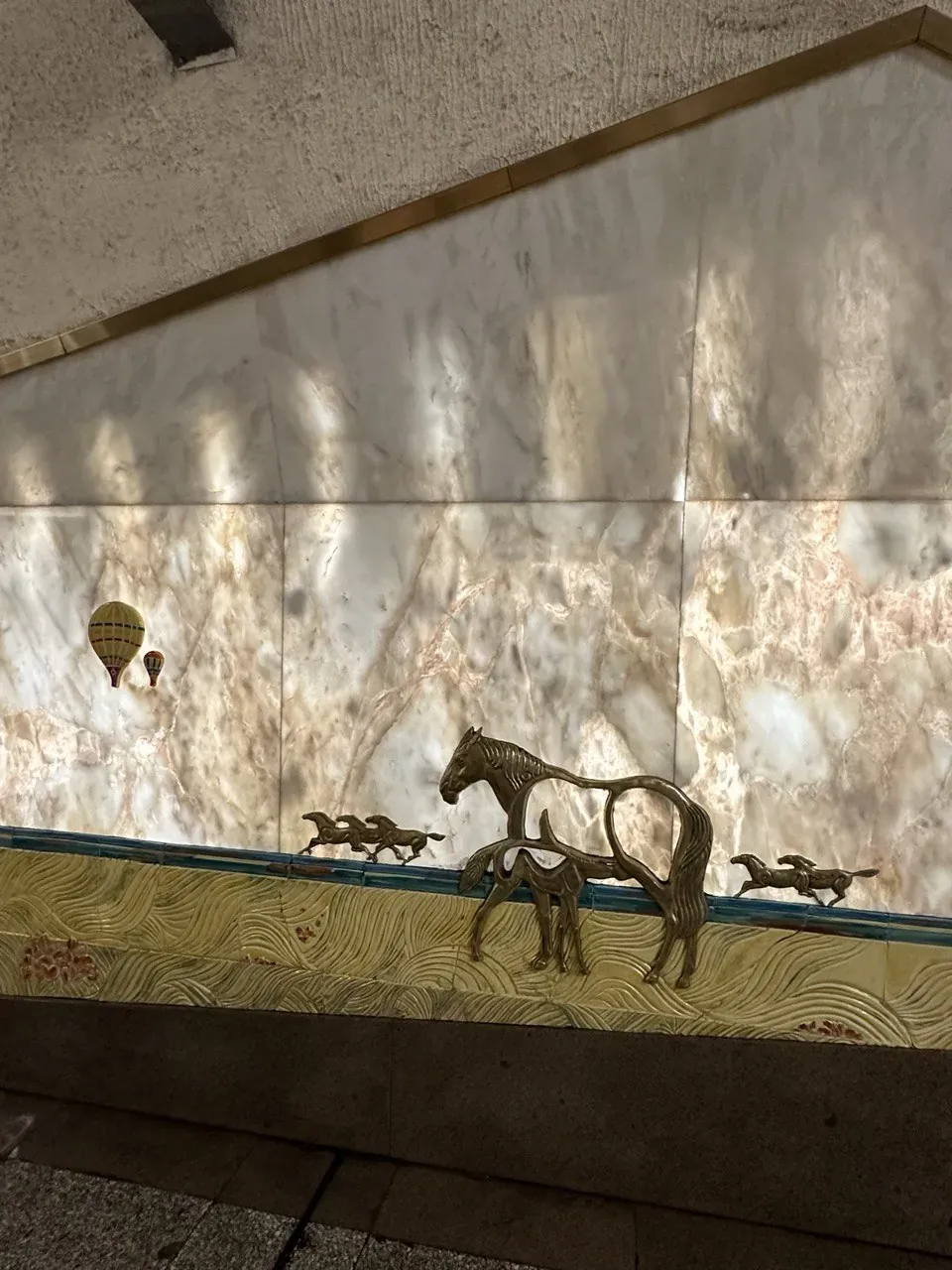
Want to learn about the architecture and history behind each station? Check out our metro tour — details on our website.
Parks and green spaces
First President's Park
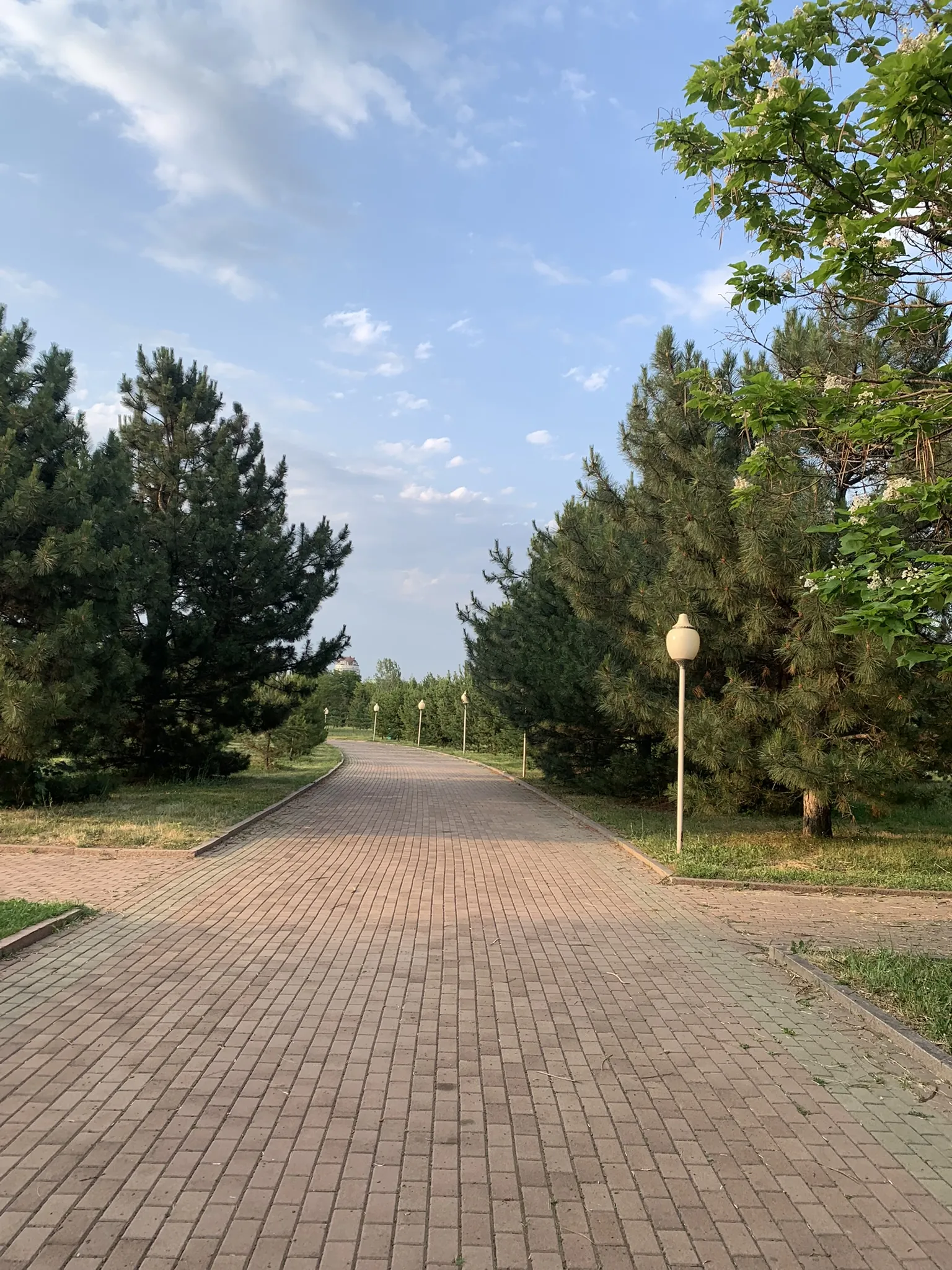
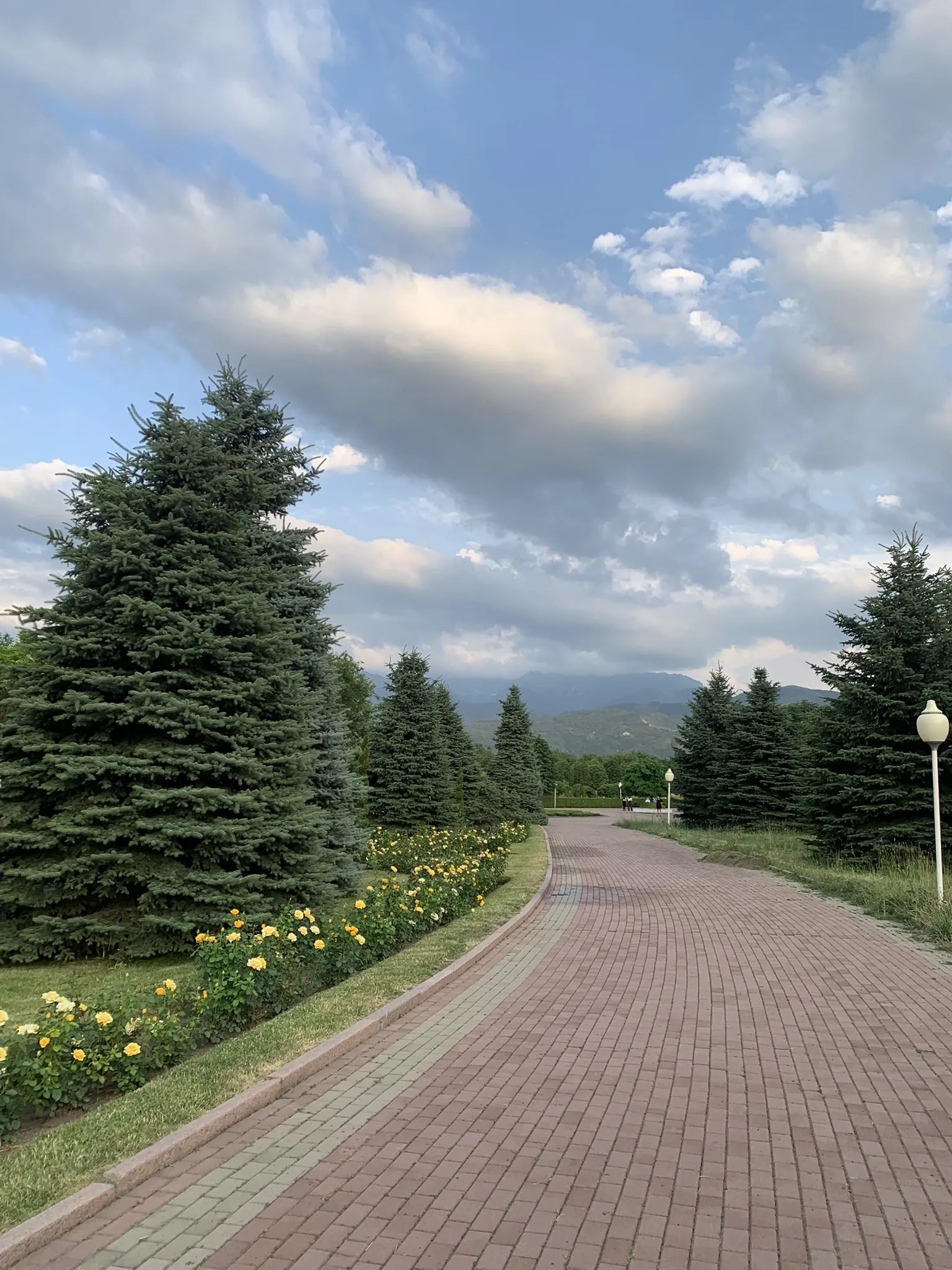
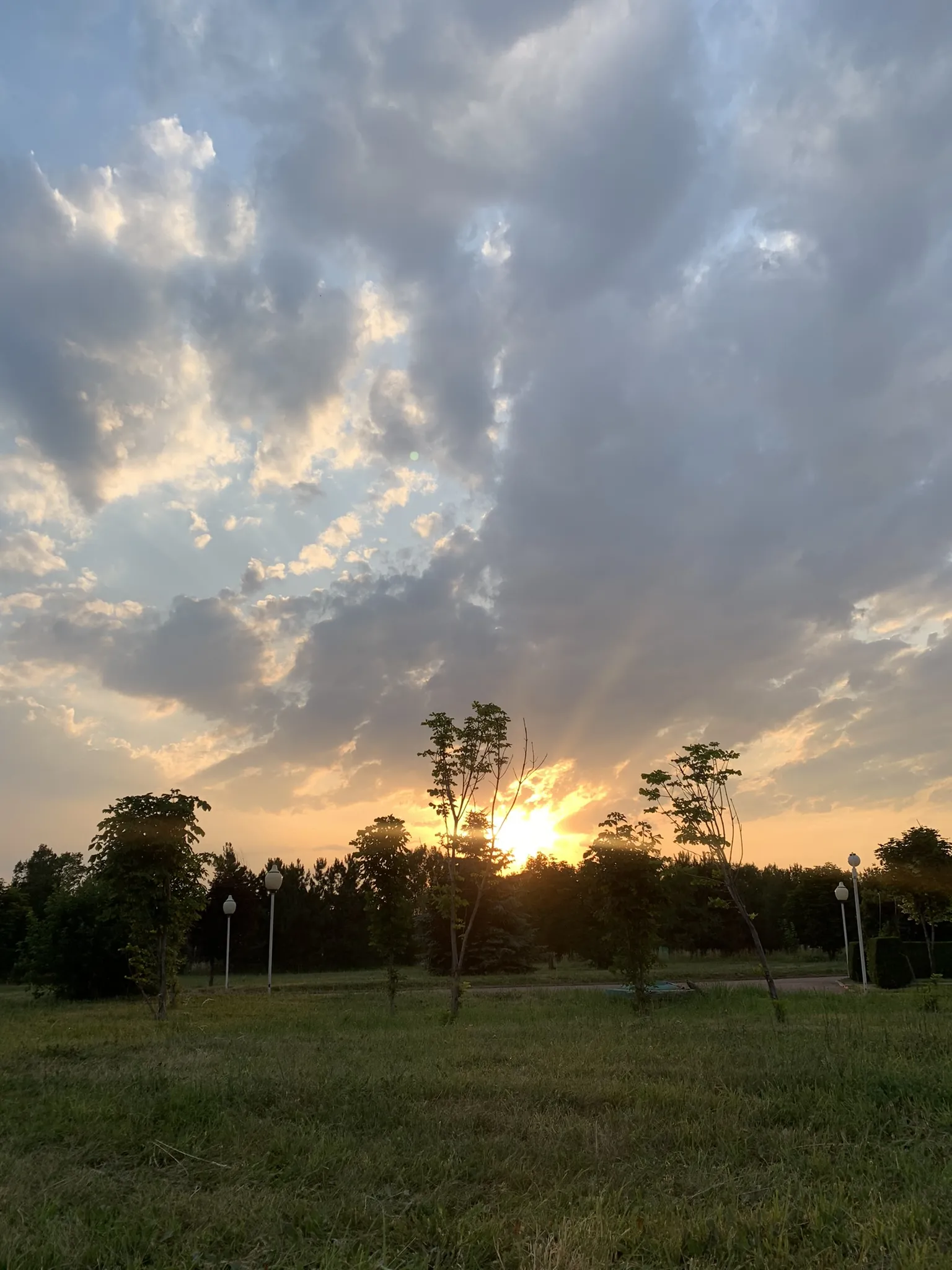
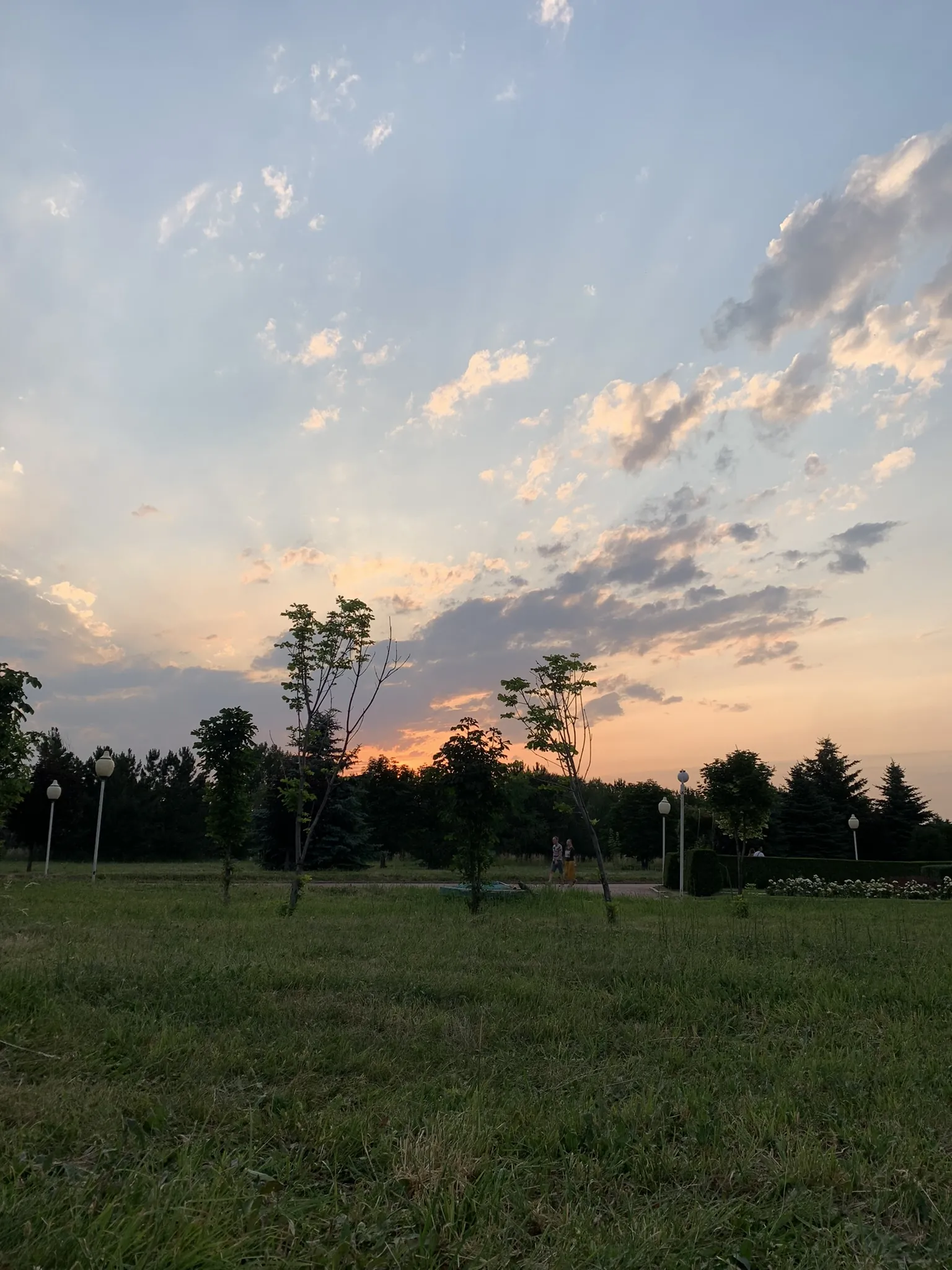
A well-maintained park in the southwestern part of the city with themed gardens: a Japanese garden with a pond, the "Zhety Kazyna" ethno-garden, and a topiary garden with green sculptures. There's a viewing platform with a panorama of the Zailiysky Alatau mountains. In summer, a dancing fountain runs.
Note: since February 2026, the park's first major renovation is underway (in stages, without full closure). The southern section may be temporarily closed — check before visiting.
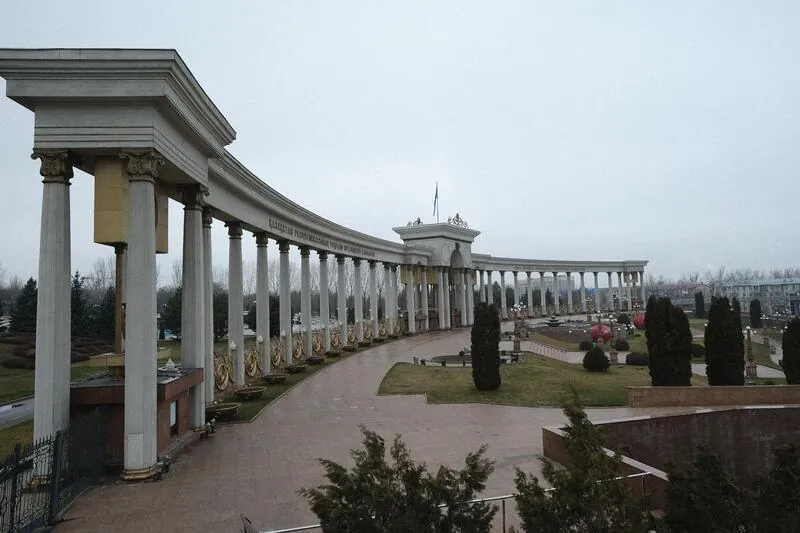 First President's Park — Japanese garden and viewpoint in Almaty
Admission: free
Hours: 05:00–23:00 (winter 09:00–22:00)
On the map: Google Maps | 2GIS | Yandex
Central Park (Gorky Park)
A classic city park: rides, a lake with boats, walkways. In summer there are pedal boats for rent.
With kids — great. Without kids — feel free to skip it, the city has more interesting spots.
Admission: free, rides from 400 to 1,600 KZT (~$0.80–$3.20)
Hours: 11:00–21:00, rides: March–October
On the map: Google Maps | 2GIS | Yandex
Botanical Garden
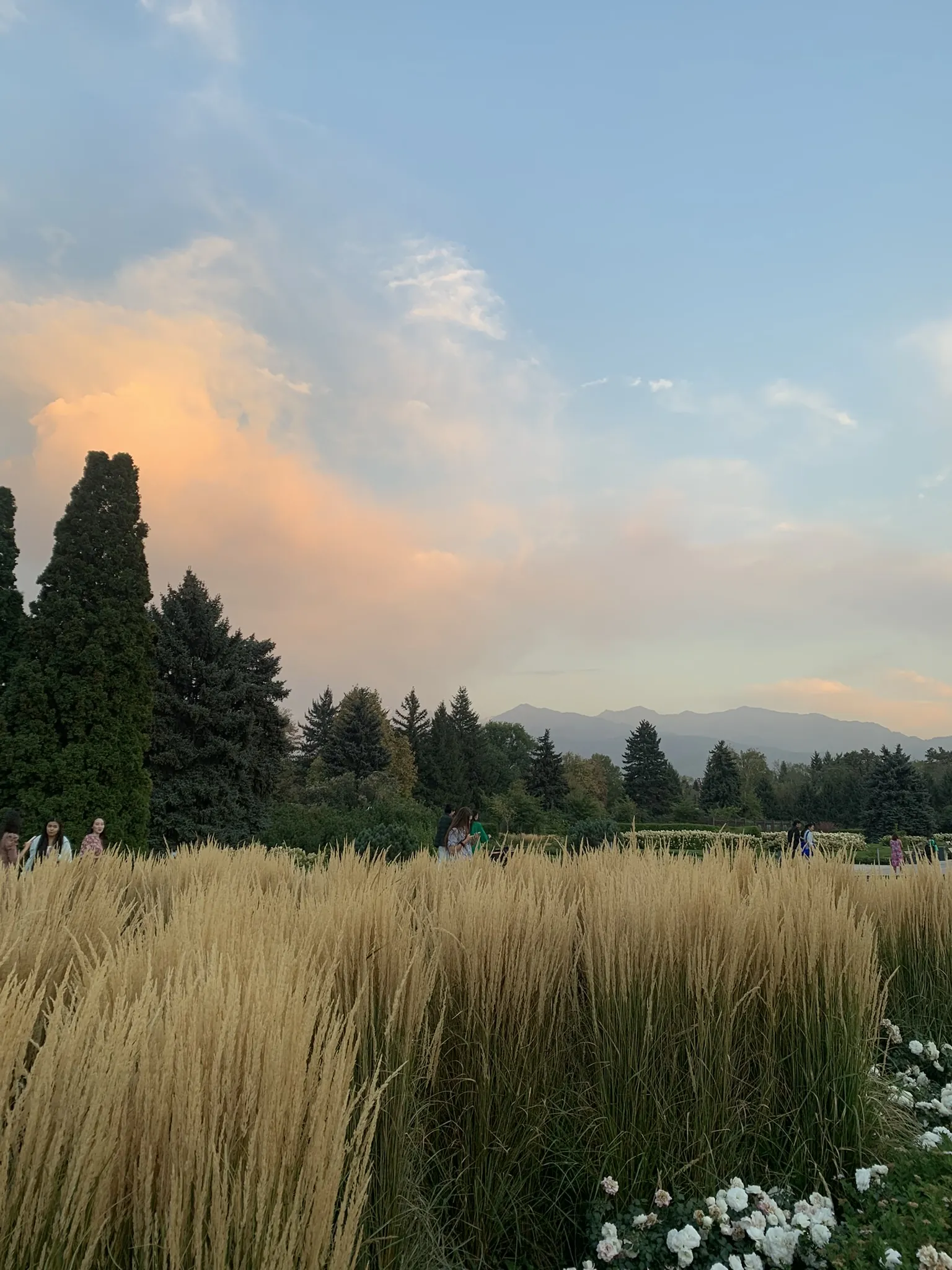
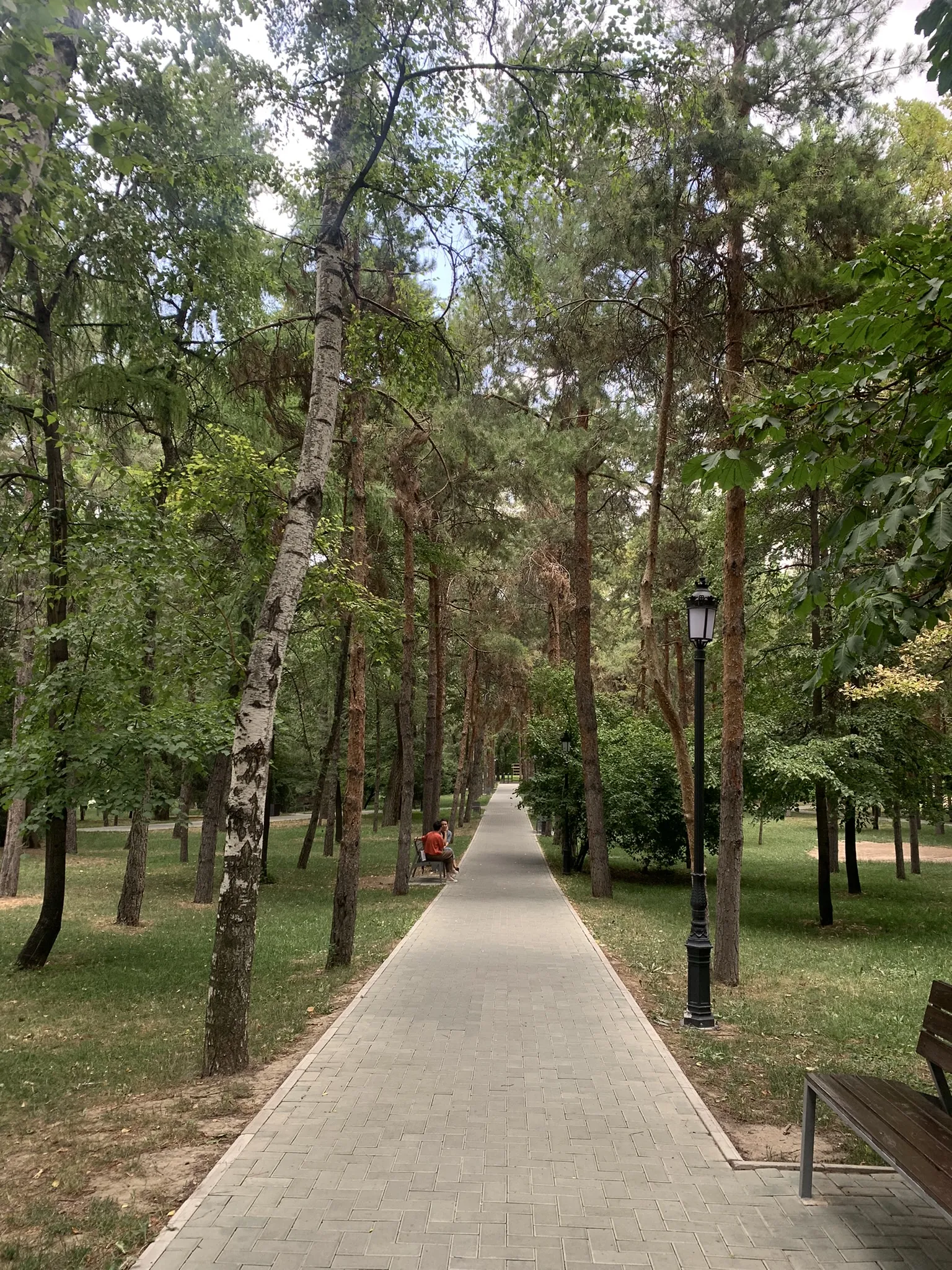
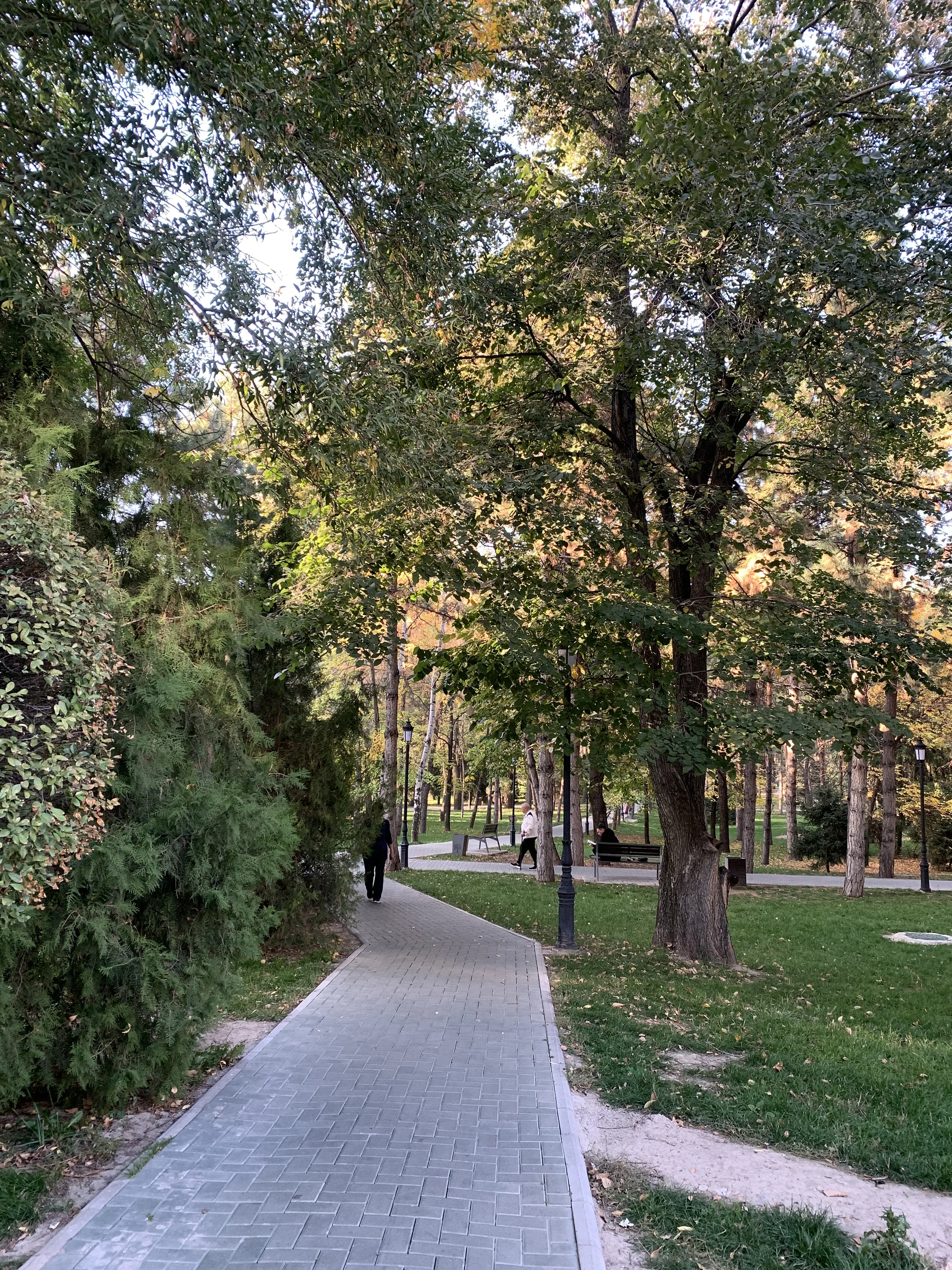
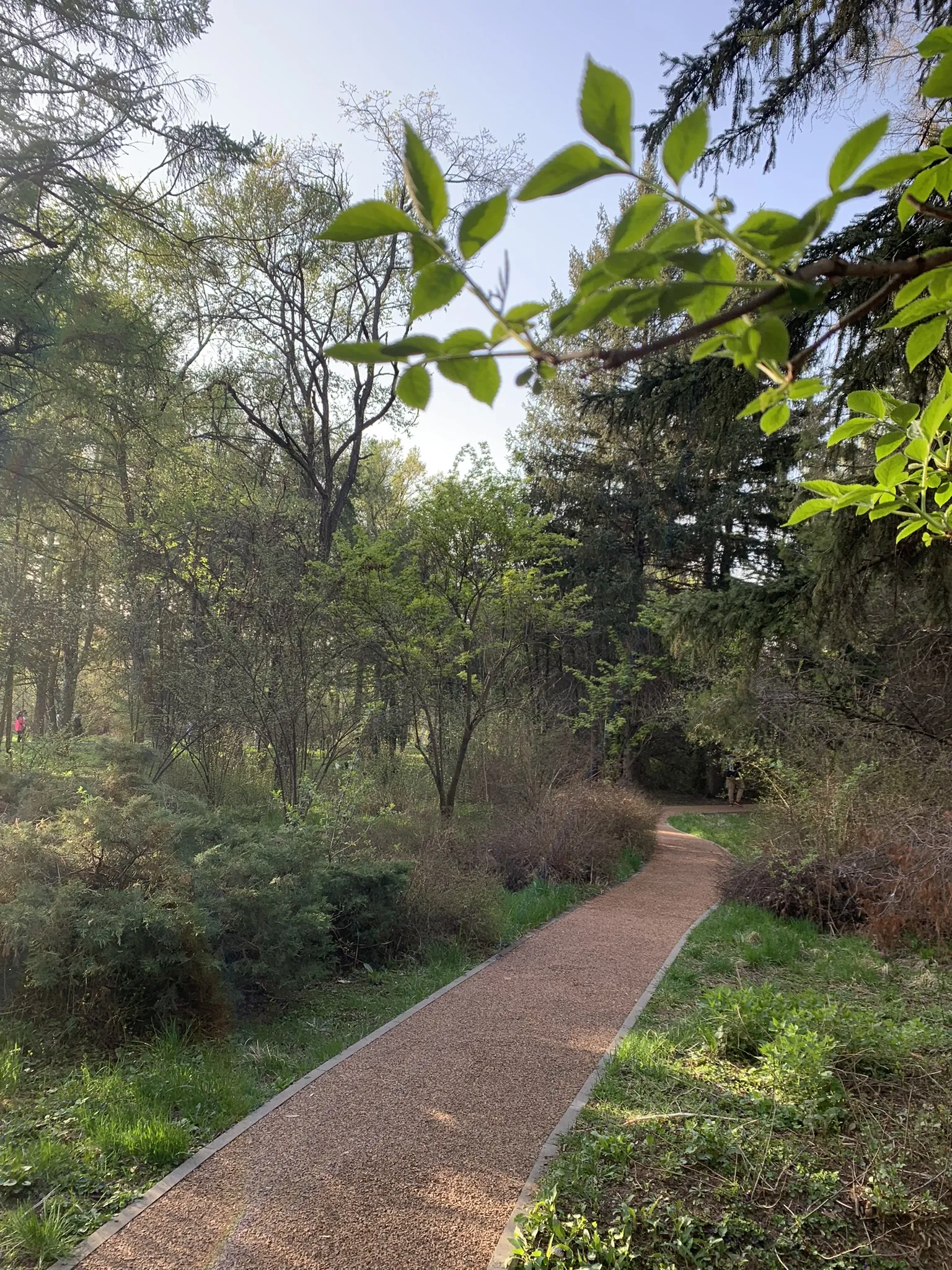
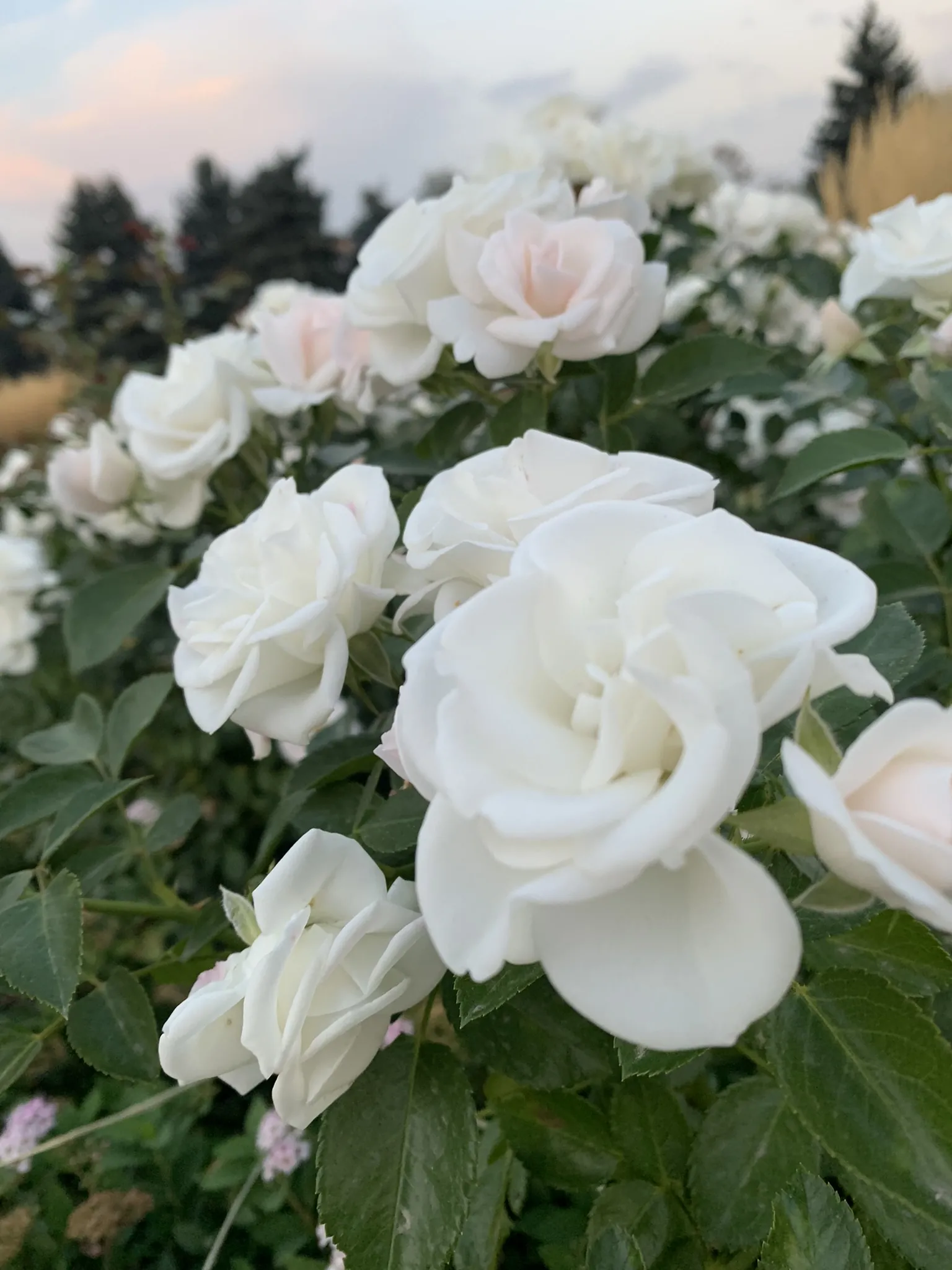
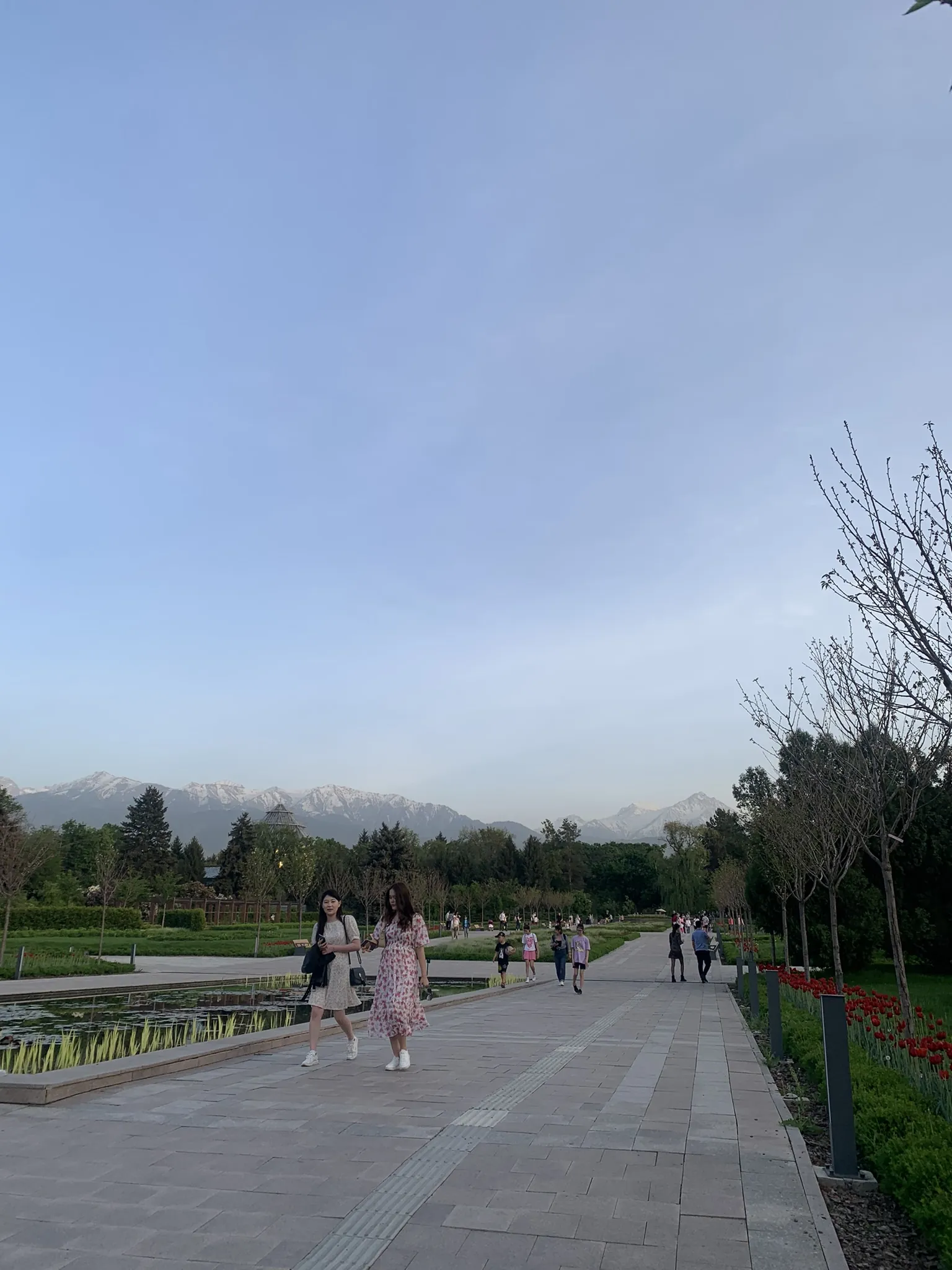
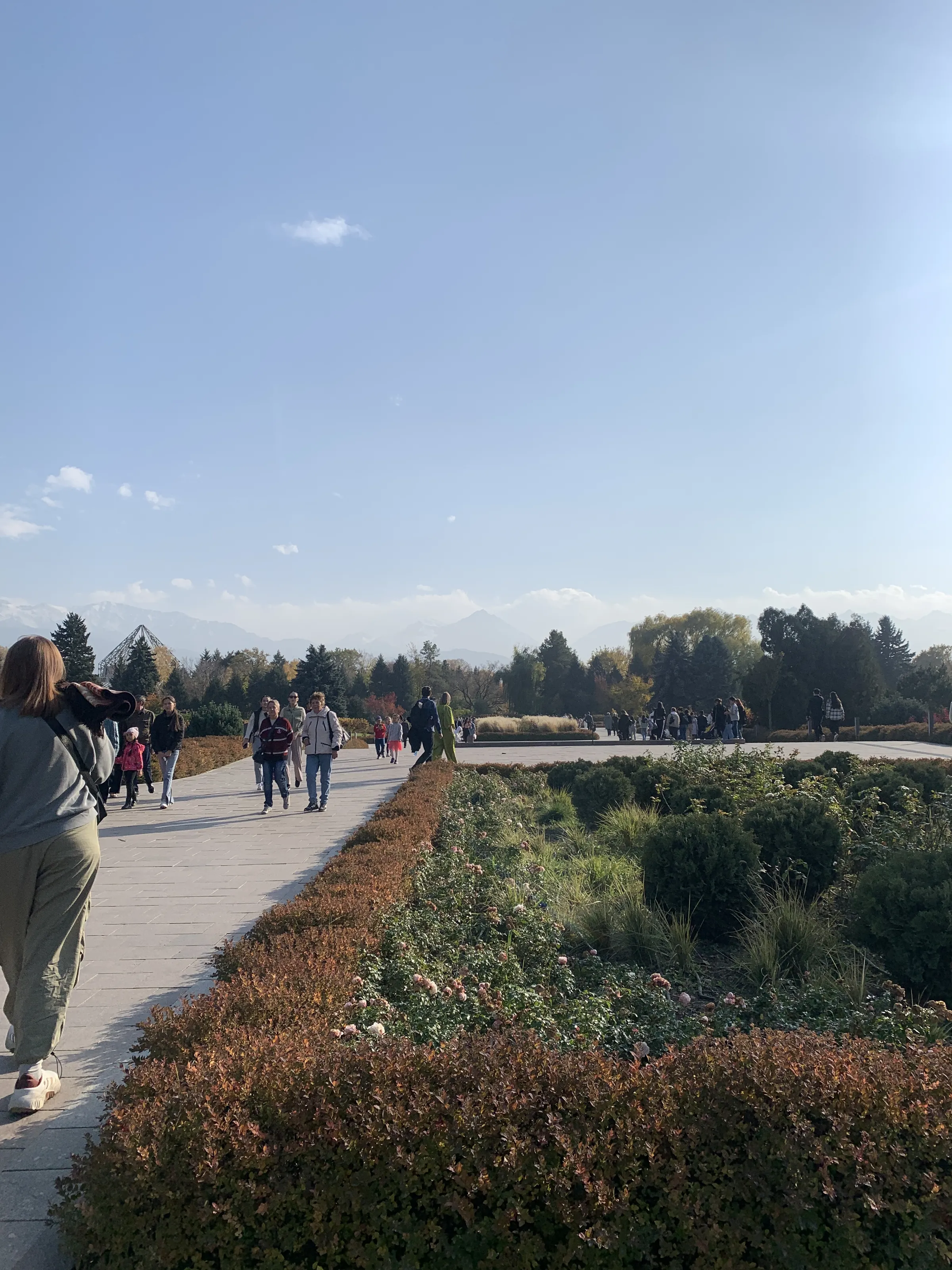
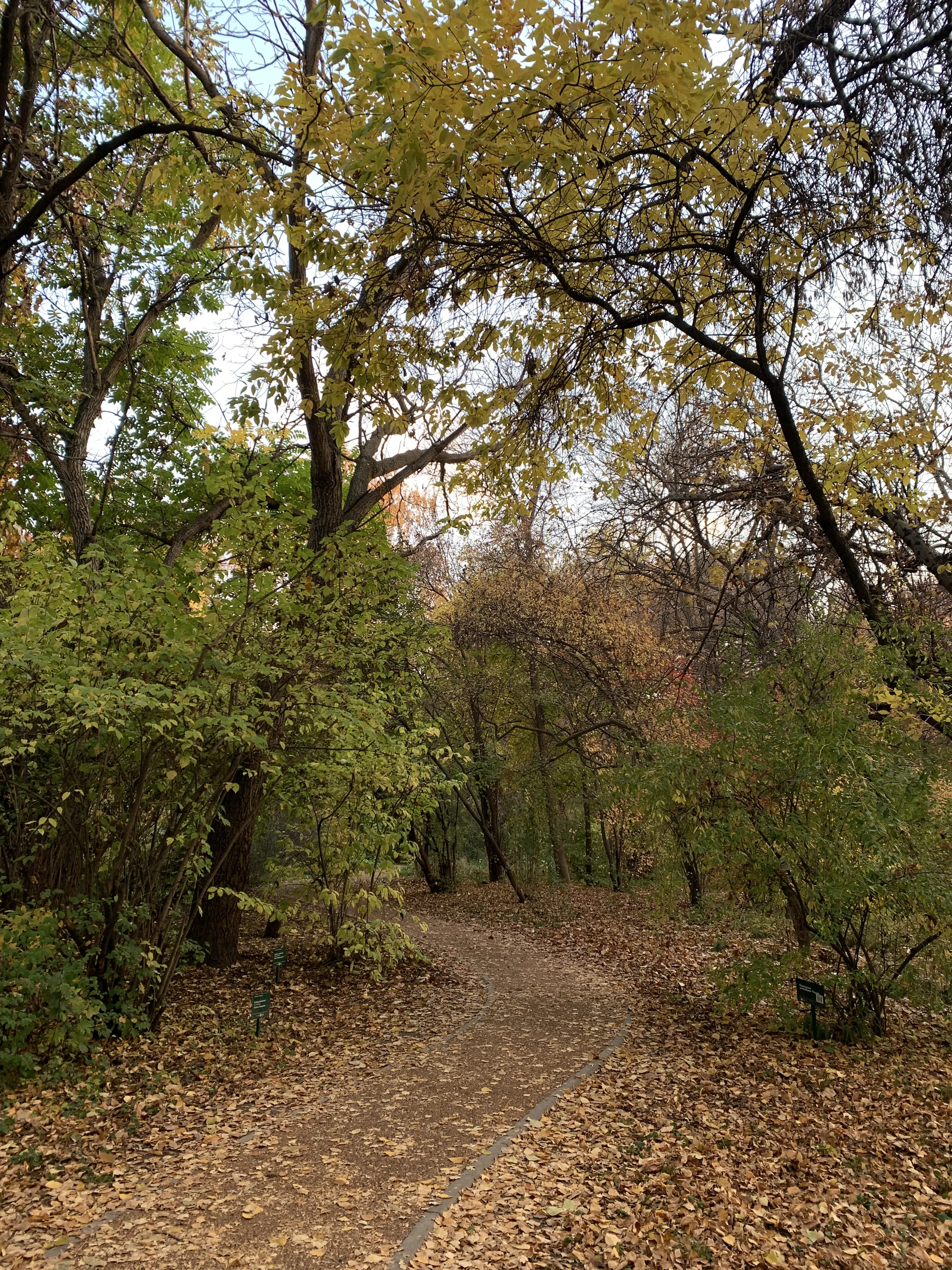
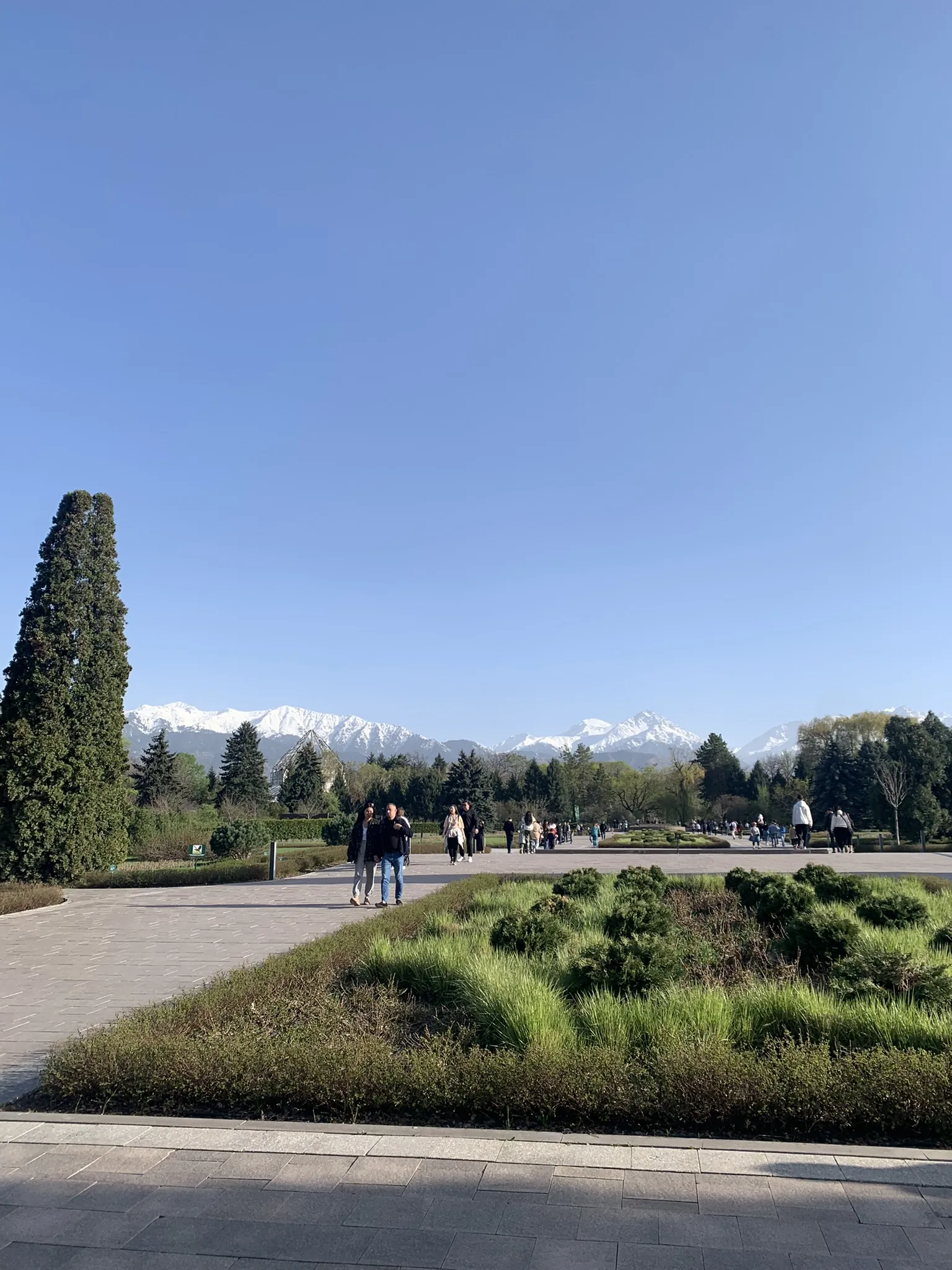
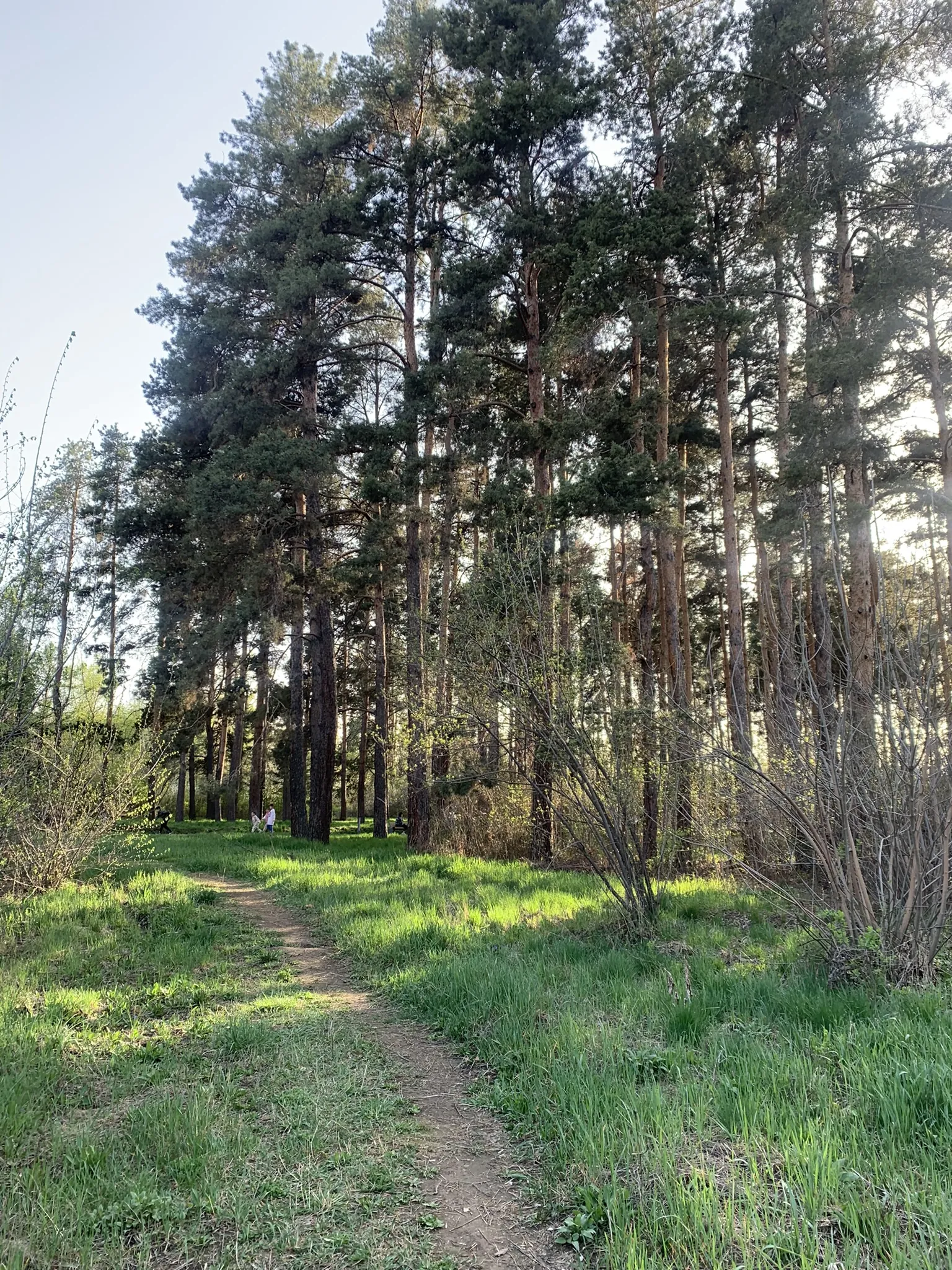
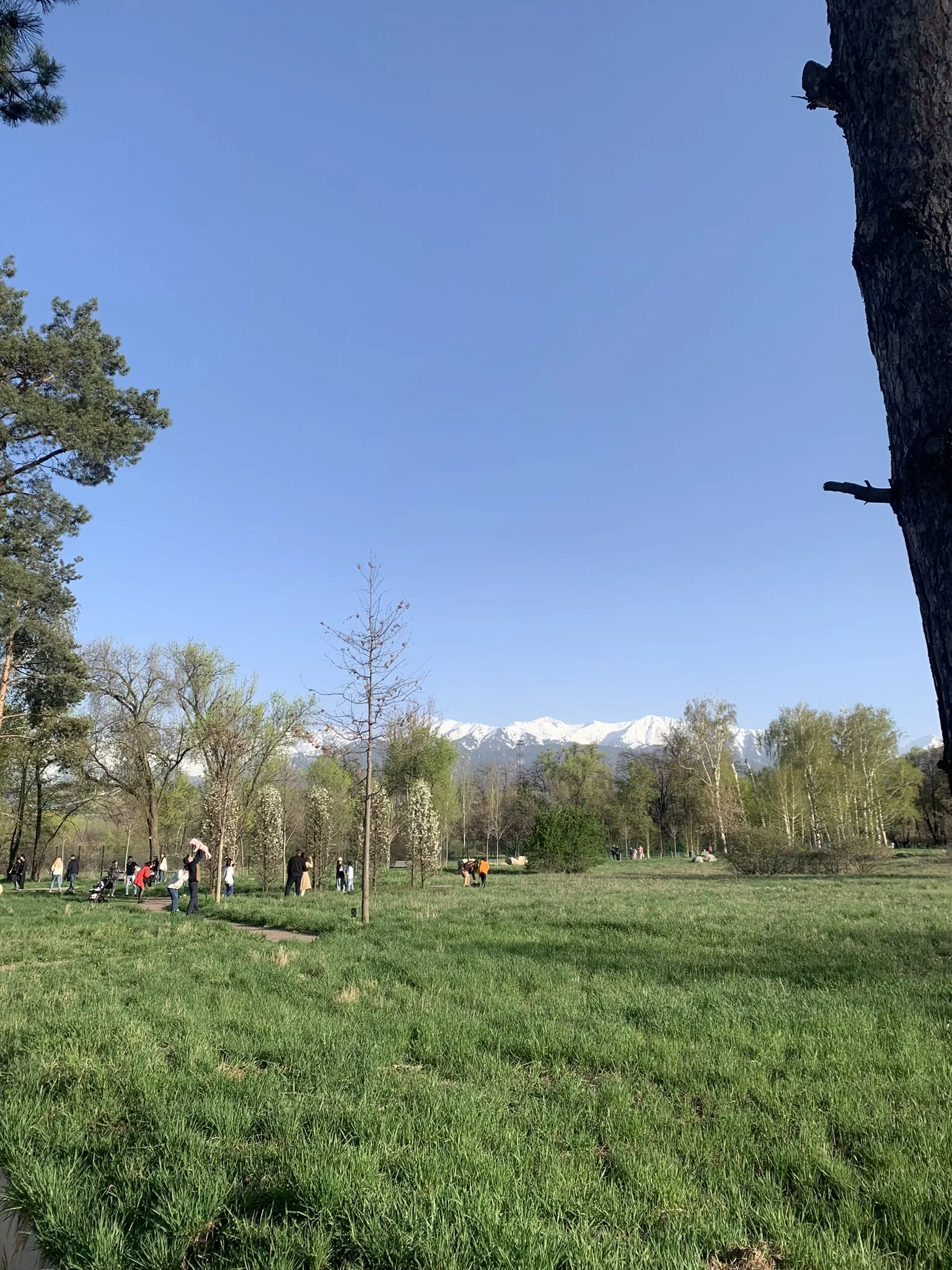
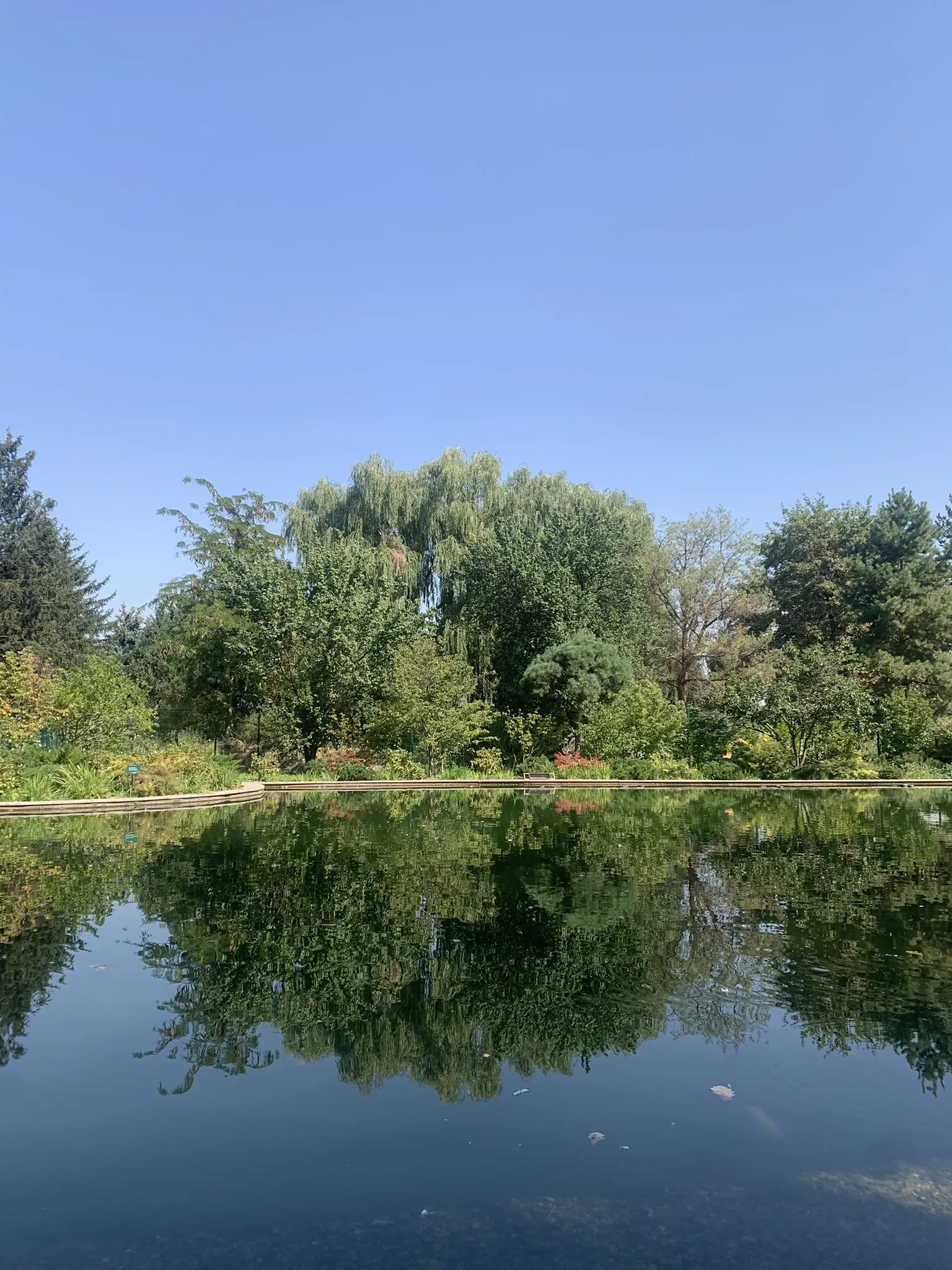
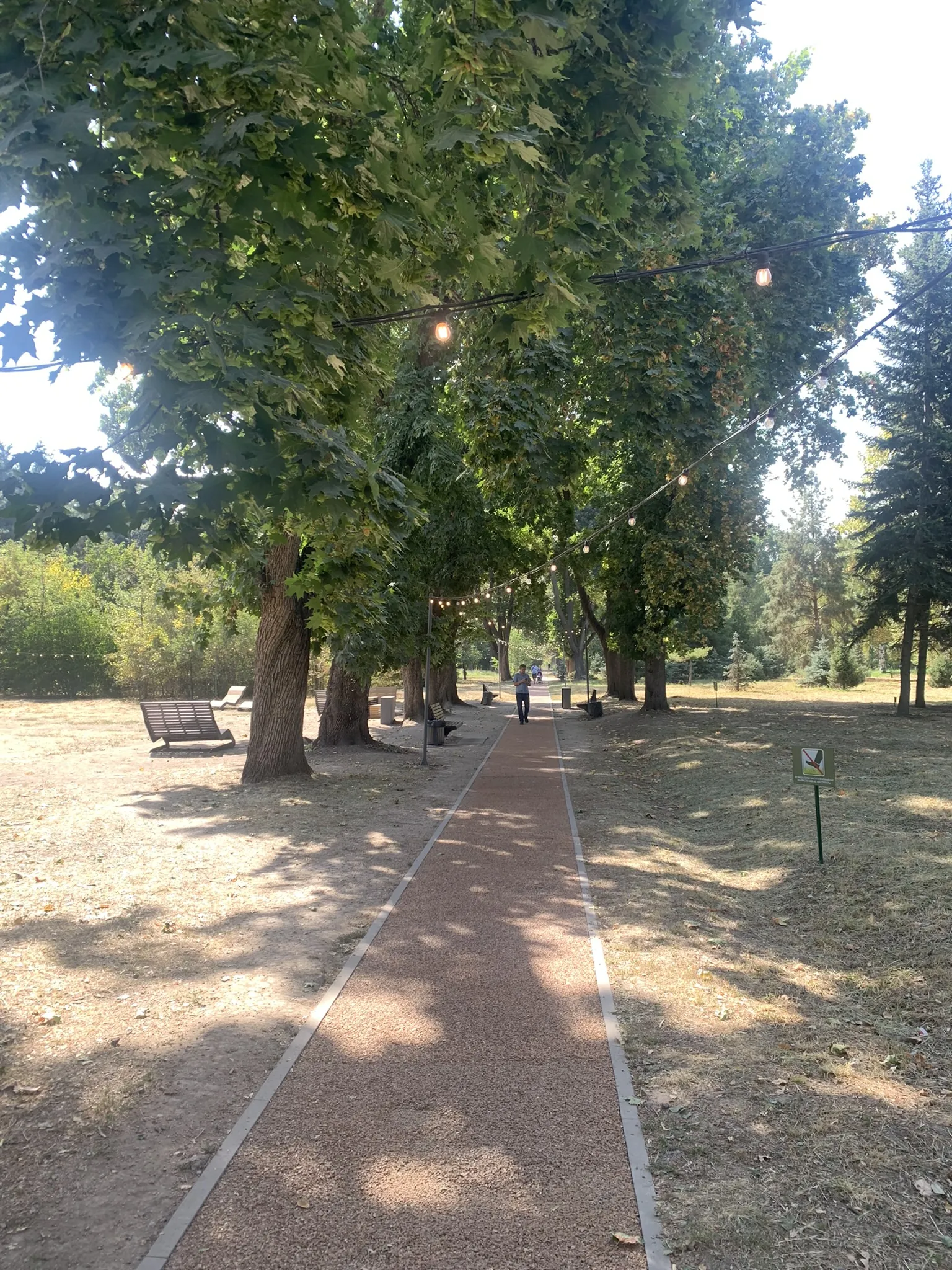
103 hectares of greenery within city limits. Near the entrance — well-kept flower beds and walkways, more like a formal garden. Further in — a wilder, more park-like section. Beautiful in spring and summer: blossoms, fresh air.
Locals come here for walks. Easy to combine with the terrenkurs (walking trails): one of the foothill paths starts right nearby.
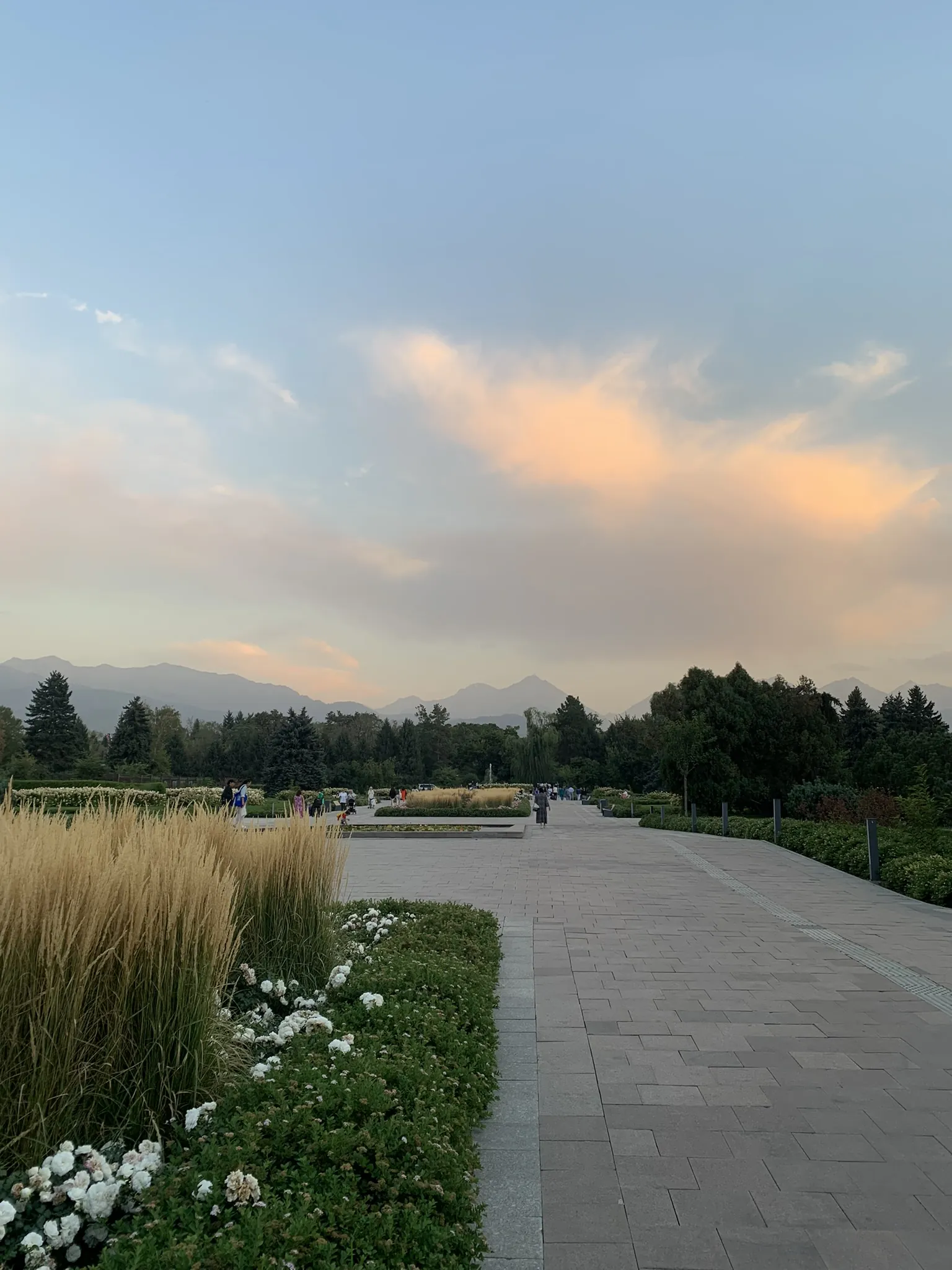 Almaty Botanical Garden — walkways and flower beds
Admission: ~930 KZT (~$1.90) adult (2026, price adjusted for the new 16% VAT)
On the map: Google Maps | 2GIS | Yandex
Lake Sayran
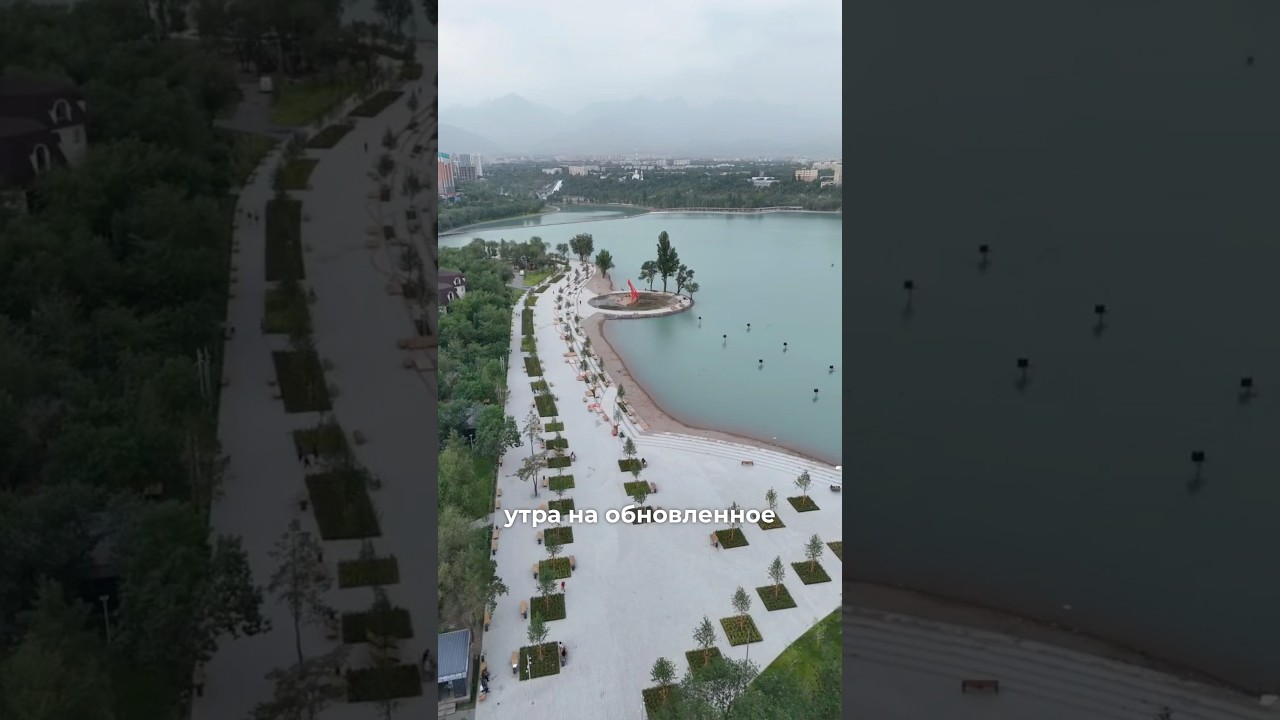
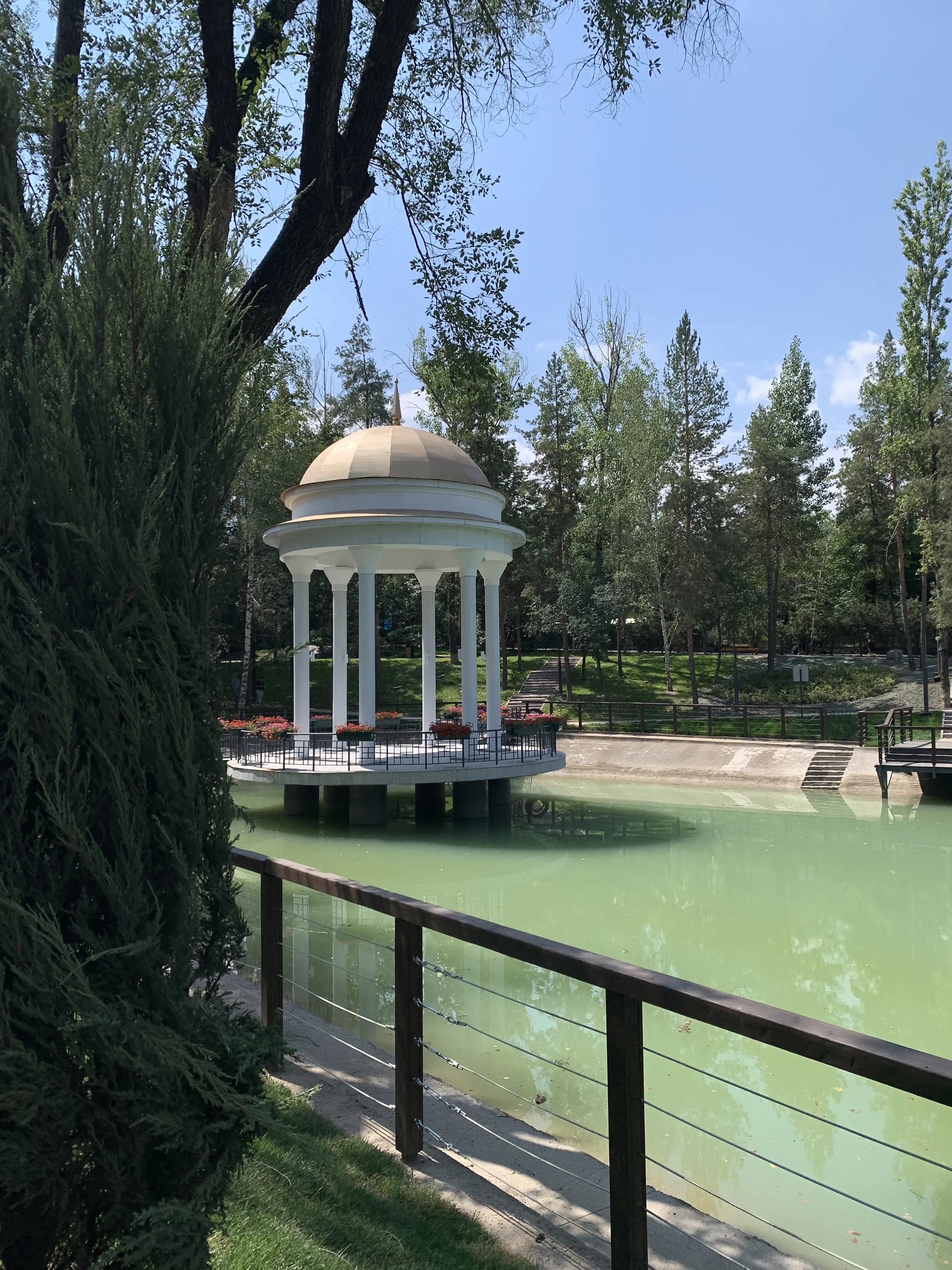
An artificial reservoir with a waterfront promenade, bike paths, and sports facilities. Popular with locals, but tourists rarely make it here. A great spot for a morning run or a sunset stroll.
Note: swimming is prohibited. The waterfront has undergone a major renovation (12 billion KZT / ~$24M), and the recreation area is mostly open, but some sections may still be under construction — check before visiting.
Admission: free
On the map: Google Maps | 2GIS | Yandex
Museums
Almaty Museum of Arts
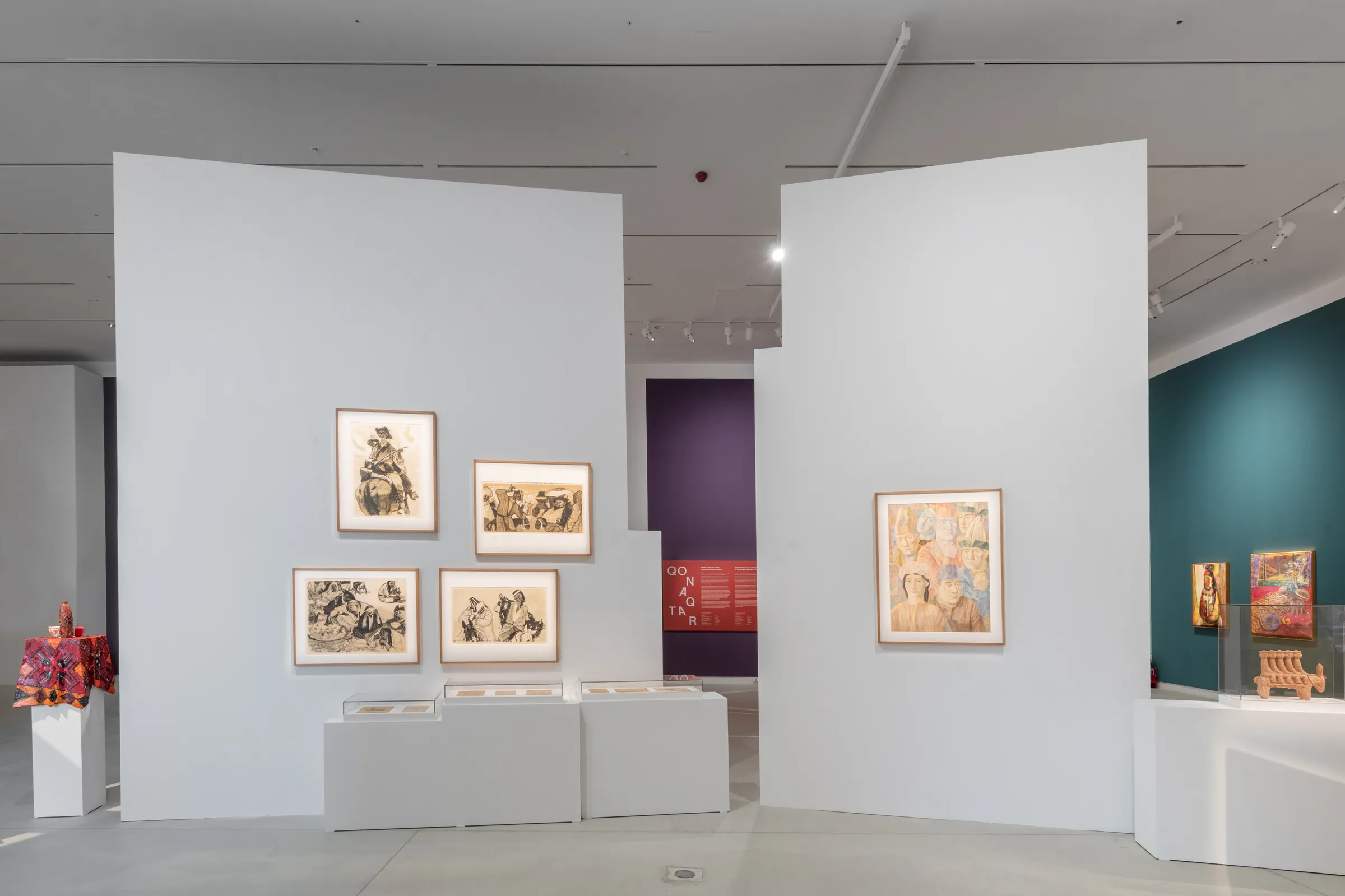
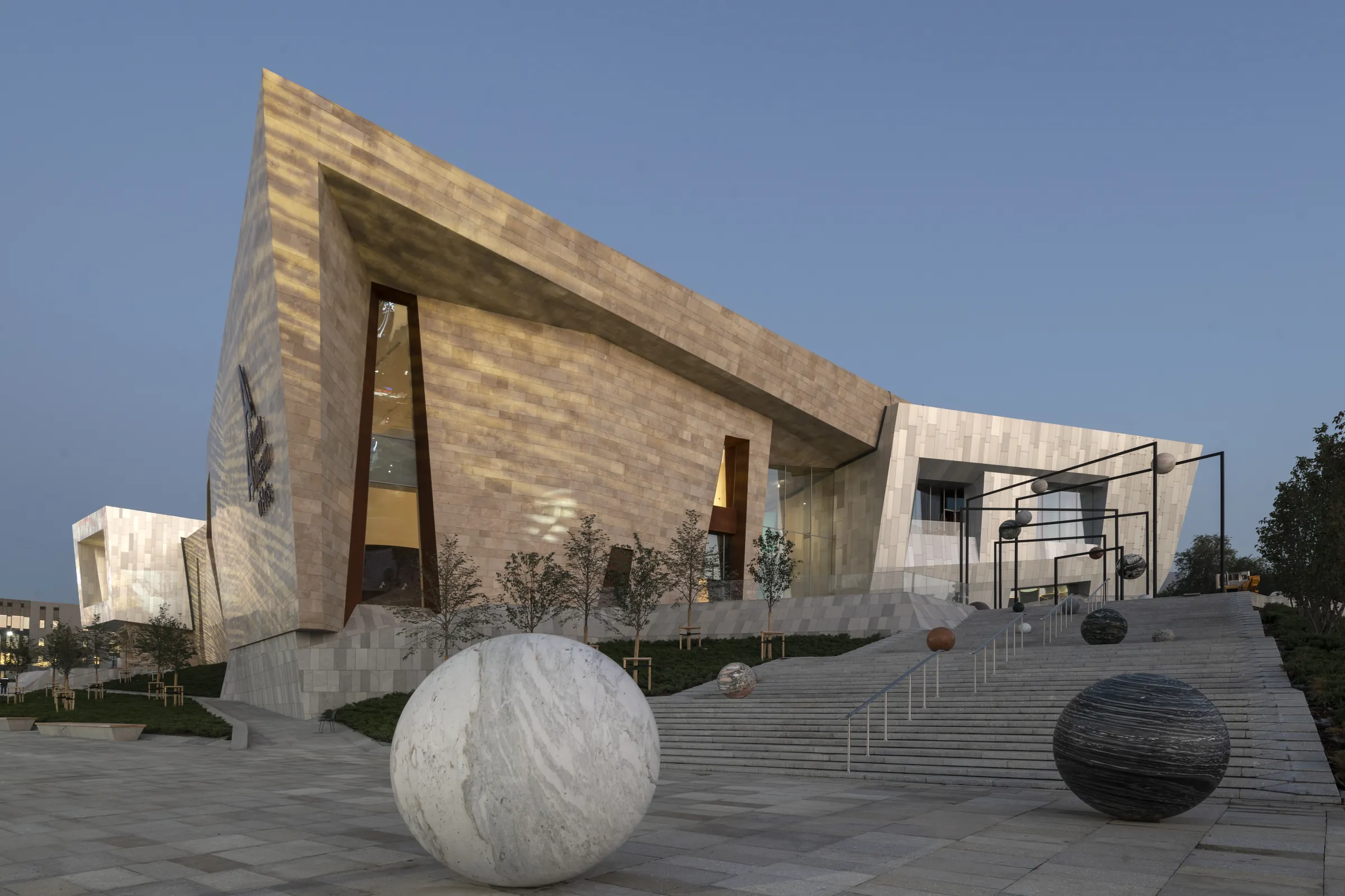
The city's biggest cultural newcomer. The first private museum of this caliber in Central Asia, opened in fall 2025 (Nurlan Smagulov Foundation).
Why go: world-class architecture (Chapman Taylor studio) and contemporary art never before exhibited in Kazakhstan. The building itself is an art piece, located at the intersection of Al-Farabi and Nazarbayev avenues.
What's cool: Richard Serra, Yayoi Kusama, Alicja Kwade in dialogue with Central Asian artists. European gallery-level quality. There's a solid bookshop and a cafe inside.
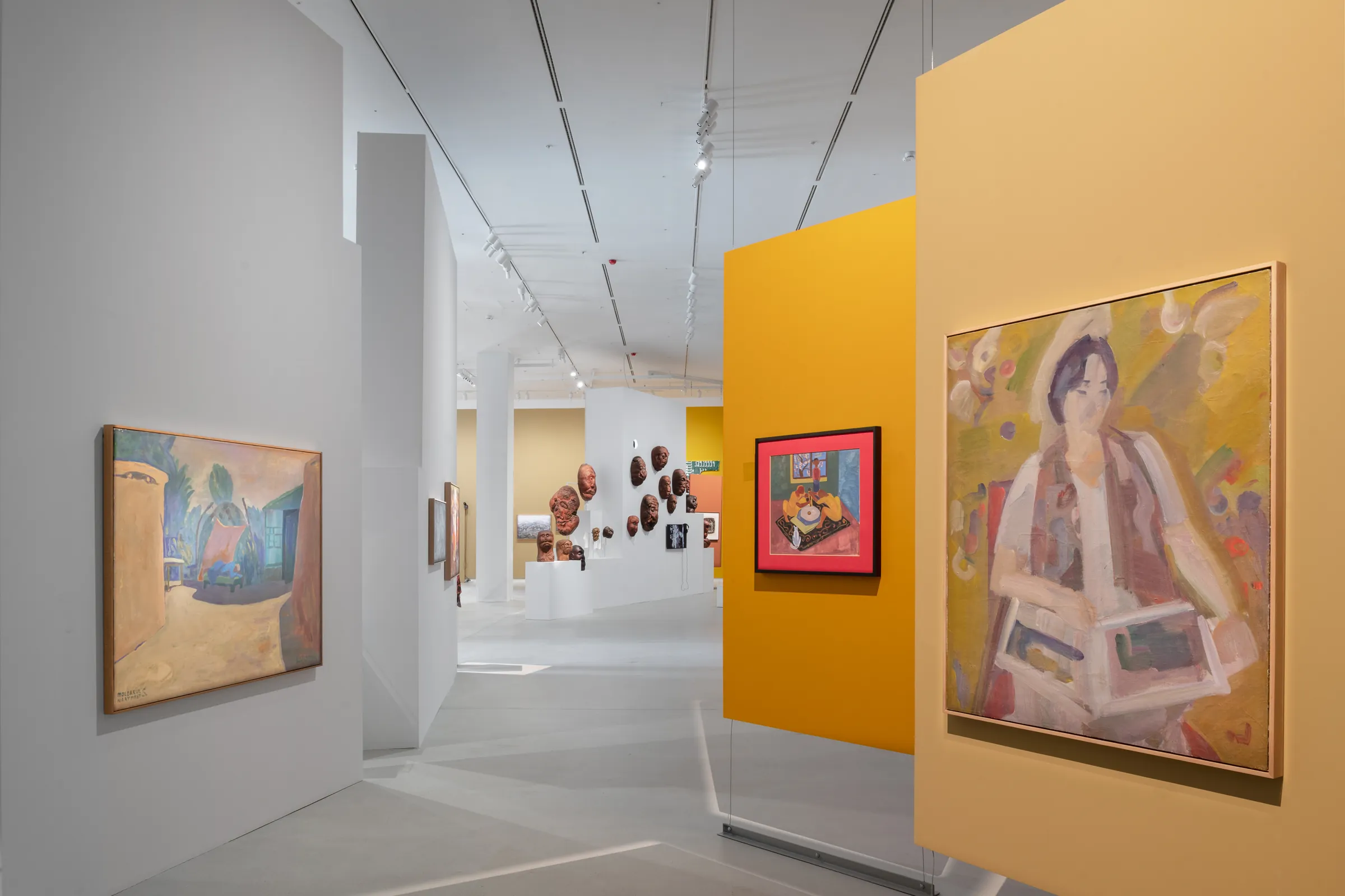 Almaty Museum of Arts — contemporary architecture and exhibitions
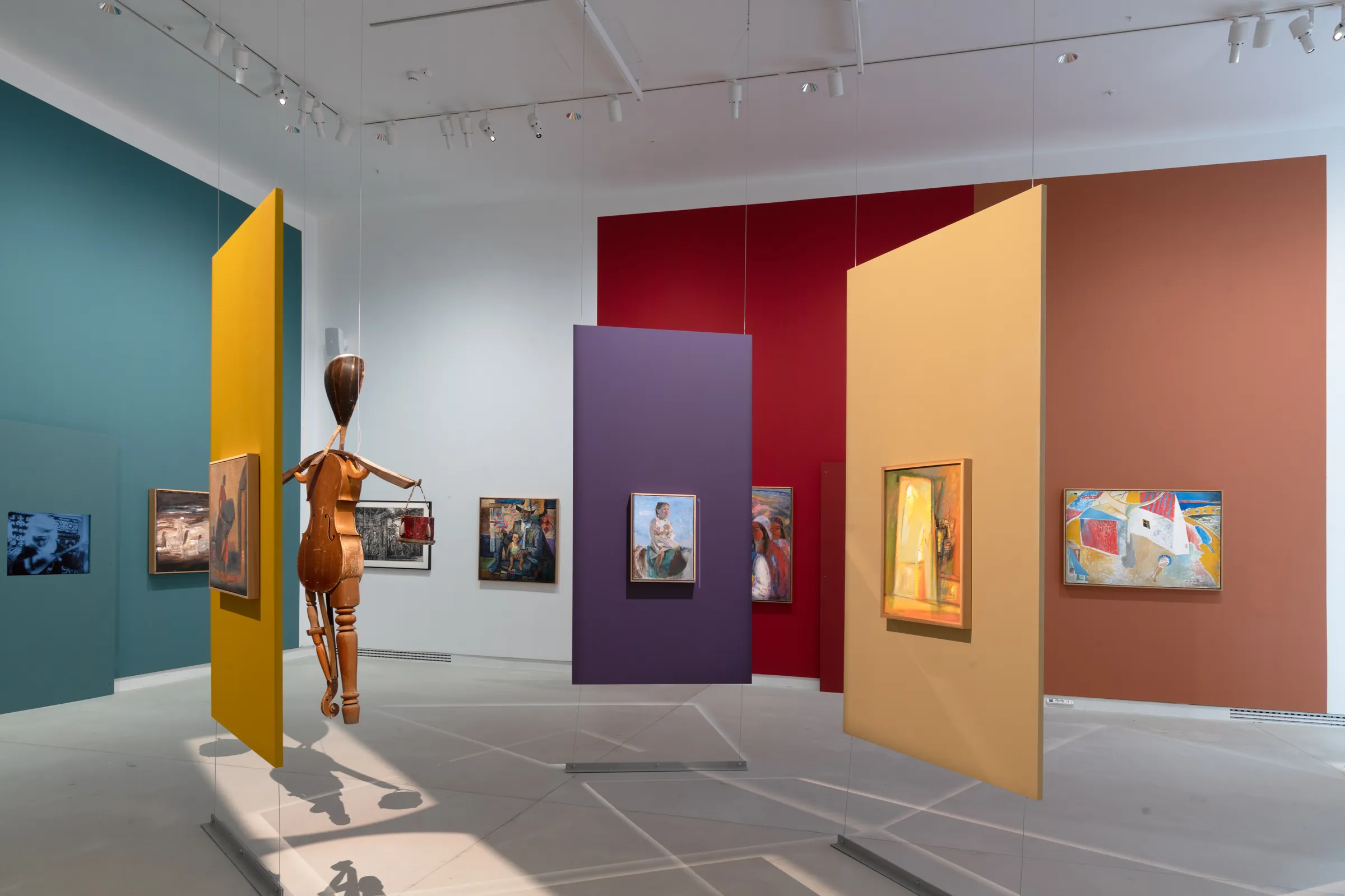
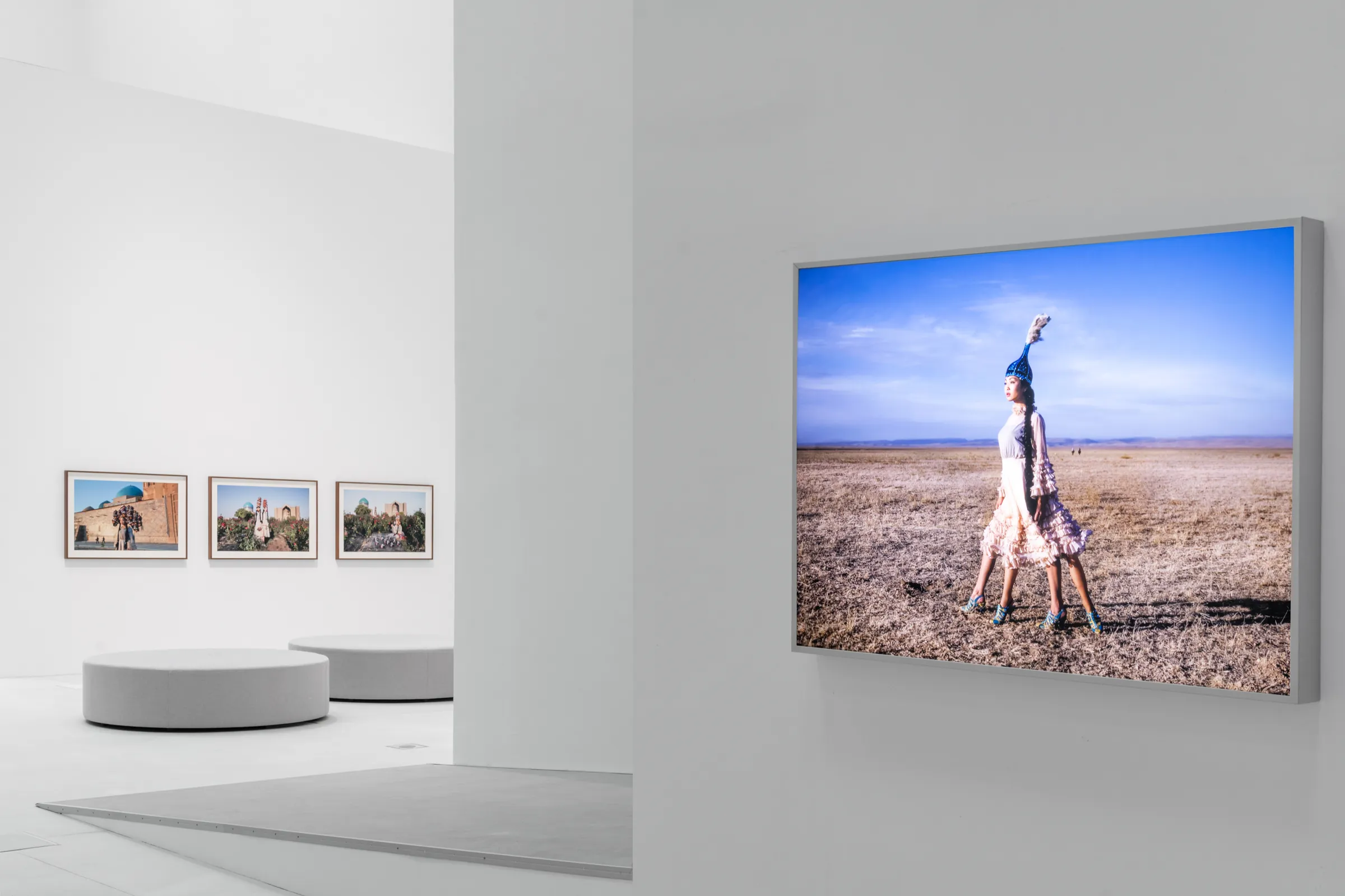
Price: 2,000 KZT (~$4) adult, 500 KZT (~$1) reduced (2026)
Hours: 11:00–20:00, closed on Mondays
Website: almaty.art
On the map: Google Maps | 2GIS | Yandex
Ykhlas Museum of Folk Instruments
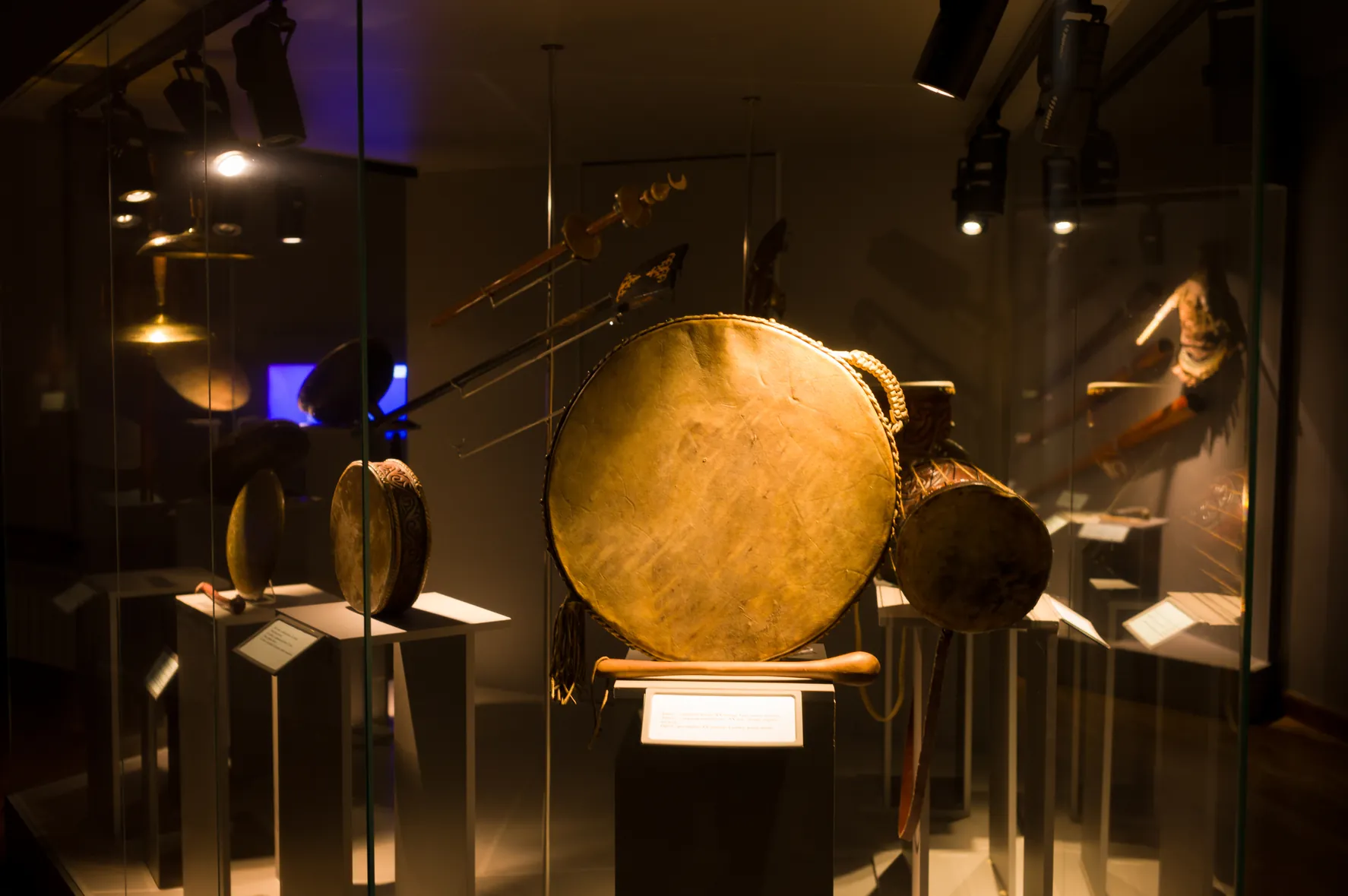
Arguably the most atmospheric museum for a tourist — located right across from Panfilov Park.
Why go: for the building and a dive into Kazakh culture without boring lectures. The wooden "terem" (a traditional Russian-style mansion) dates back to 1908 (formerly the Officers' Assembly Hall) — one of the last examples of Verny-era architecture (Almaty was called Verny before 1921) that survived the earthquakes.
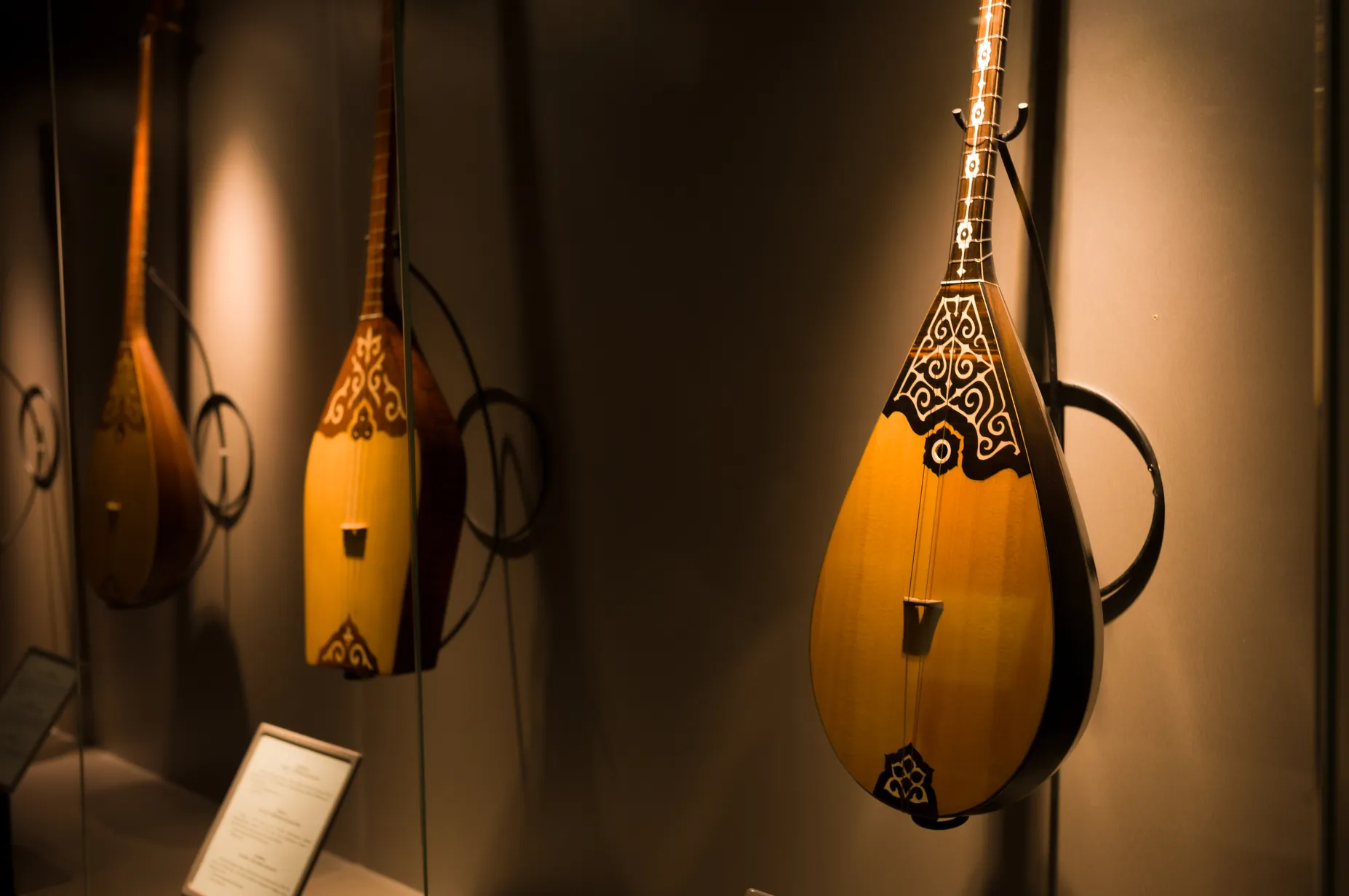
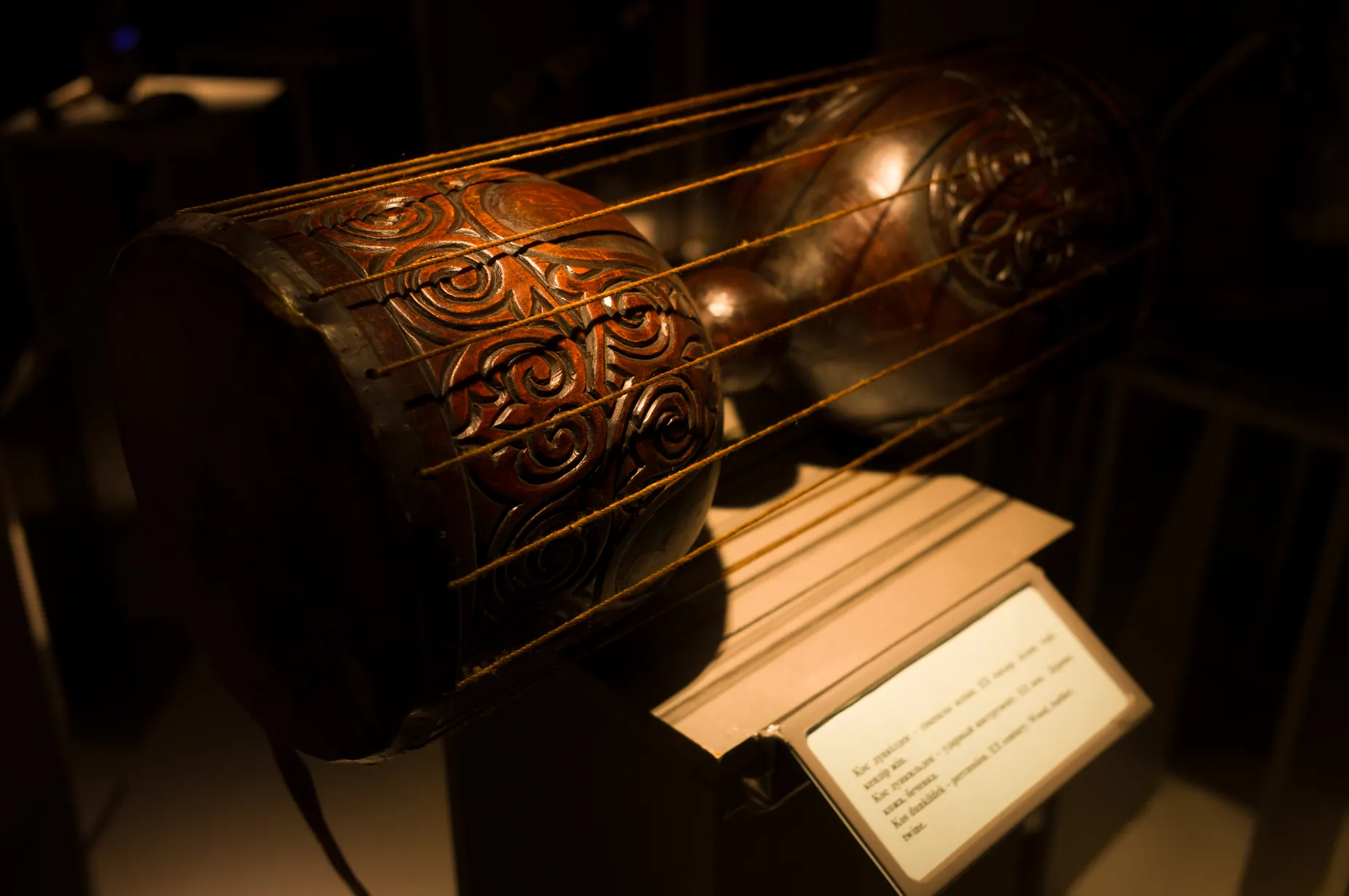
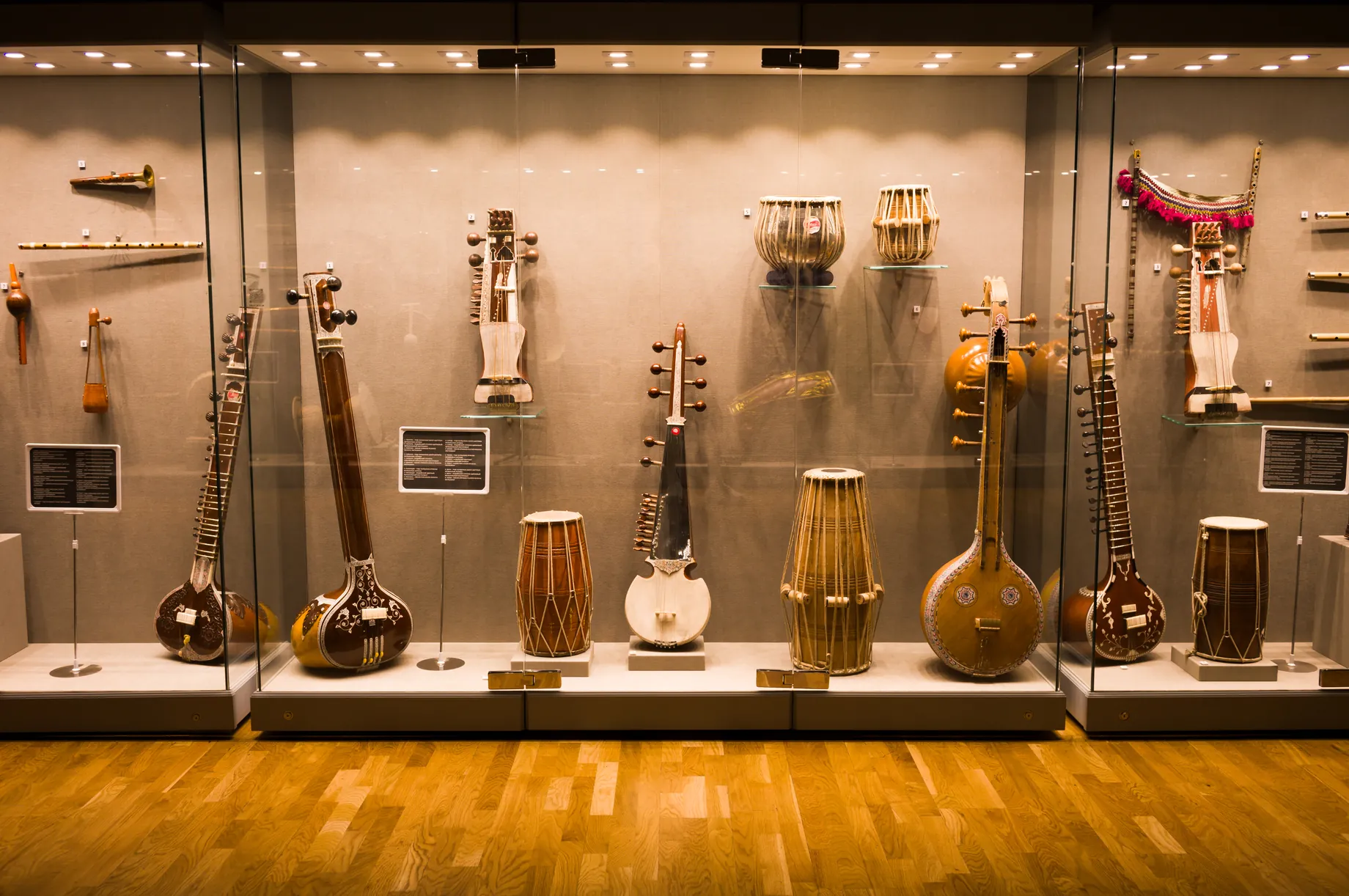
What's cool: a collection of Kazakh instruments — narkobyz (bowed string instrument), zhetygen (seven-stringed zither), adyrna (harp-like instrument). Many displays are interactive: press a button and hear how each instrument sounds. Perfect to combine with a walk through the park and the Zenkov Cathedral.
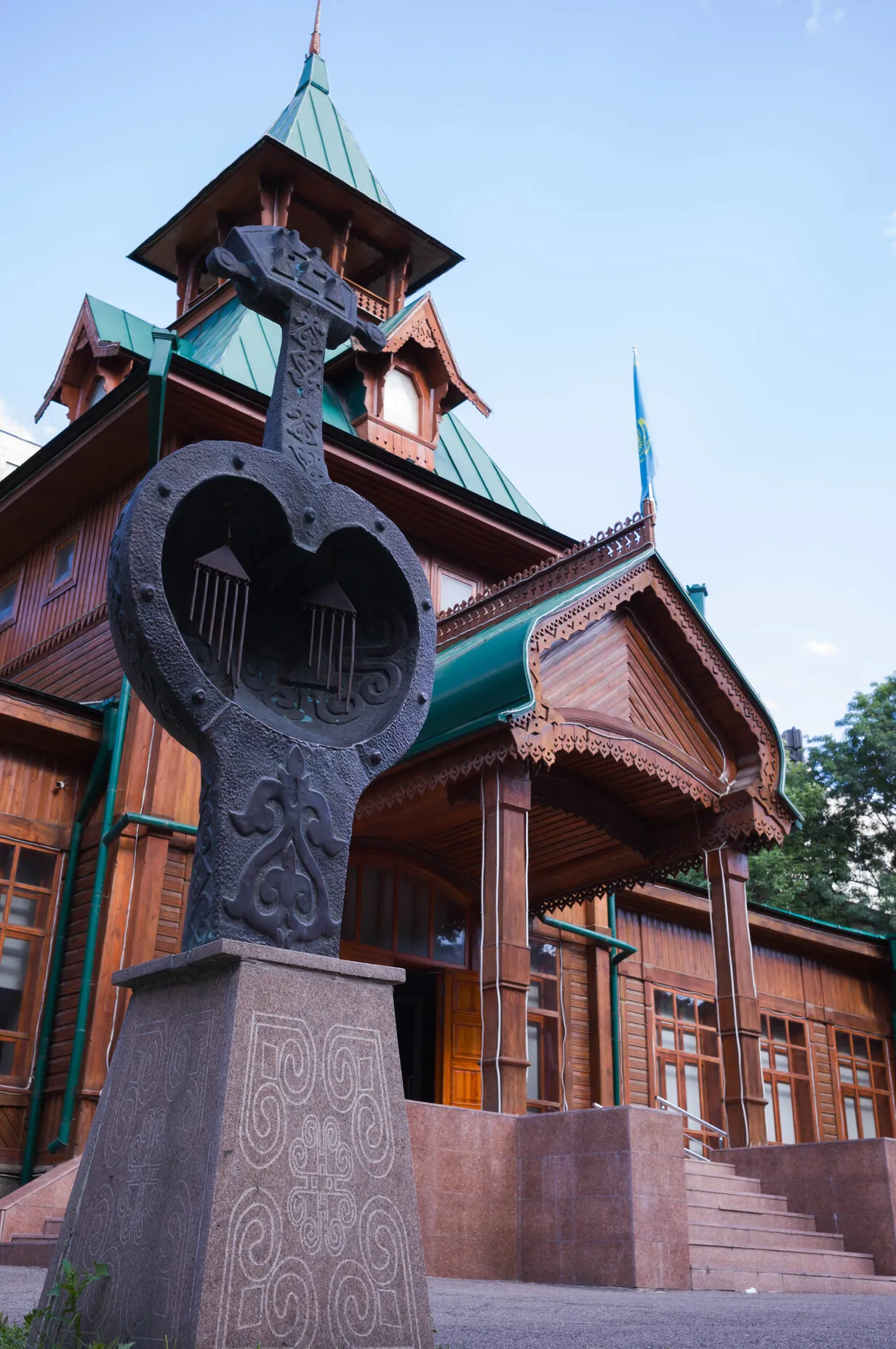 Ykhlas Museum of Folk Instruments — a 1908 wooden mansion in Almaty
Price: 1,000 KZT (~$2) adult, 500 KZT (~$1) students, 250 KZT (~$0.50) schoolchildren/seniors (2026)
Hours: Tue–Sun 10:00–19:00, closed on Mondays
On the map: Google Maps | 2GIS | Yandex
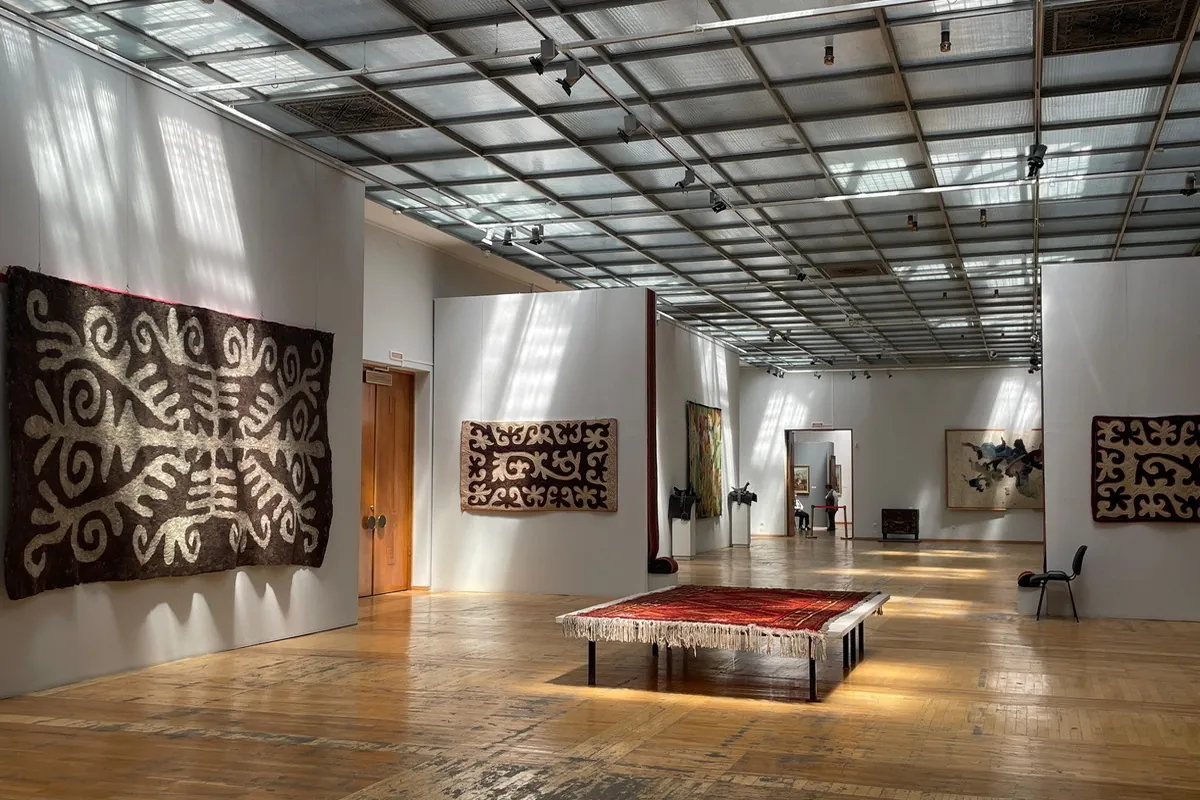
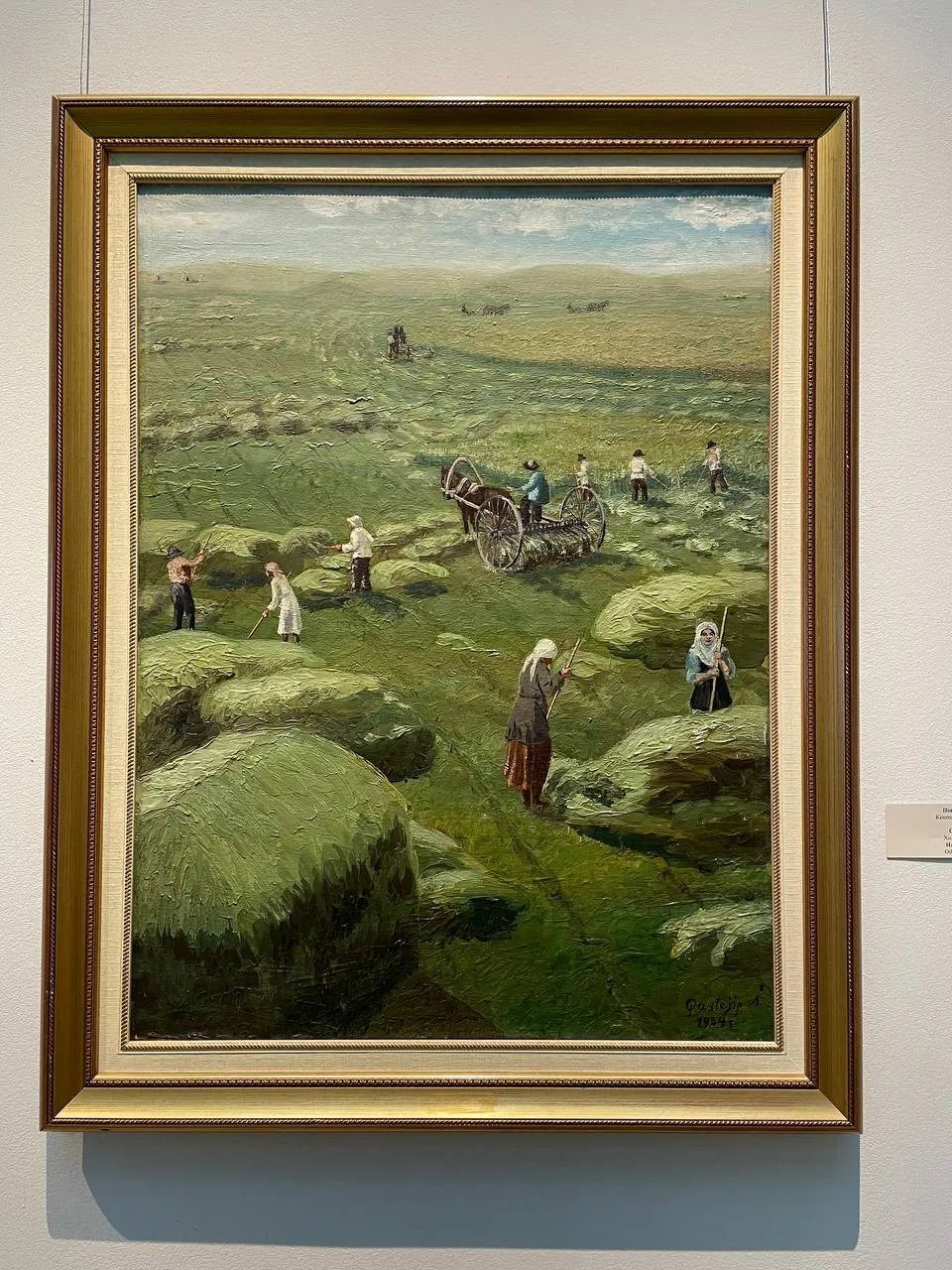
Kasteev State Museum of Arts
The country's main art museum — think of it as Kazakhstan's own mini-Hermitage.
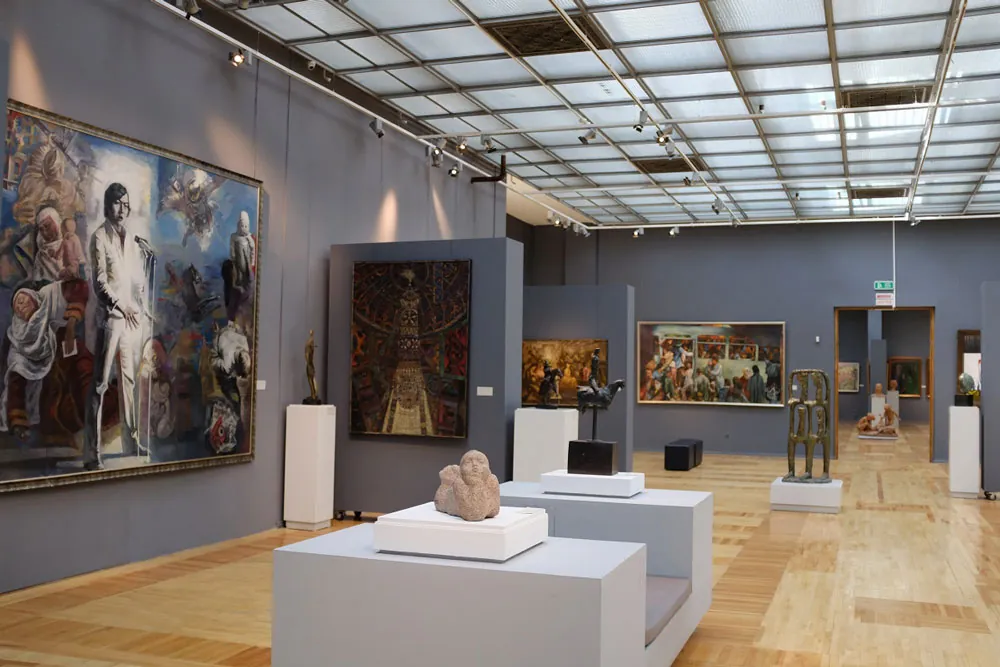
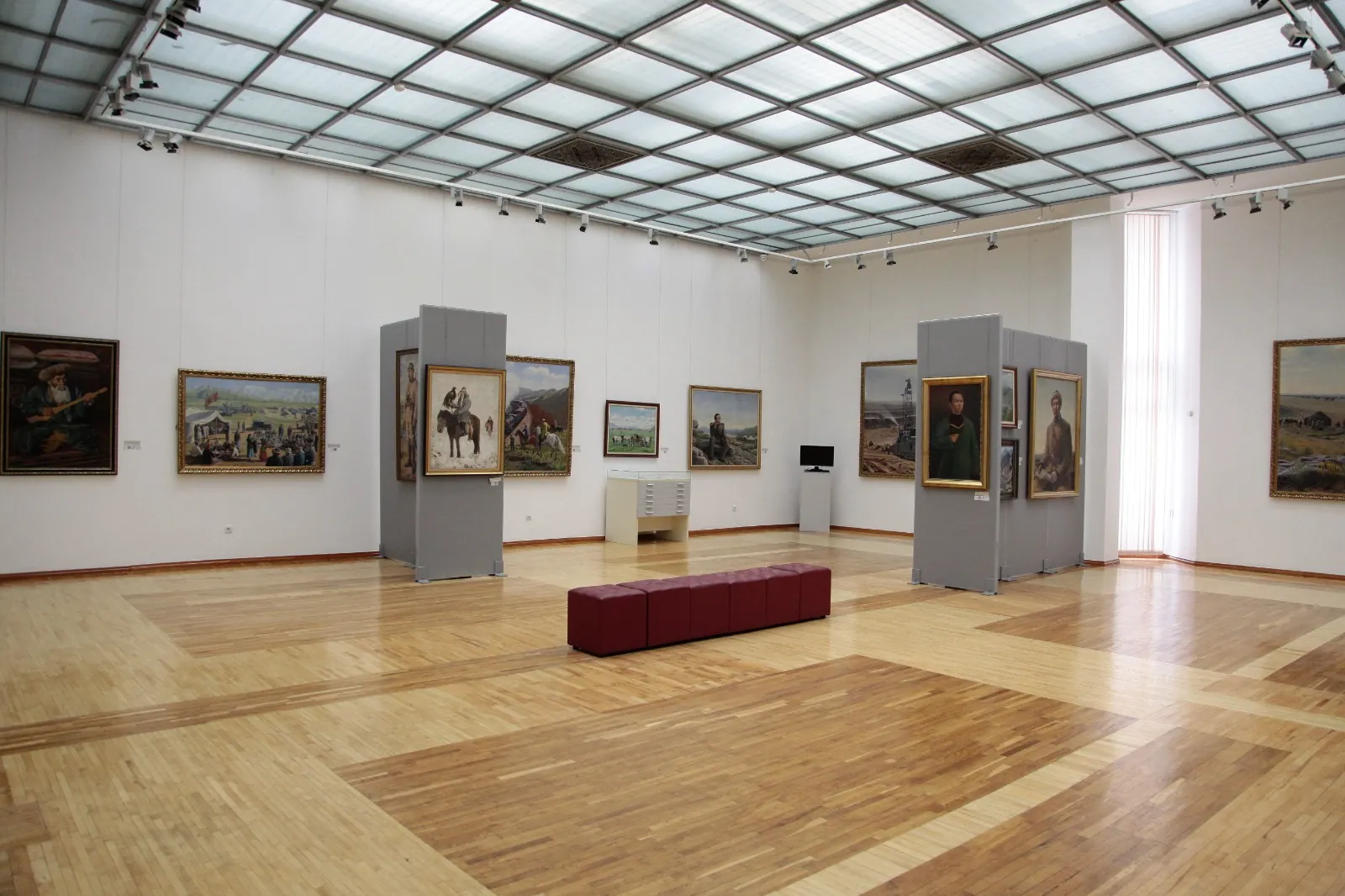
Why go: if you want to understand Kazakh culture through visual art. This is the best collection of Kazakh painting anywhere.
What's interesting:
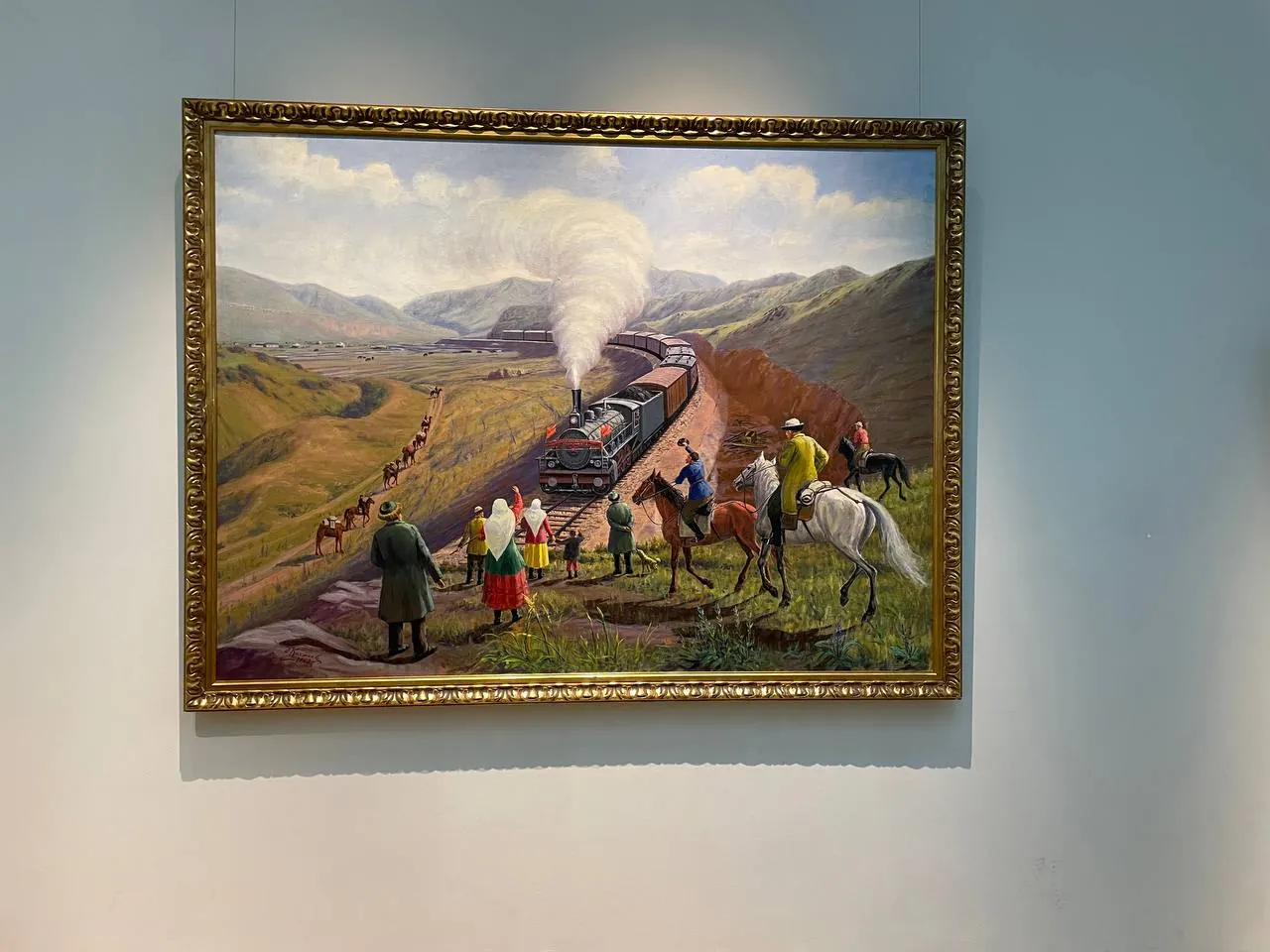
- The Abylkhan Kasteev hall — his paintings are a visual journey through nomadic life and Kazakhstan's history (his famous "Turksib" is a highlight)
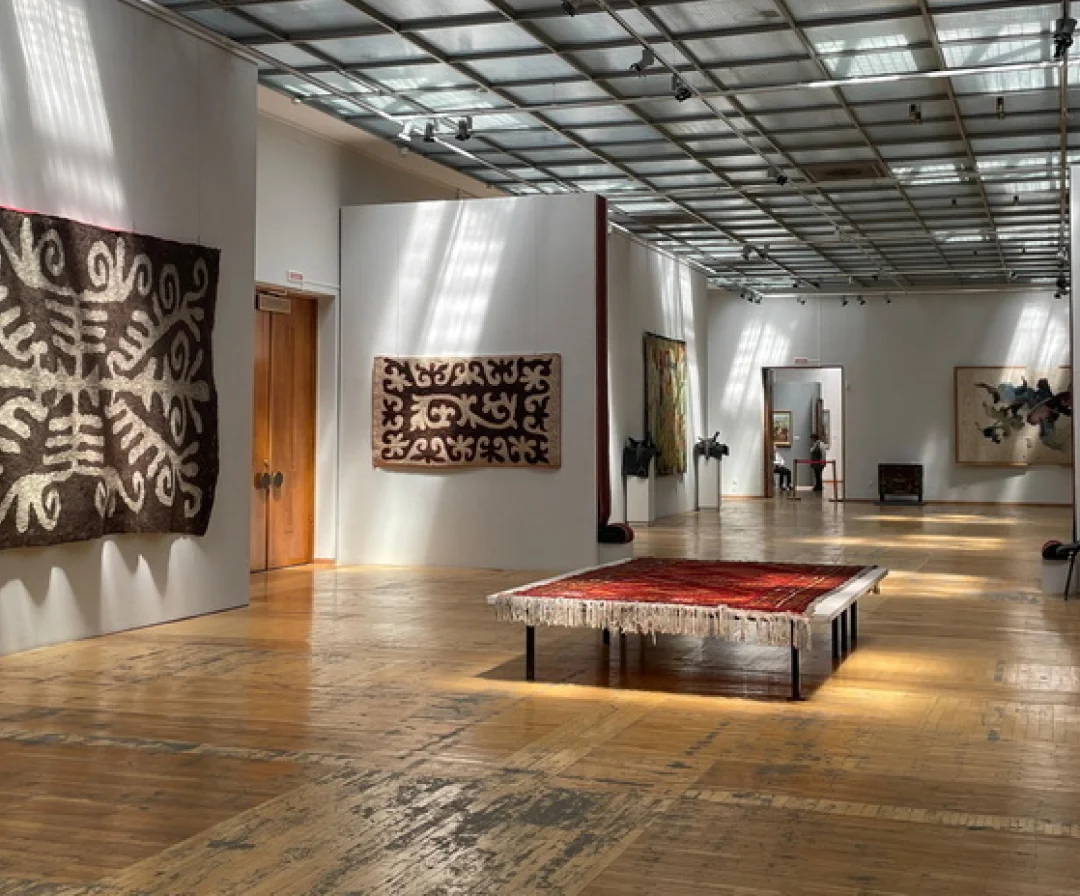
- Decorative arts — felt, jewelry, tuskiiz carpets (traditional Kazakh embroidered wall hangings)
- There are Russian avant-garde galleries, but come specifically for the Kazakh school
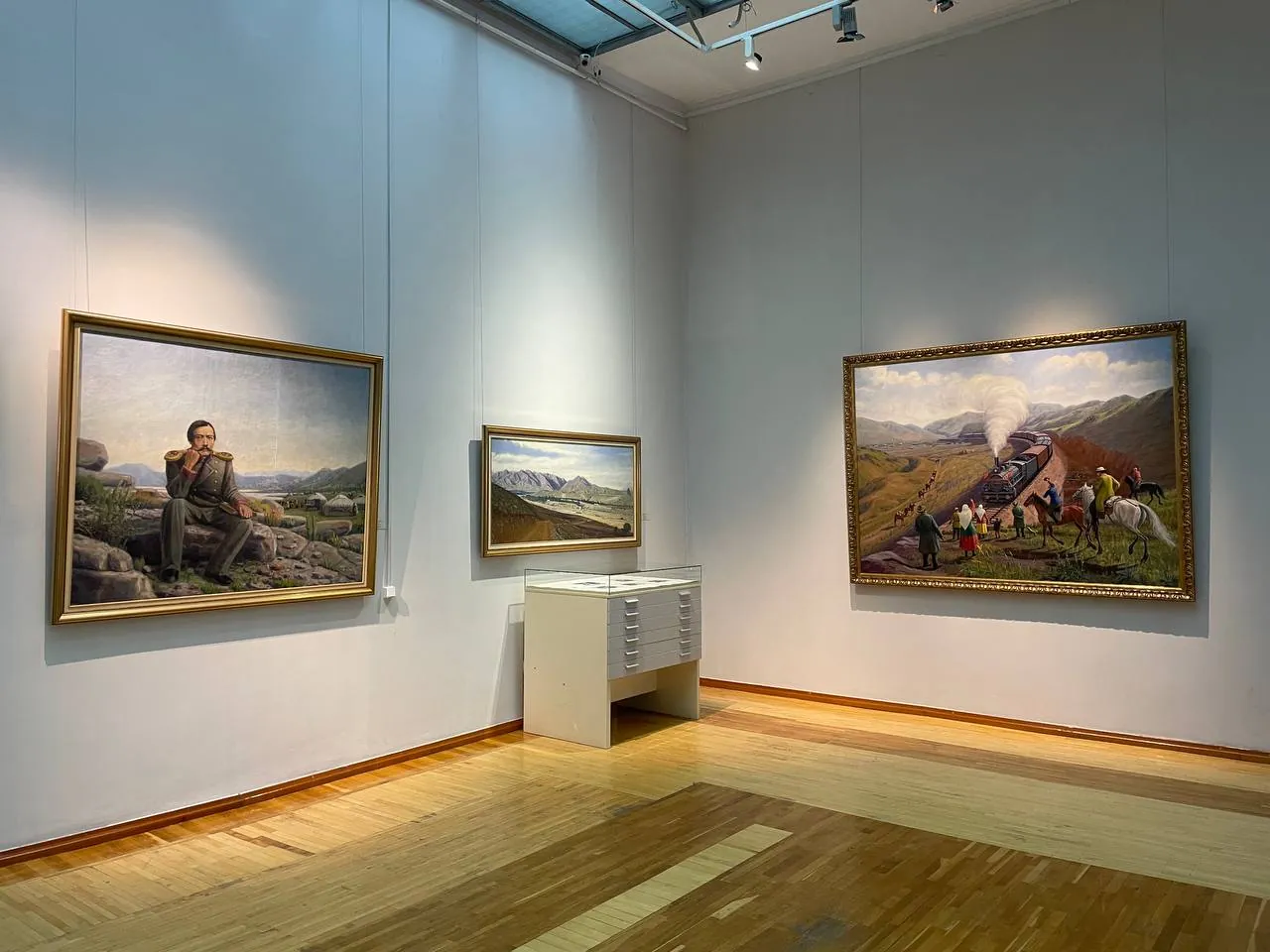 Kasteev State Museum of Arts — Kazakh painting and decorative arts
Price: 500 KZT (~$1) adult, 200 KZT (~$0.40) schoolchildren, 300 KZT (~$0.60) seniors (2026)
Hours: 10:00–18:00, closed on Mondays. Every 3rd Sunday of the month — free admission. Reopened after renovation on January 20, 2026 — now with climate control and updated exhibitions.
Website: gmirk.kz
On the map: Google Maps | 2GIS | Yandex
Central State Museum of Kazakhstan
The big blue building on Republic Square. The largest museum in the region — spanning from the Bronze Age to independence.
Why go:
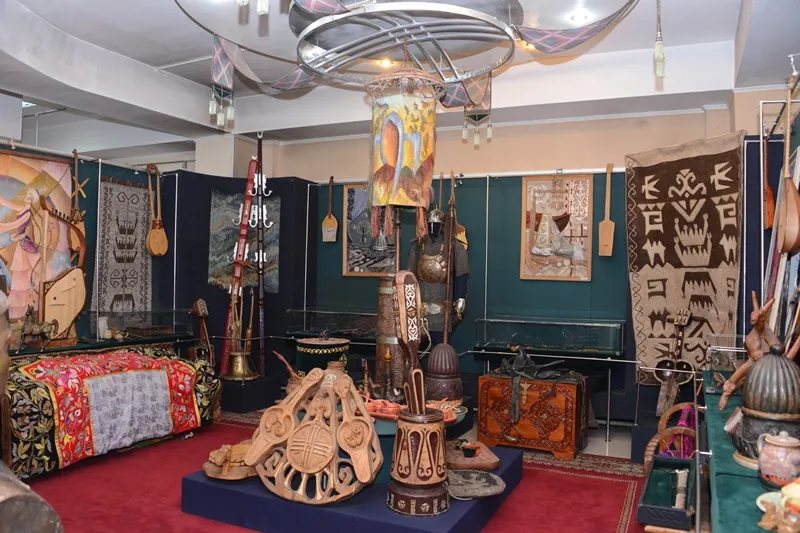
- "Golden Man" (replica) — Kazakhstan's most iconic historical symbol, a Scythian warrior's golden armor from the 4th century BC
- Paleontology — dinosaur skeletons, archaeological finds
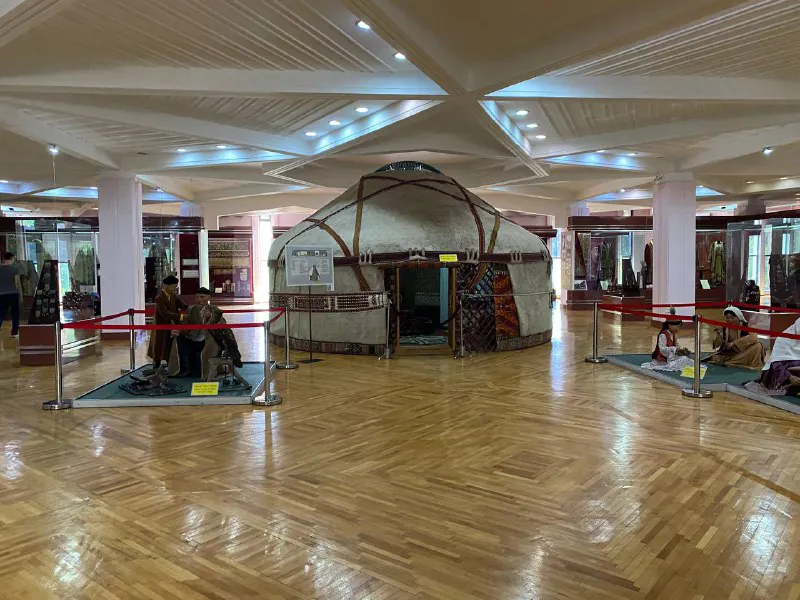
- Ethnography — a full-size yurt, khans' costumes
The "Gold Collection" hall is a separate charge (1,500 KZT / ~$3). Foreign visitors with a 5,000 KZT (~$10) ticket get access to all halls included.
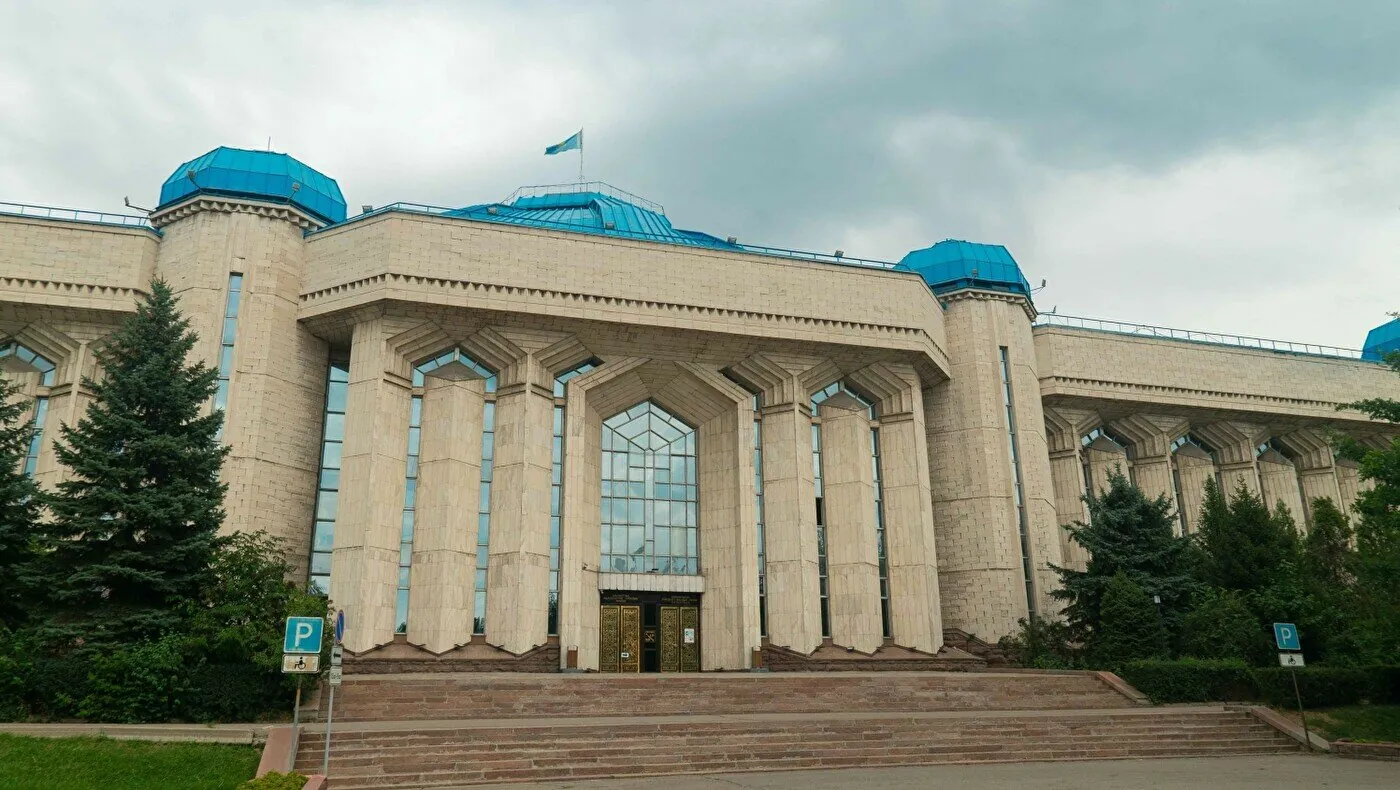 Central State Museum — the Golden Man and Kazakhstan ethnography
Price: 1,500 KZT (~$3) adult, 300 KZT (~$0.60) schoolchildren, 700 KZT (~$1.40) students/seniors. Foreign visitors — 5,000 KZT (~$10), all halls, no guide. Gold Collection — 1,500 KZT (~$3) extra
Hours: daily 09:00–18:00
Website: csmrk.kz
On the map: Google Maps | 2GIS | Yandex
Kunaev House-Museum
The memorial apartment of Dinmukhamed Kunaev — the long-time leader of Soviet-era Kazakhstan (1960s–1980s), still widely respected by locals. A fully preserved 1970s–80s interior: personal library, a collection of lighters, gifts from world leaders. A rare glimpse into the life of the Soviet elite — modest and intellectual.
.webp) Kunaev House-Museum — Soviet-era interior on Tulebaev Street
Kunaev House-Museum — Soviet-era interior on Tulebaev Street
.webp)
.webp)
.webp)
.webp)
.webp)
.webp)
Price: 500–800 KZT (~$1–1.60) adult, 300 KZT (~$0.60) students, 200 KZT (~$0.40) schoolchildren/seniors (2026, sources vary — check on site)
Hours: Tue–Sun 10:00–19:00, closed on Mondays
Address: Tulebaev Street
On the map: Google Maps | 2GIS | Yandex
Mountains and views
Medeu and Shymbulak
A mountain gorge 16 km from the city center. You can get there by taxi in 20 minutes or by bus #12.
At Medeu, climb the "Health Stairway" — the view from the dam overlooking the gorge is worth the effort. The ice rink is closed for renovation until fall 2027.
From here, you can also take the cable car up to Shymbulak. Board at the "Medeu Cable Car" stop — don't confuse it with the "Medeu" terminus. The ride goes up to 3,200 m, and from the cabin you'll see the gorge, Tien Shan spruces, and mountain slopes. At the top — cafes and restaurants with panoramic views. In summer, it's 10–15 degrees cooler up here than in the city.
Important: if there are clouds on the mountains, visibility at the top will be zero. Not worth going up.
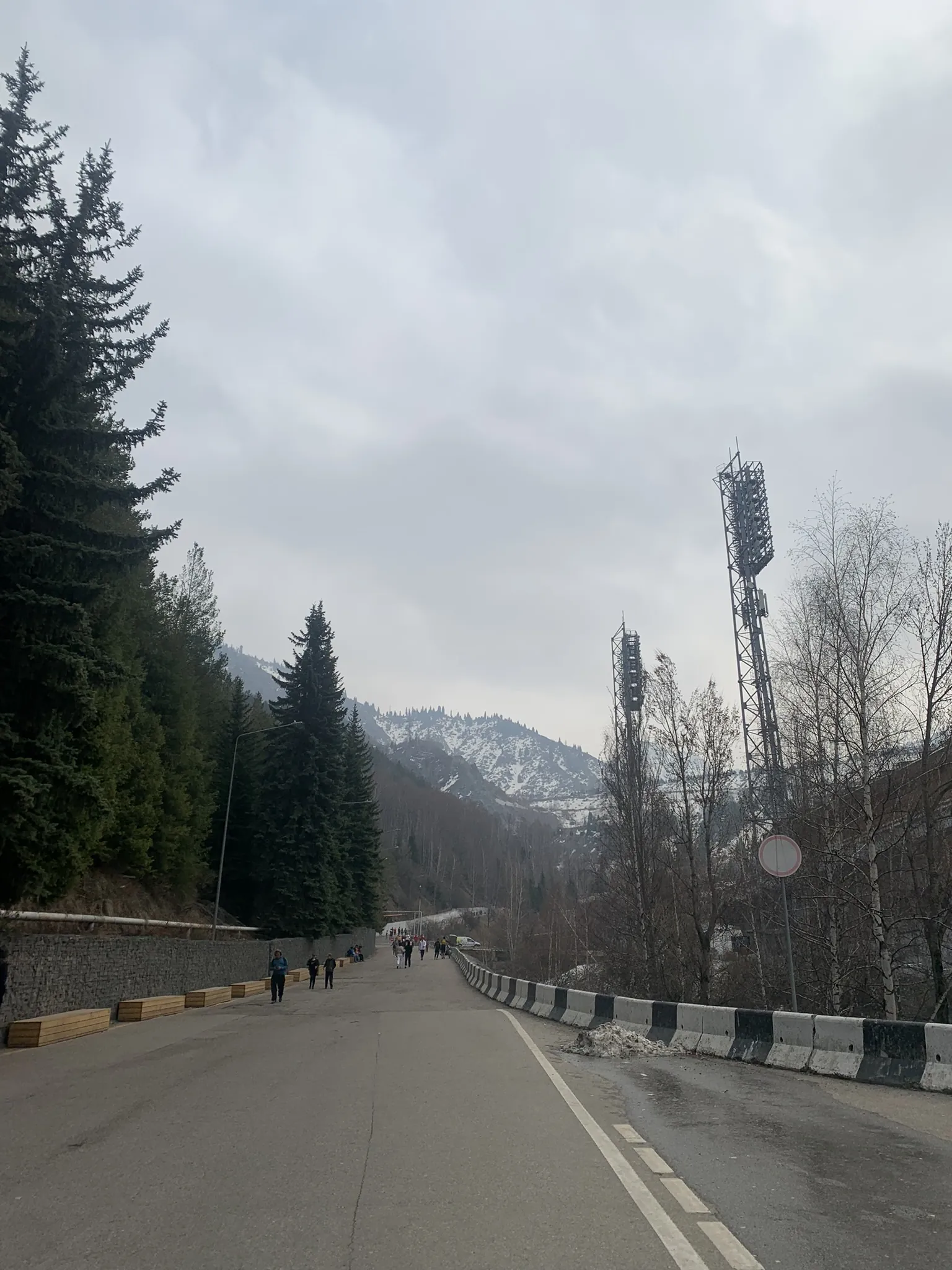 Medeu and Shymbulak — mountain gorge and cable car
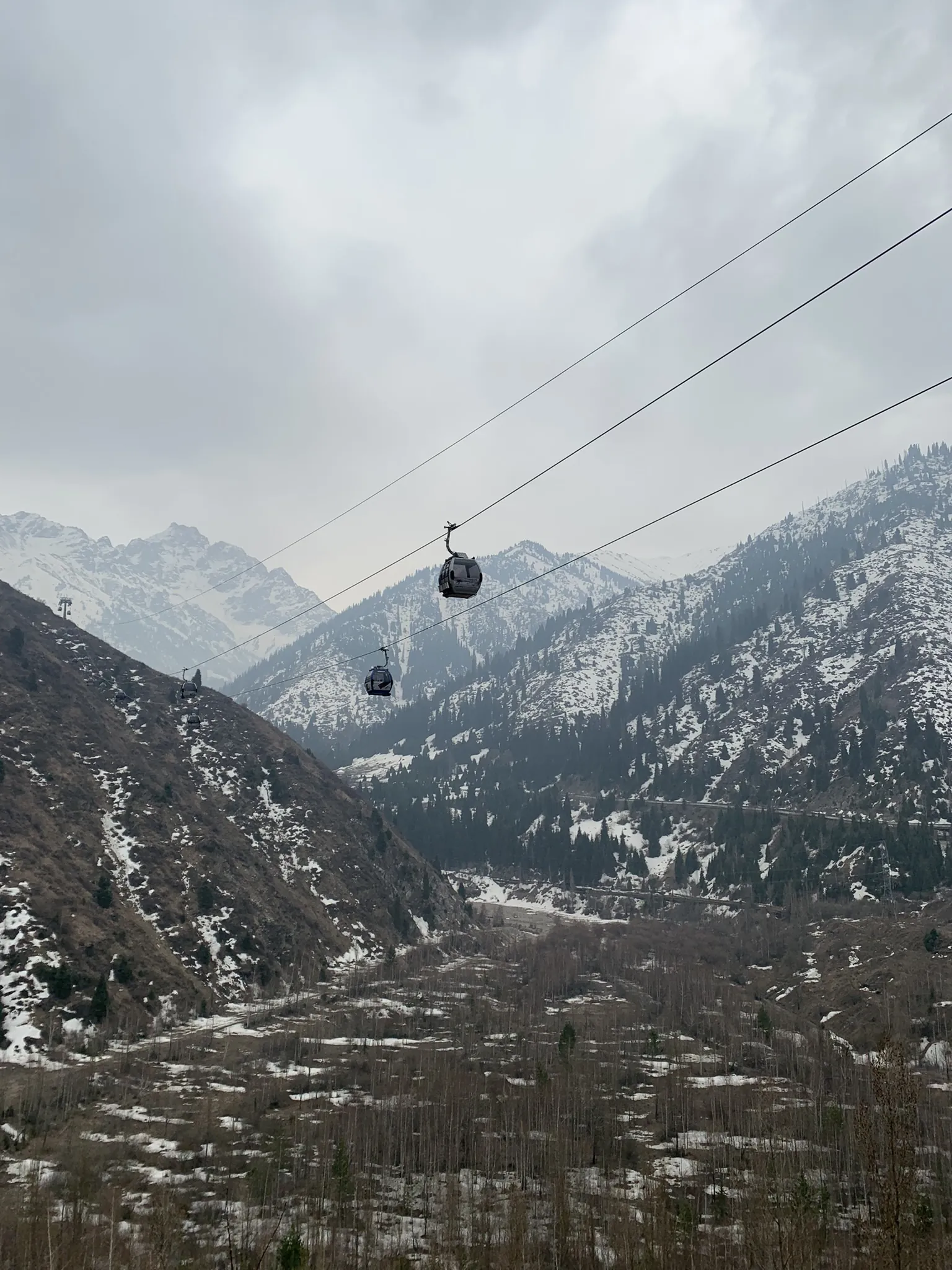
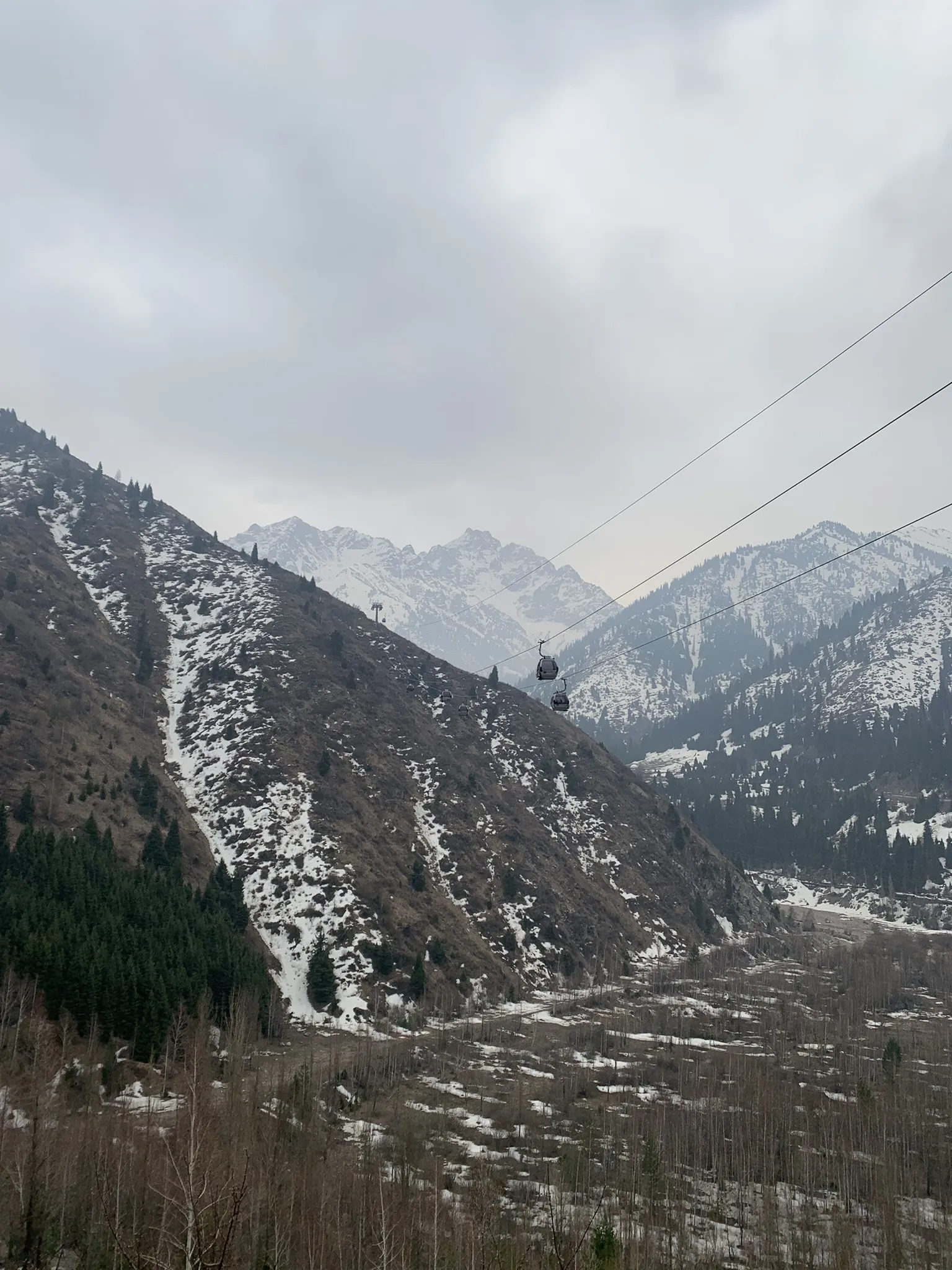
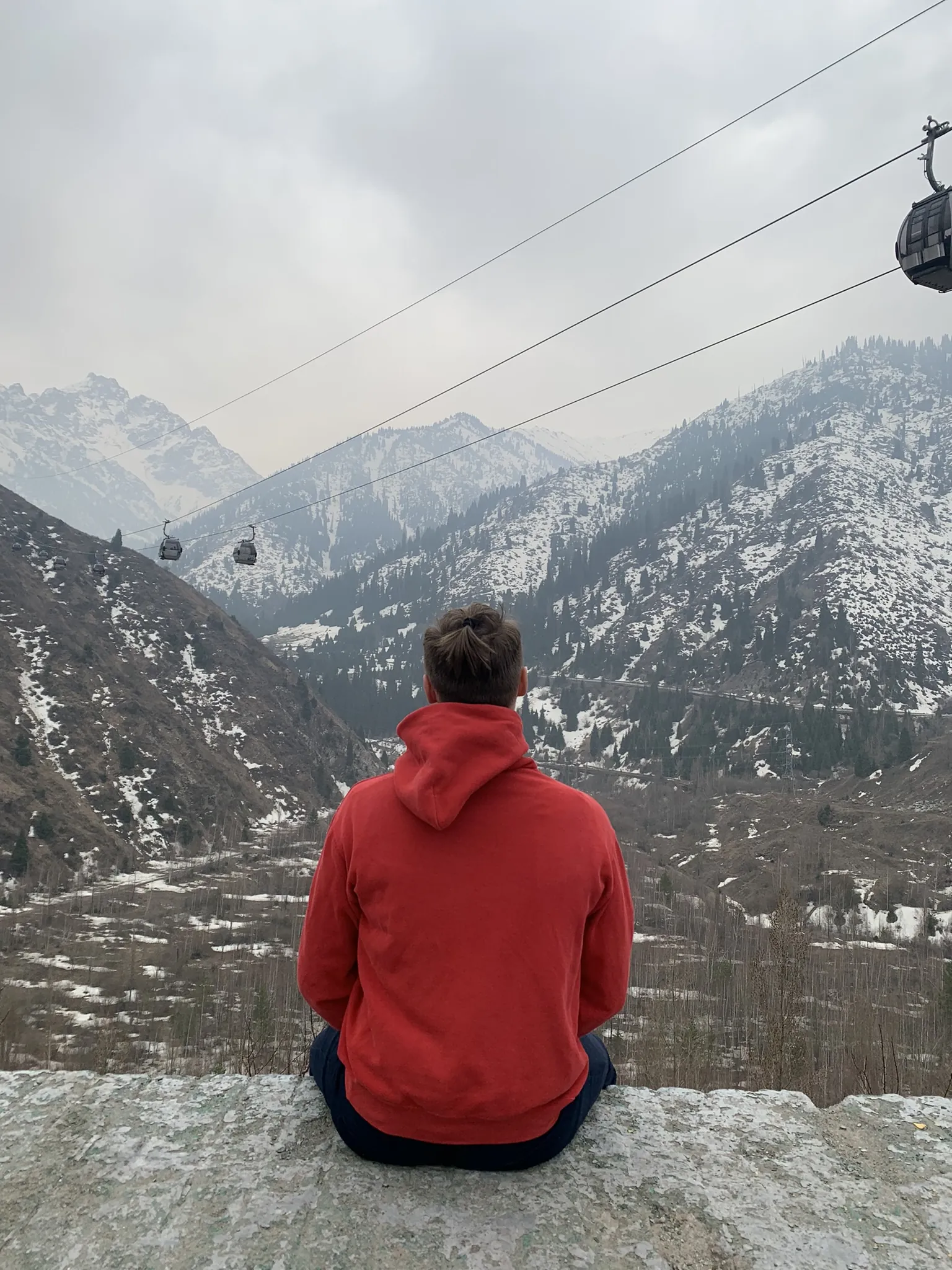
Cable car: one way 4,000/2,000 KZT (~$8/$4), round trip 10,000/5,000 KZT (~$20/$10), 360° route (including KKD-4) — 12,000/6,000 KZT (~$24/$12) (adult/child)
More details in our Medeu and Shymbulak guide.
Website: shymbulak.com
On the map (Medeu): Google Maps | 2GIS | Yandex
Kok-Tobe
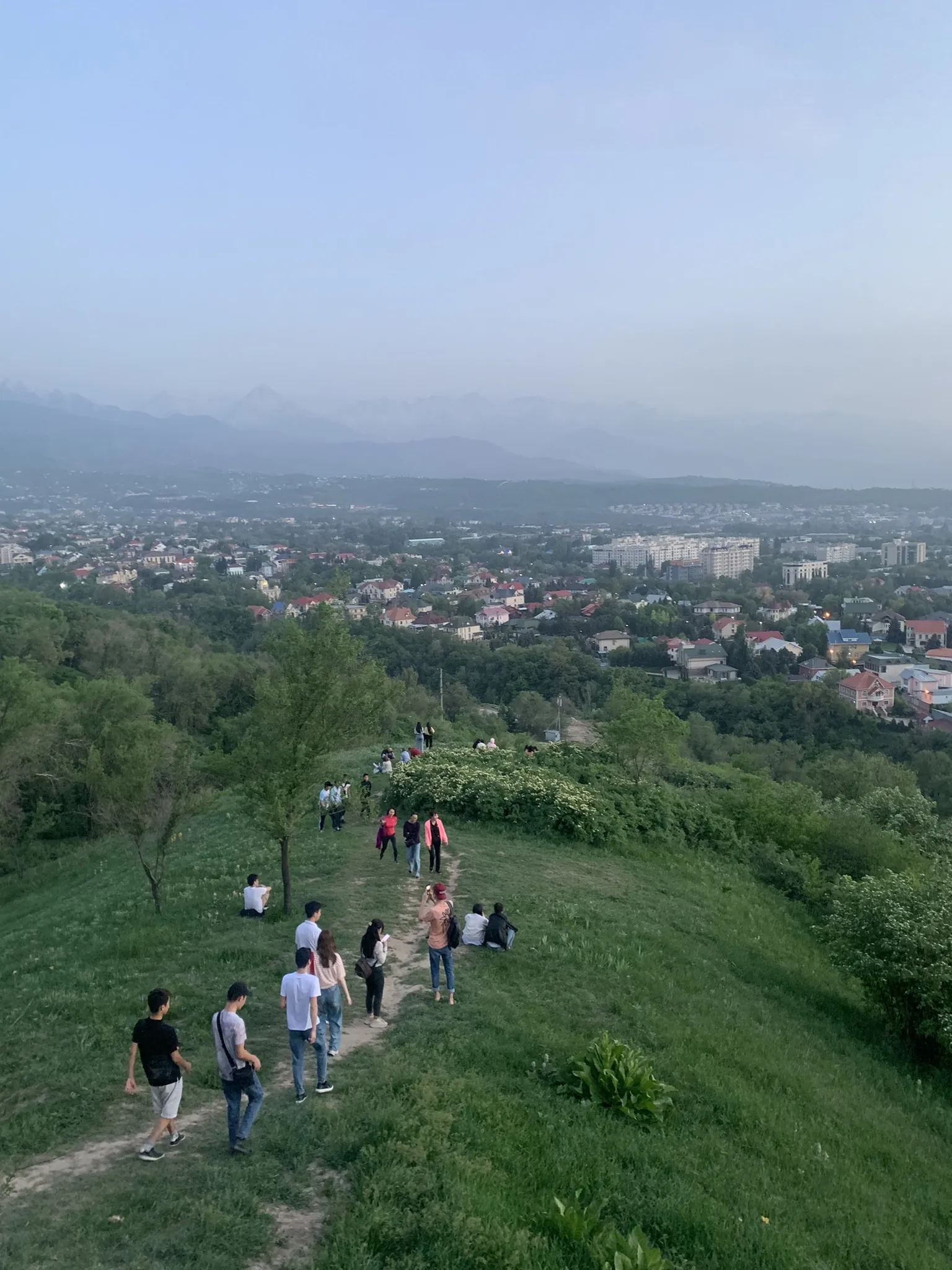
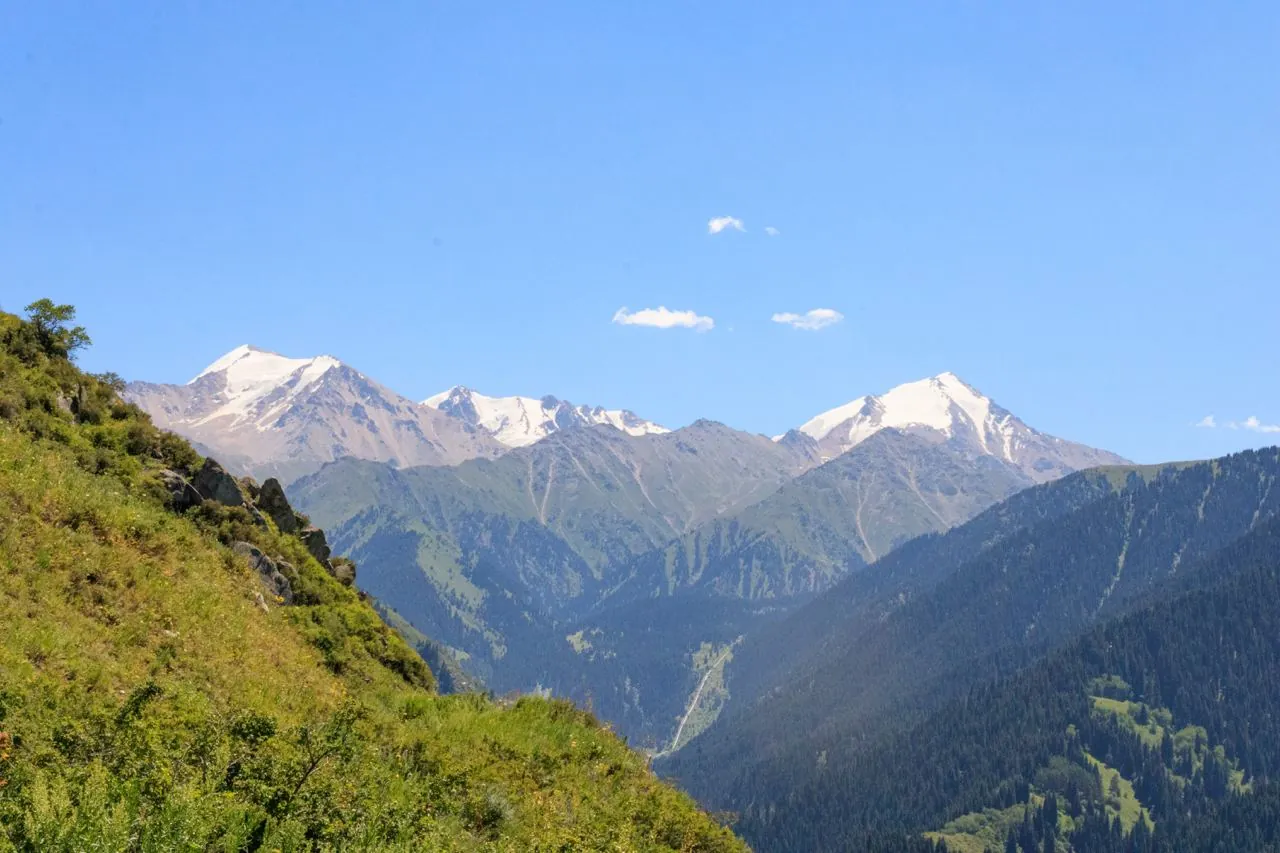
A hilltop with a view of the city. You can take the cable car from Abai Avenue (10–15 minutes), drive up, take a bus, or walk.
At the top — a viewing platform with a panorama, a Beatles monument, restaurants, amusement rides. Best to go around sunset — the city lights up beautifully.
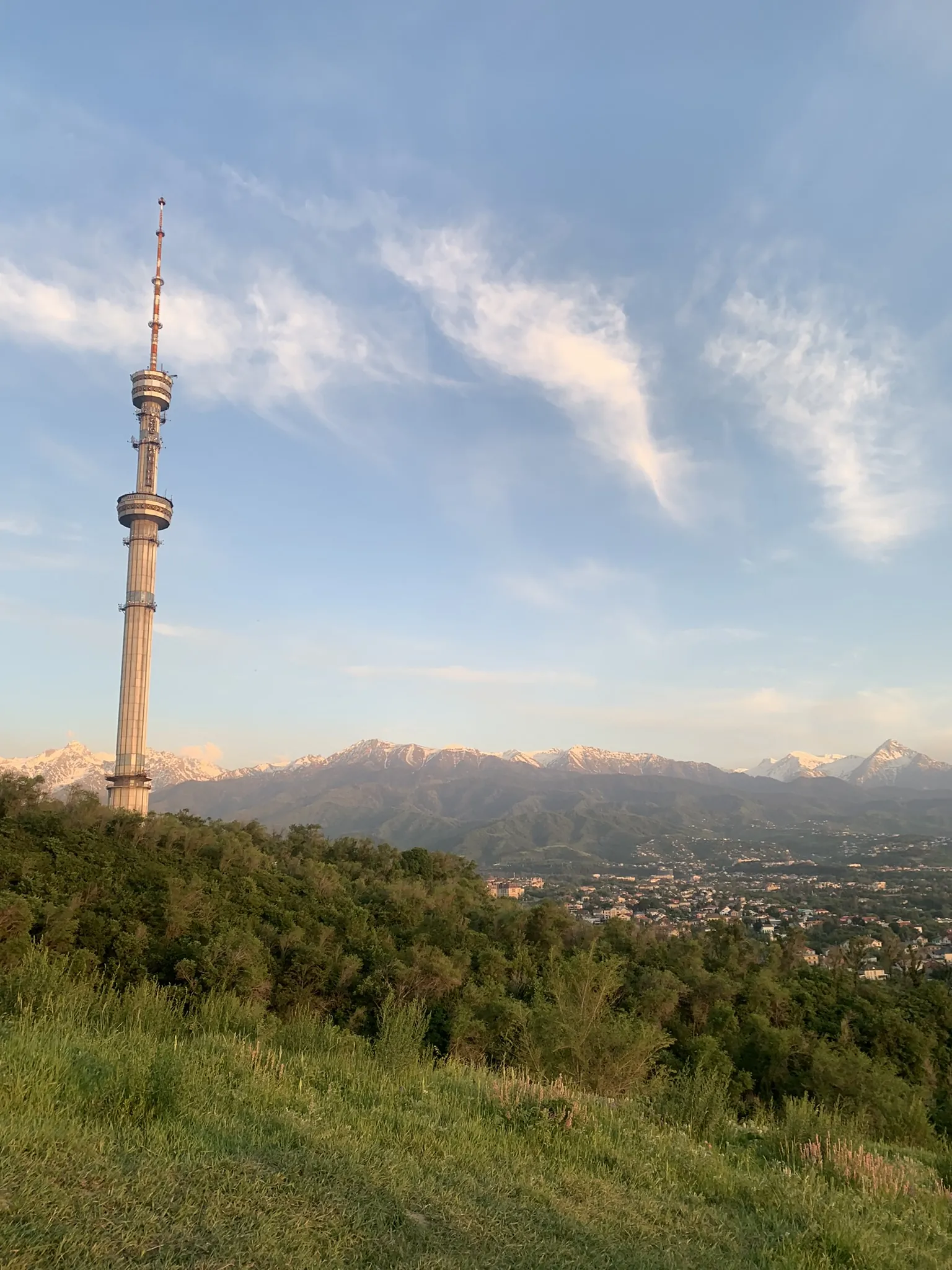
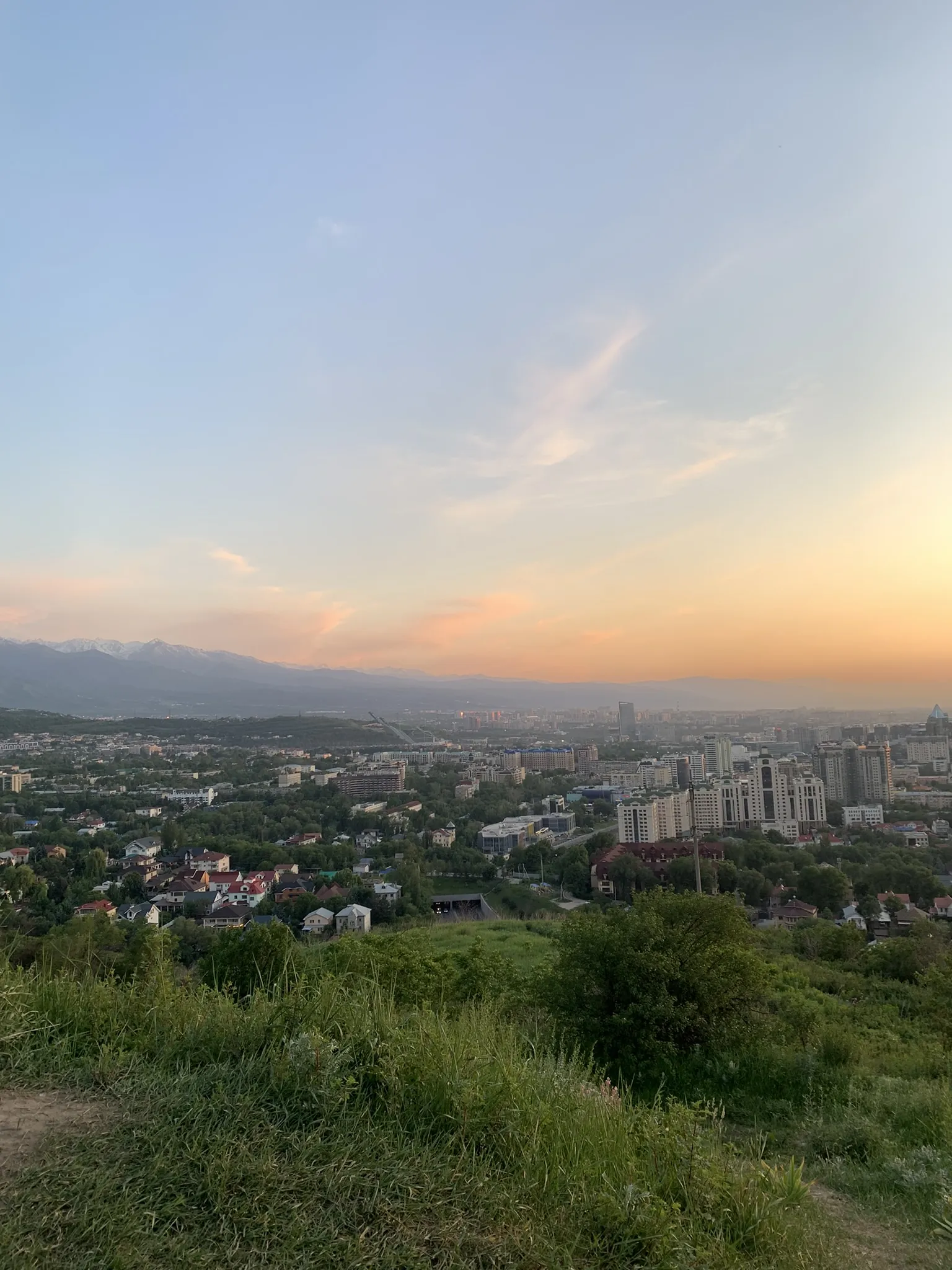
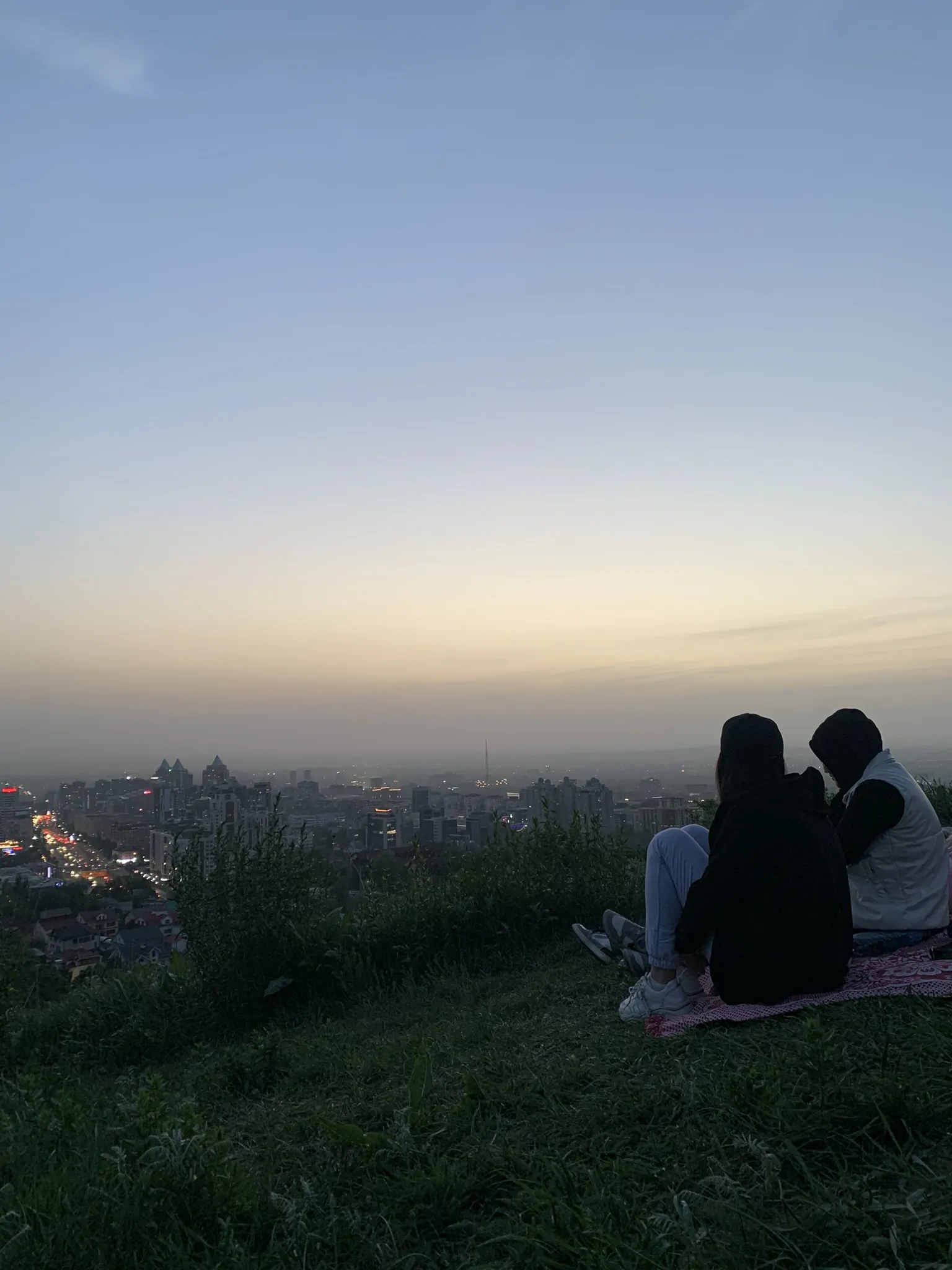
Cable car: 6,000/3,000 KZT (~$12/$6) one way, 10,000/5,000 KZT (~$20/$10) round trip (adult/child 6–12). On Tuesdays, the cable car starts at 13:00; other days from 10:00.
Website: koktobe.com
On the map: Google Maps | 2GIS | Yandex
Terrenkurs (walking trails)
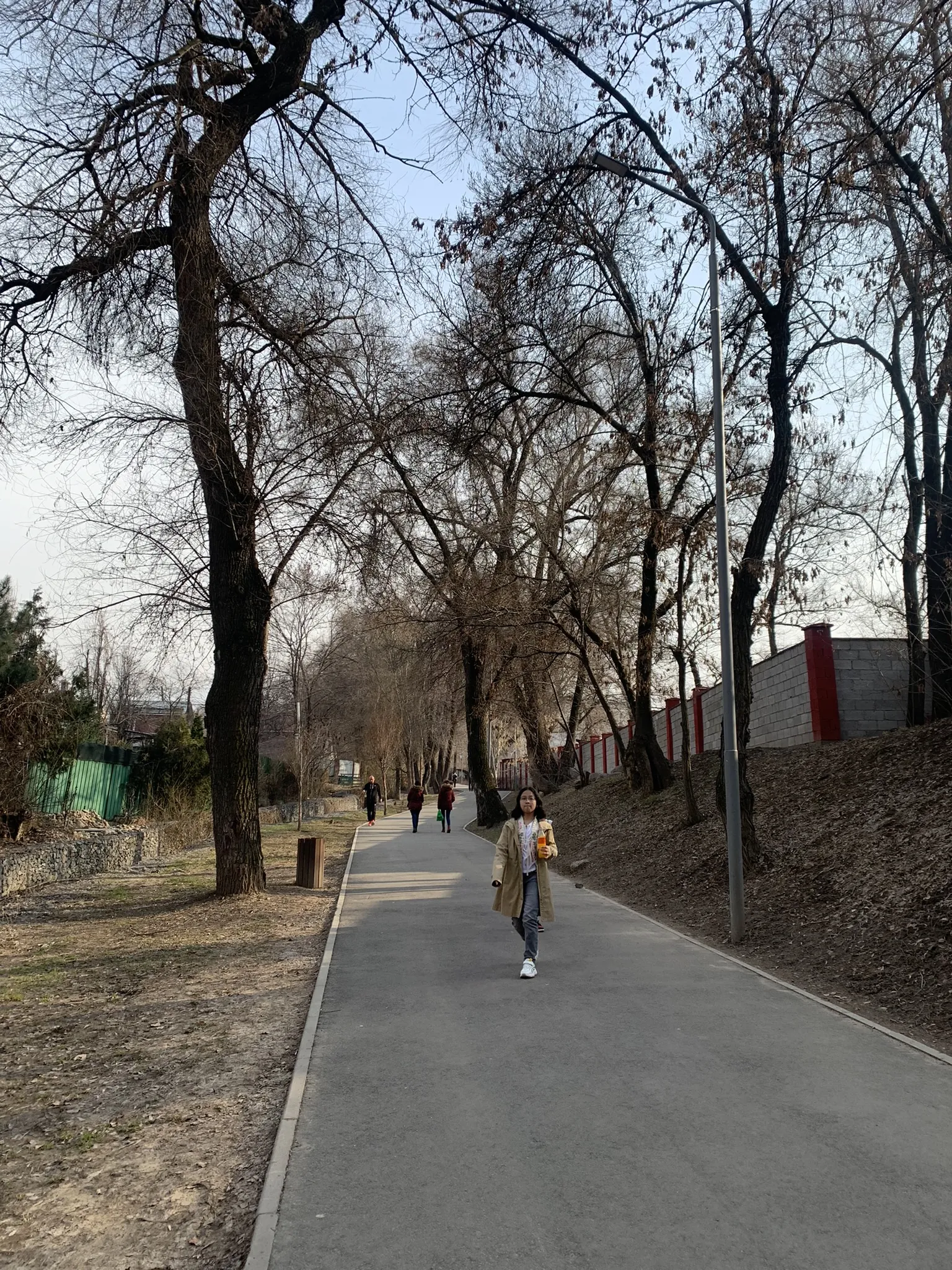
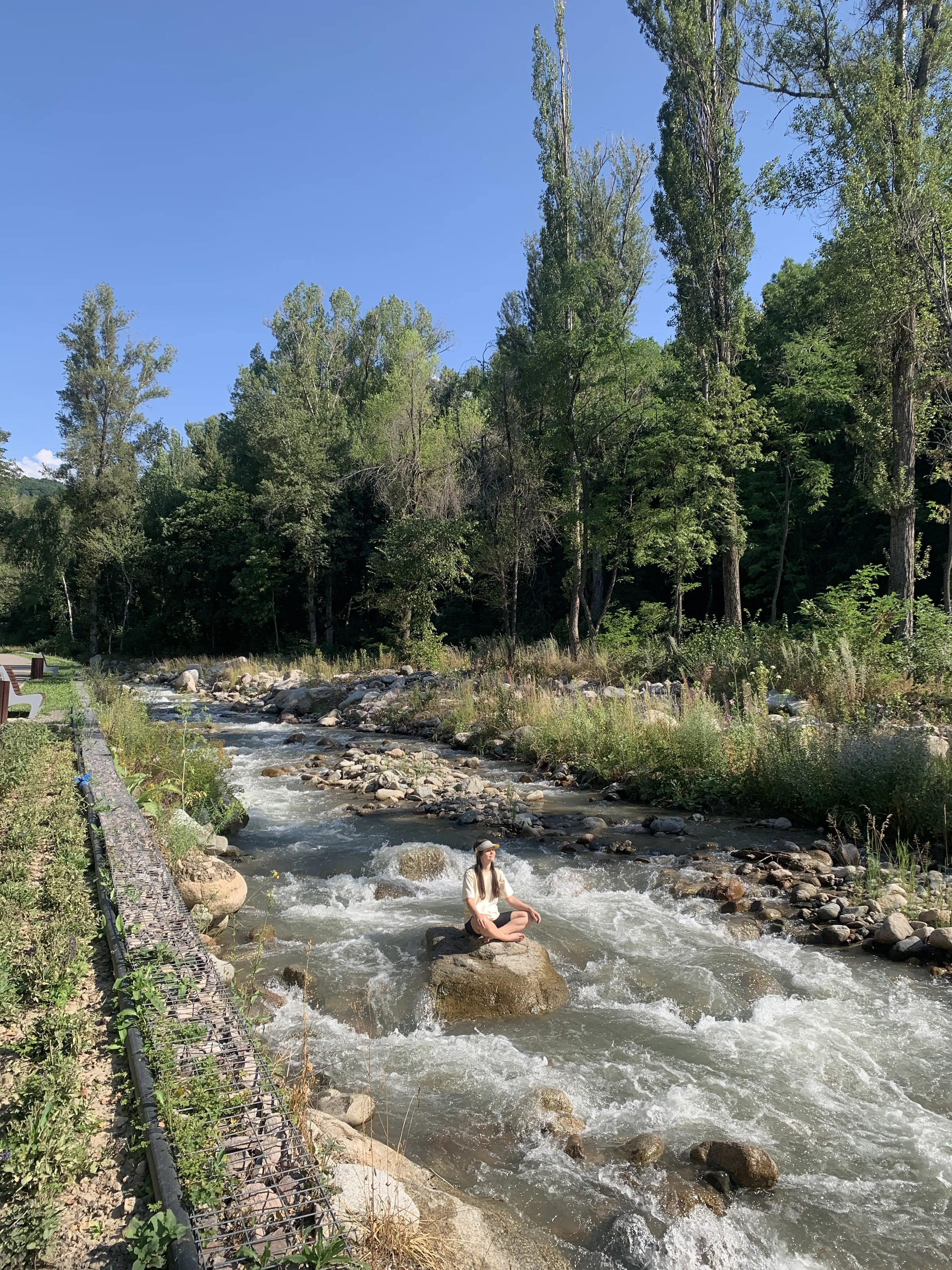
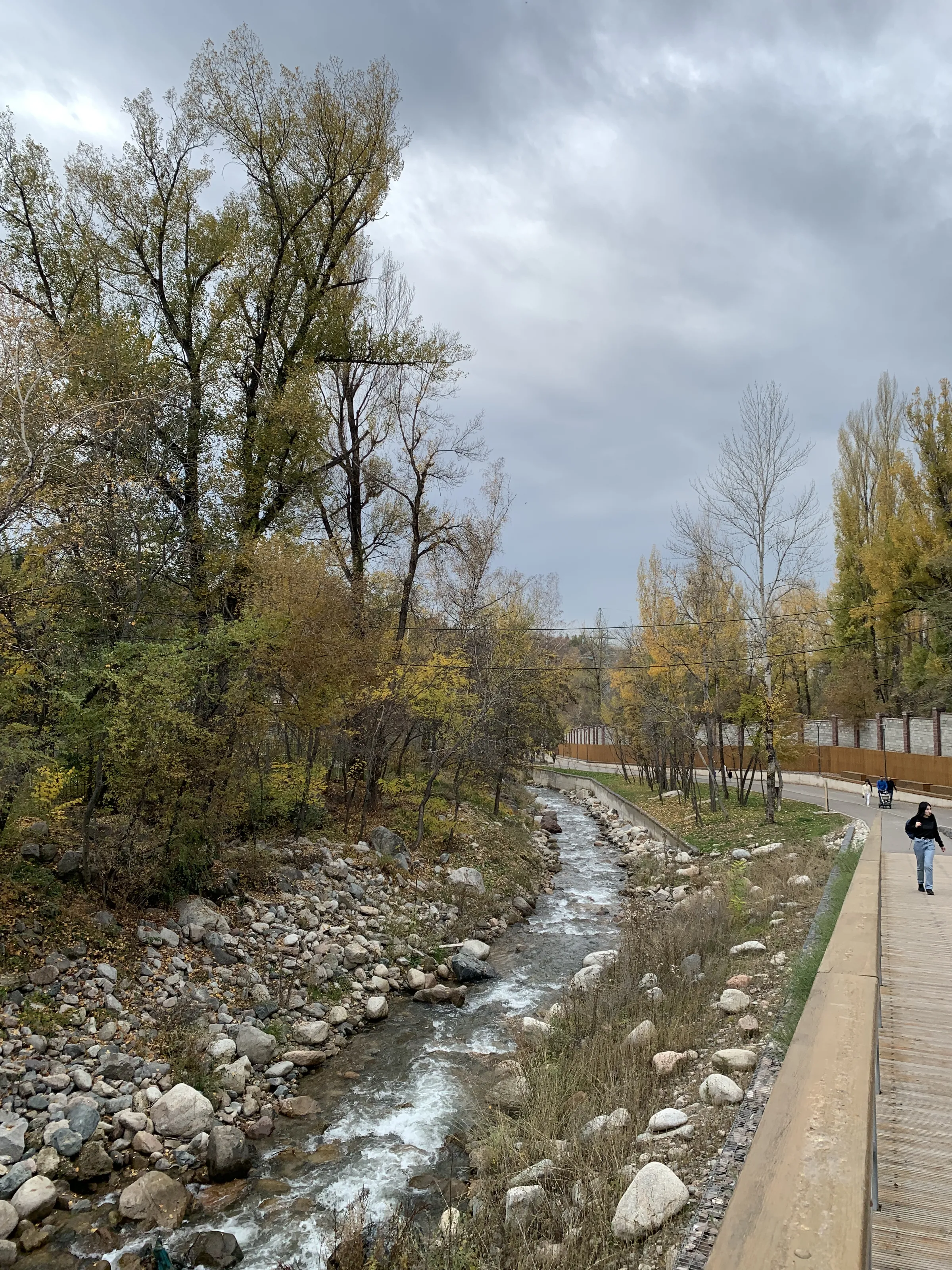
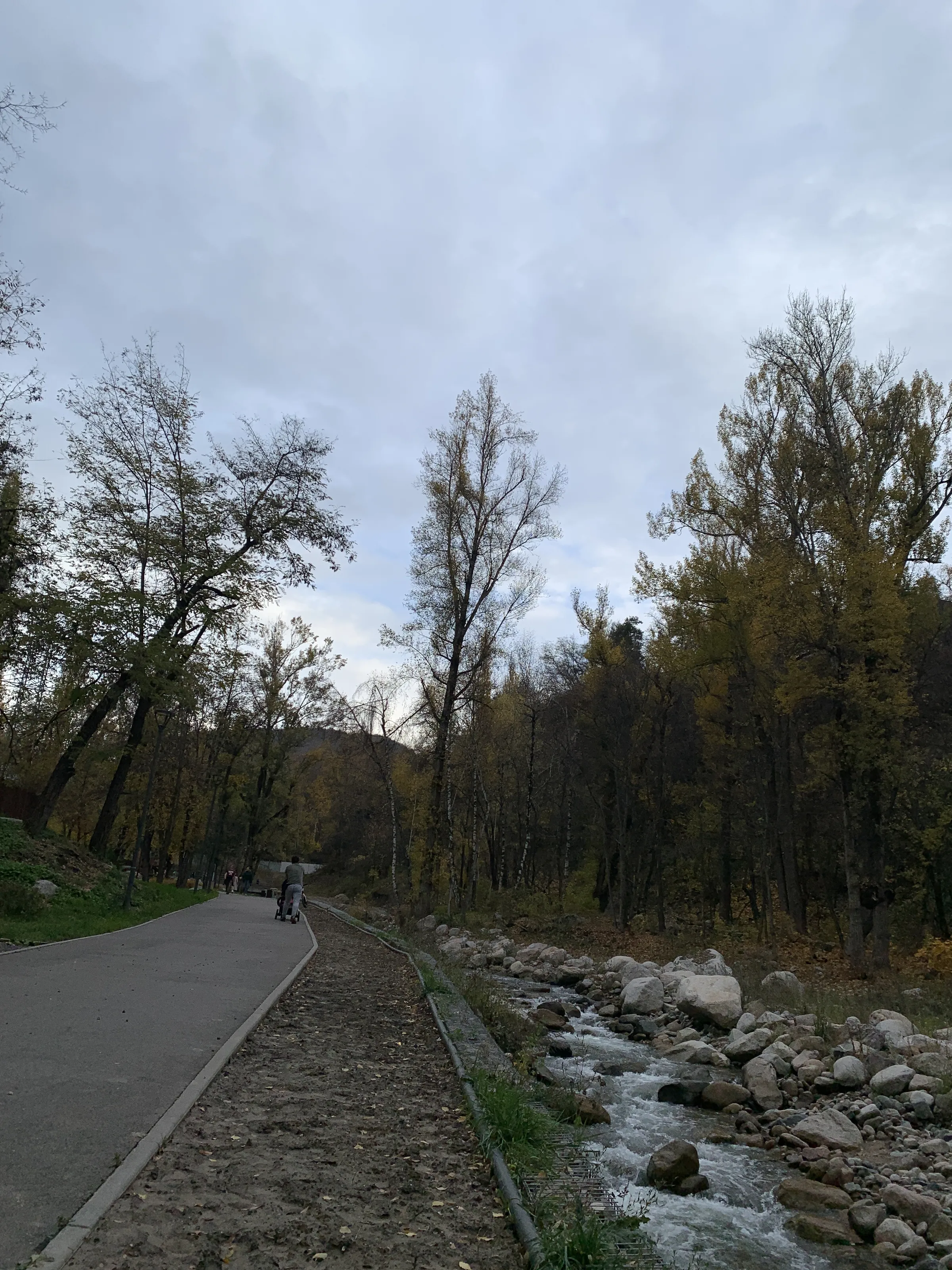
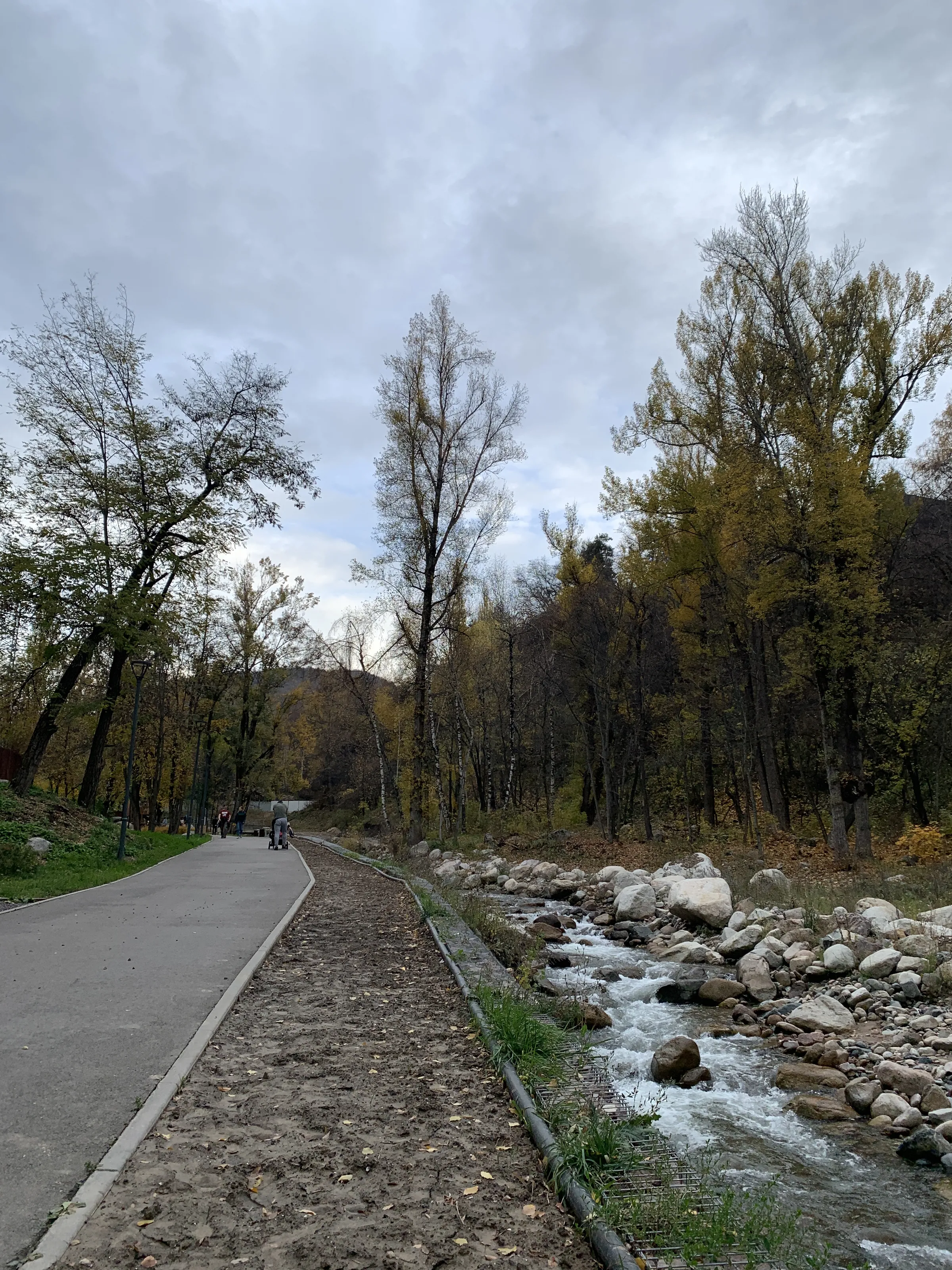
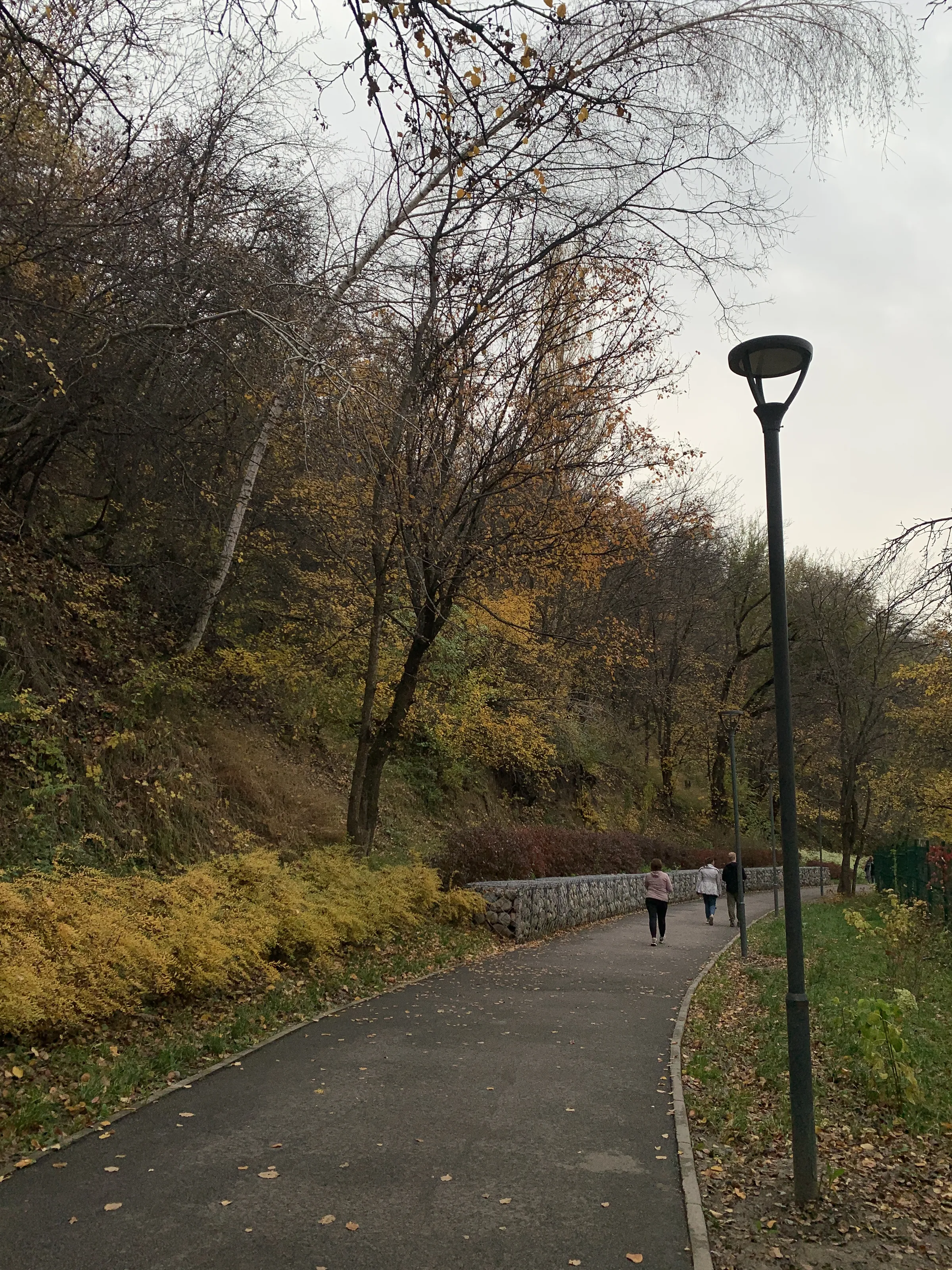
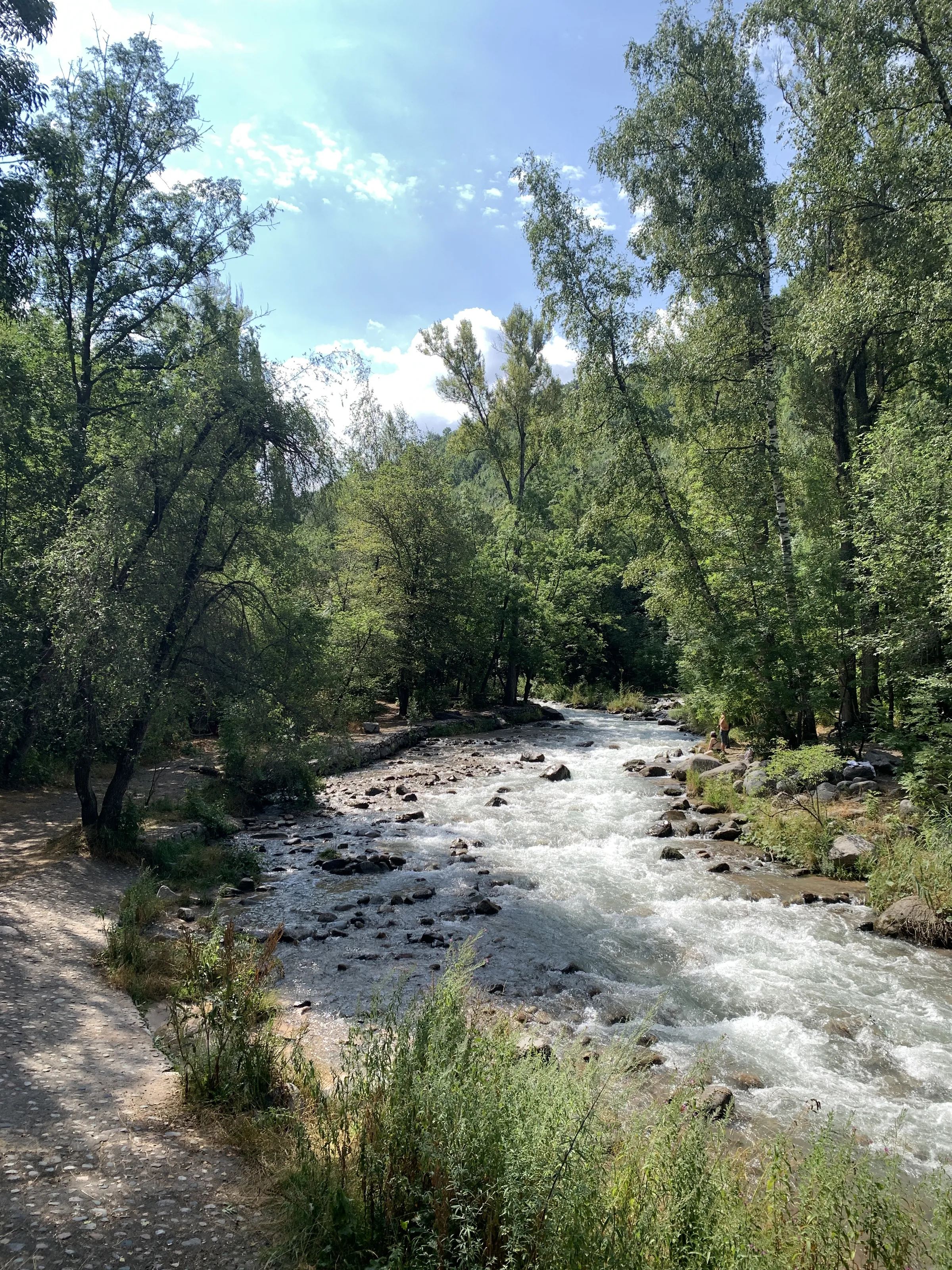
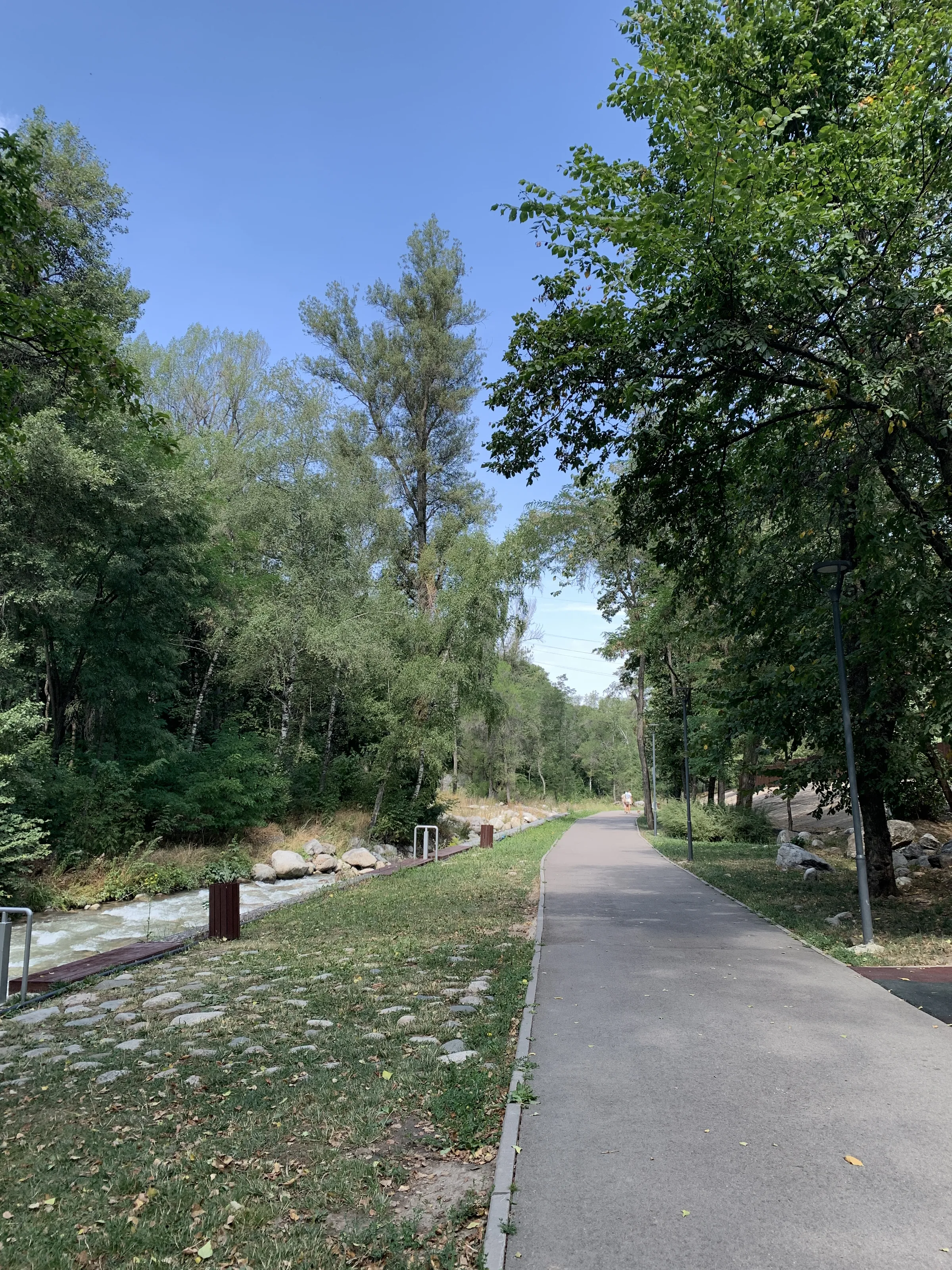
Almaty's terrenkurs are "health trails" for walking (from the German Terrain — terrain, and Kur — cure). These are marked-out routes along mountain rivers, popular with locals and tourists alike.
You can walk them two ways: bottom-up or top-down. The second option is easier and more pleasant — you start where the air is cleaner and gradually descend toward the city.
Historic terrenkur (along the Malaya Almatinka river)
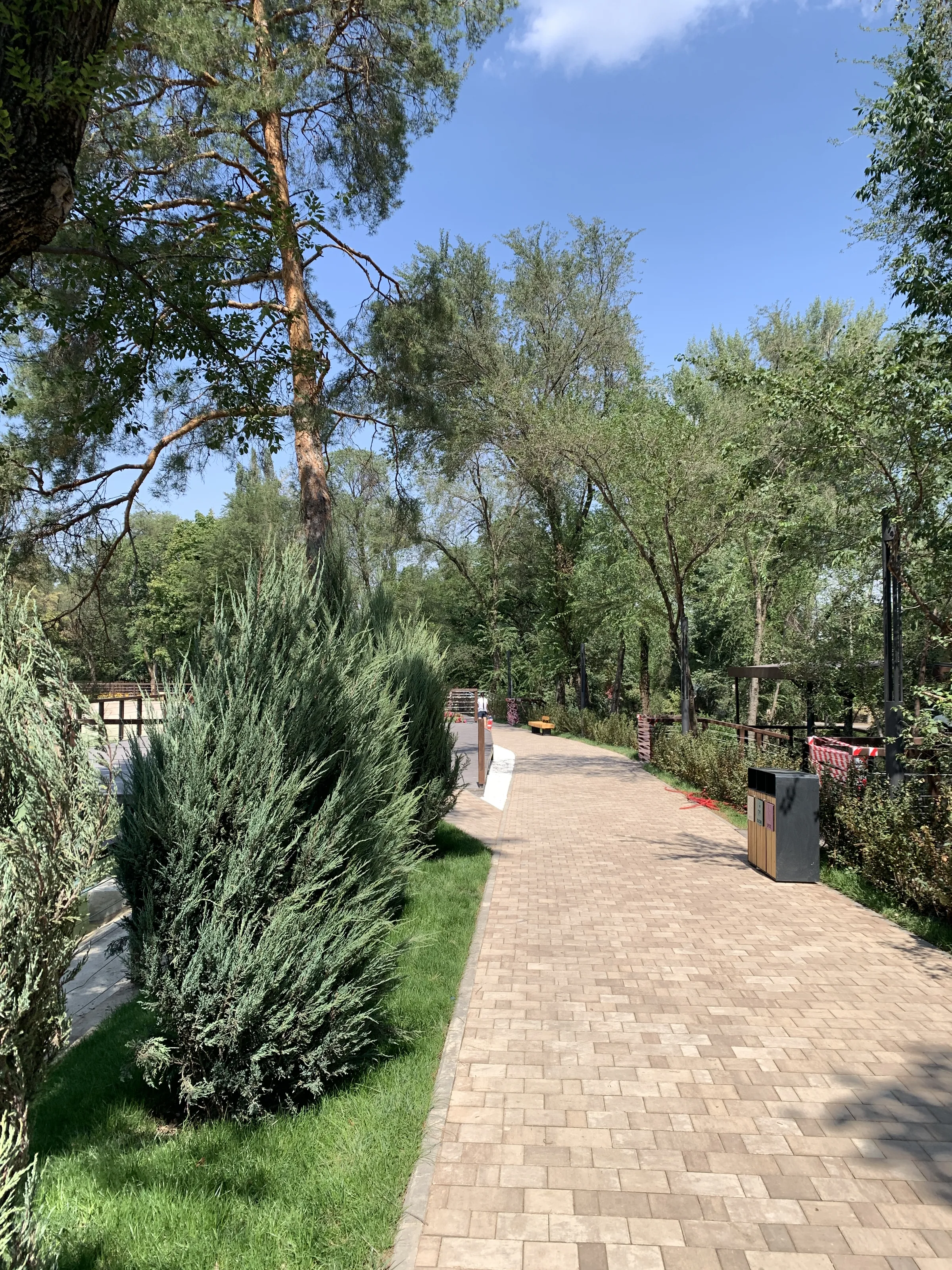
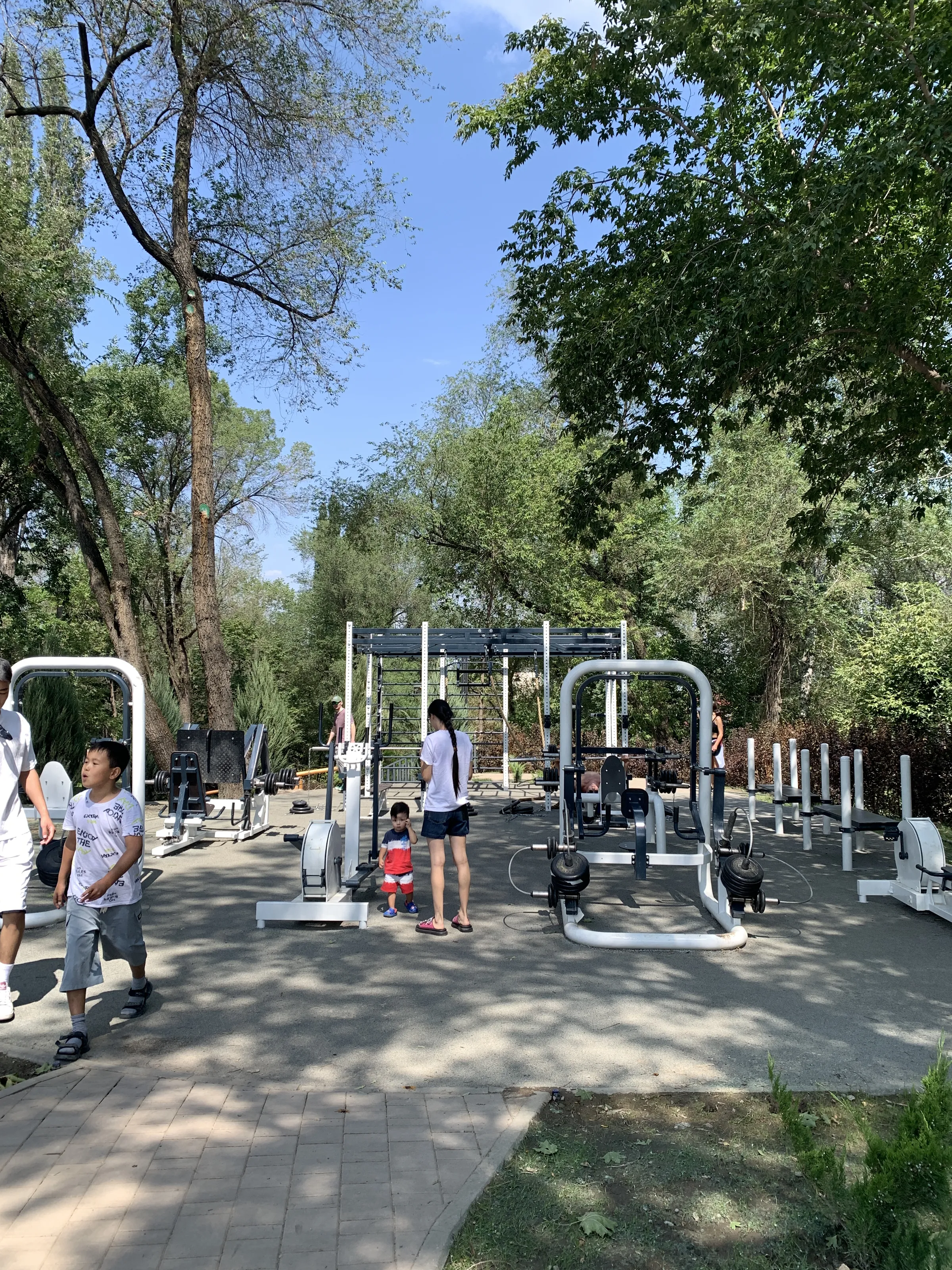
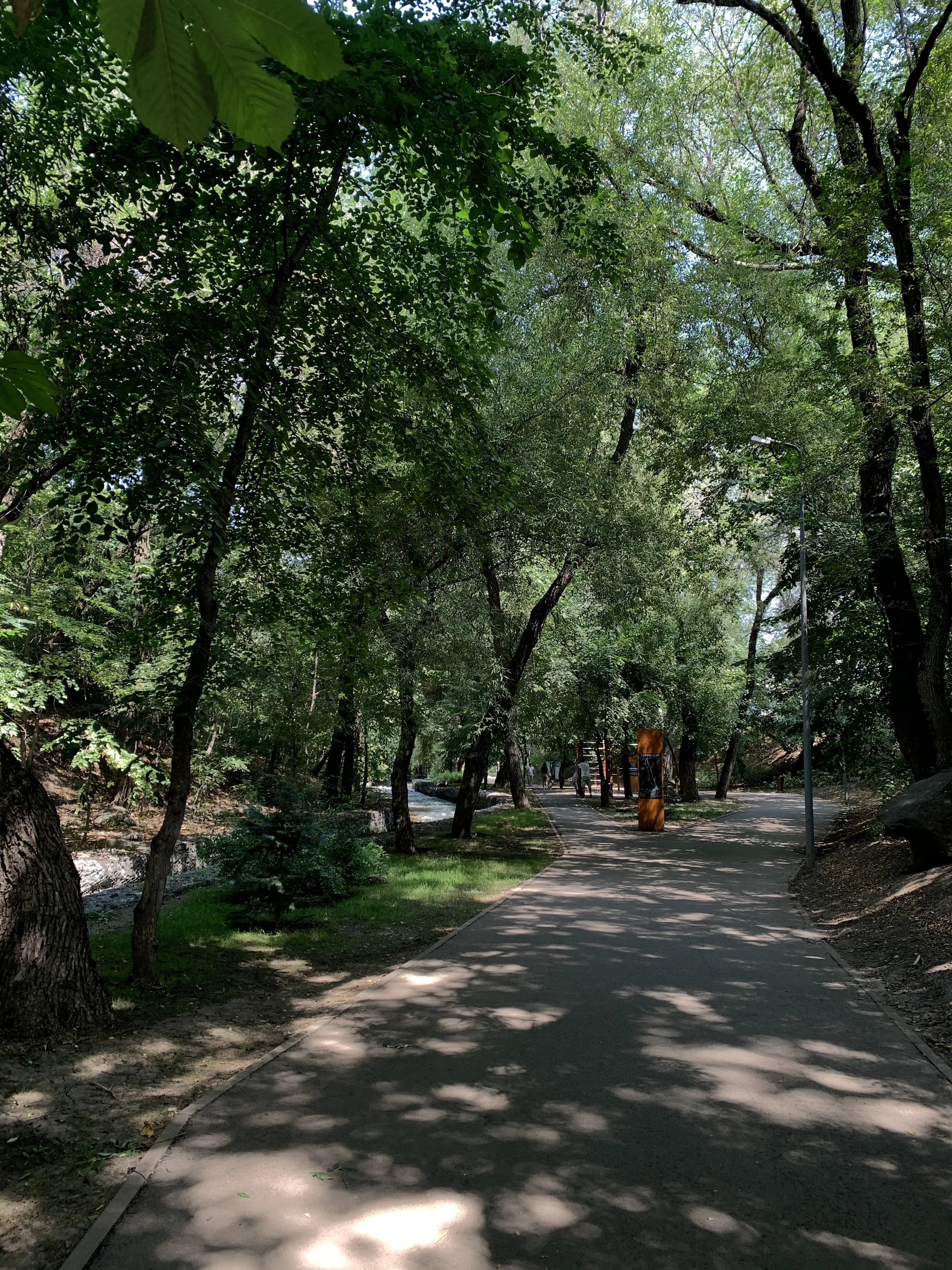
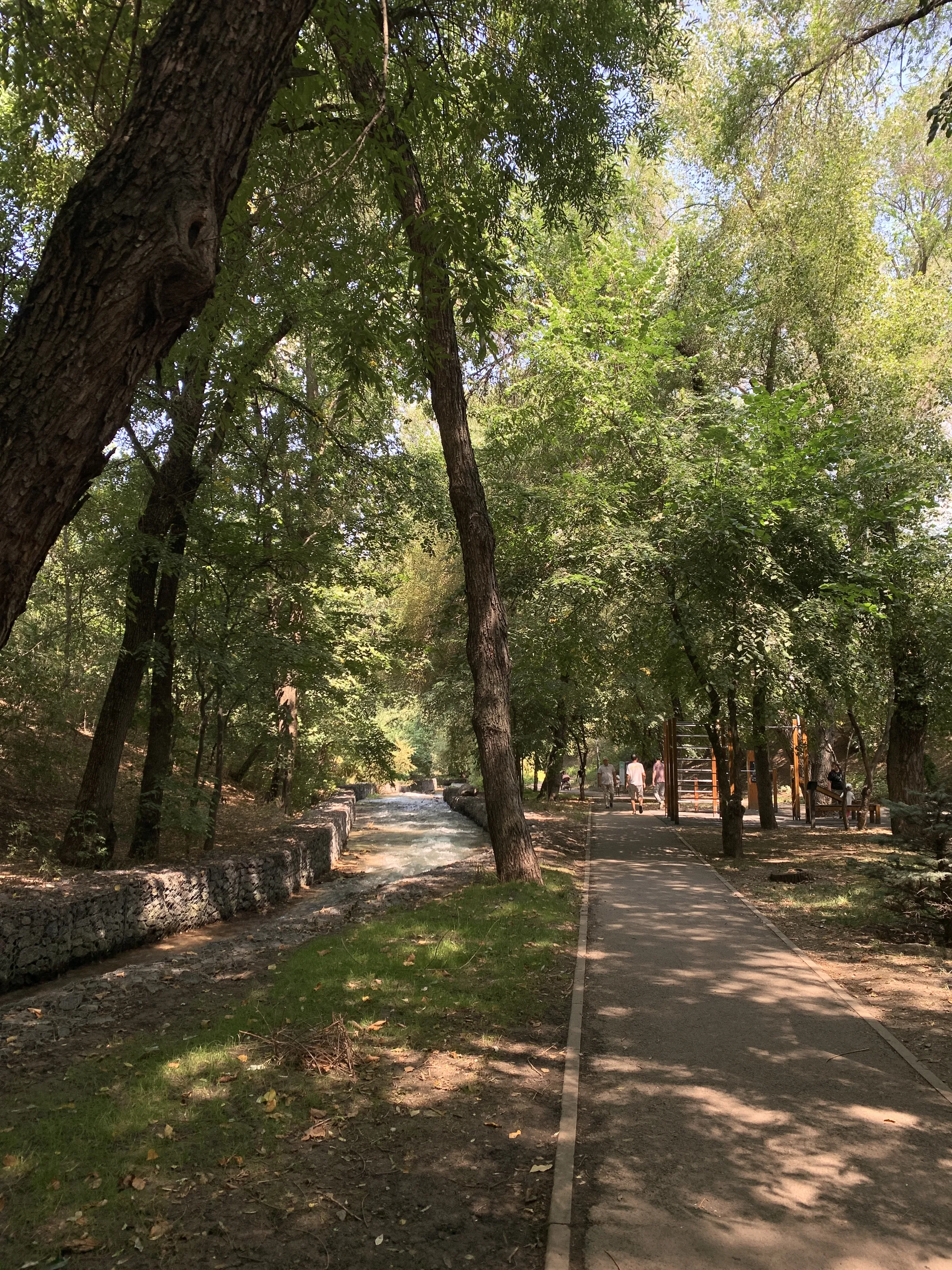
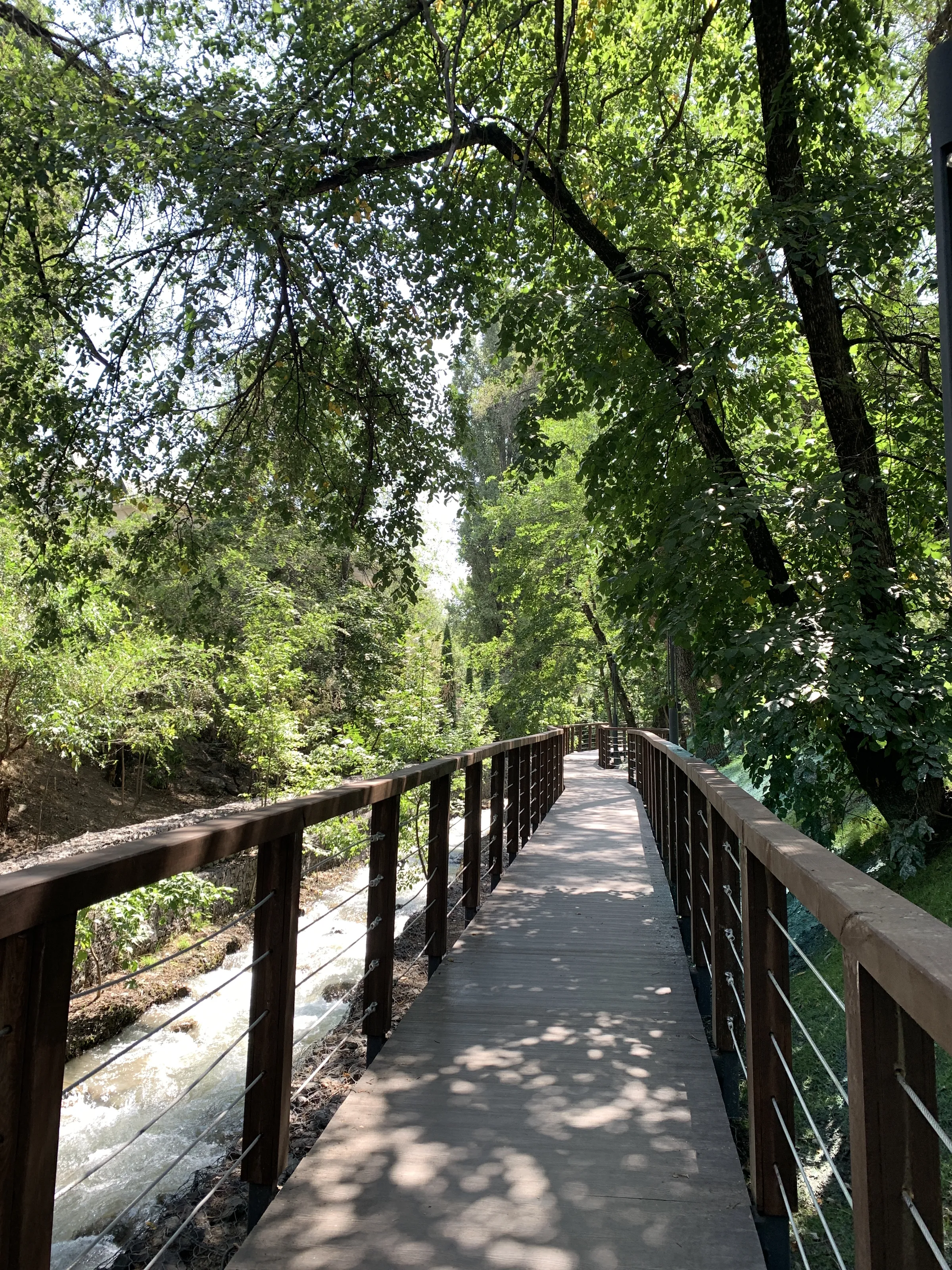
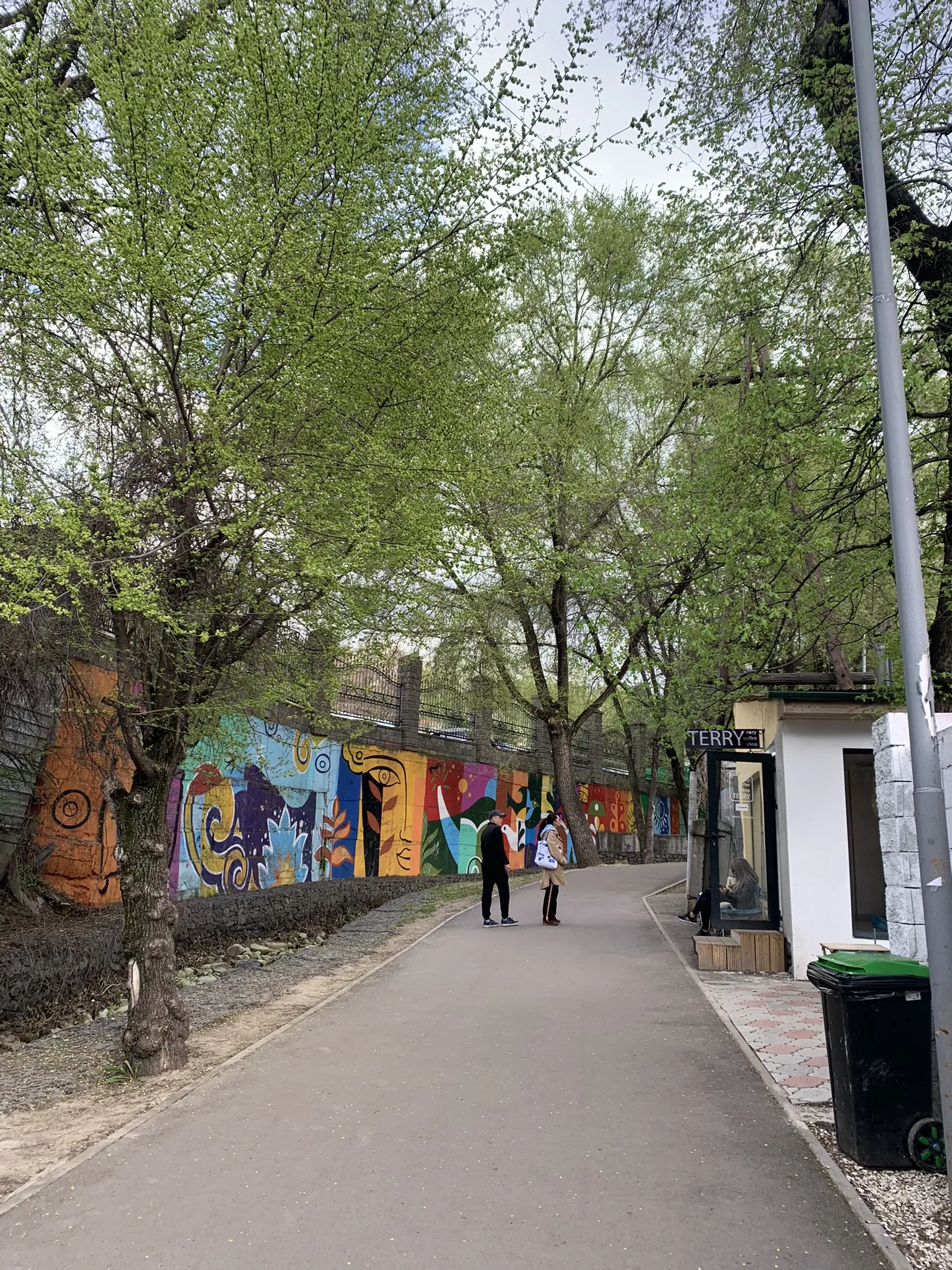
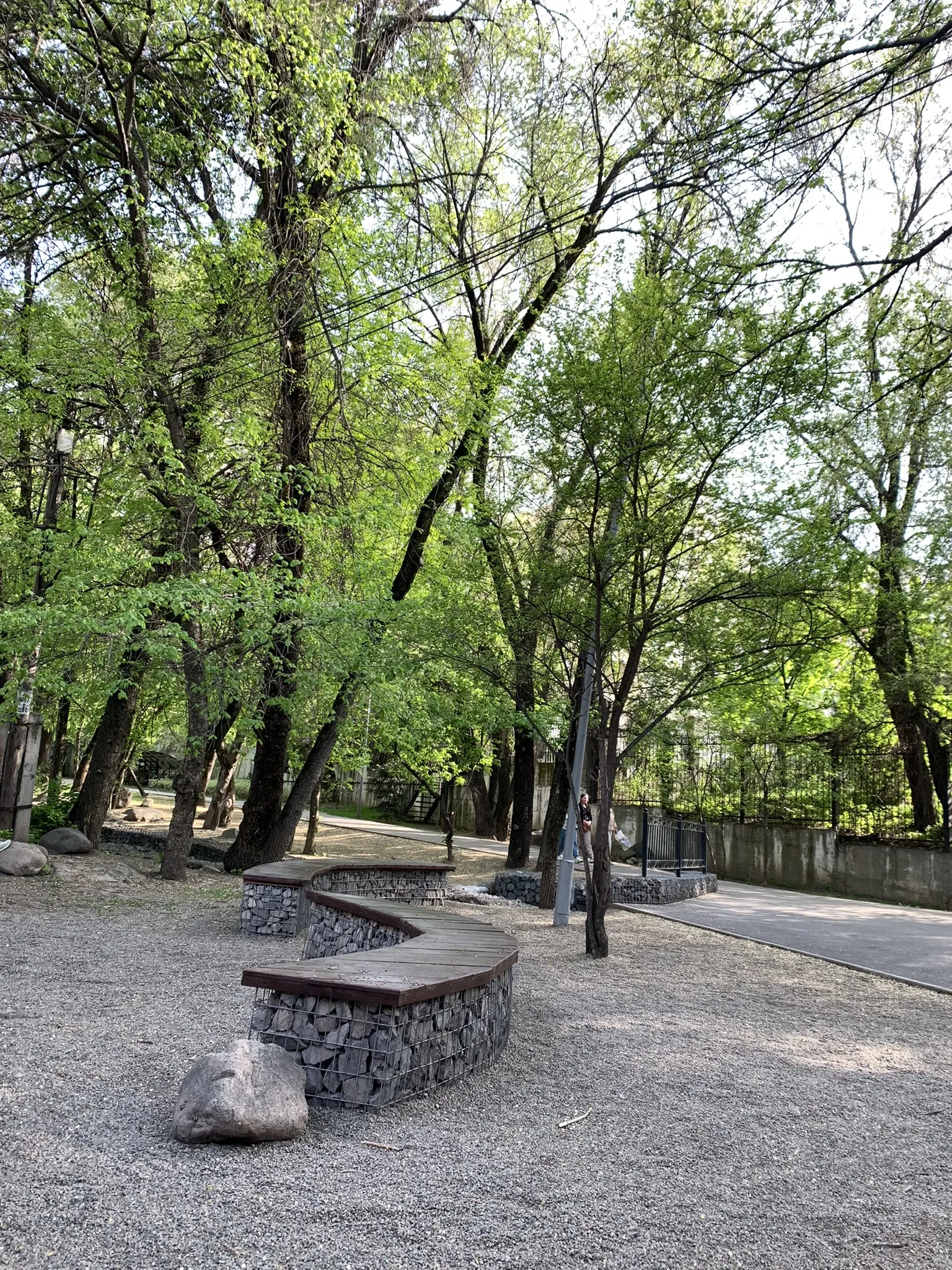
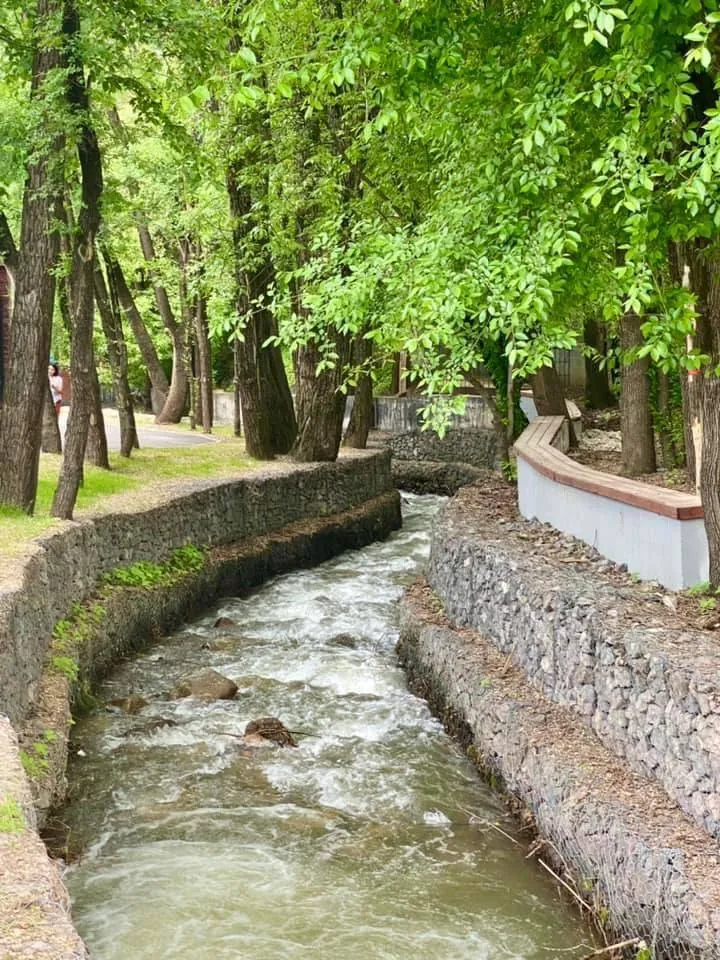
The main and most popular one, built in 1974. It runs from the Arman cinema uphill toward the foothills, 4.5 km. Elevation change — from 876 to 1,058 meters. Cafes and restaurants line the route, especially in the lower section.
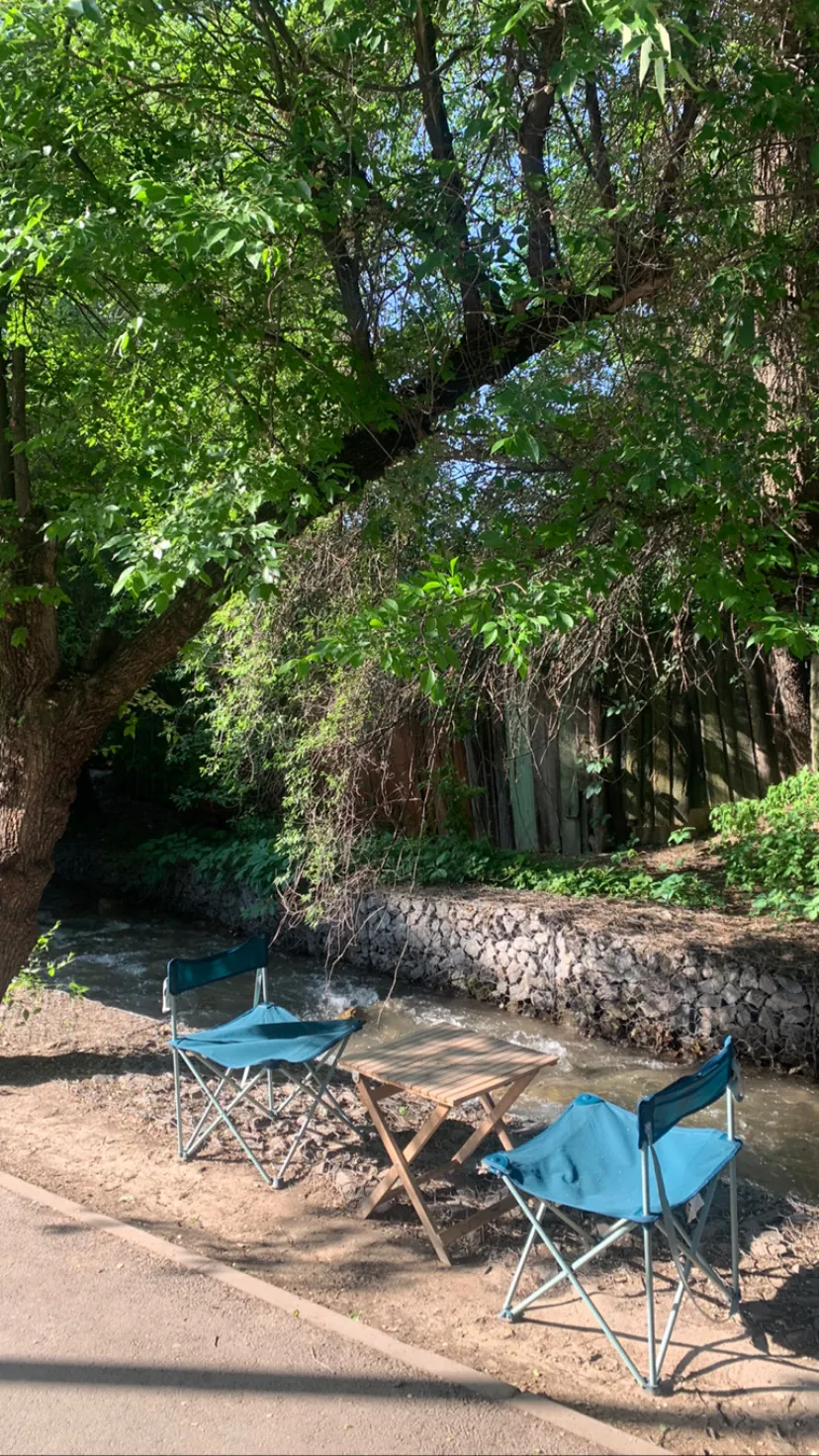 Historic terrenkur along the Malaya Almatinka river
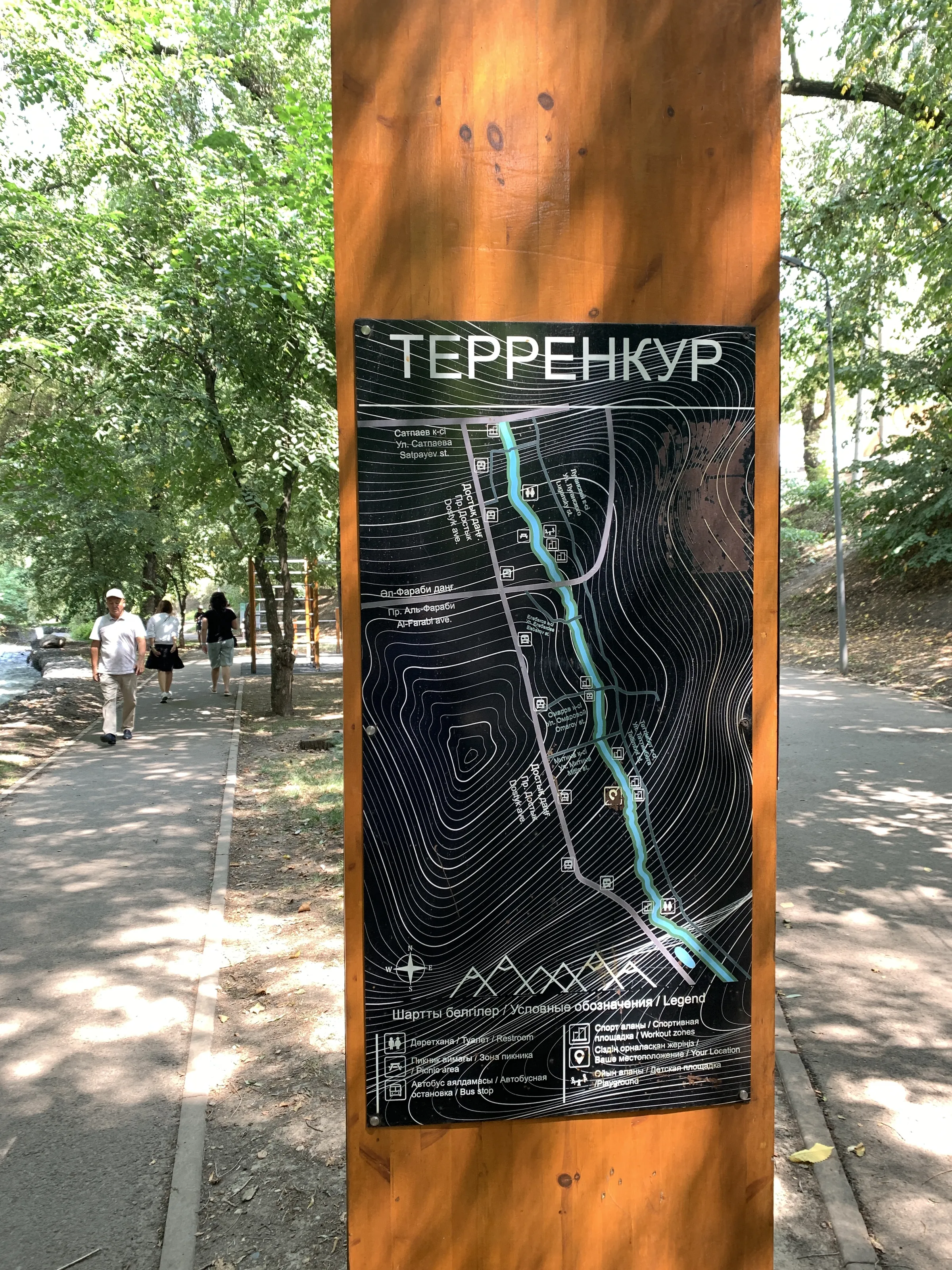
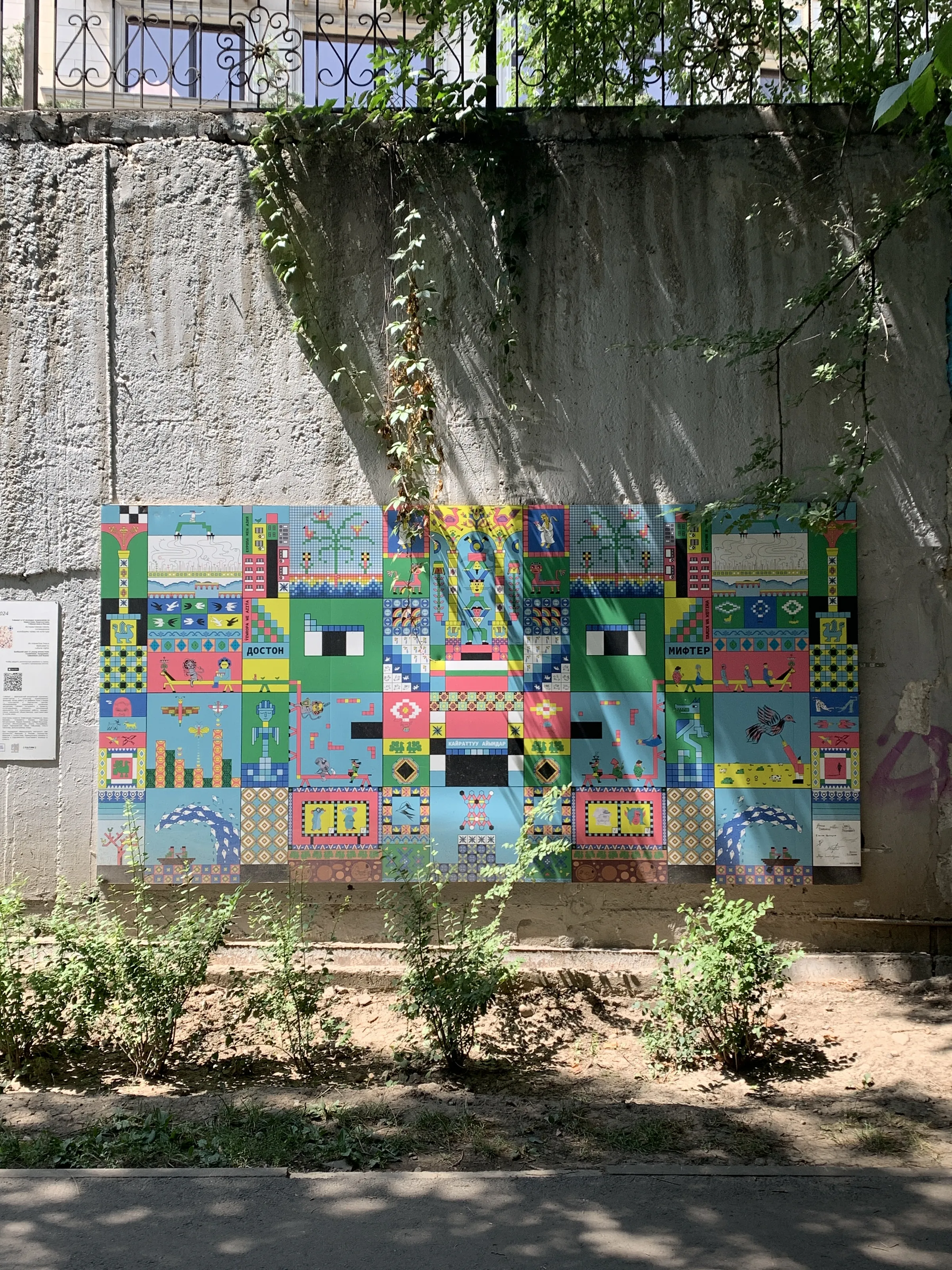
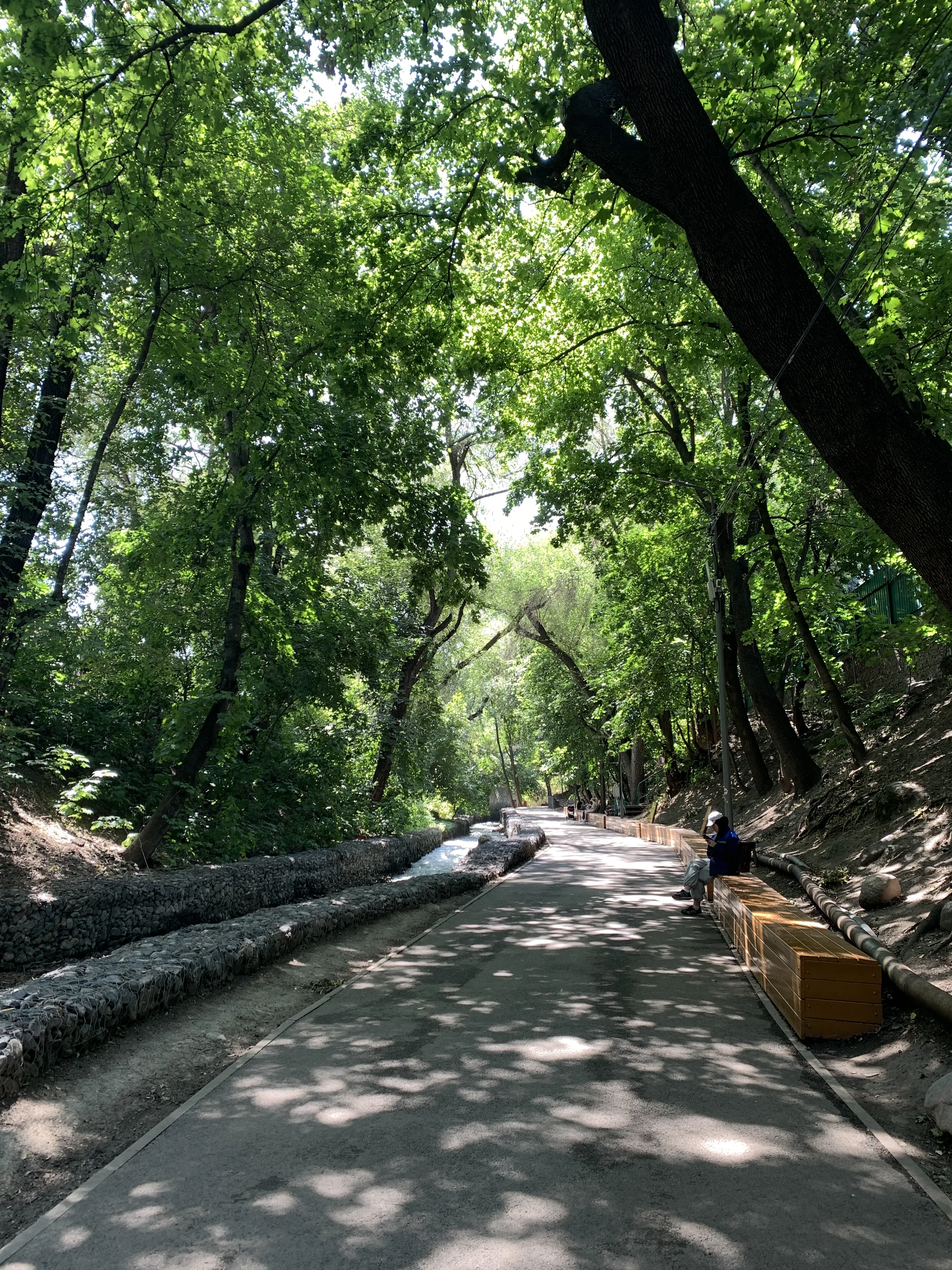
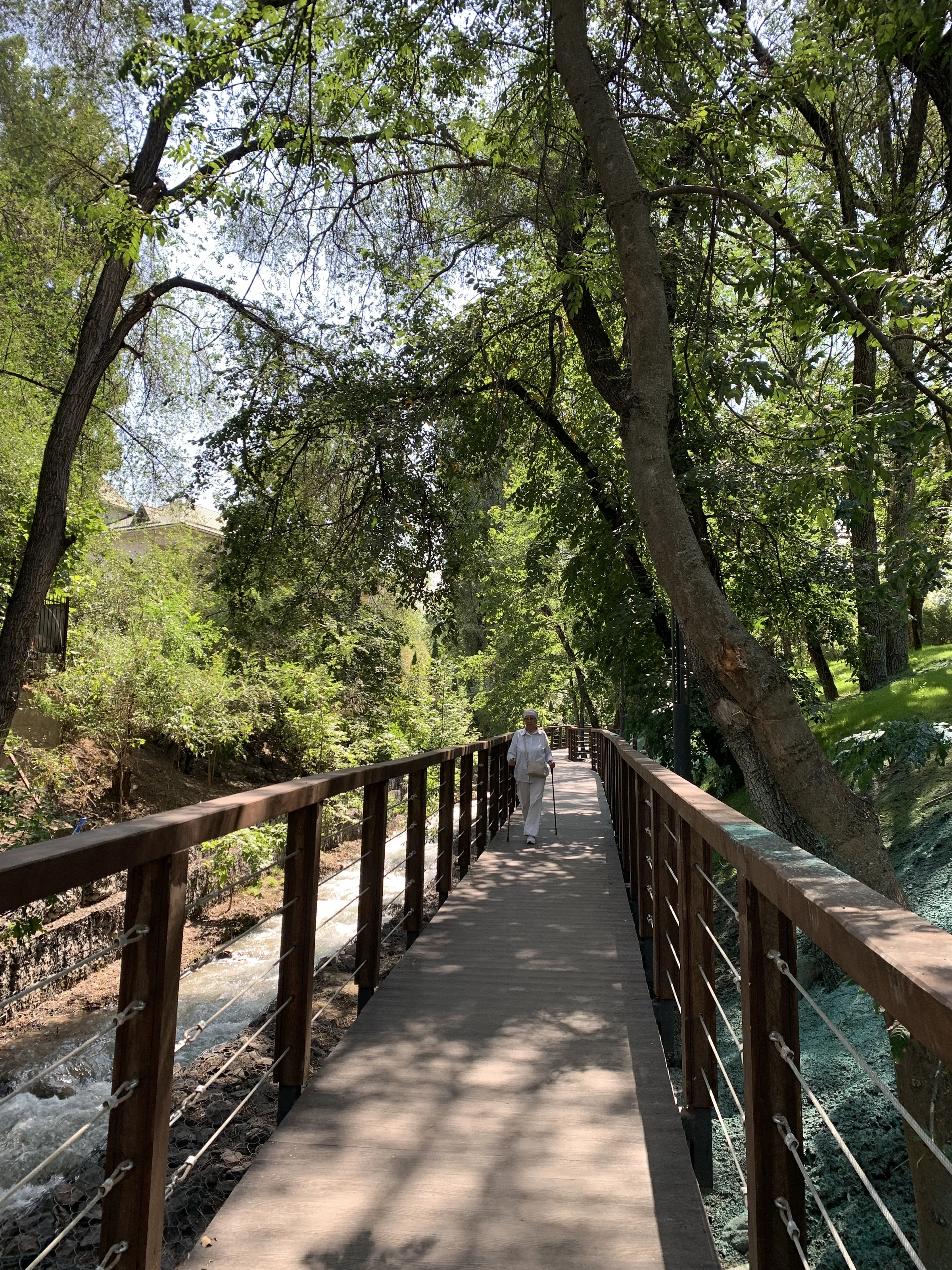
On the map: Google Maps | 2GIS | Yandex
New terrenkur (along the Esentai river)
Opened in 2022, 7.5 km. Longer than the old one and wilder in the upper section — connecting the riverside promenade with the foothills. A more secluded route.
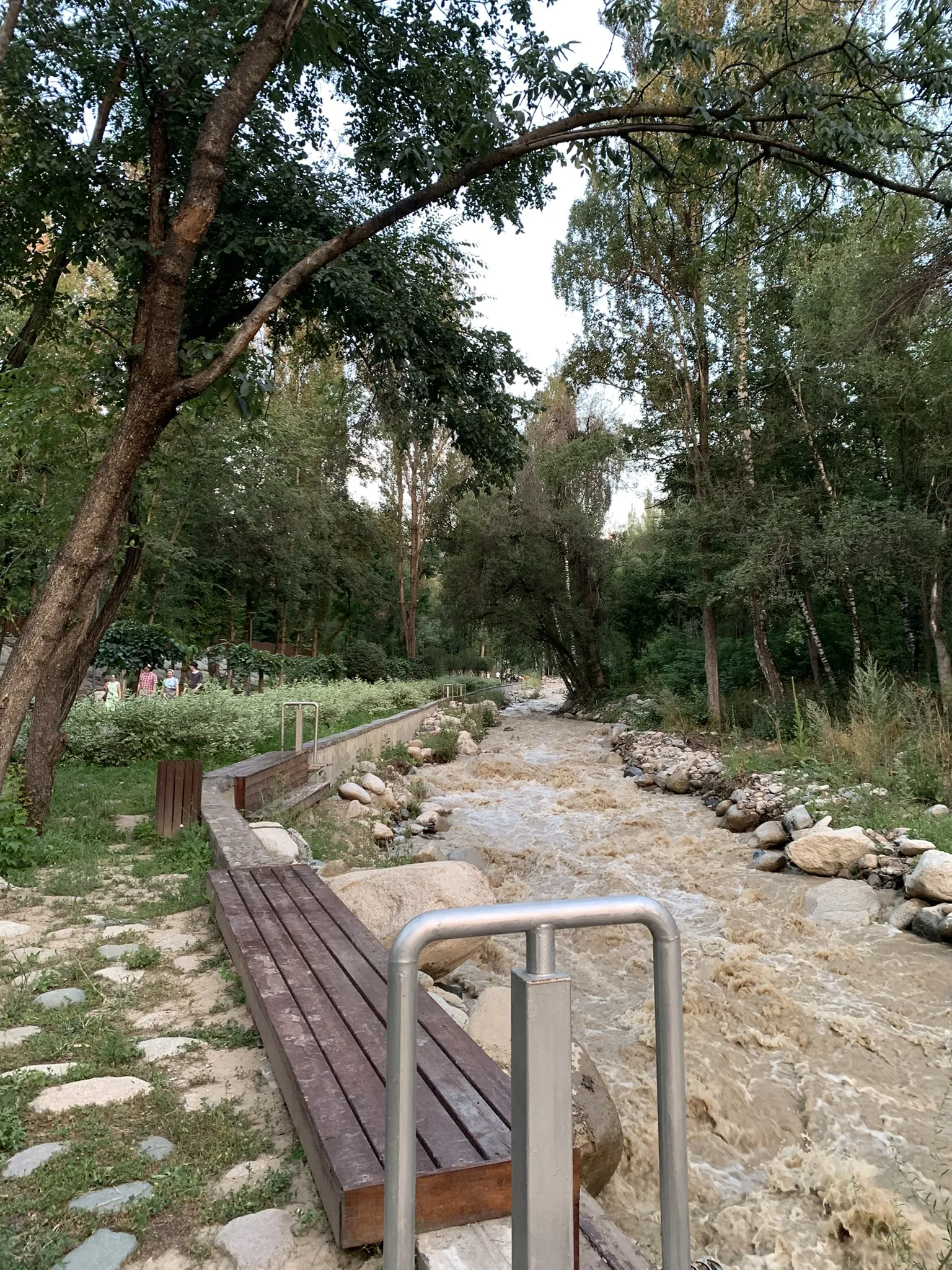 New terrenkur along the Esentai river
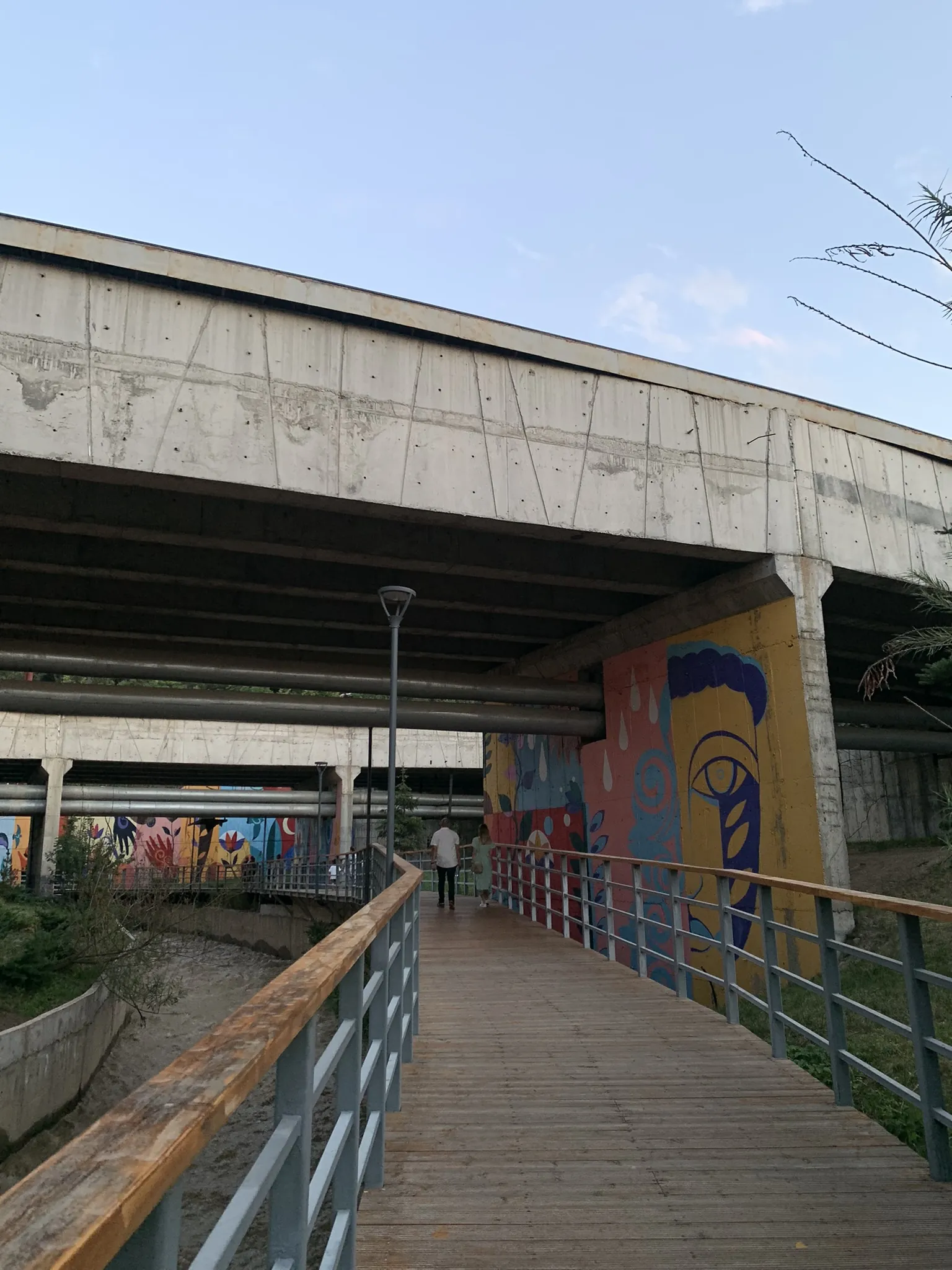
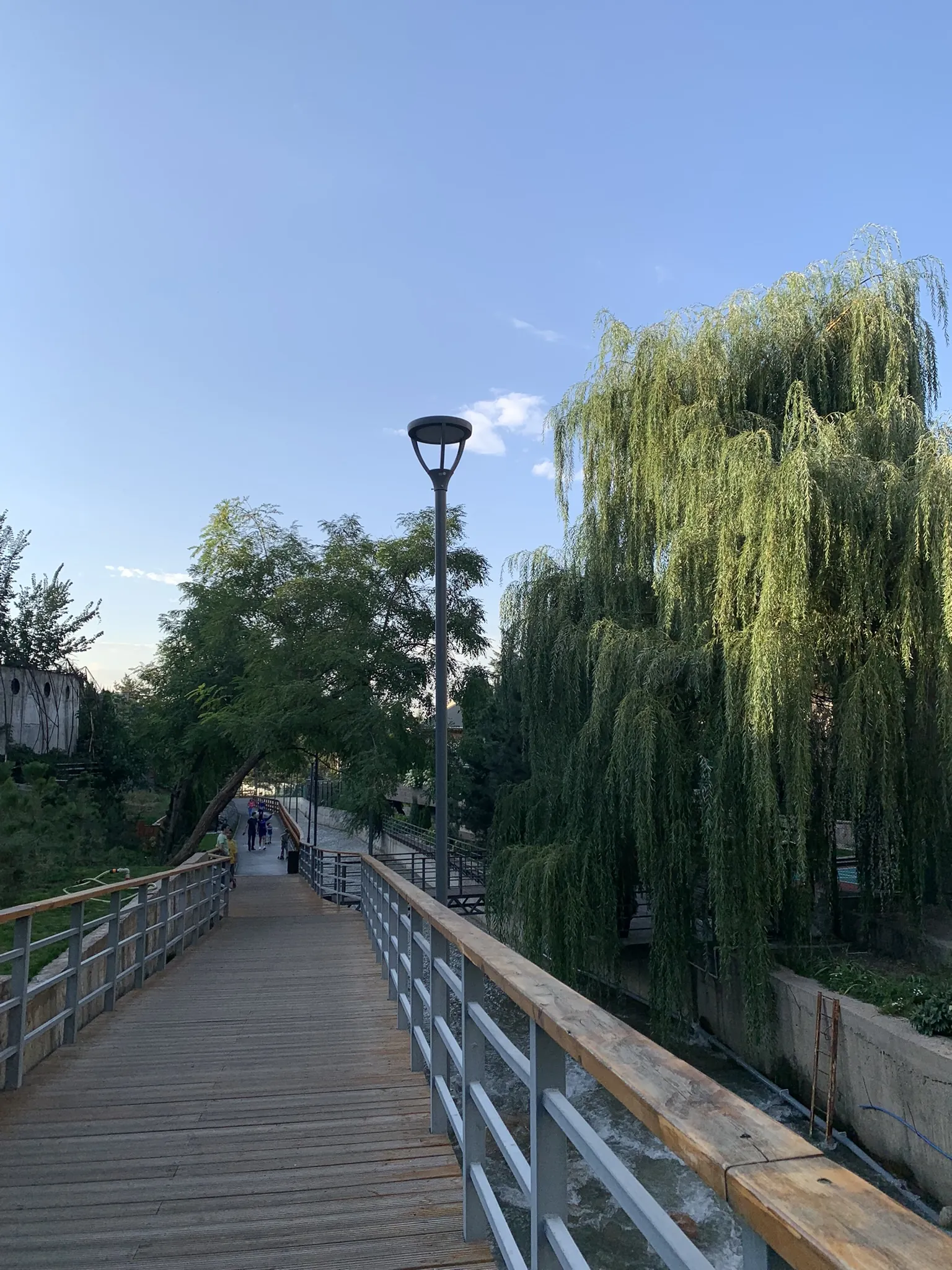
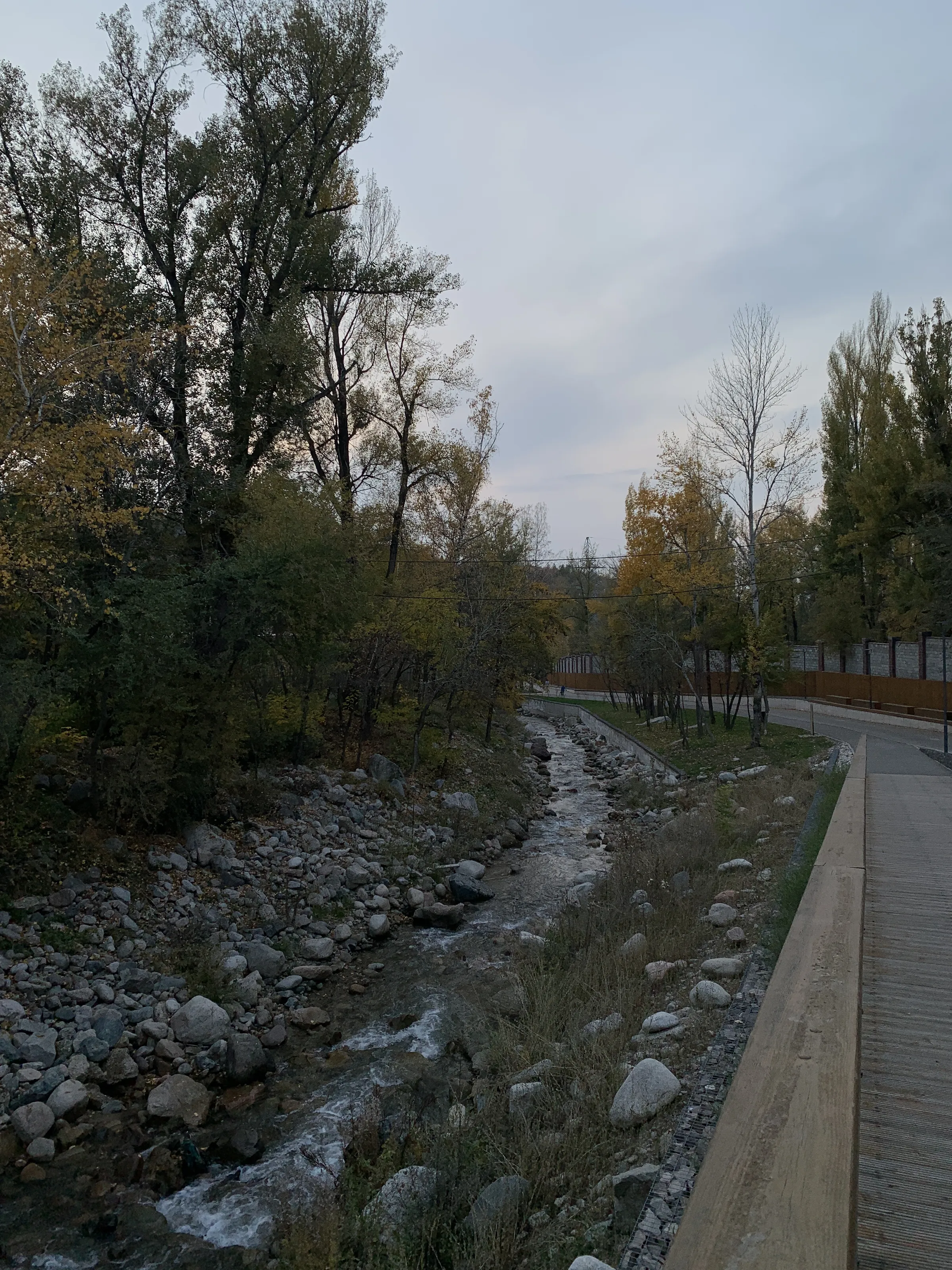
On the map: Start (Al-Farabi) | 2GIS | Yandex
Bathhouses and spas
Arasan
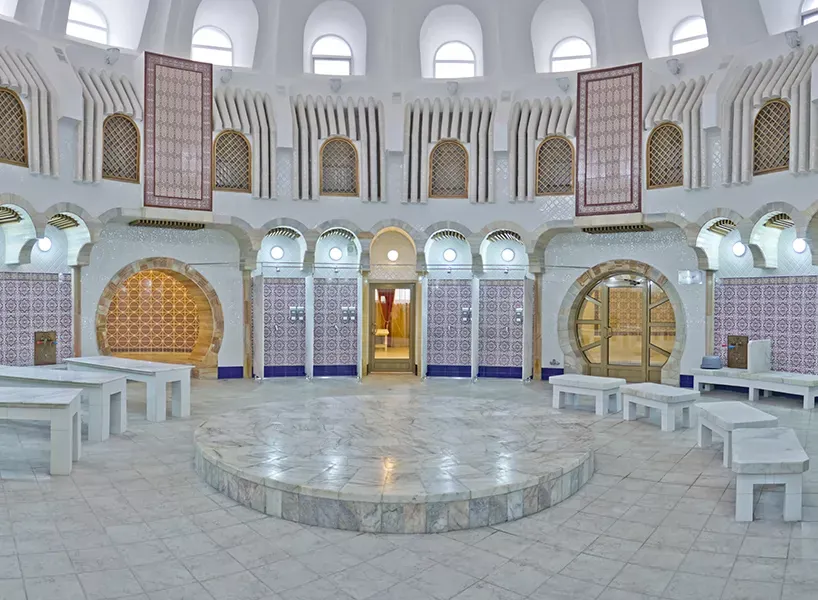
Almaty's main bathhouse complex — "arasan" means "warm spring" in Kazakh. It's as much of an attraction as any museum: marble hammams, ceramic mosaics, Finnish saunas, a Russian steam room, and special underfloor heating systems.
Lots of locals come here. Set aside at least 3 hours — you won't be able to try everything in an hour or two. It's right across the road from Panfilov Park, so easy to combine.
Hours: daily 06:00–23:30
Average cost: ~7,000 KZT (~$14). Exact prices on Instagram @arasanspacomplex (prices aren't available on their website)
Website: arasan-spa.kz
On the map: Google Maps | 2GIS | Yandex
Restaurants and Kazakh cuisine
Qazaq Auyl
Why go: an atmospheric complex in the mountains on the road to Medeu with gorgeous views. The focus is on traditional Kazakh food with a modern touch — great for visitors looking for a "wow" dining experience.
What to try: beshbarmak (boiled meat with flat noodles — the Kazakh national dish), plov (pilaf), kazy (horsemeat sausage), kazan and mangal dishes.
Average check: from 5,000 KZT (~$10) (2026, per sxodim.com)
On the map: Google Maps | 2GIS | Yandex
Navat
Why go: a popular chain of chaikhanas (Central Asian tea houses) with cozy Eastern-style interiors. Uyghur, Kazakh, and Central Asian cuisine. Great for groups and casual get-togethers.
What to try: lagman (hand-pulled noodle soup), plov (pilaf), manty (large steamed dumplings), beshbarmak, samsa (baked meat pastries). Huge tea and dessert selection.
Average check: from 3,000 KZT (~$6) (2026, per sxodim.com — varies by location)
On the map: Google Maps | 2GIS | Yandex
SYDYK
Why go: Kazakh cuisine with a focus on the classics and dairy. A calm spot in the center to get acquainted with traditional food.
What to try: beshbarmak, kuurdak (pan-fried meat and offal), syrne (lamb stew), baursaki (fried dough puffs), kumys (fermented mare's milk) and shubat (fermented camel's milk), and camel meat dishes — the latter being what Sydyk is often recommended for by locals.
Average check: 4,000–6,000 KZT (~$8–12) (2026, per sxodim.com and Restolife)
On the map: Google Maps | 2GIS | Yandex
Editor's picks
Most Almaty guides recommend the standard stops: the Arbat, Panfilov Street, Republic Square, Green Bazaar. We've included those too — but here's our own shortlist of places we think are genuinely worth it.
An important note: when you walk around central Almaty — the "golden square," the historic core — it might seem like the city isn't all that interesting. The architecture isn't ancient, there aren't obvious landmarks on every corner. But that impression is misleading. A lot of things simply don't stand out without context.
So if you want to not just walk around but actually understand the city, we'd recommend taking a tour. Without a guide, you'll very likely miss the interesting details, buildings, and historical sites.
Here's what we'd recommend checking out:
- Murals and street art. Dozens of large-scale works on building facades, born from the ARTBAT FEST festival. With a tour, the stories and meanings behind each piece really come alive.
- Graffiti wall on Ospanova Street. 420 meters of legal street art, a living wall that's constantly being updated.
- Medeu. Definitely climb the Health Stairway and check out the view from the dam.
- Terrenkurs (walking trails). They might sound like just a trail. But they're part of Almaty's culture: people come here to run, walk, and meet up. The paths are separated from roads, the air gets cleaner closer to the mountains, and the walk itself is a way to feel the rhythm of the city. Best to go top-down.
- Kok-Tobe. City views from above, especially stunning around sunset.
- Botanical Garden. If you can only pick one park out of all of them, make it this one. From the main entrance — a beautiful panorama, great photo spot.
About parks in general: if you have time — go for a walk, it's nice. But if you're short on time, parks aren't the thing to sacrifice other spots for.
Practical info: transport and tips
Getting around
Getting around the city is easy — taxis, buses, metro. Buses go to some mountain spots too, but a taxi is usually more convenient.
Important: traffic in Almaty is rough. In the center, it's often faster to walk than to drive.
- Taxis: from 1,000 KZT (~$2), via Yandex Go (similar to Uber).
- Buses: 120 KZT (~$0.25), cashless payment only — Onay card, Onay app, or QR code via Kaspi/Halyk Bank. Cash is not accepted on buses.
- Metro: 120 KZT (~$0.25), fast, no traffic. You can pay with a bank card.
- Car rental: from 15,000 KZT (~$30)/day.
Tips
Payment. Cash is accepted everywhere, but cards aren't always. In Kazakhstan, Kaspi QR is the most common payment method — you'll need a local card for that. Most restaurants and shops accept cards, but at markets and small vendors it might be Kaspi or cash only. Russian bank cards do not work.
Navigation and maps. 2GIS, Yandex Maps, Google Maps — all work. 2GIS is the best for public transit routes and works offline.
Local SIM card and bank card. To get a Kazakh SIM or bank card, you need an IIN (Individual Identification Number). You can get one at a Public Service Center (called "CON" locally) — it takes a few hours.
Walking. Almaty is built on a slope: mountains to the south, steppe to the north. If you're walking "uphill" (south) — there will be an elevation gain. Keep this in mind when planning walking routes.
Kazakhstan travel guides — in your inbox
New routes, price updates, and seasonal picks. No spam.